ongoing2023 — ongoing
At-Tāriq
The Nightcomer / The Morning Star
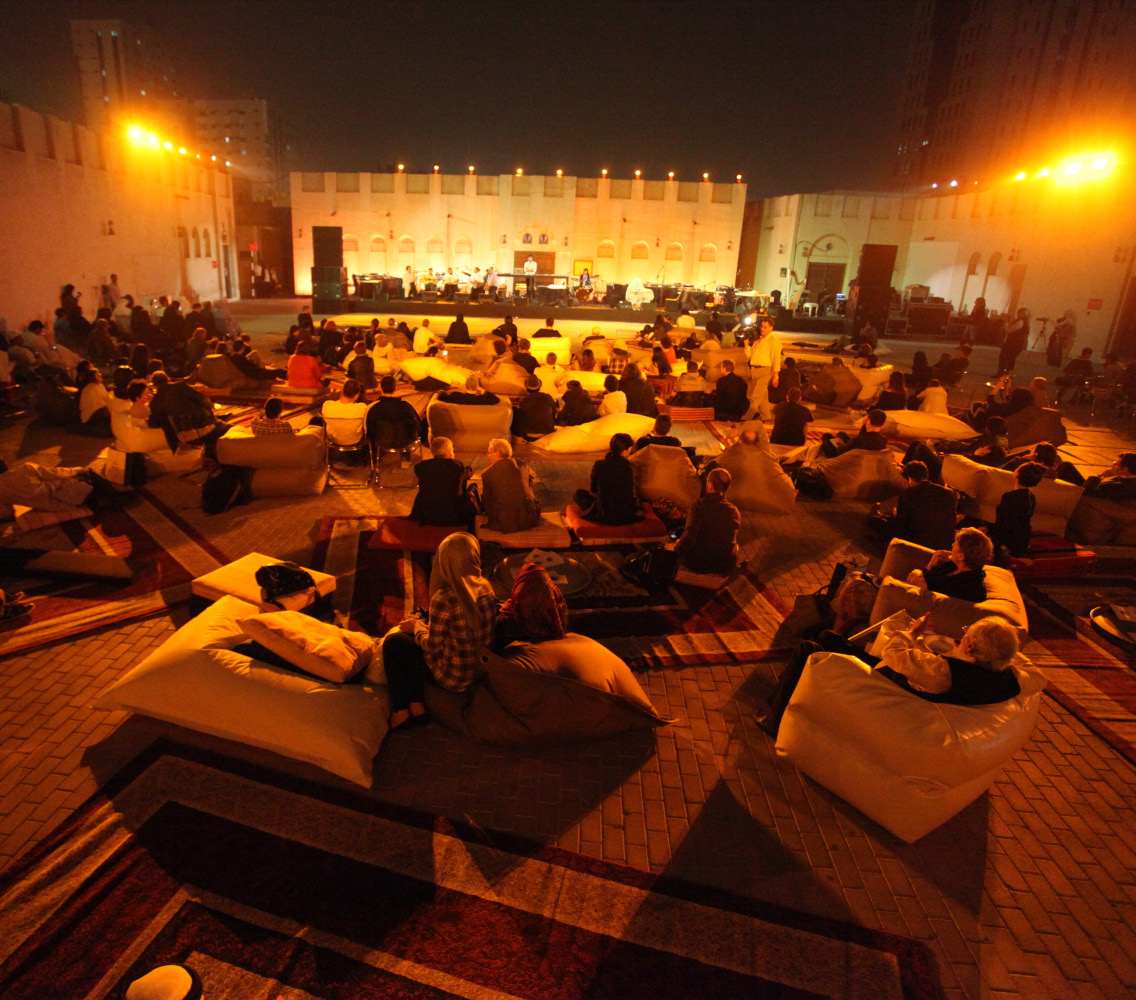
At-Tāriq retraces trans-Saharan routes of pilgrimage and trade, exploring rural musical forms of the Arab world and North Africa.
Long-term research
Over the years, Tarek Atoui has developed an artistic practice rooted in research and fieldwork, traveling extensively to connect with the musical heritage of different cultures. Human actions and activities, and the relationship between human beings and their environment, serve as its starting point. The projects are conceived as evolving, responding to situations, places and encounters, and lead to new collaborations, exhibitions, performances and workshops. Follow them below, across the years and the places.
ongoingconcluded
The Nightcomer / The Morning Star
At-Tāriq retraces trans-Saharan routes of pilgrimage and trade, exploring rural musical forms of the Arab world and North Africa.
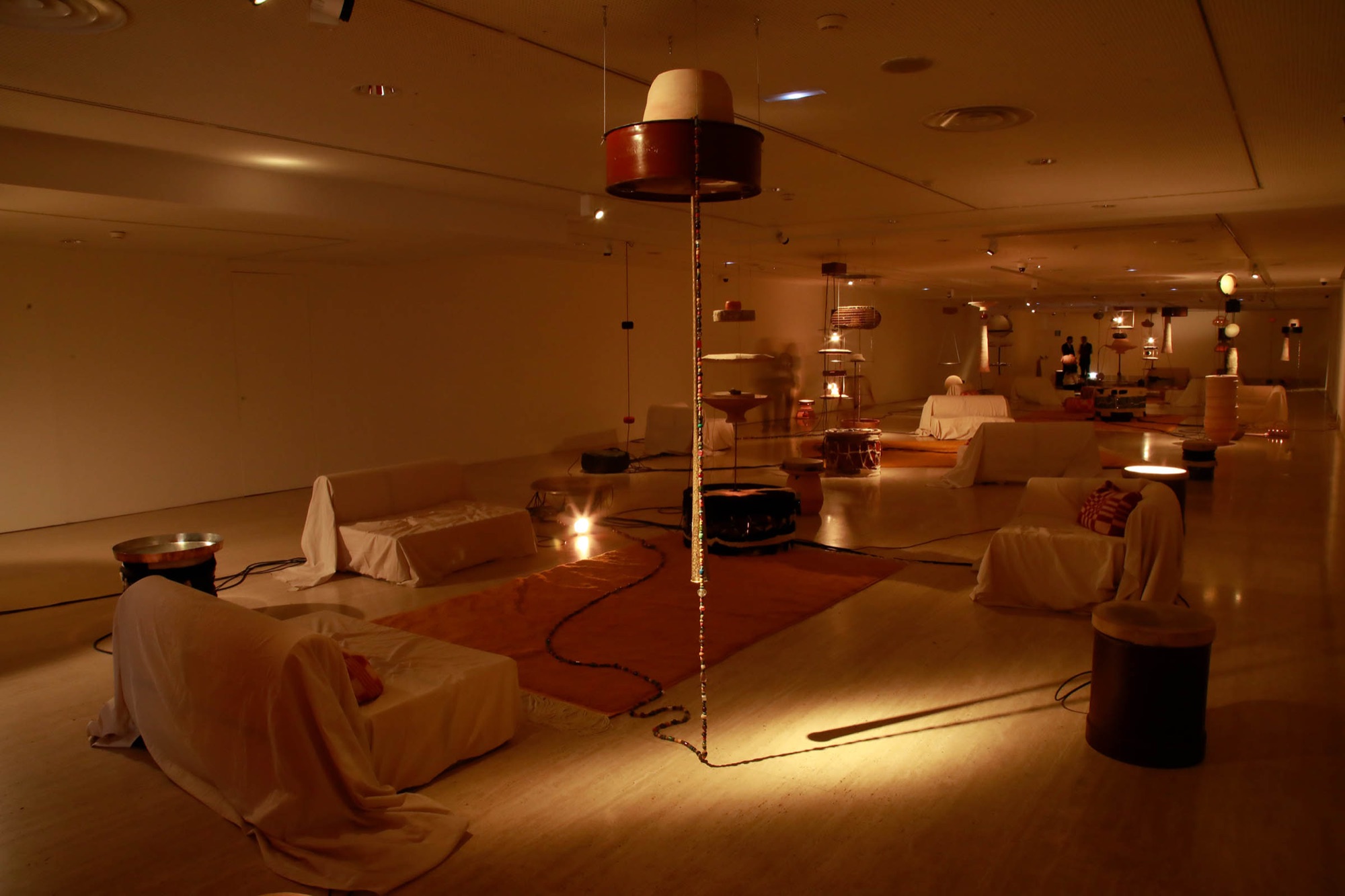
The Rain offers a unique fusion of Korean traditional percussion instruments and electronic soundscapes, introducing visitors to an entirely novel way of experiencing sound.
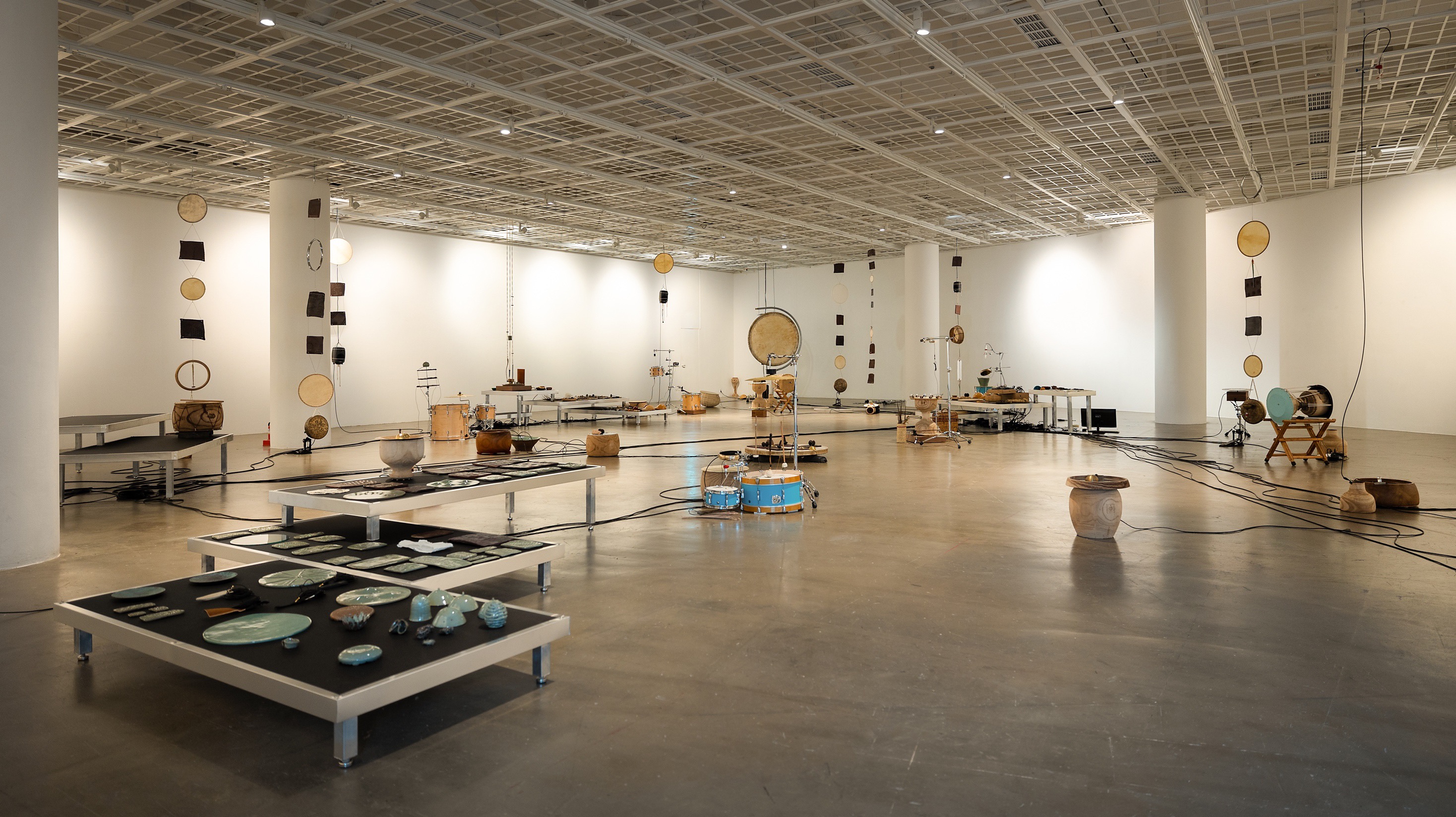
The Whisperers is a series of listening devices made of different materials that conduct and amplify sound. These assemblages of plastic, wood, brass, water, bronze, glass and stone explore the acoustic properties of each material and the ways in which they transmit and reflect sound.
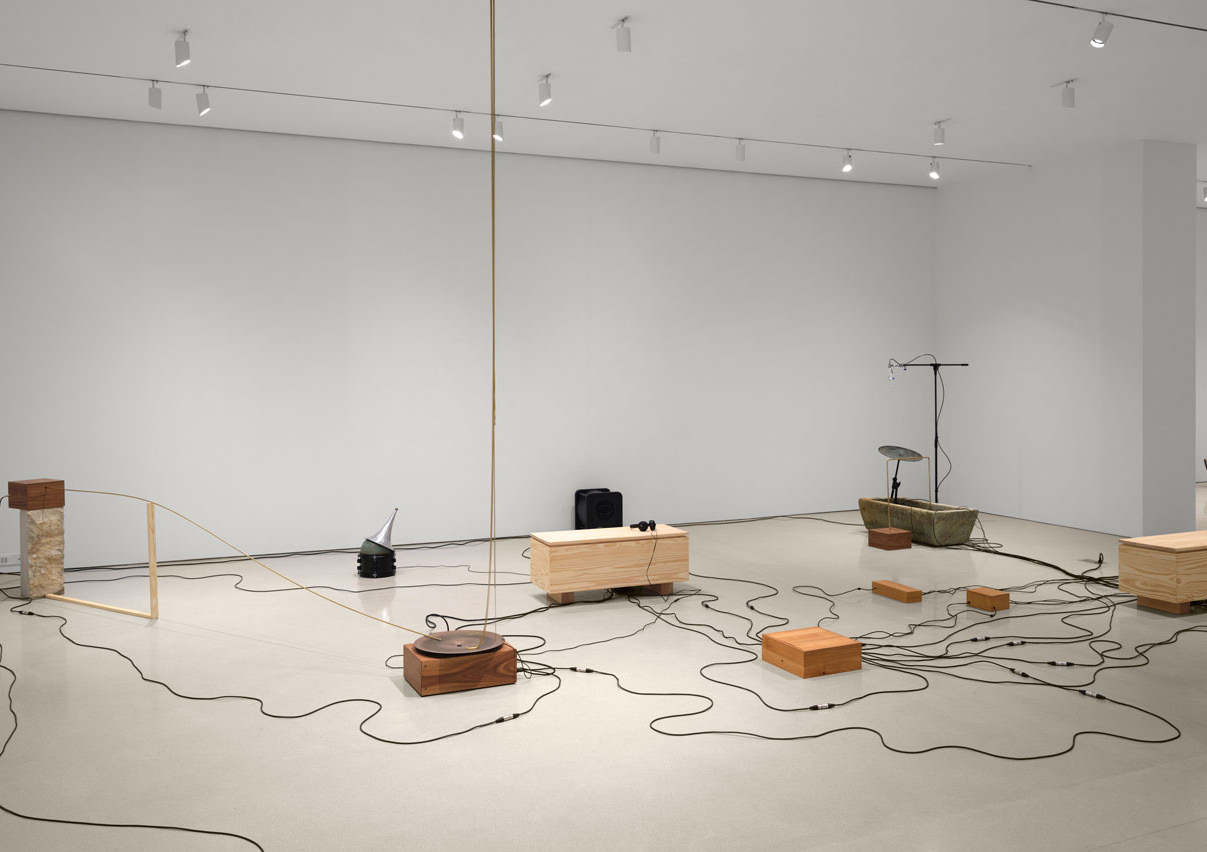
Waters’ Witness is a sound research project focusing on the theme of water. The installation consists of sculptural and sonic elements, using different materials such as marble, metal, and ceramics.
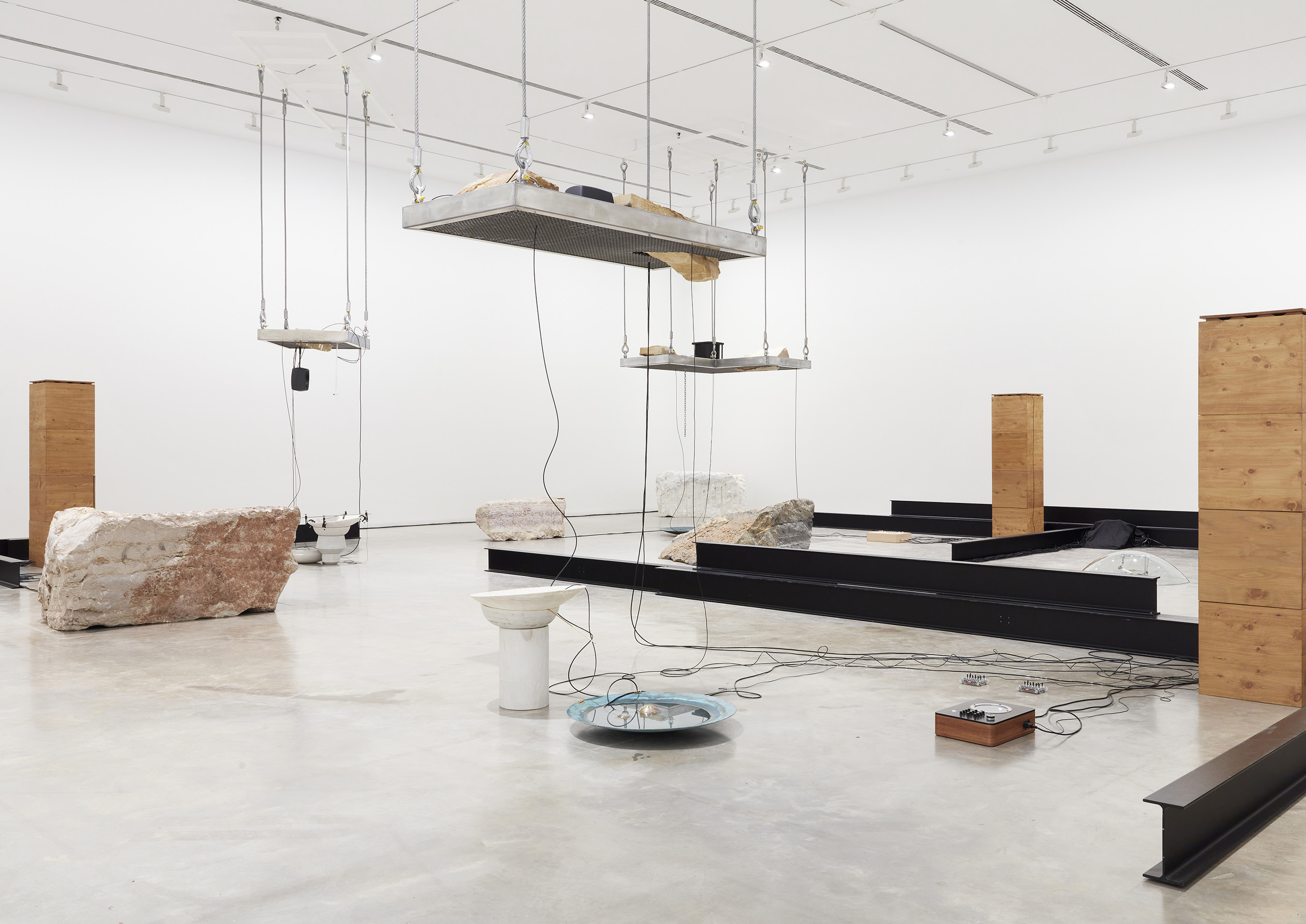
The Ground is a project that began in 2011 with five years of research into practices of architecture, traditional music, and agriculture in the Pearl River Delta in China. This research inspired ways of working with rhythm, improvisation, and space.
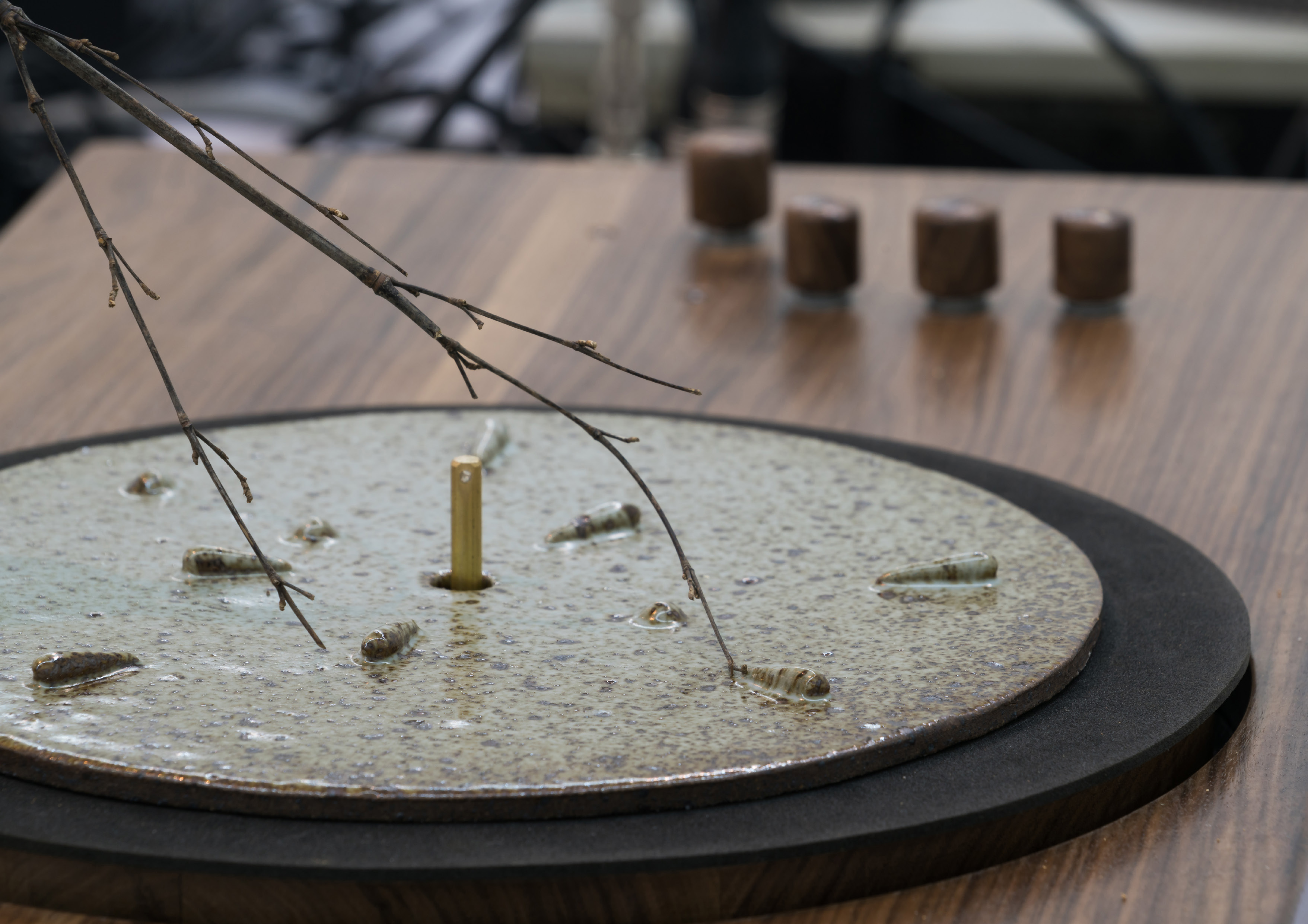
WITHIN disconnects sound from listening, moving beyond auditory perception to approach sound as an embodied experience. Deaf participants were approached not through the lens of disability, but as experts of another sensory relationship to sound and vibration. Developed over the past 13 years, the project has taken place in nearly 15 countries through workshops, performances, and exhibitions.
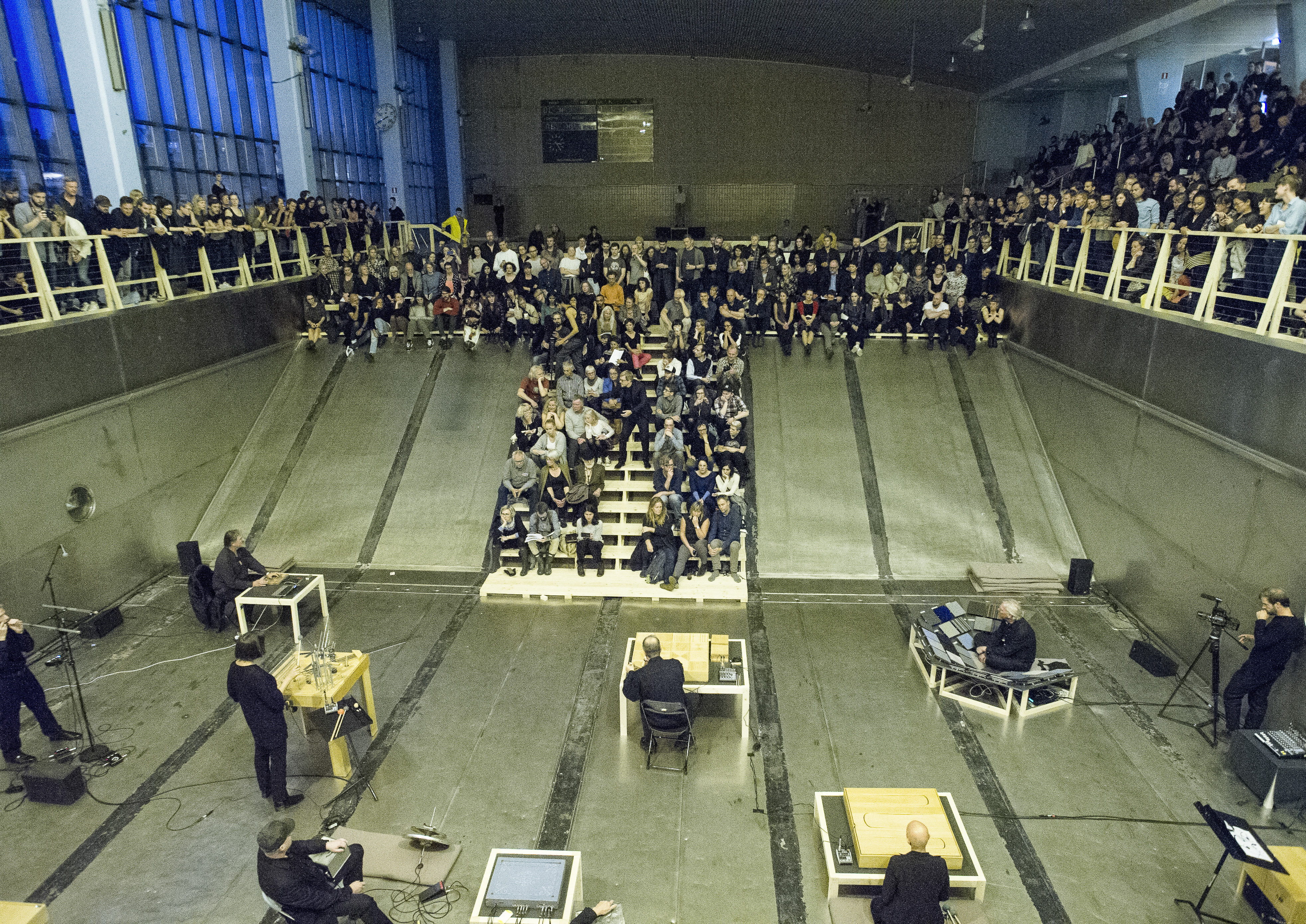
Reversing the order in which instruments are usually created, Tarek Atoui took sounds recorded on the ethnomusicological collection of the Dahlem Museum and asked instrument makers to imagine the instruments that could have produced them.
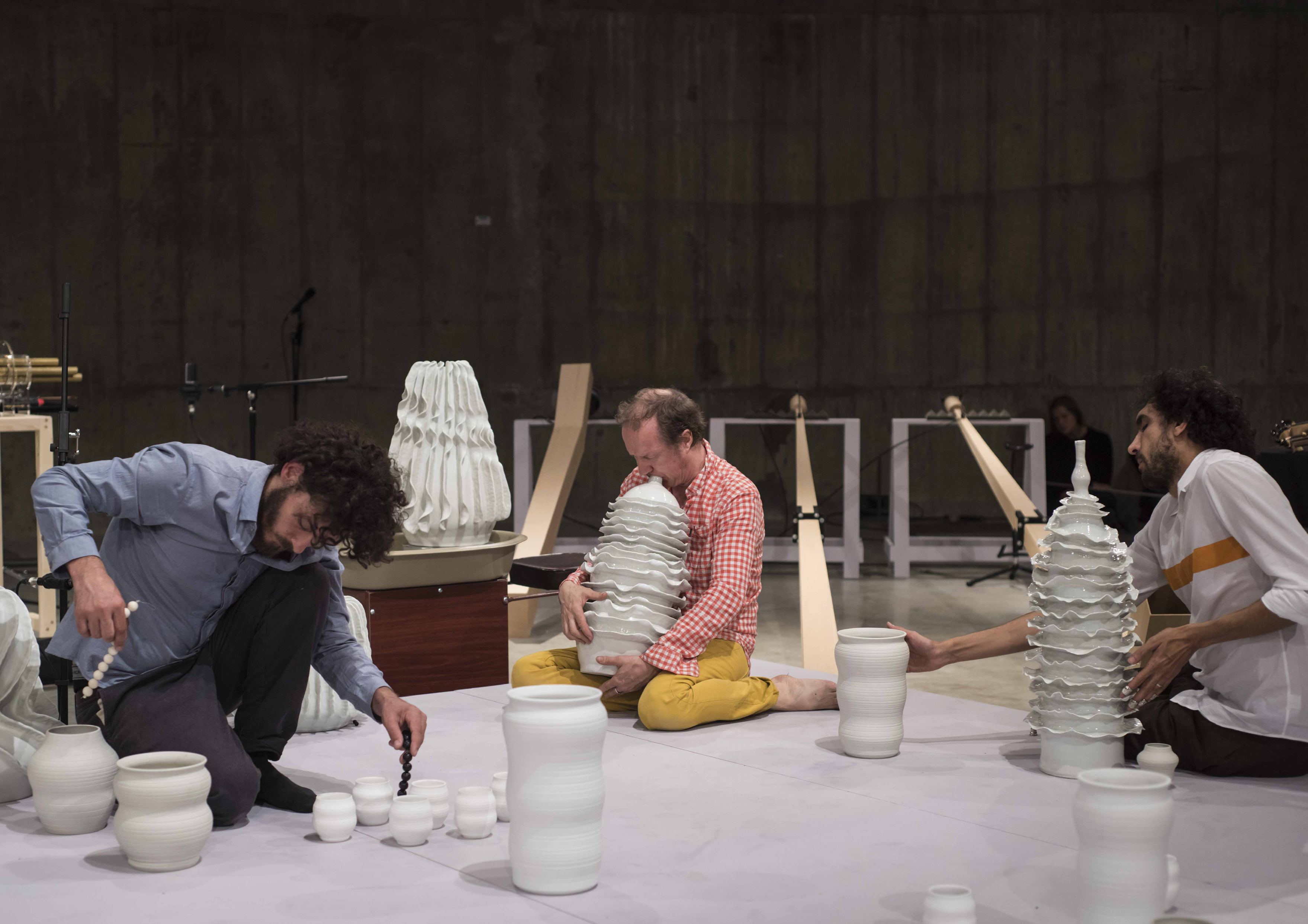
Revisiting Tarab draws on the archive of collector Kamal Kassar, a collection of early twentieth-century recordings of Tarab, the emotional ecstasy of classical Arab music. Rather than restoring or reproducing these recordings, Atoui invited musicians to listen to them and improvise new pieces, exploring how the intensity of Tarab can be carried into contemporary experimental music.