The Reverse Collection
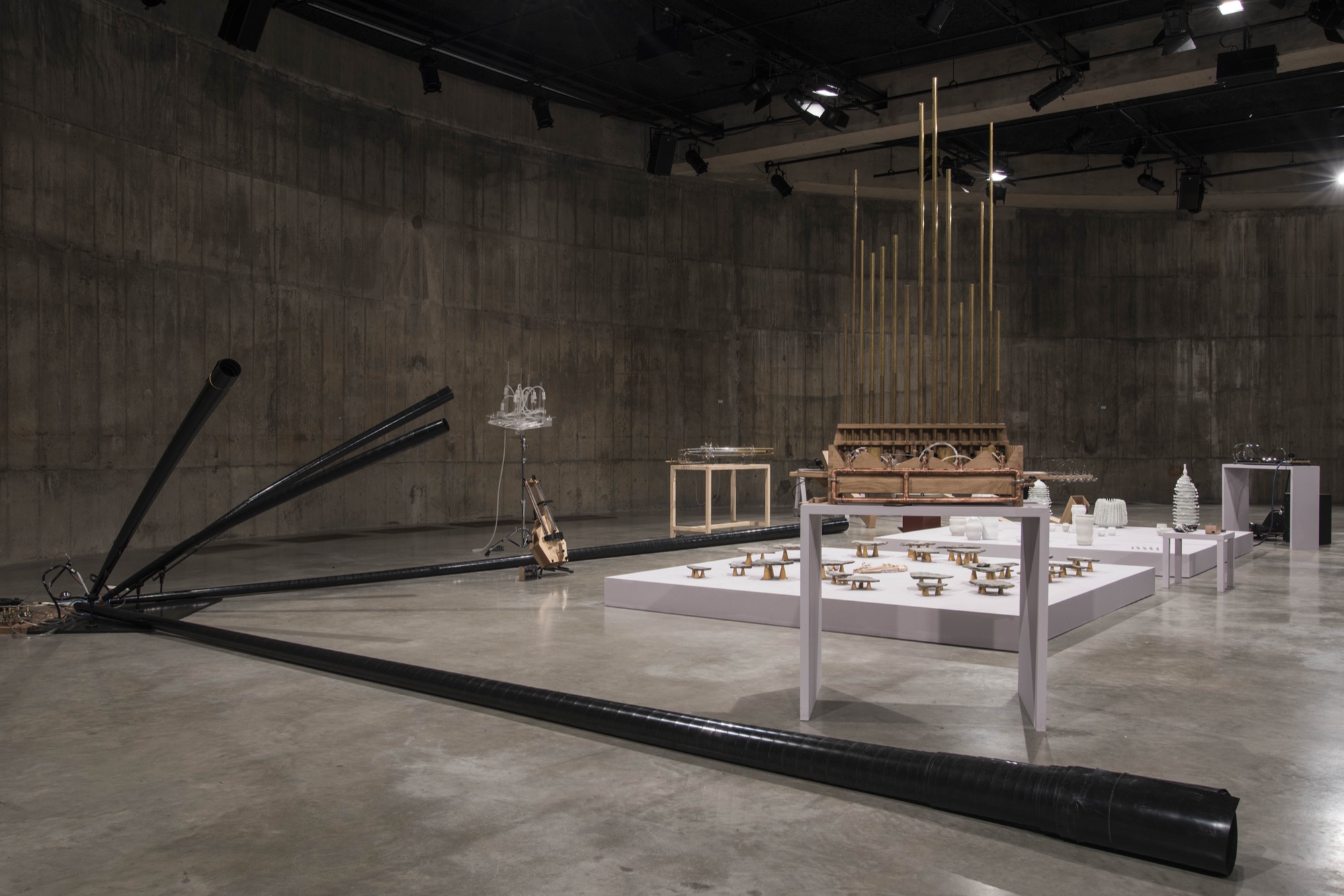
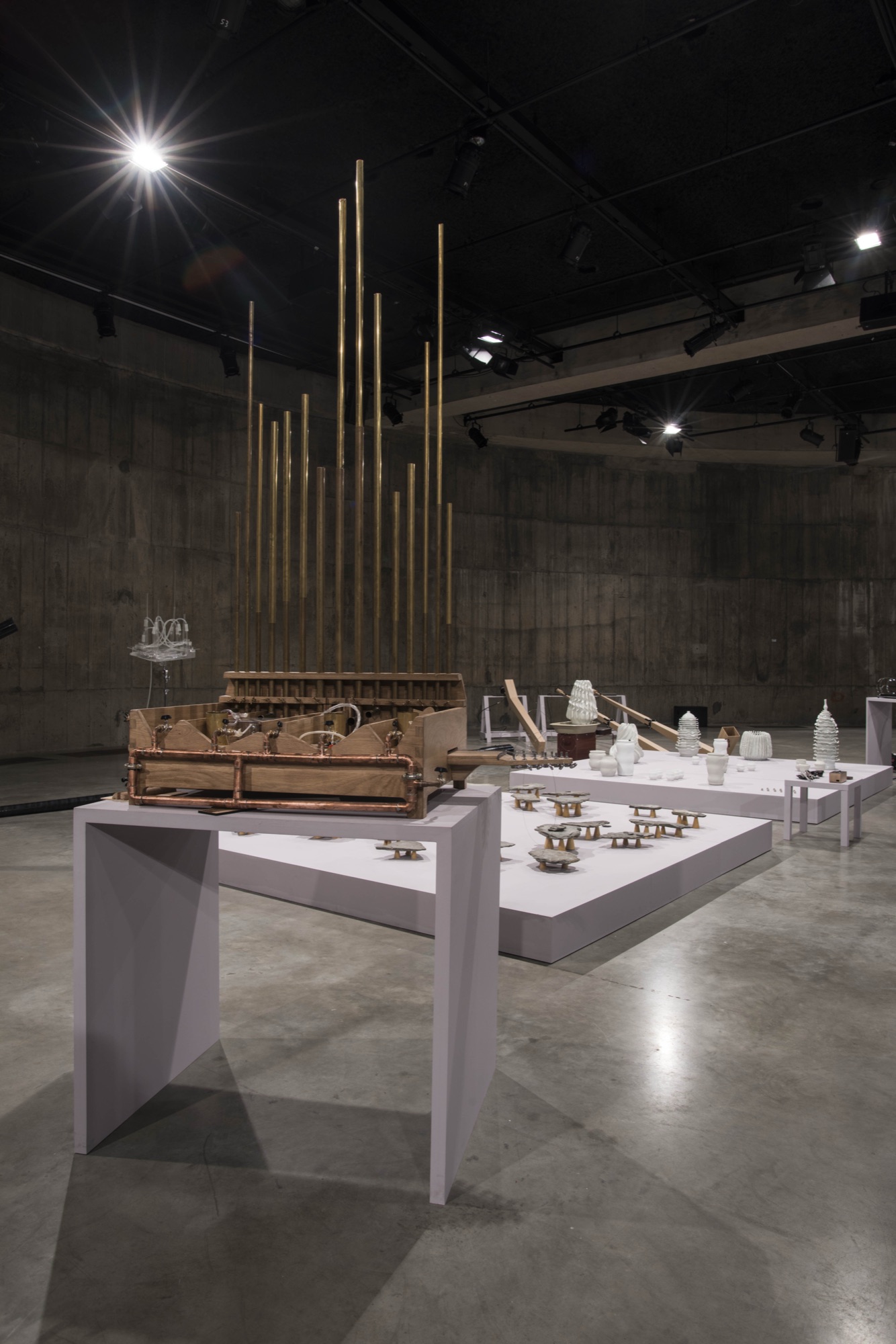
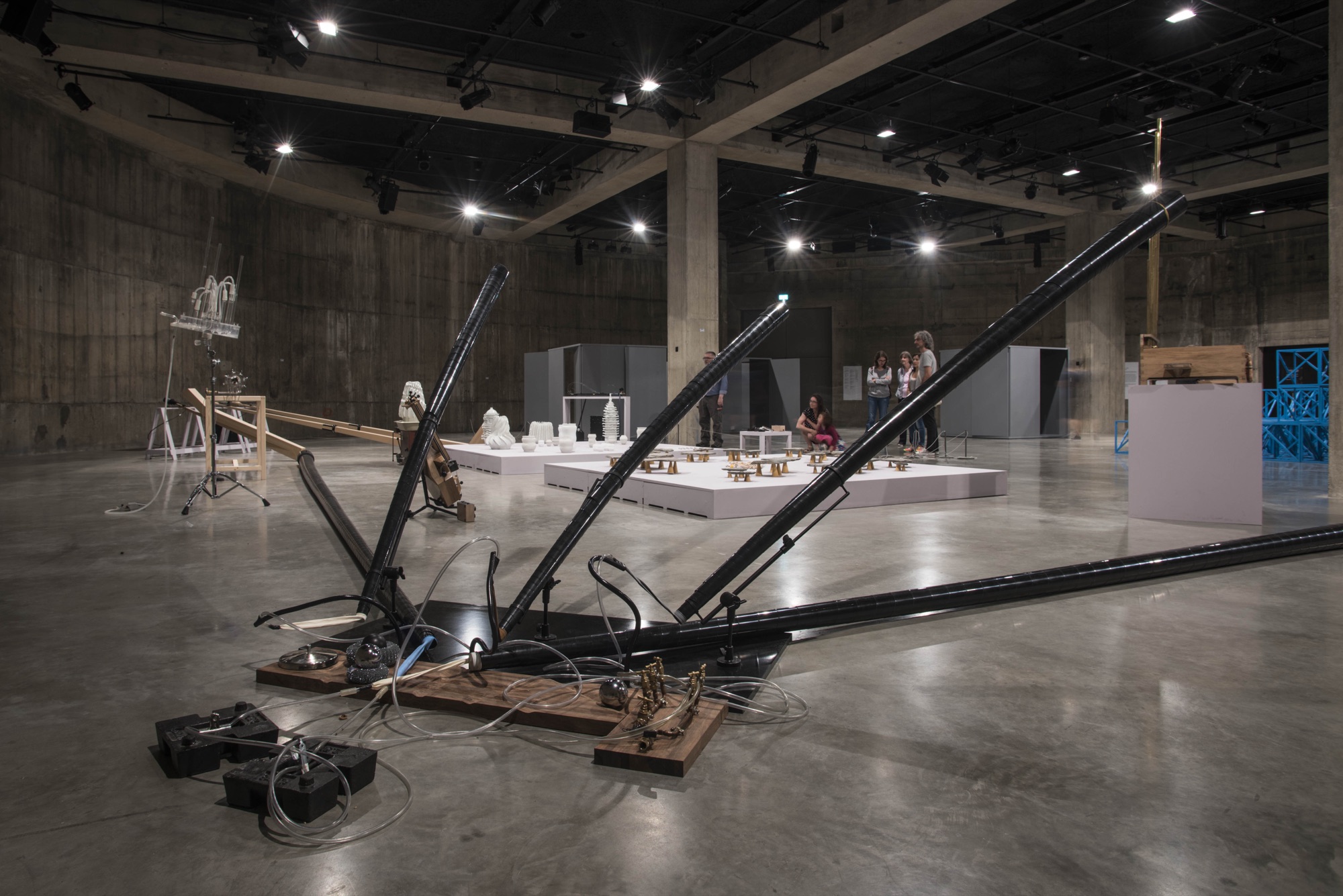
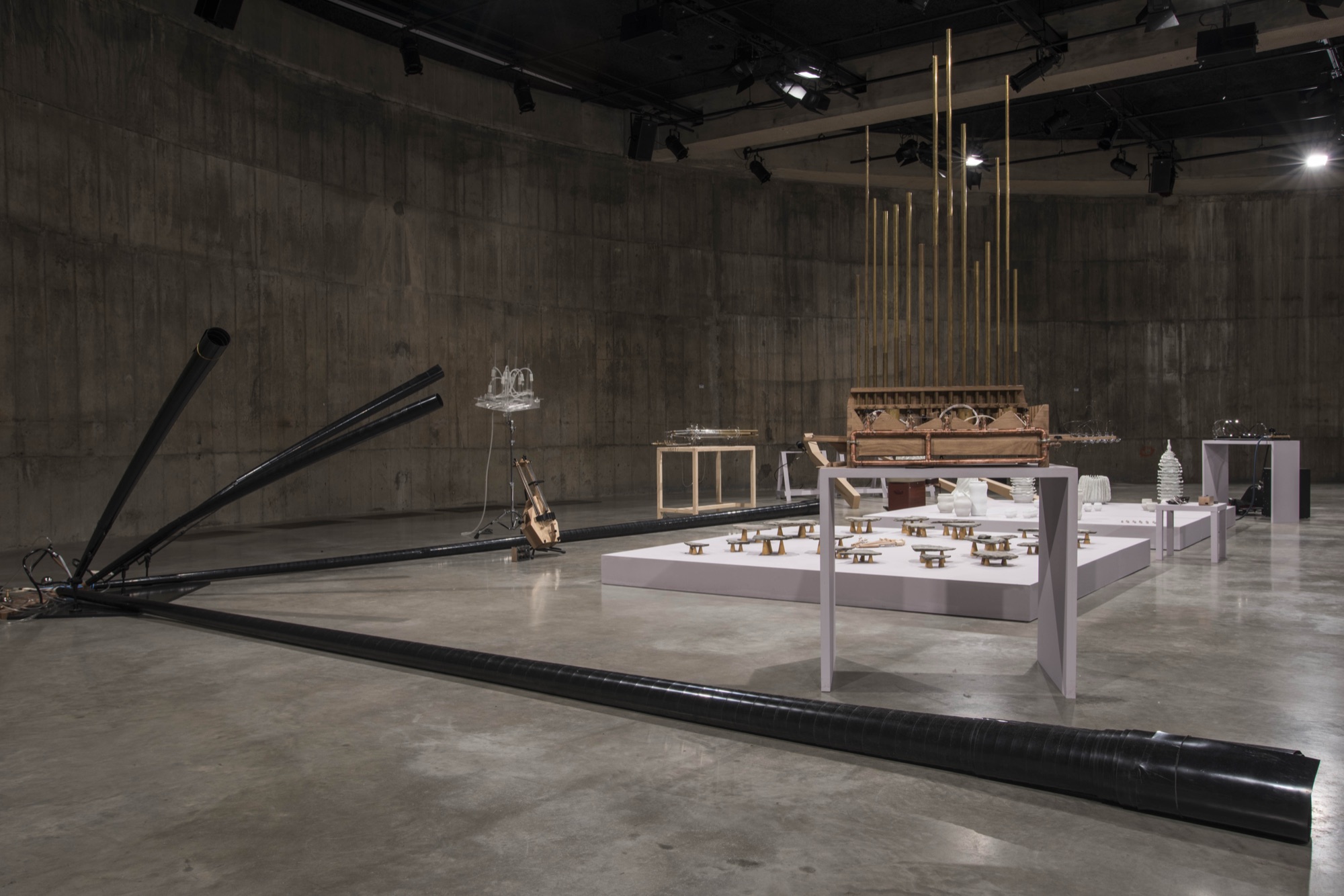
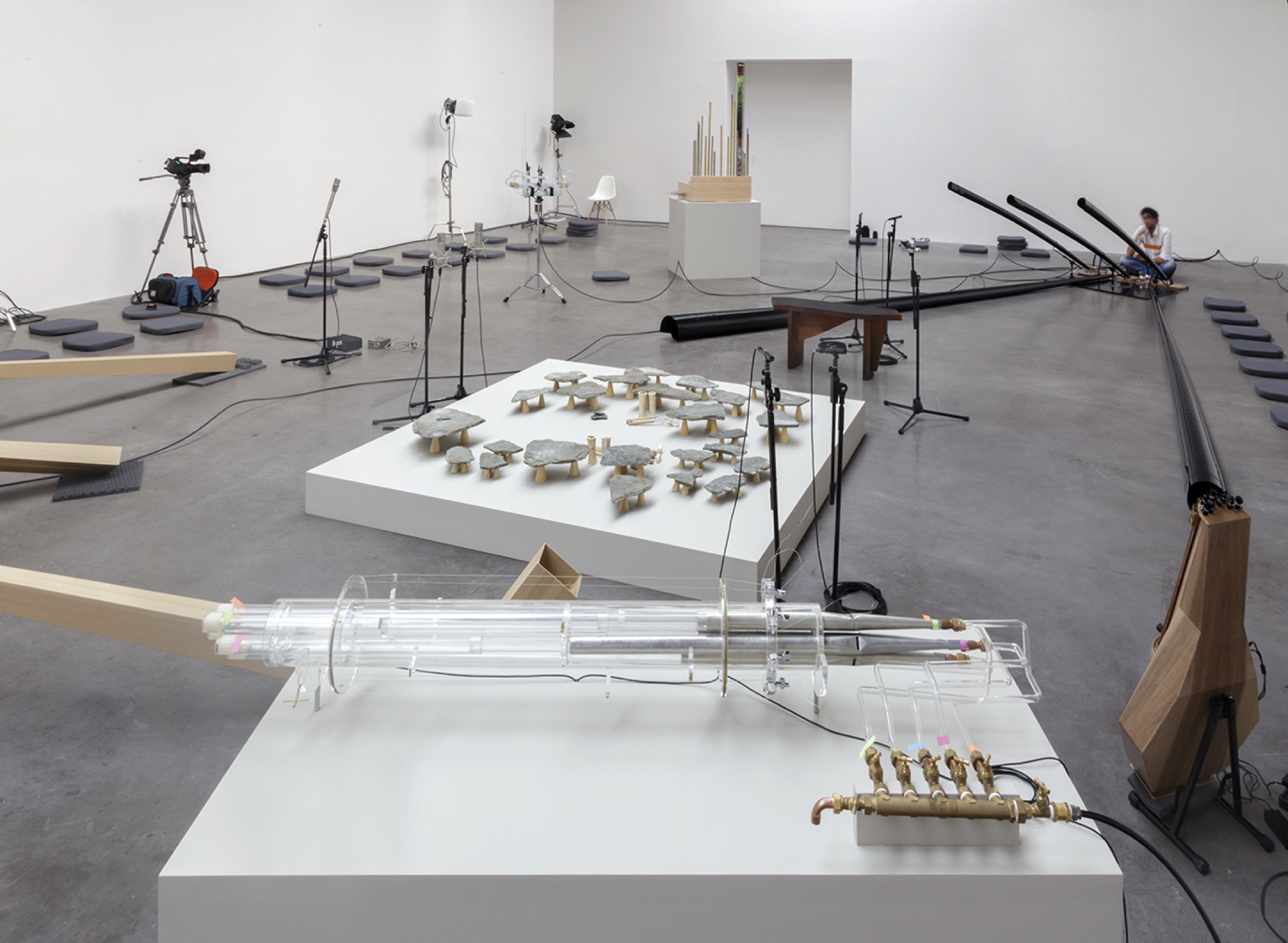
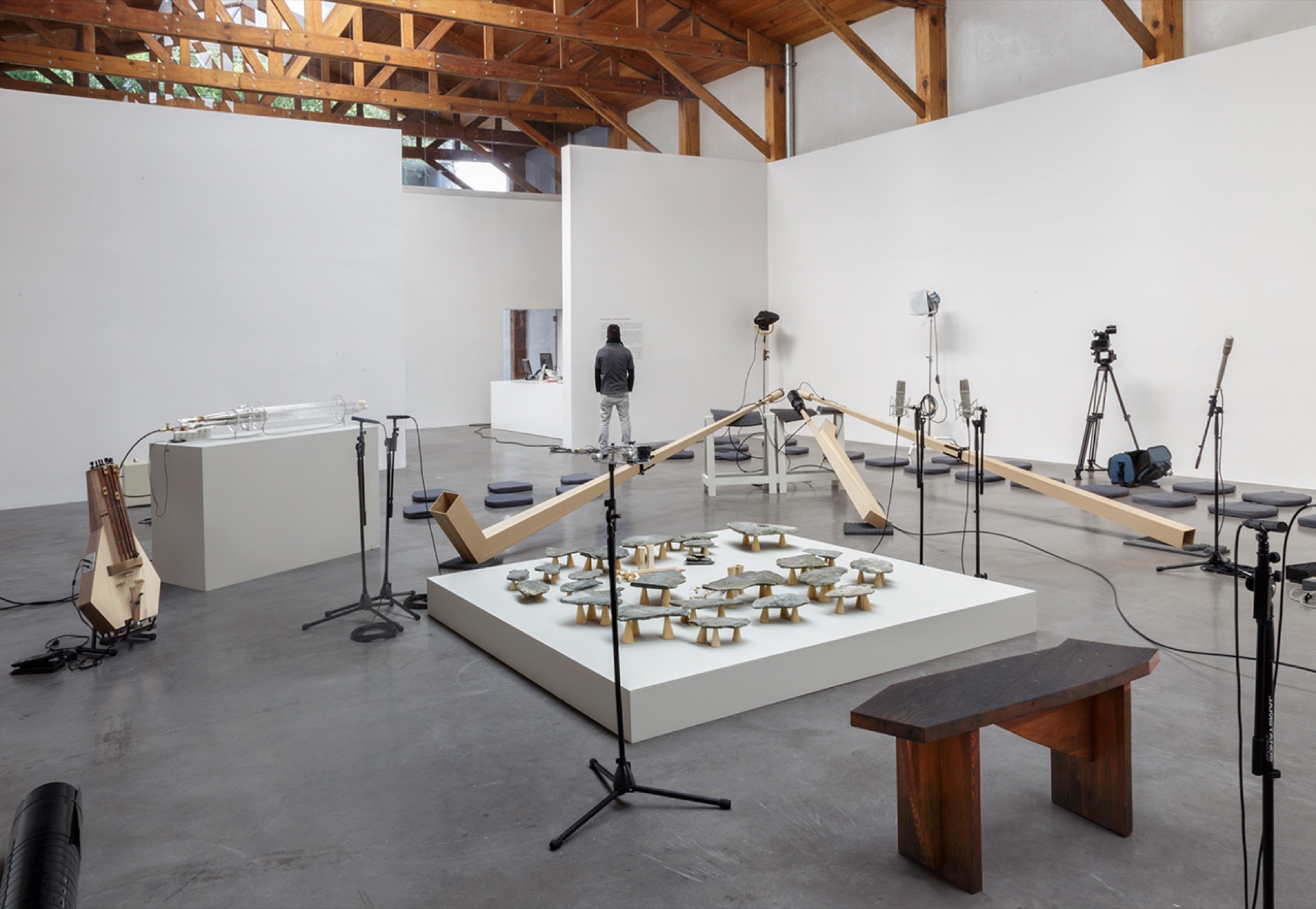
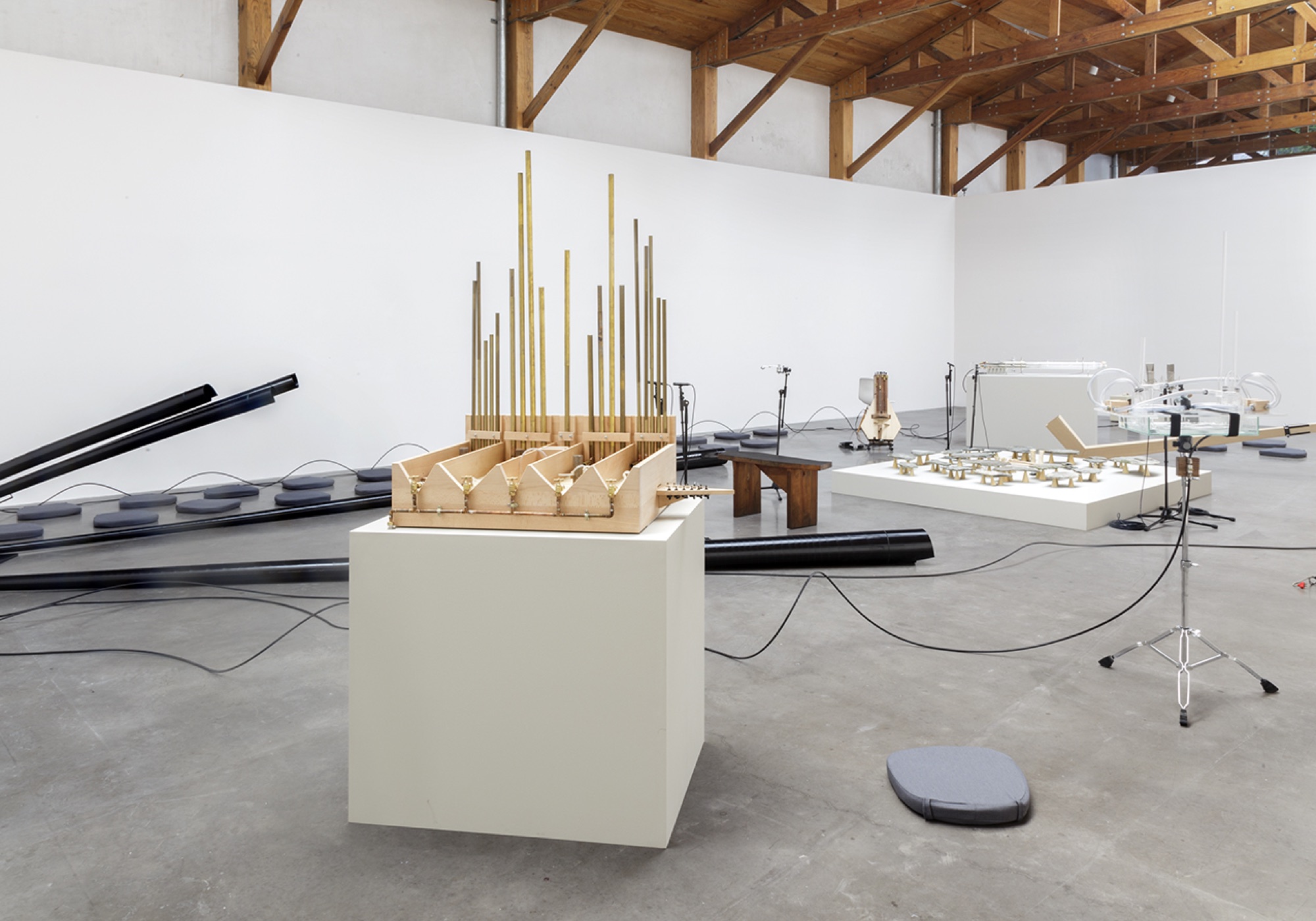
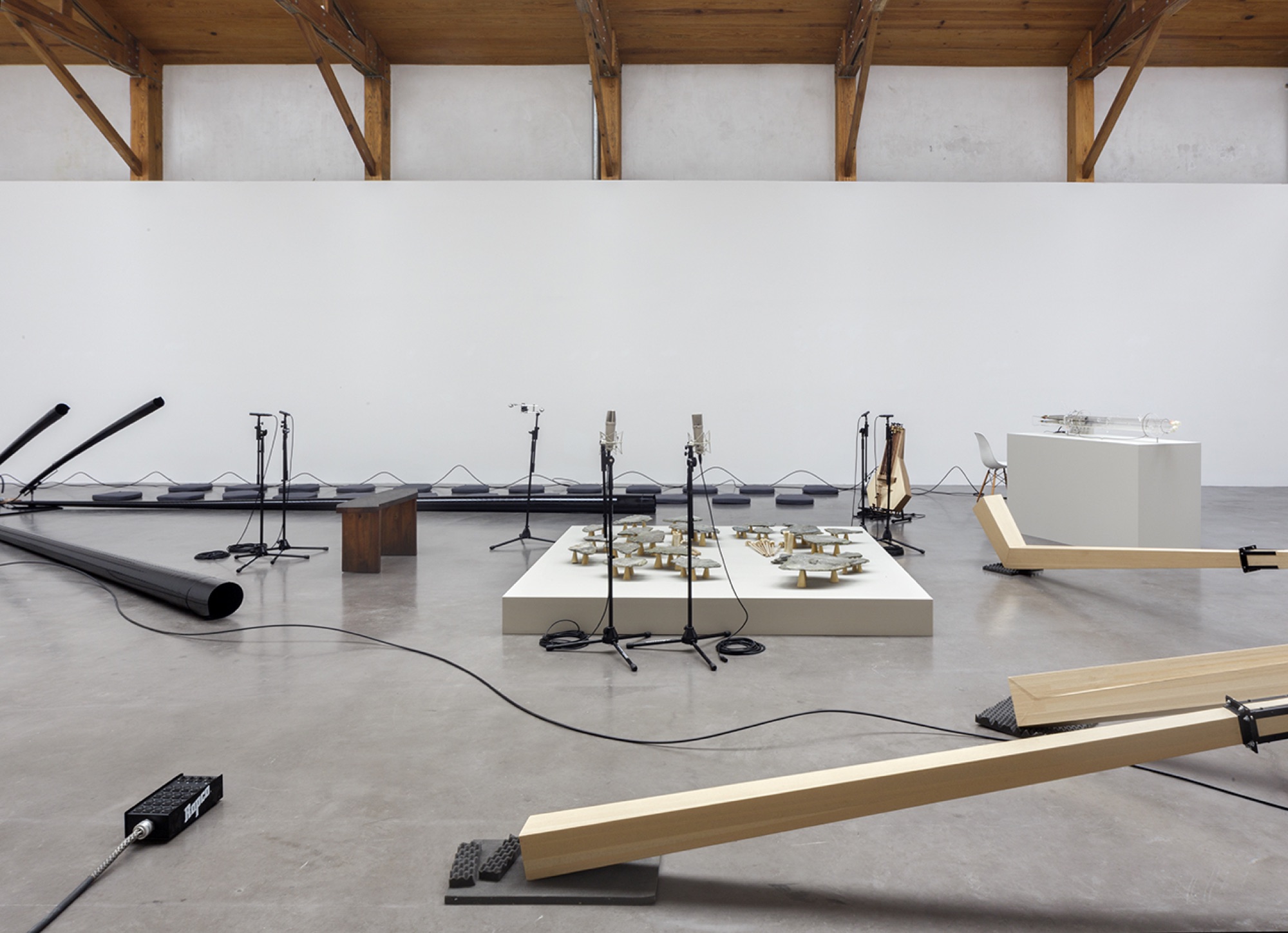
Reversing the order in which instruments are usually created, Tarek Atoui took sounds recorded on the ethnomusicological collection of the Dahlem Museum and asked instrument makers to imagine the instruments that could have produced them. The Reverse Collection is the third part of the triptych consisting of The Dahlem Sessions (Berlin, 2014), The Reverse Sessions (Mexico City, 2014) and The Reverse Collection (London, 2016).
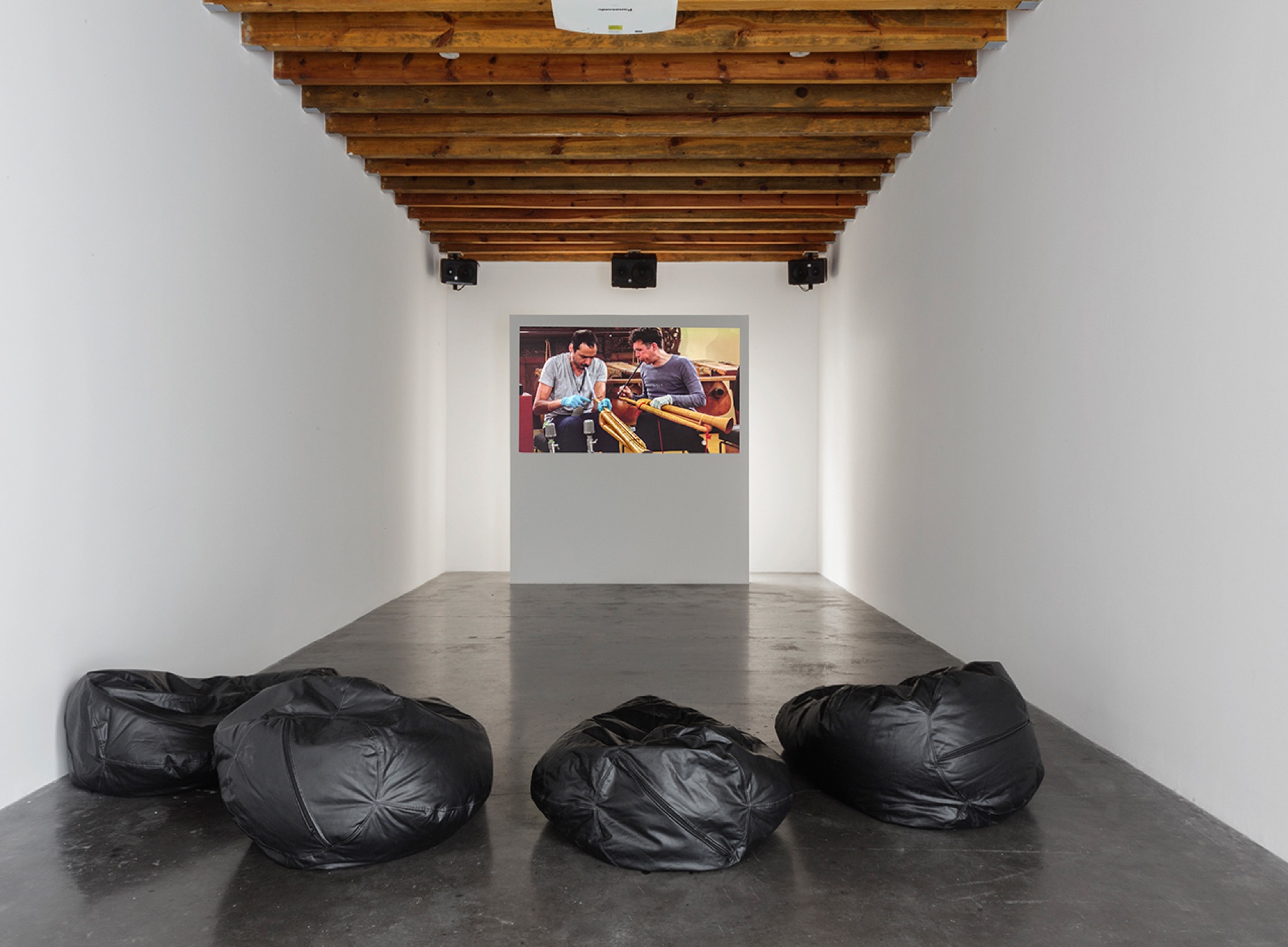
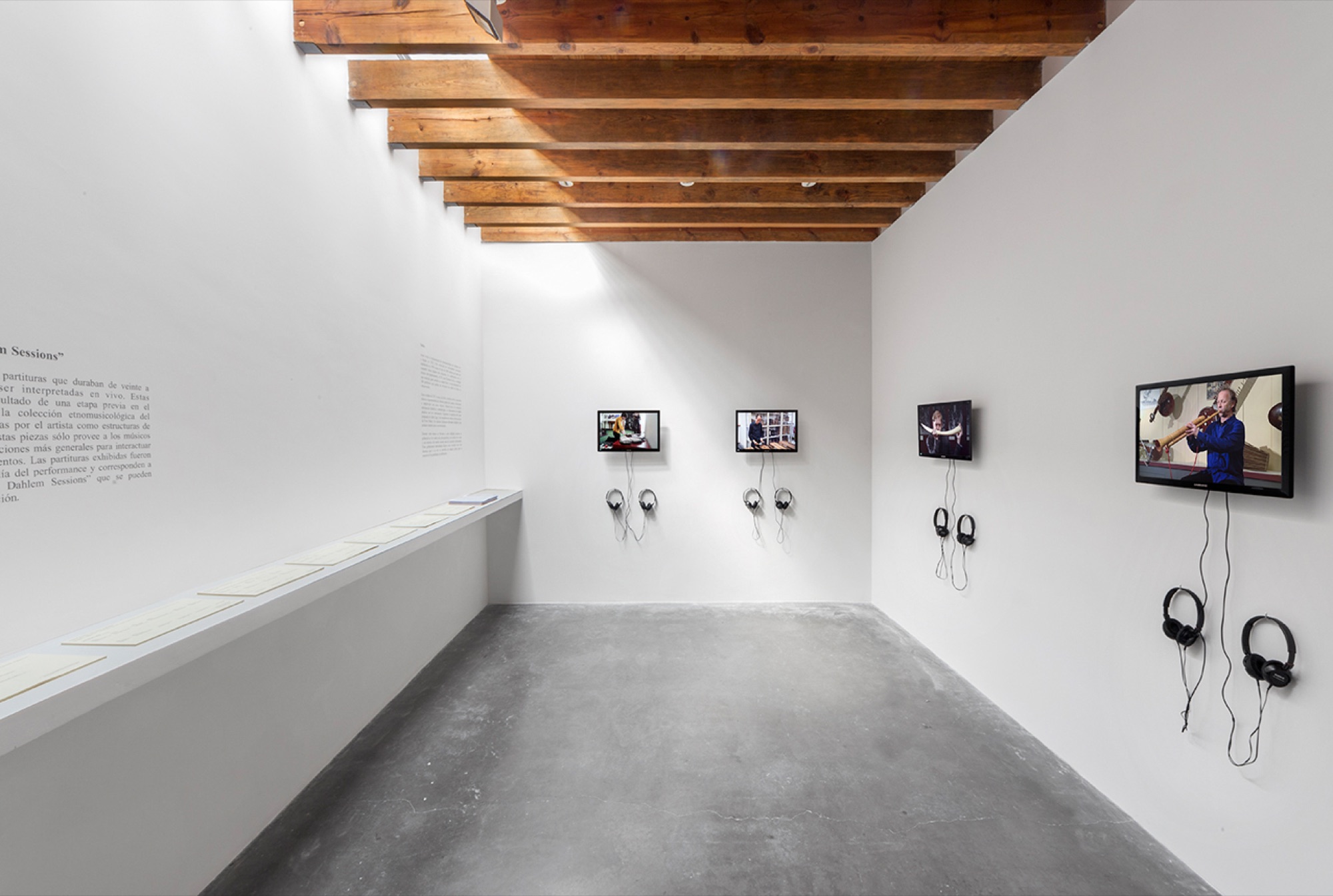
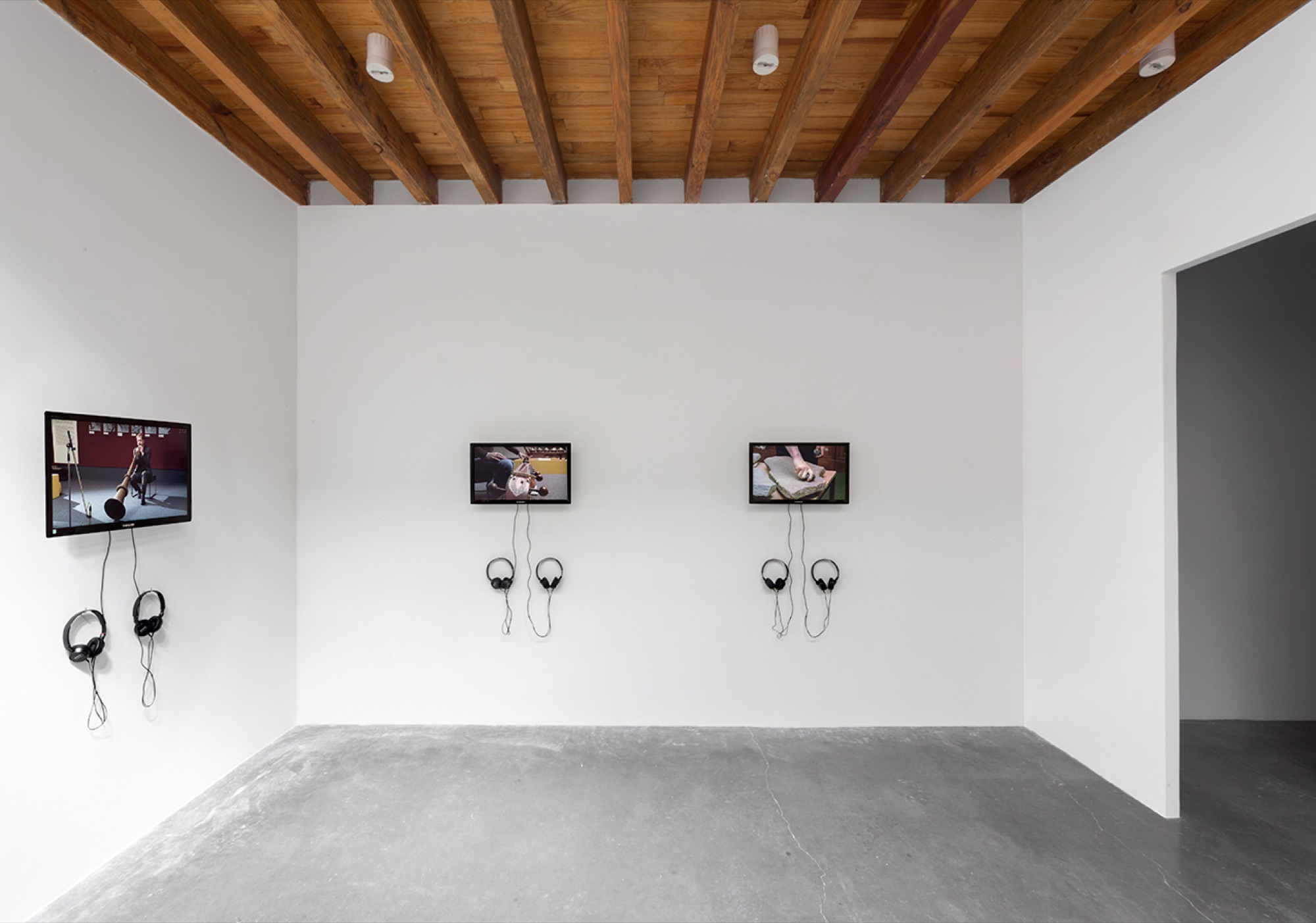
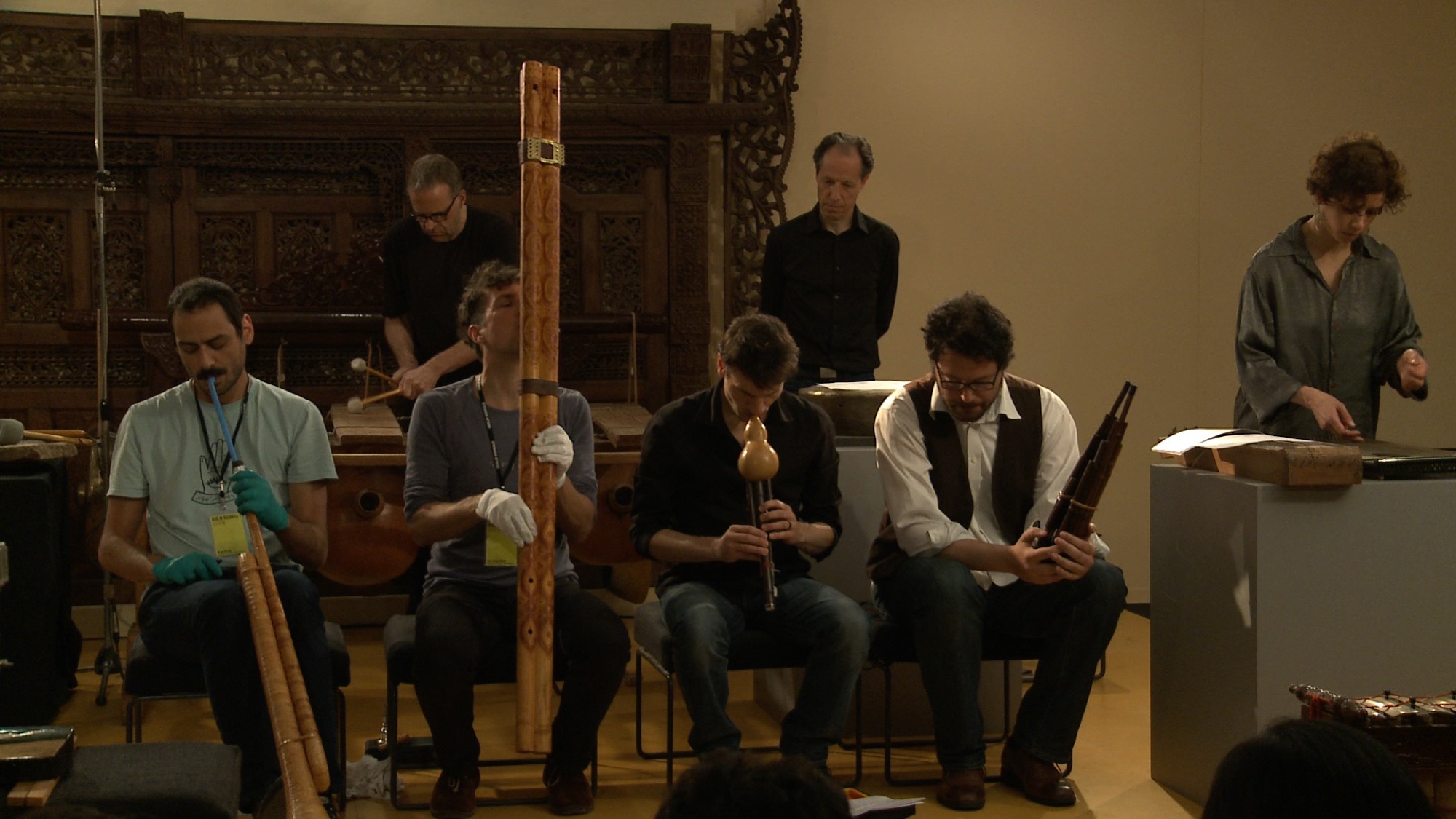
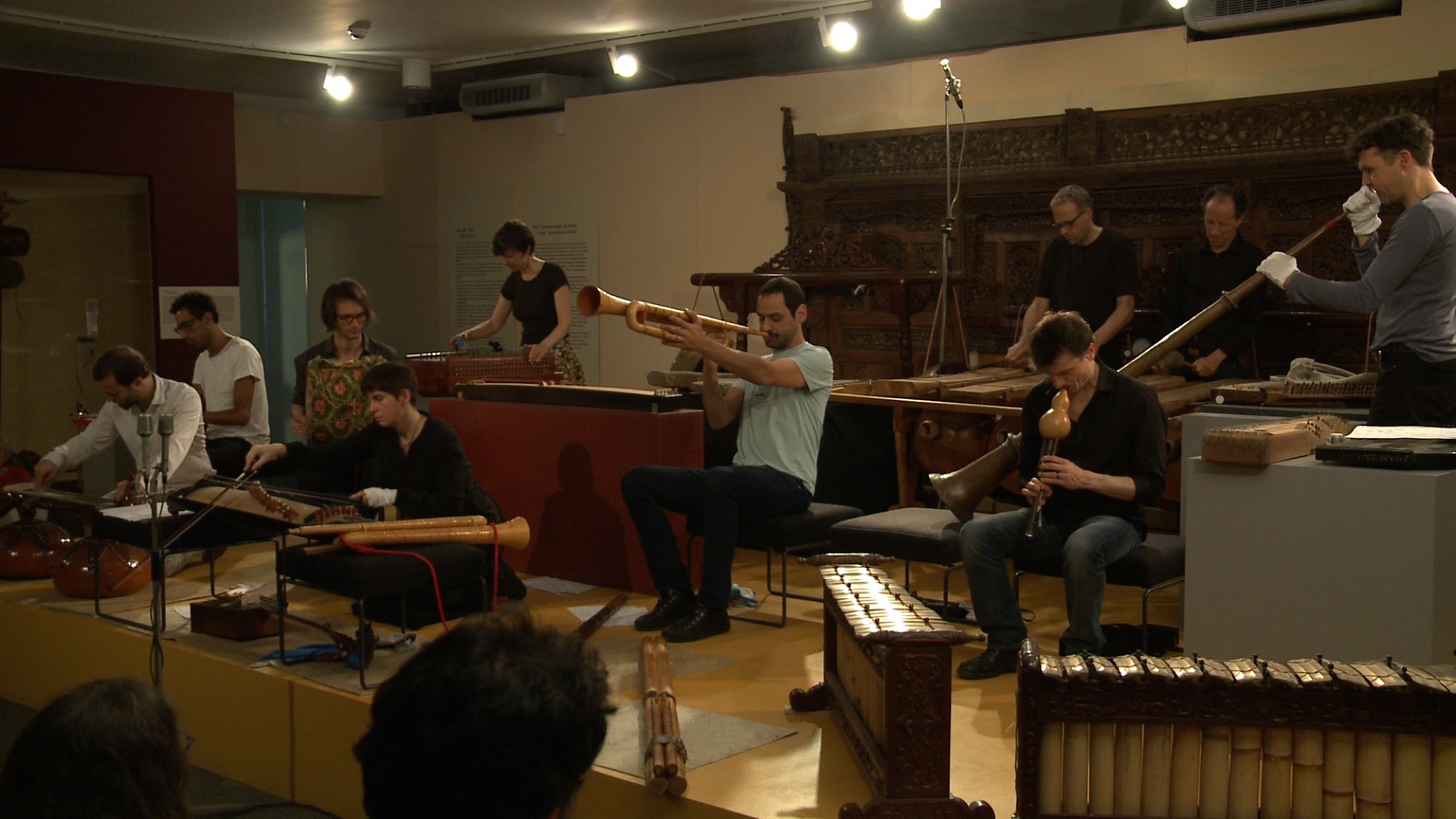
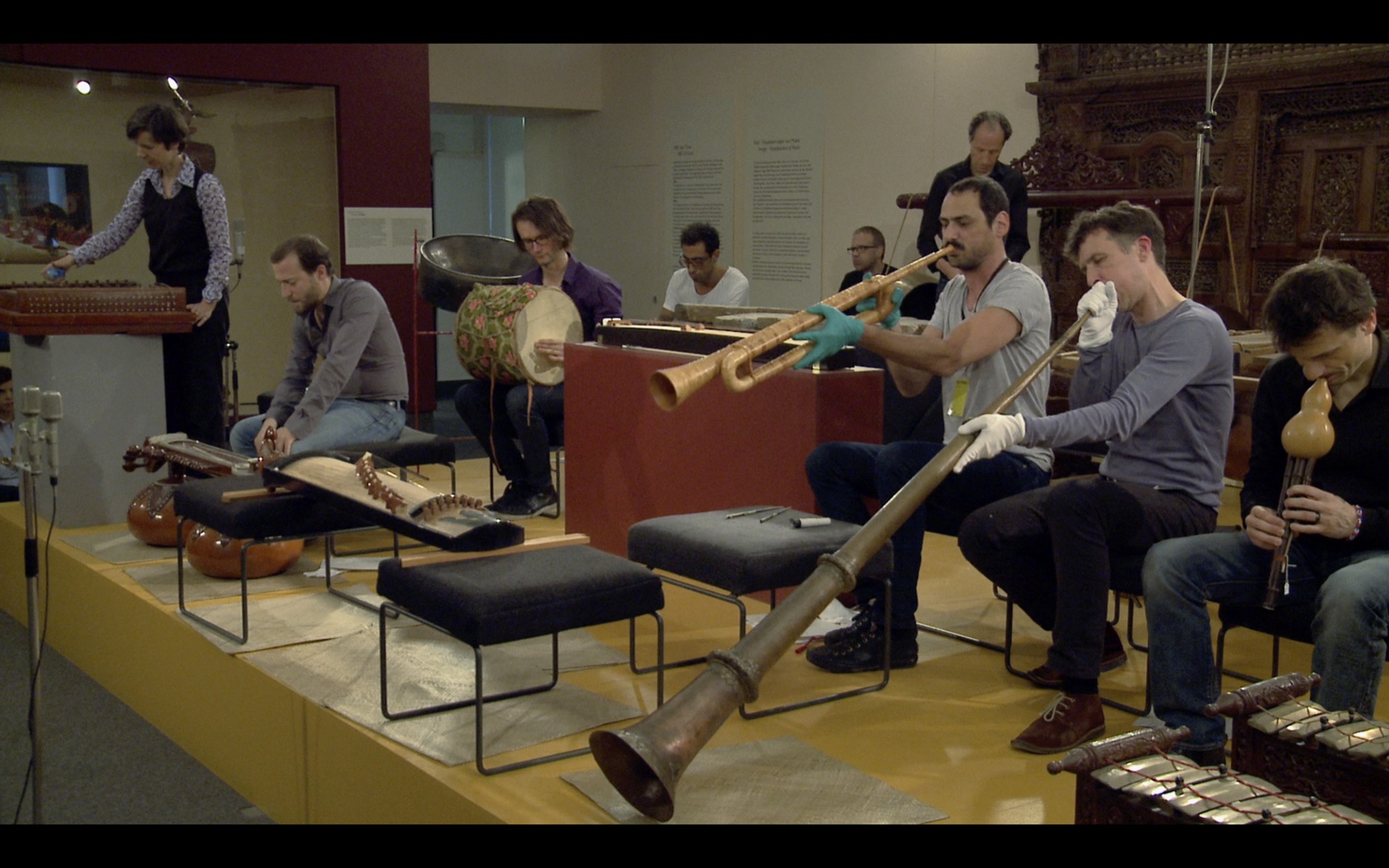
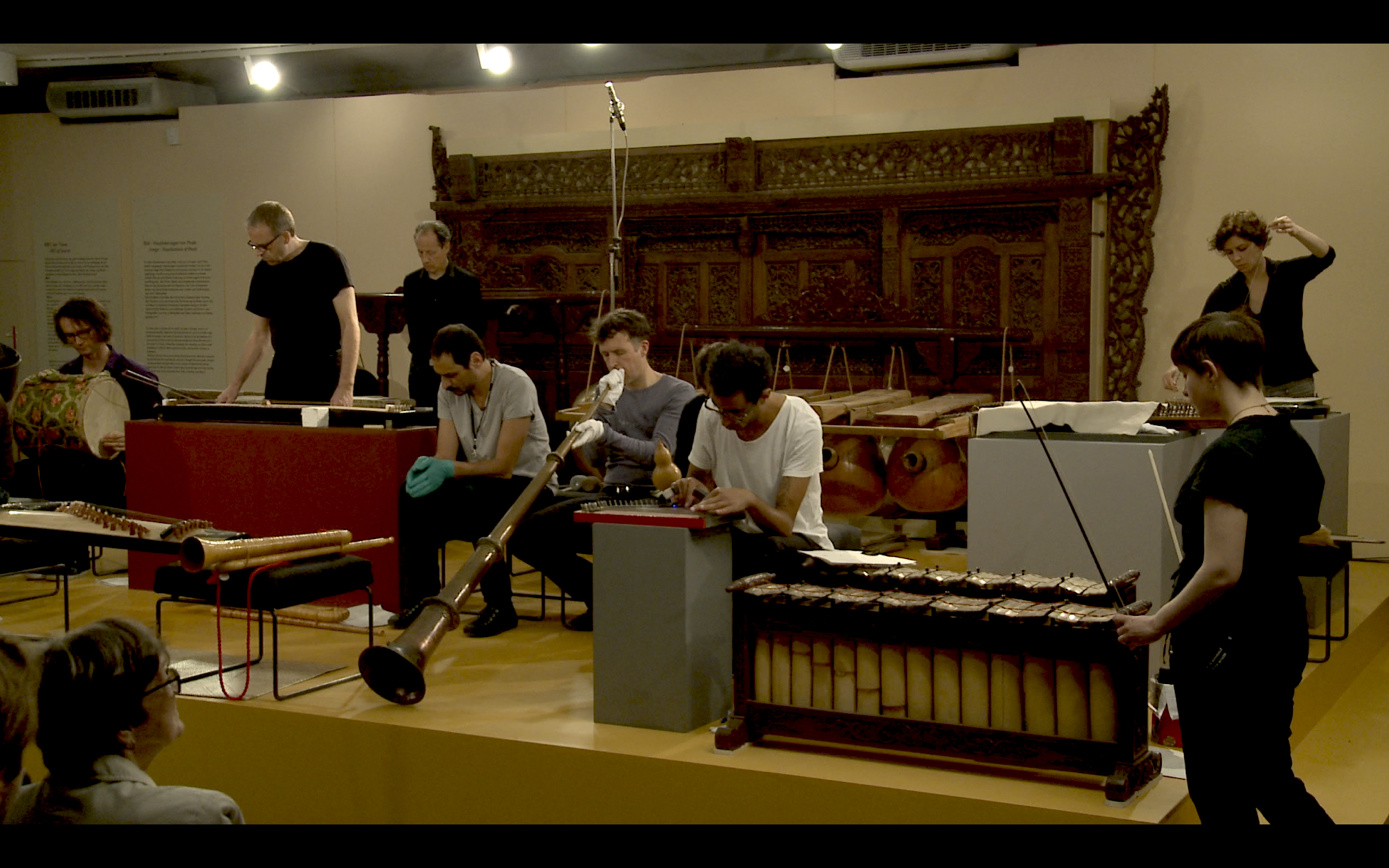
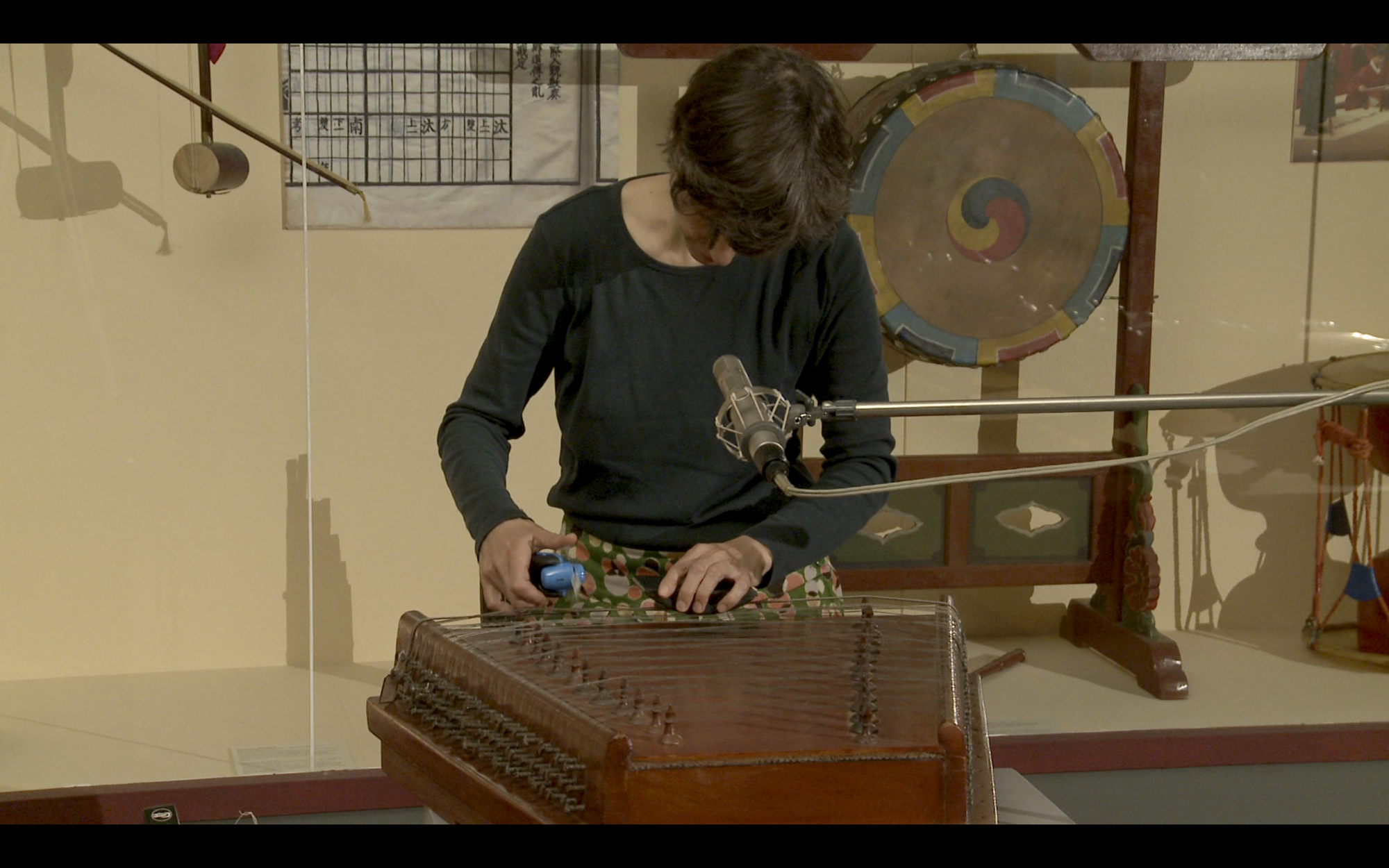
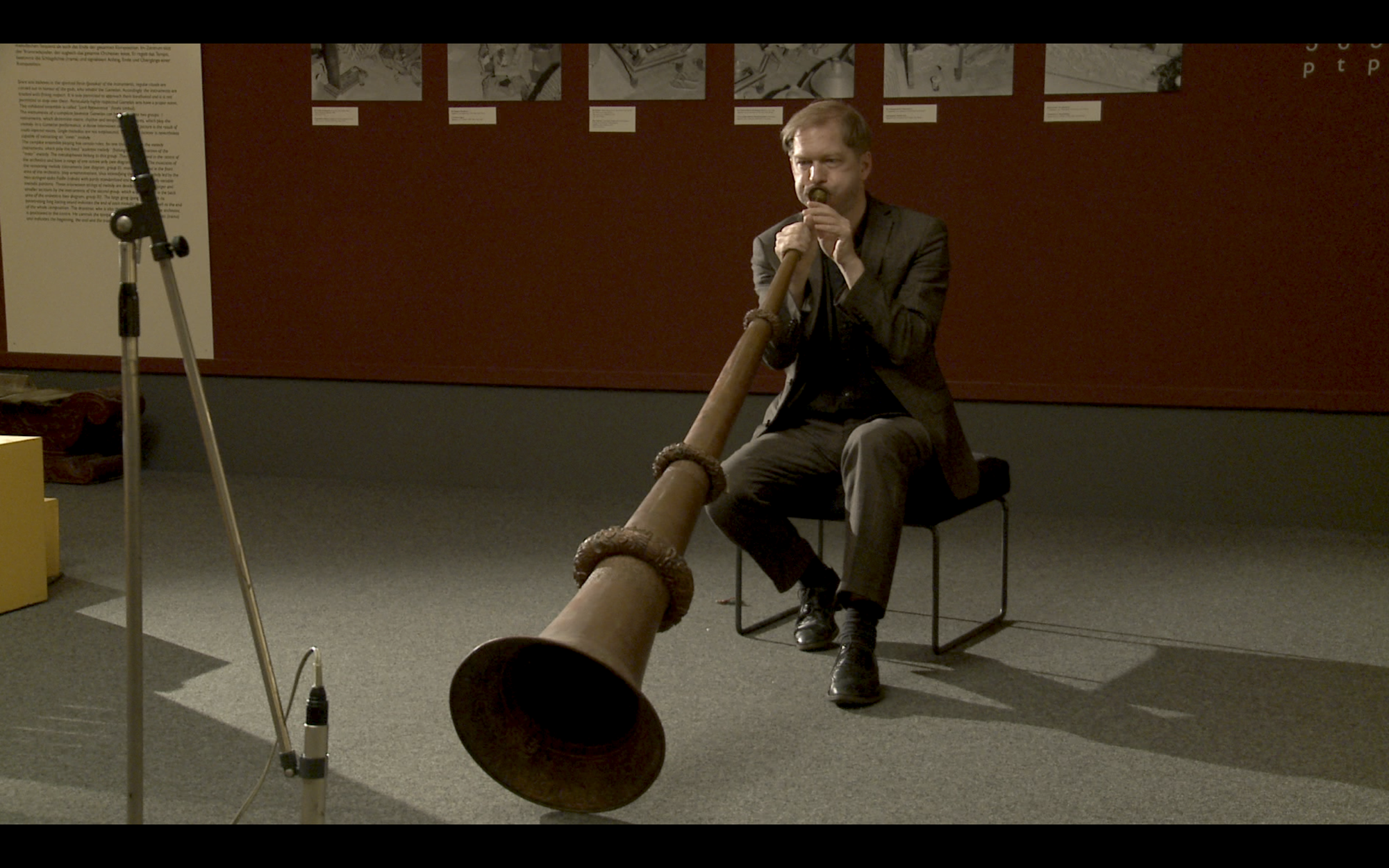
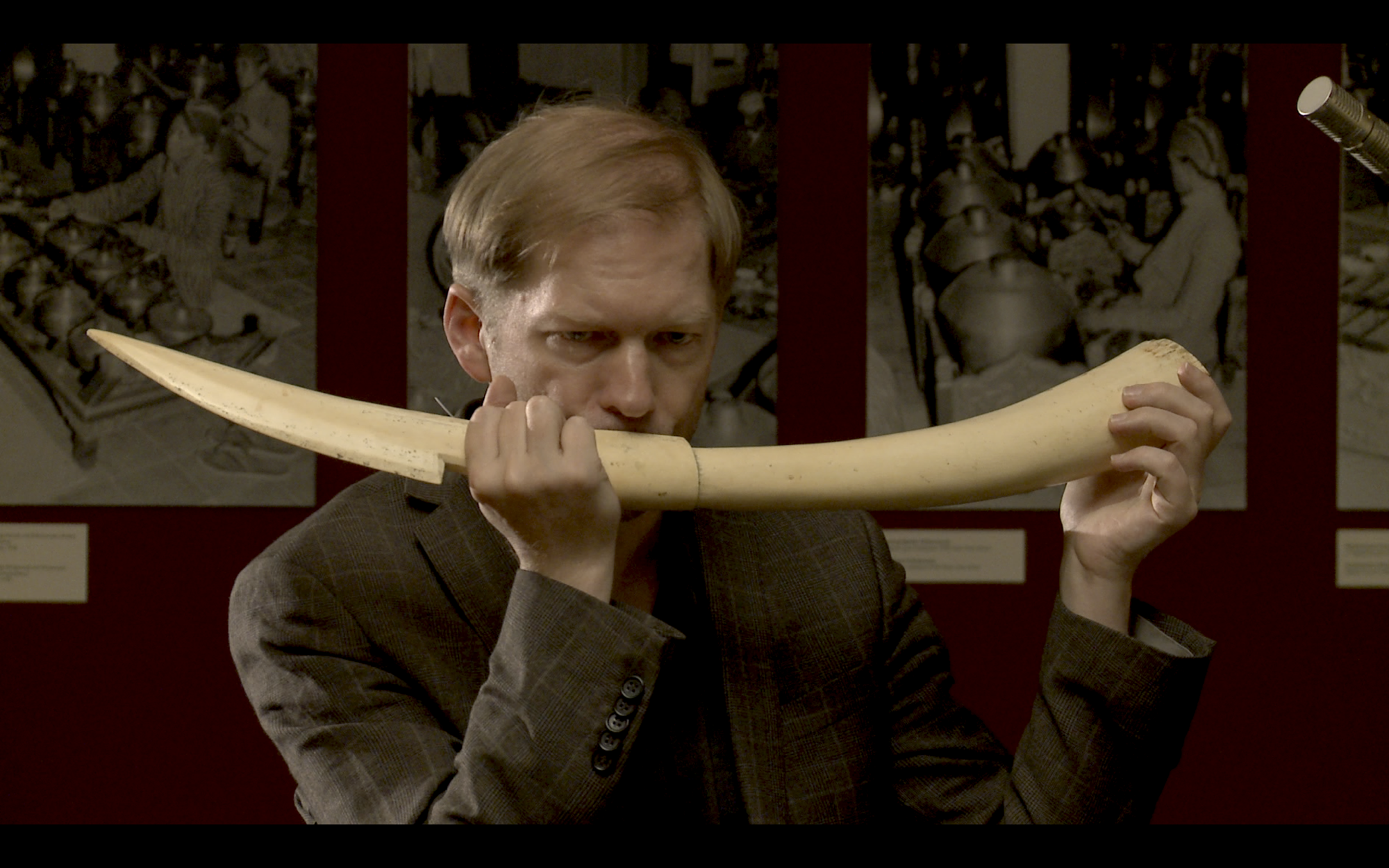
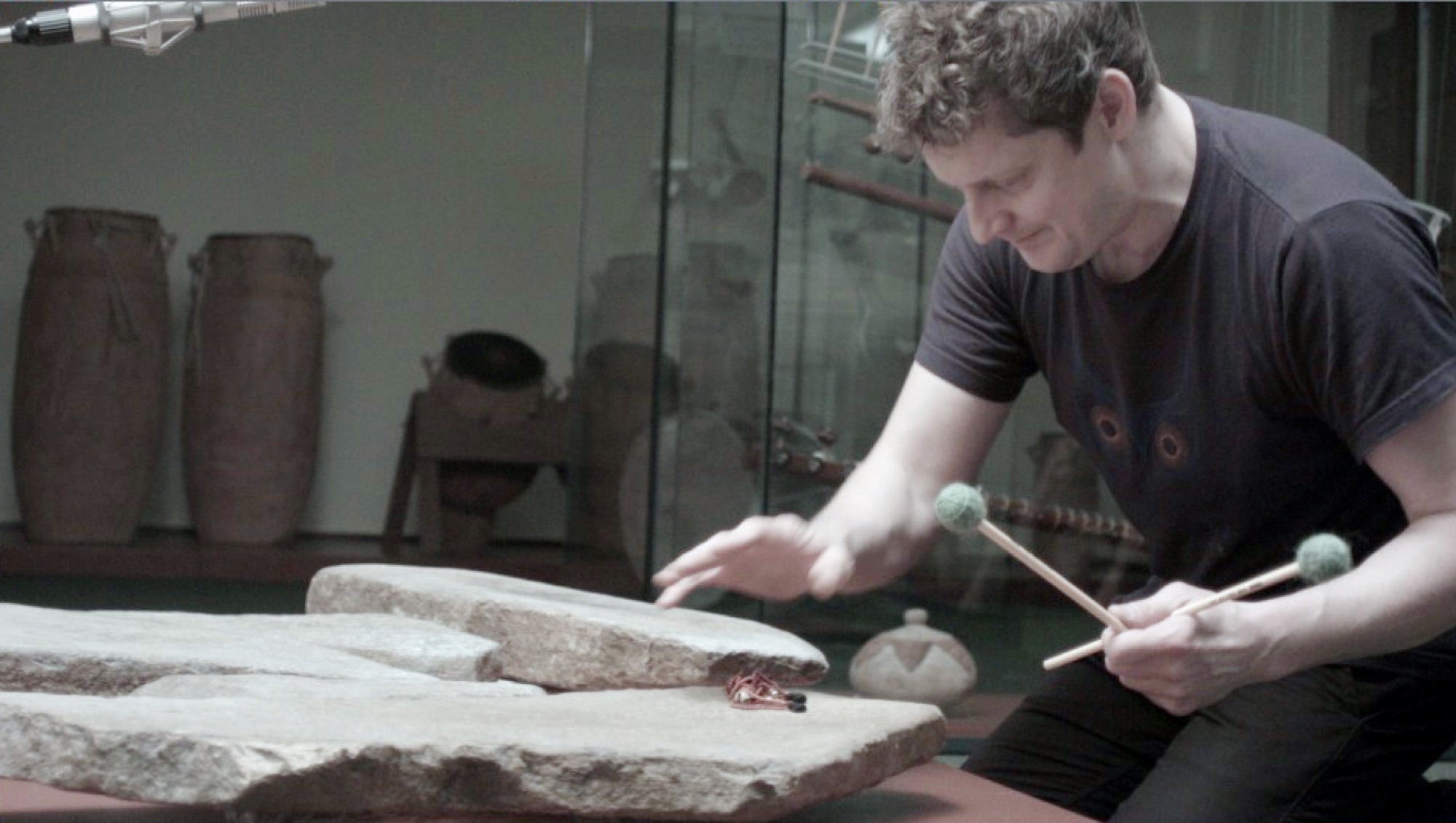
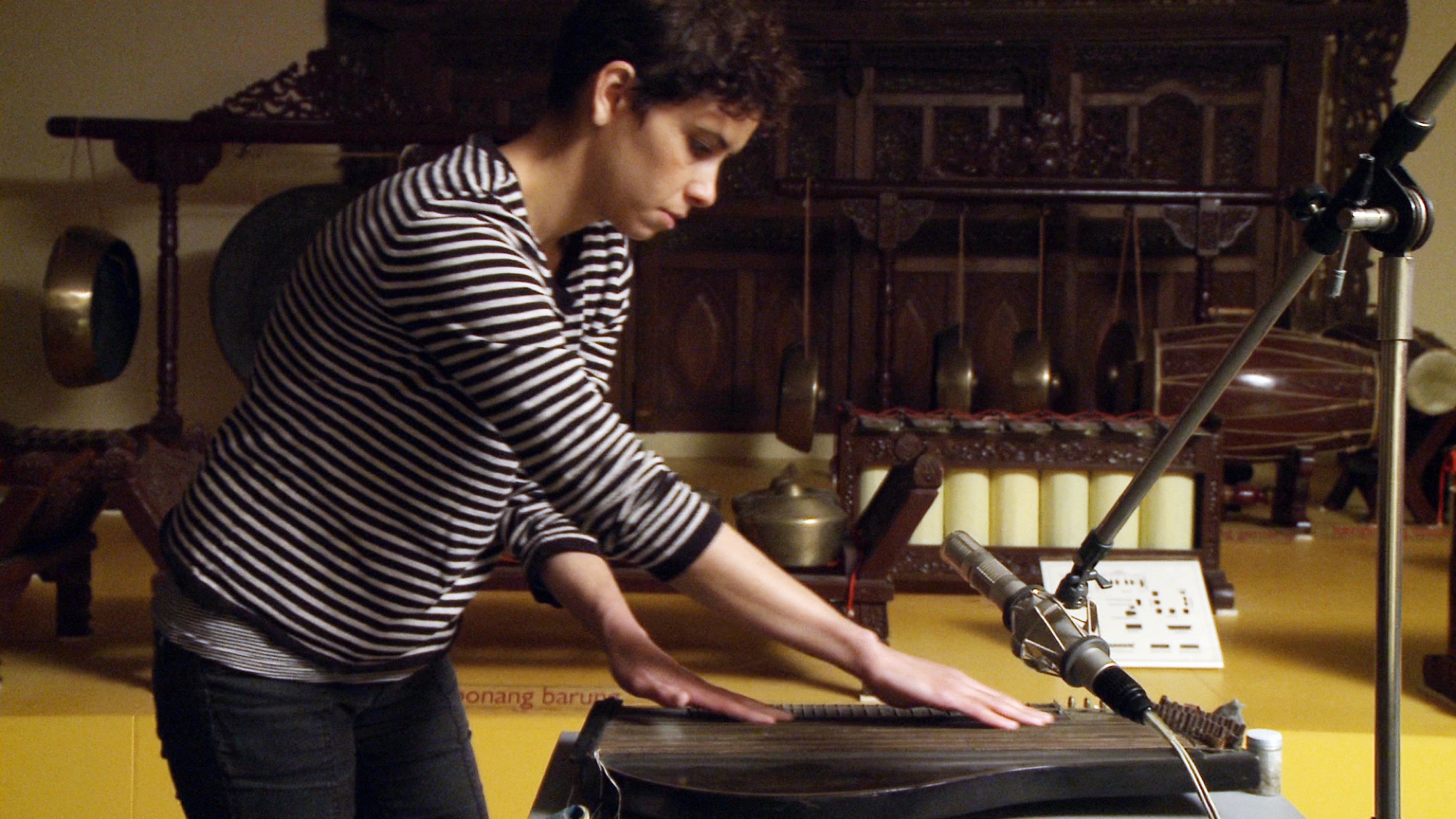
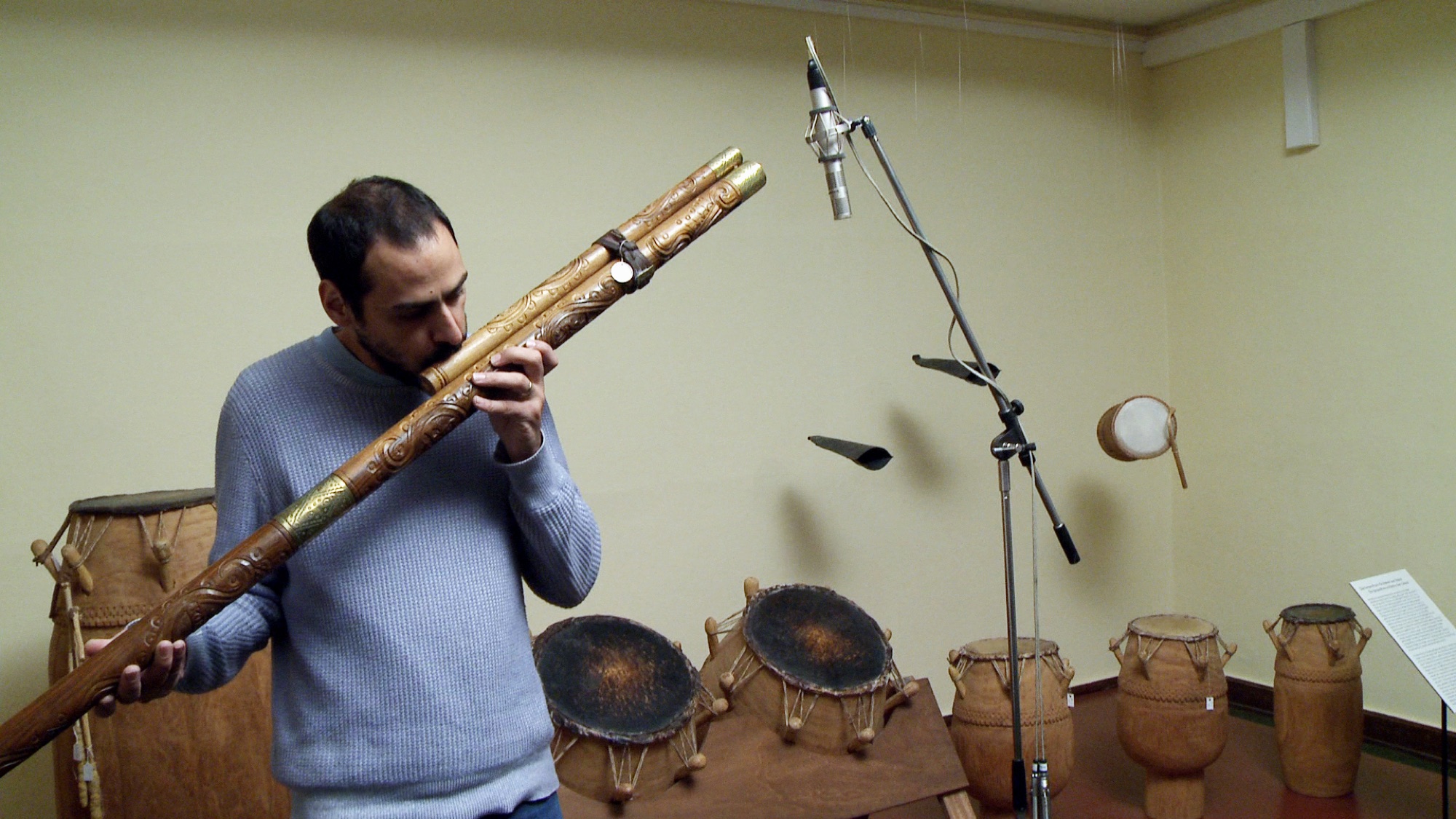
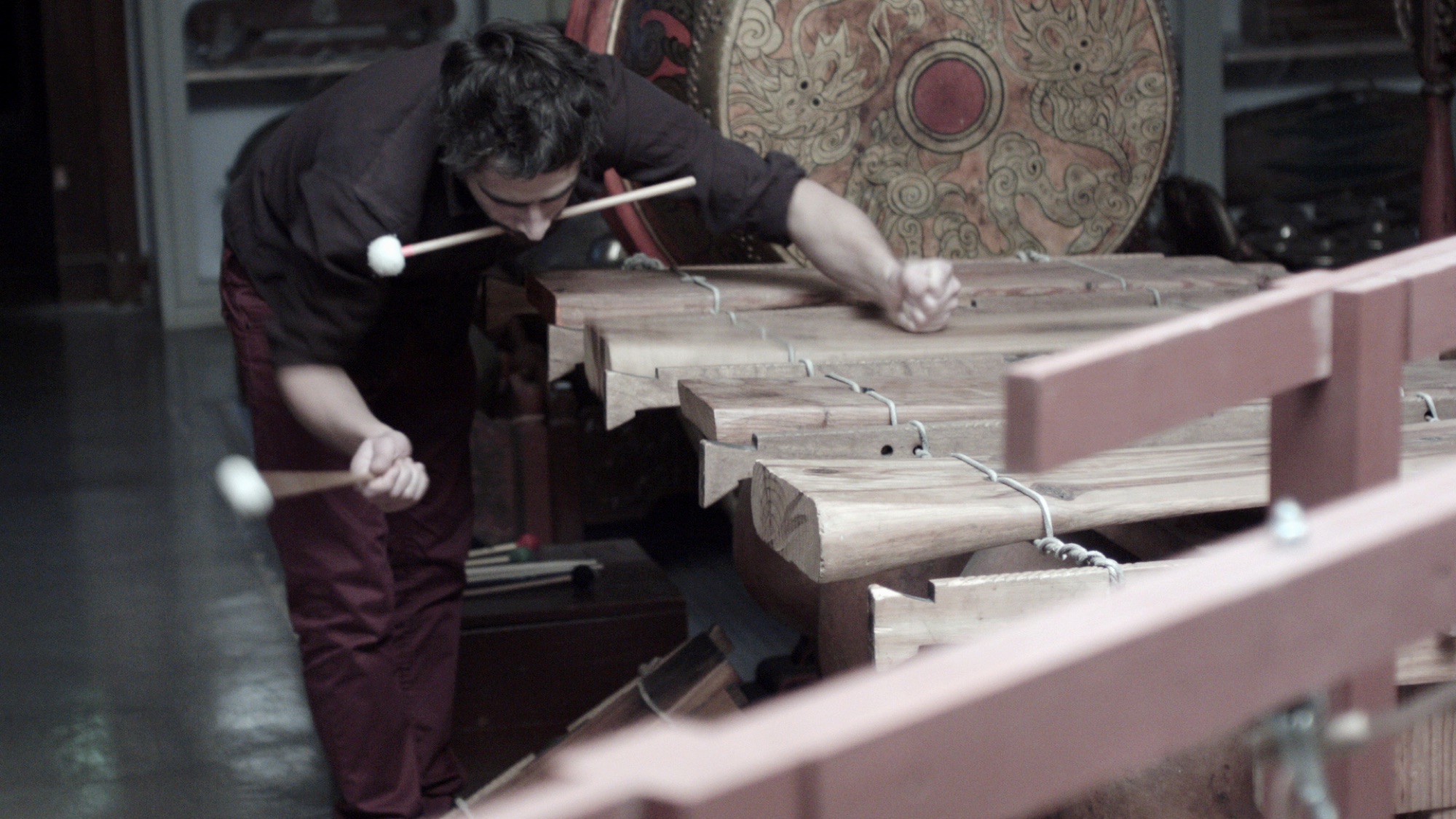
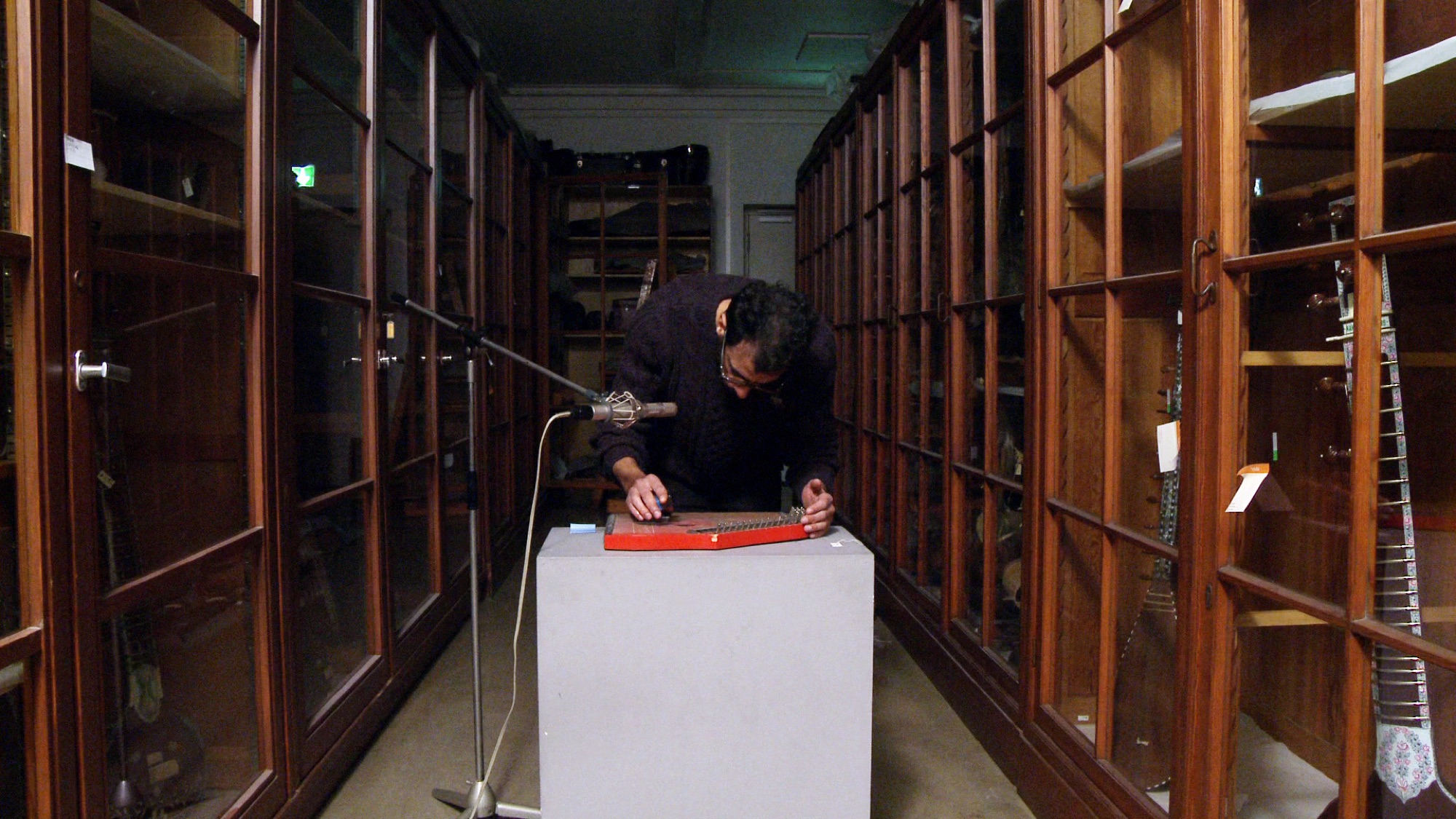
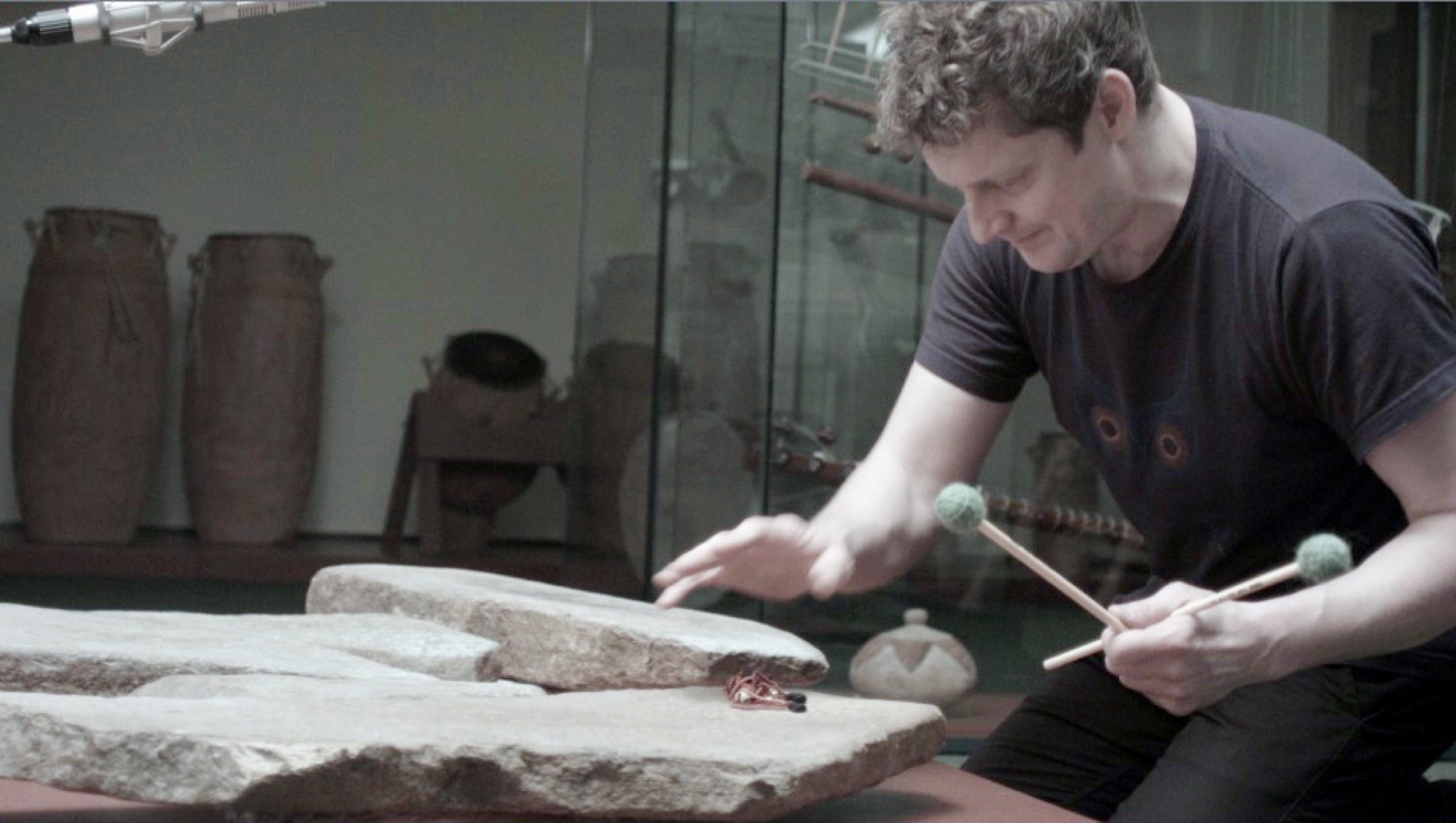
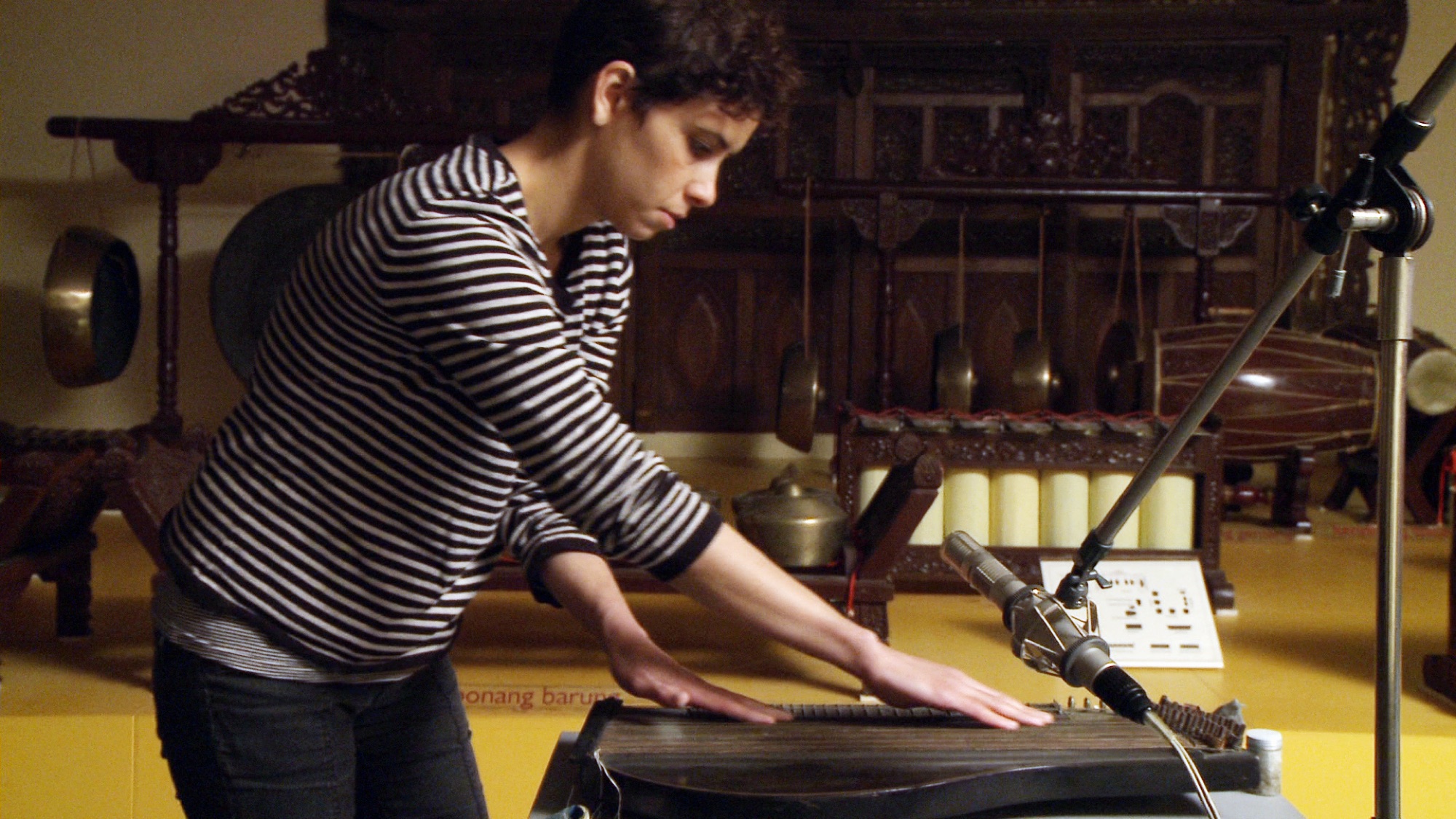
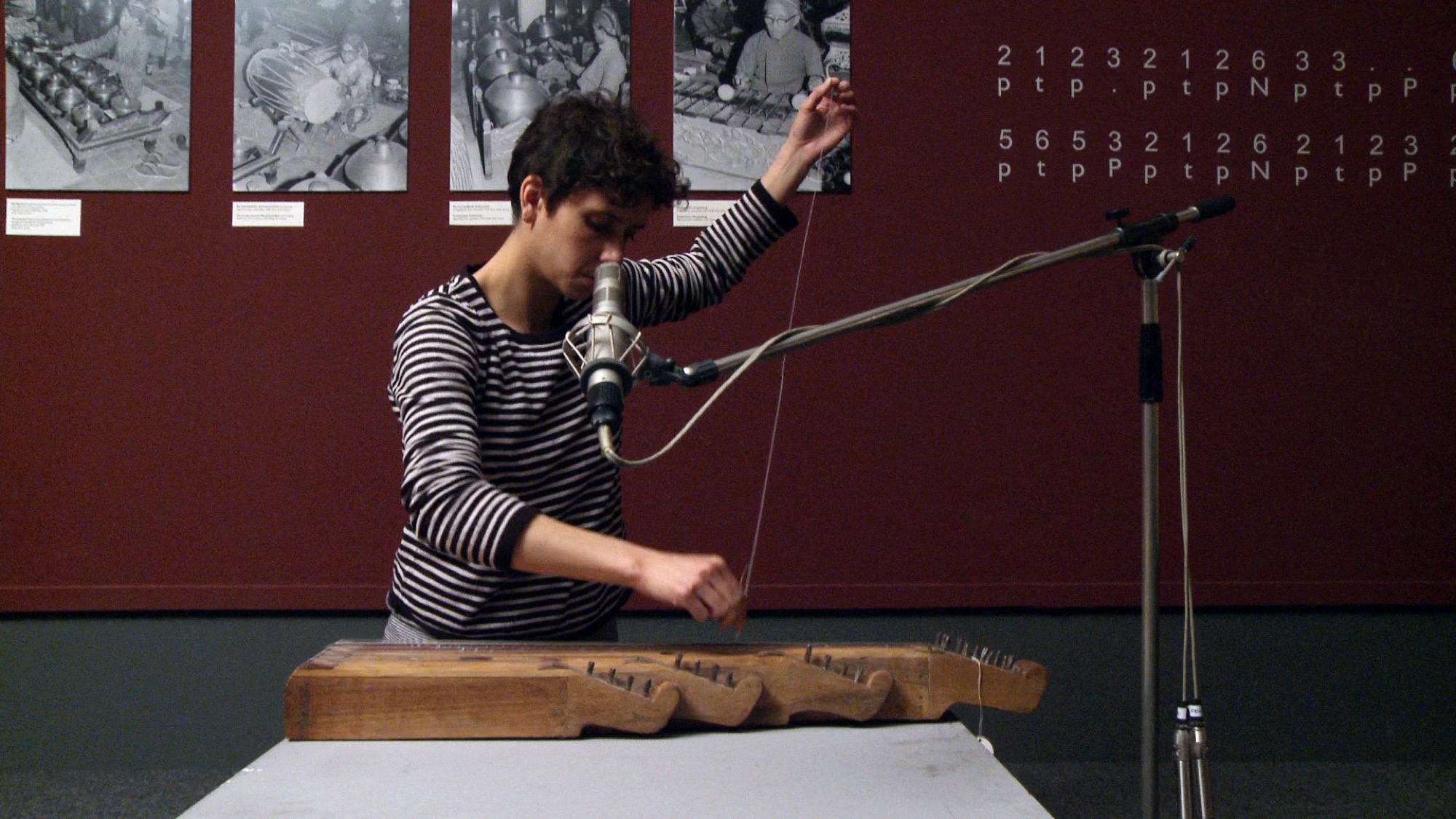
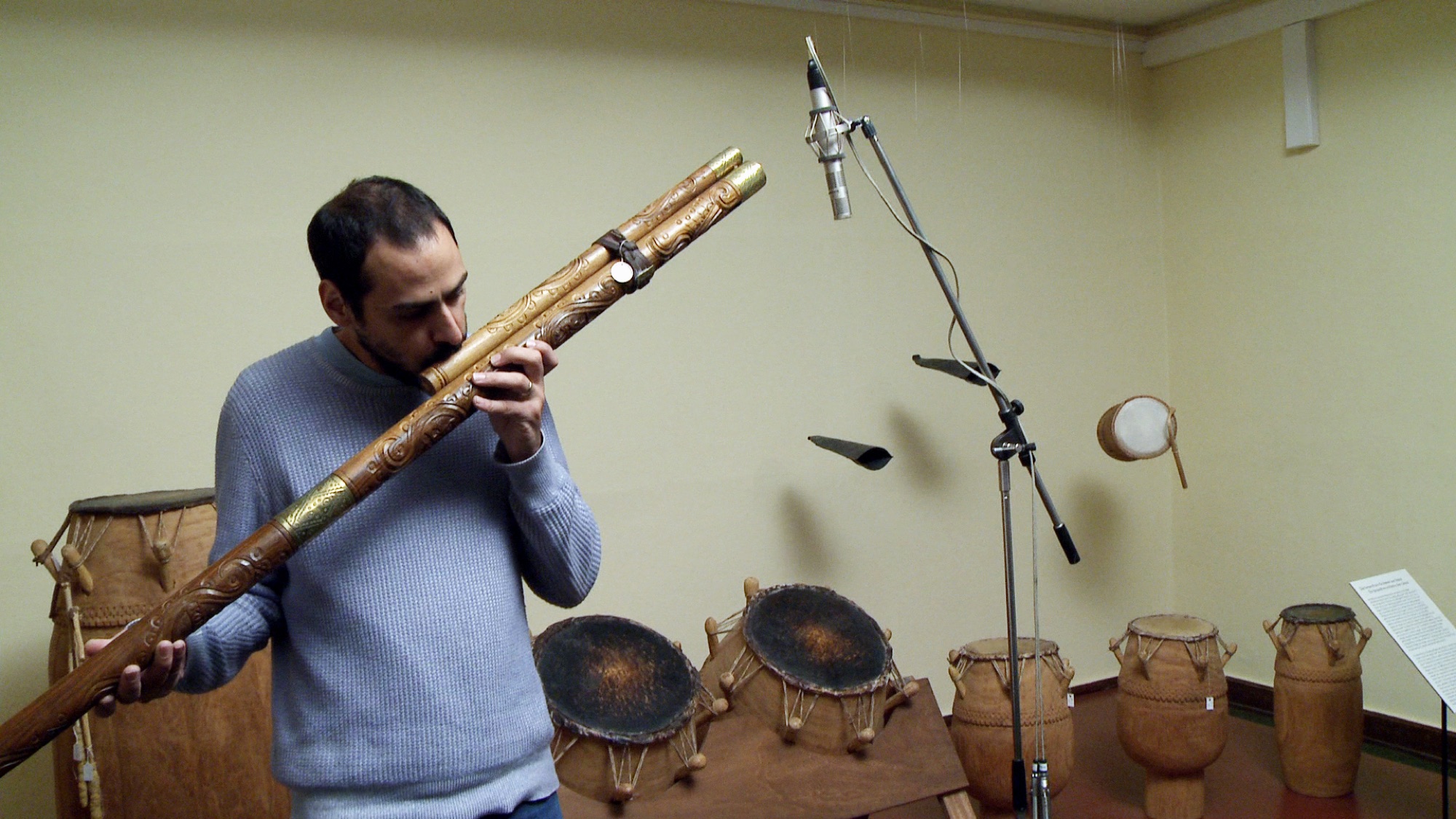
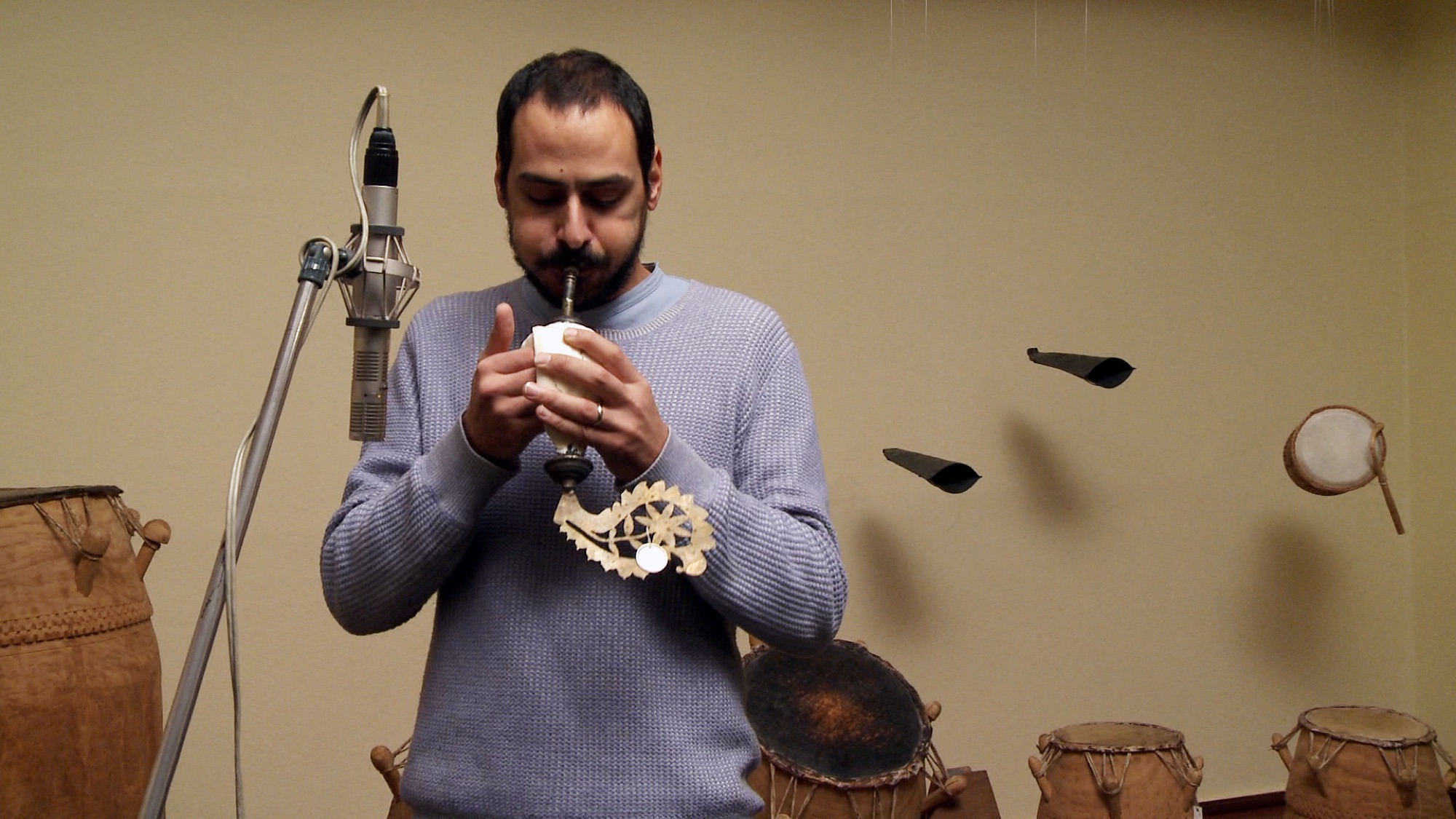
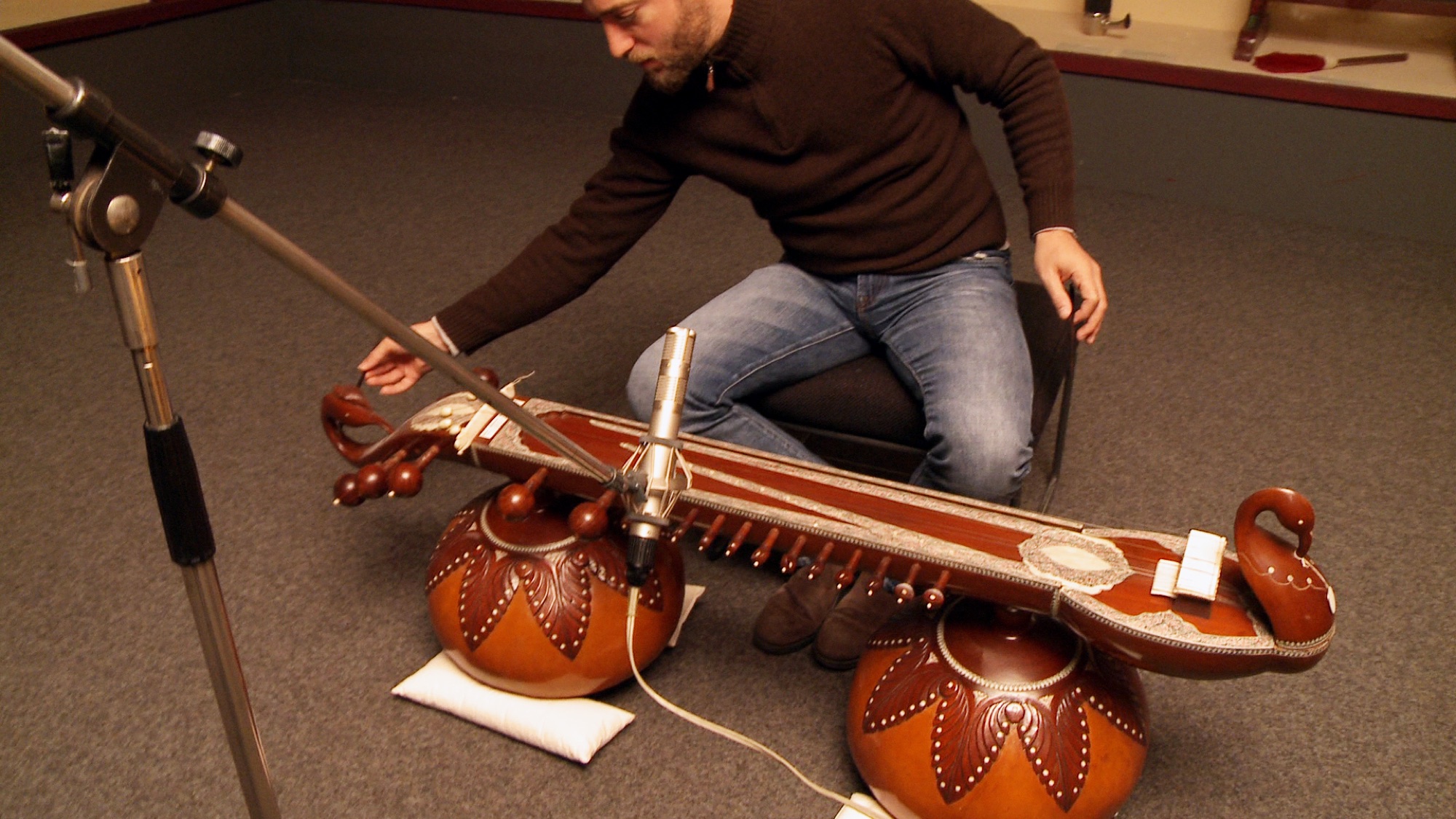
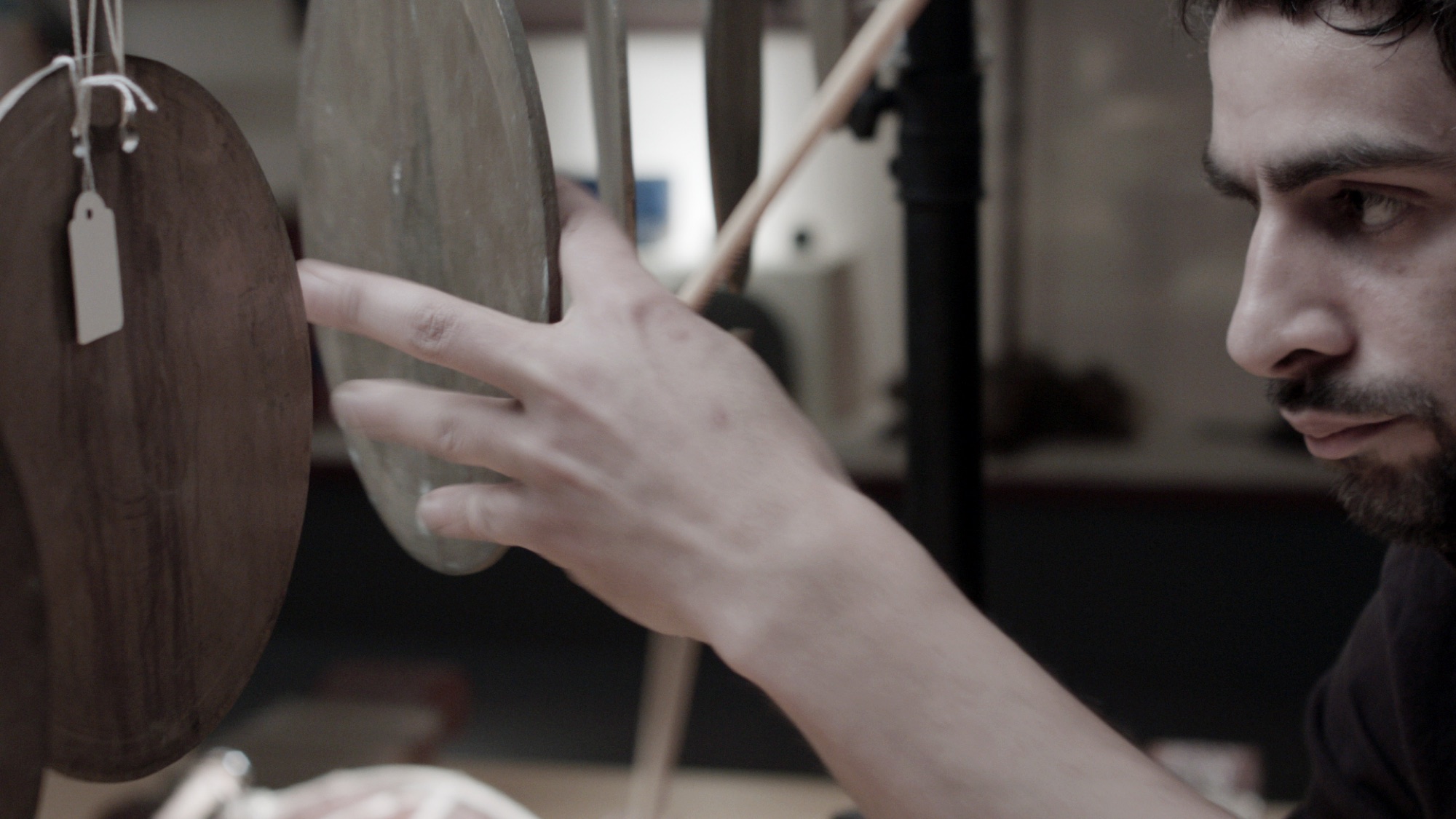
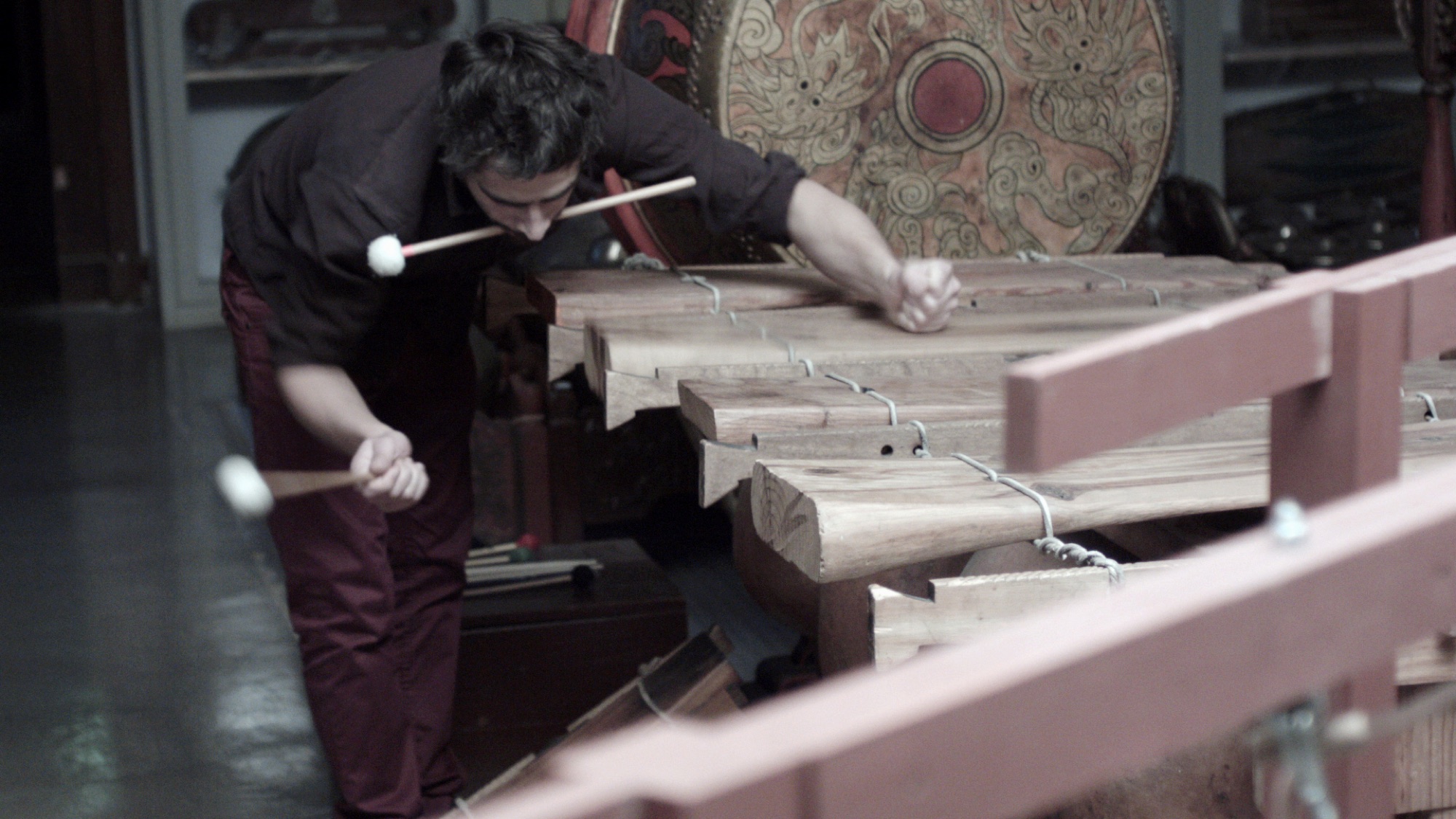
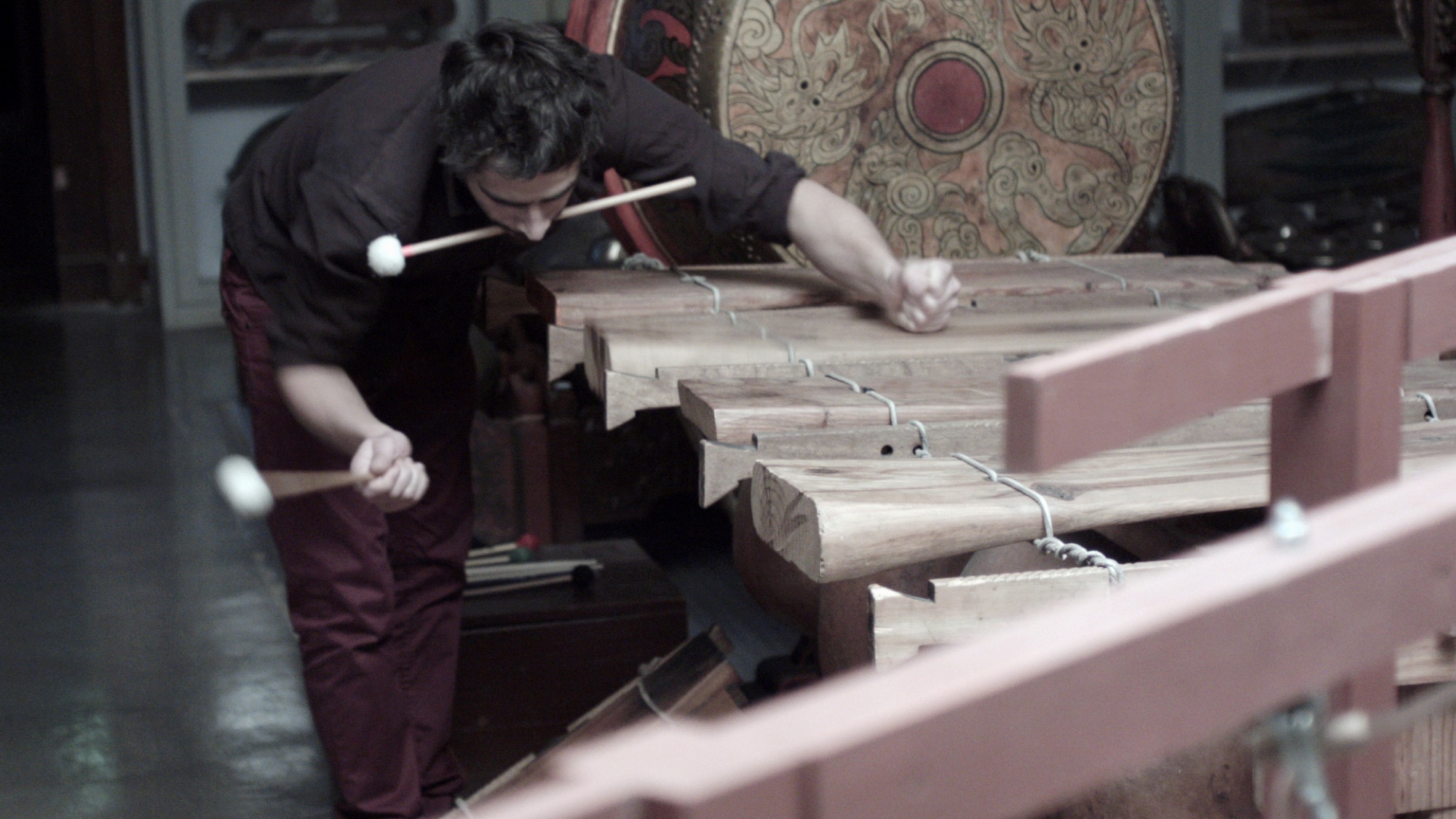
The project began at the Dahlem Museum's ethnomusicology department, which Atoui visited in late 2012. The collection of musical instruments comprises about three thousand objects, none of which had been used since their arrival at the museum after the Second World War. In 2013 and 2014, Atoui invited 18 experimental musicians from around the world to select and improvise on these instruments. Devoid of any historical or anthropological information, they engaged with the instruments intuitively, using unconventional techniques and objects to produce sounds. Over the course of eight months, Atoui conducted individual recording sessions with the musicians. He then used these solos to write the scores of improvised pieces. The Dahlem Sessions, a series of 12 live performances, took place at the museum during the opening days of the 8th Berlin Biennale in 2014, in front of a small audience, and were meticulously recorded.
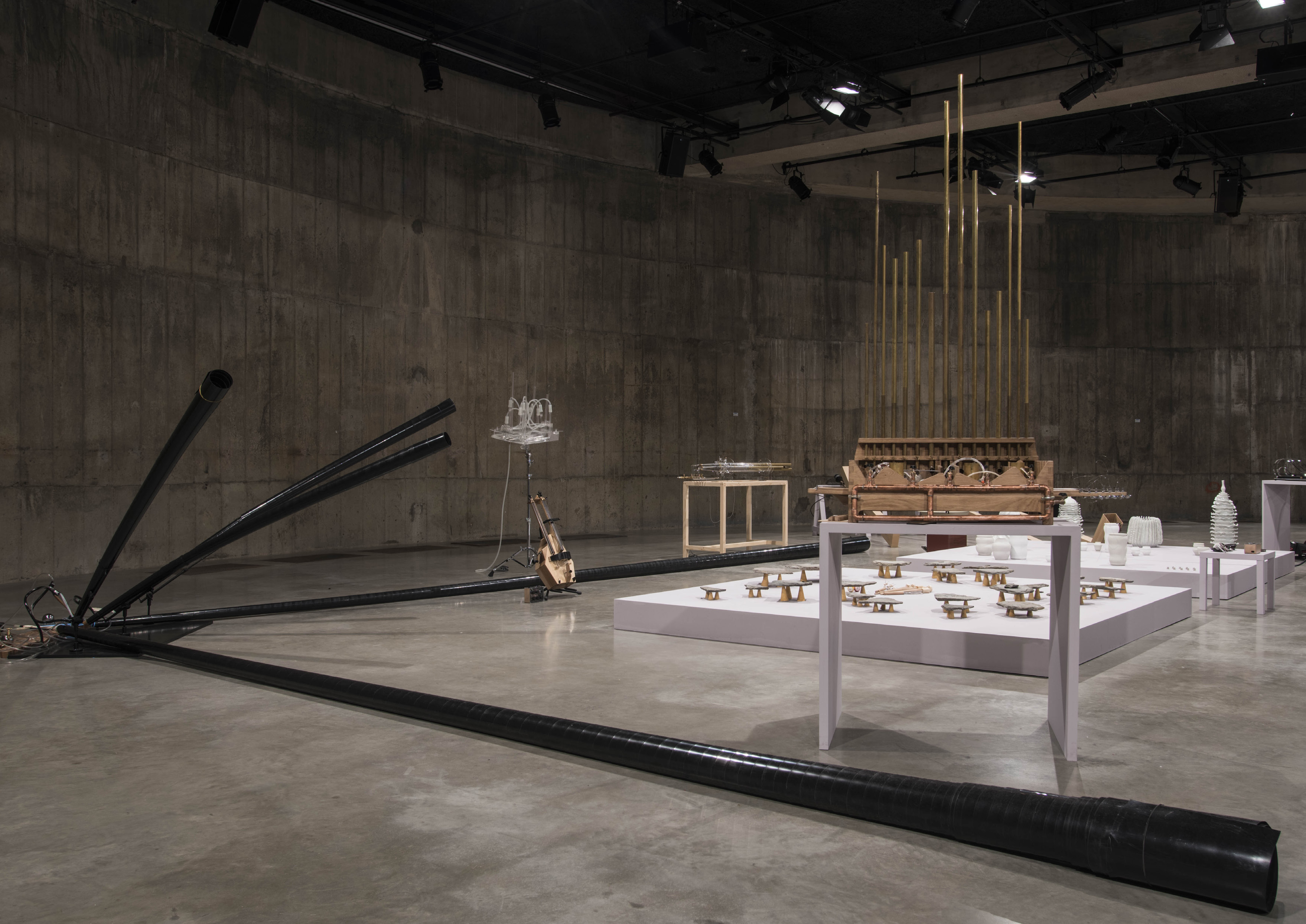
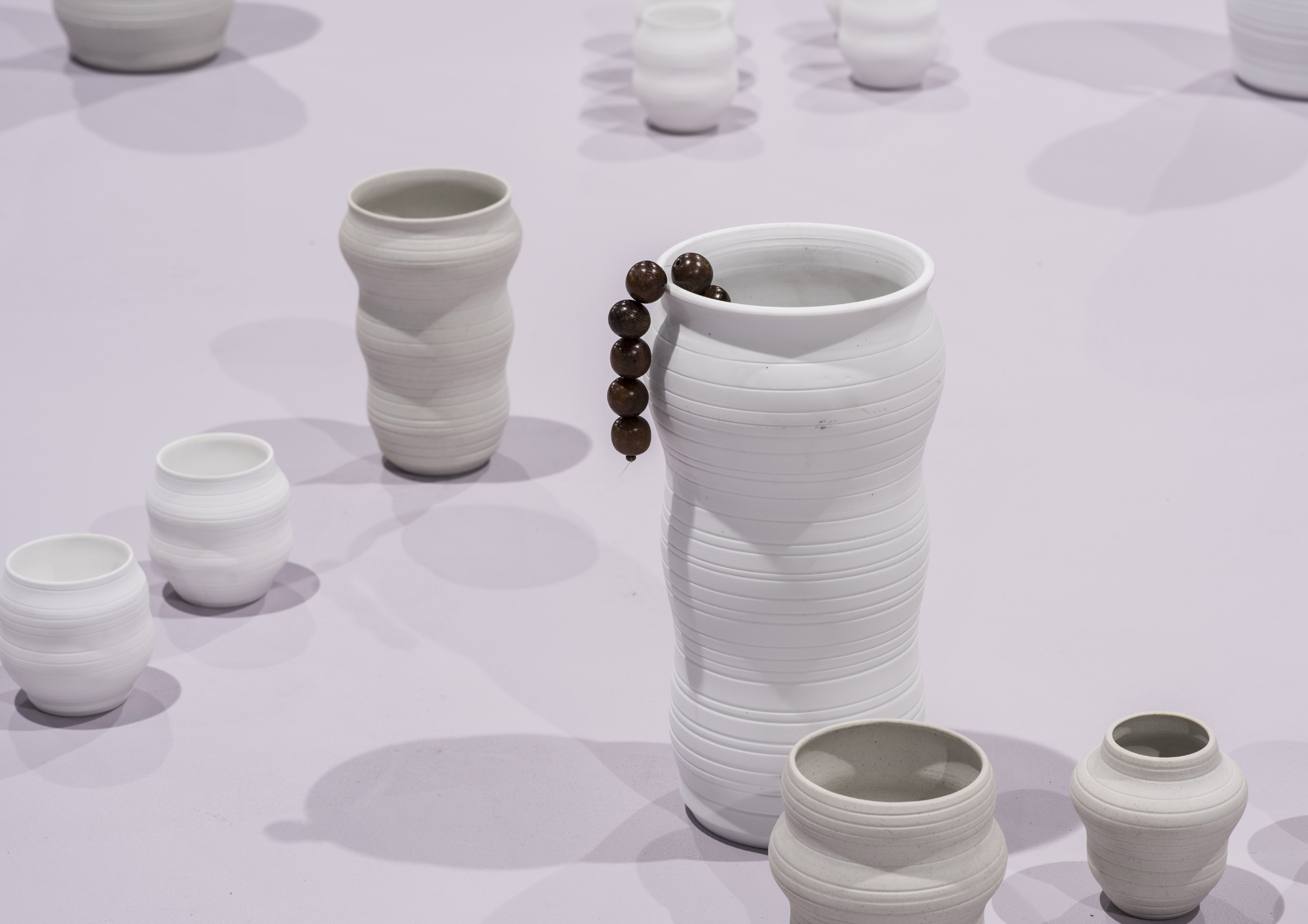
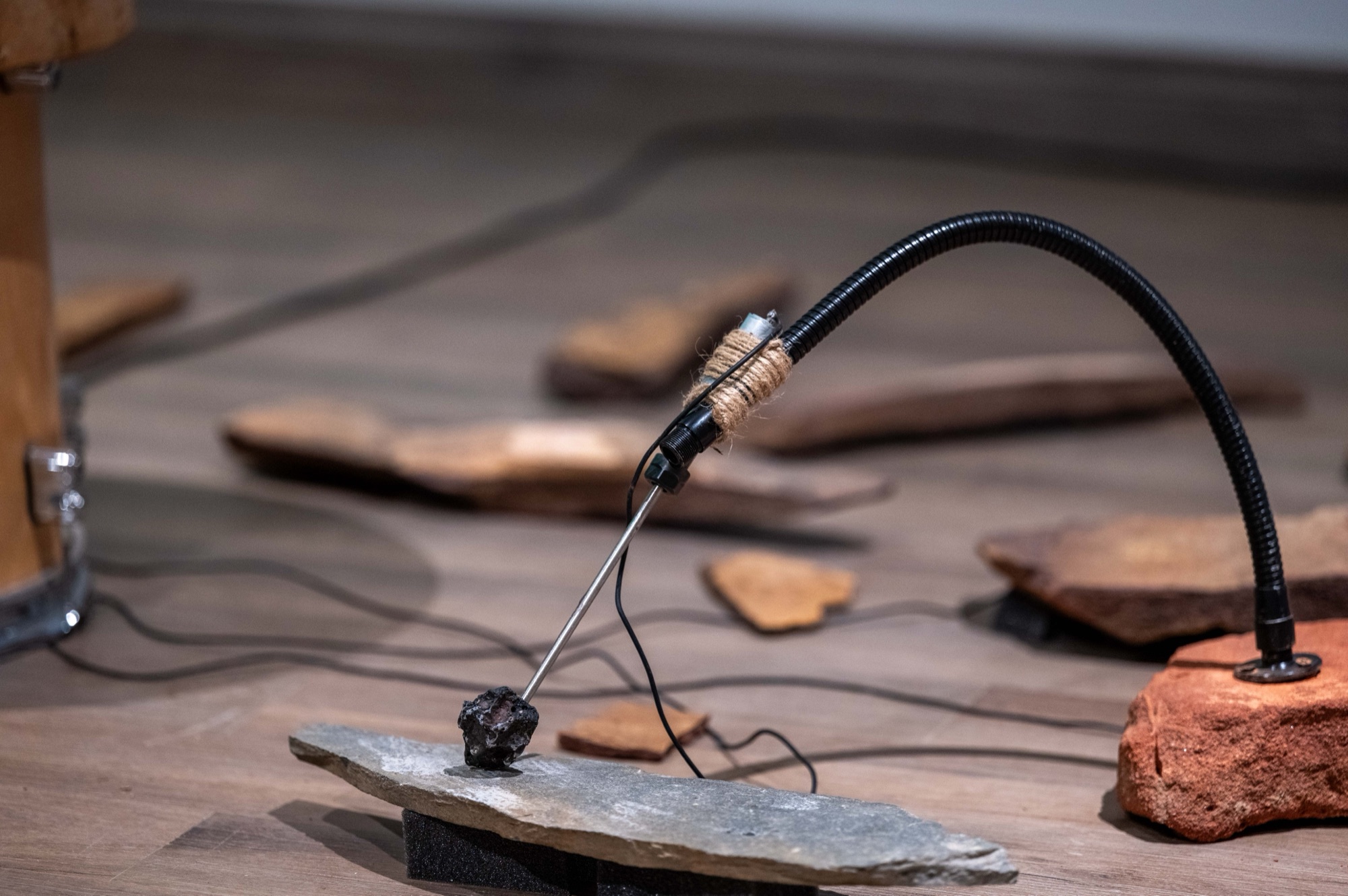
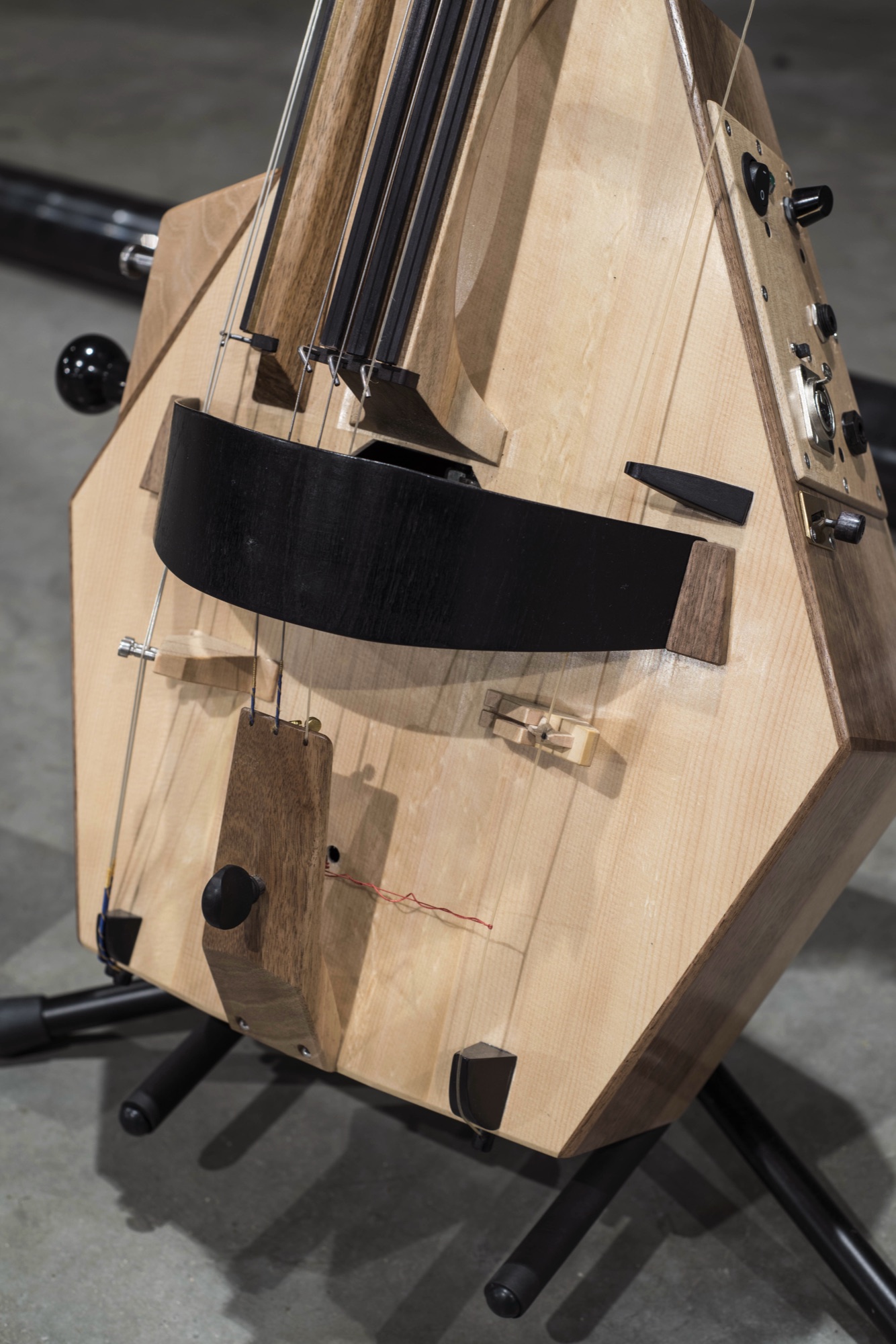
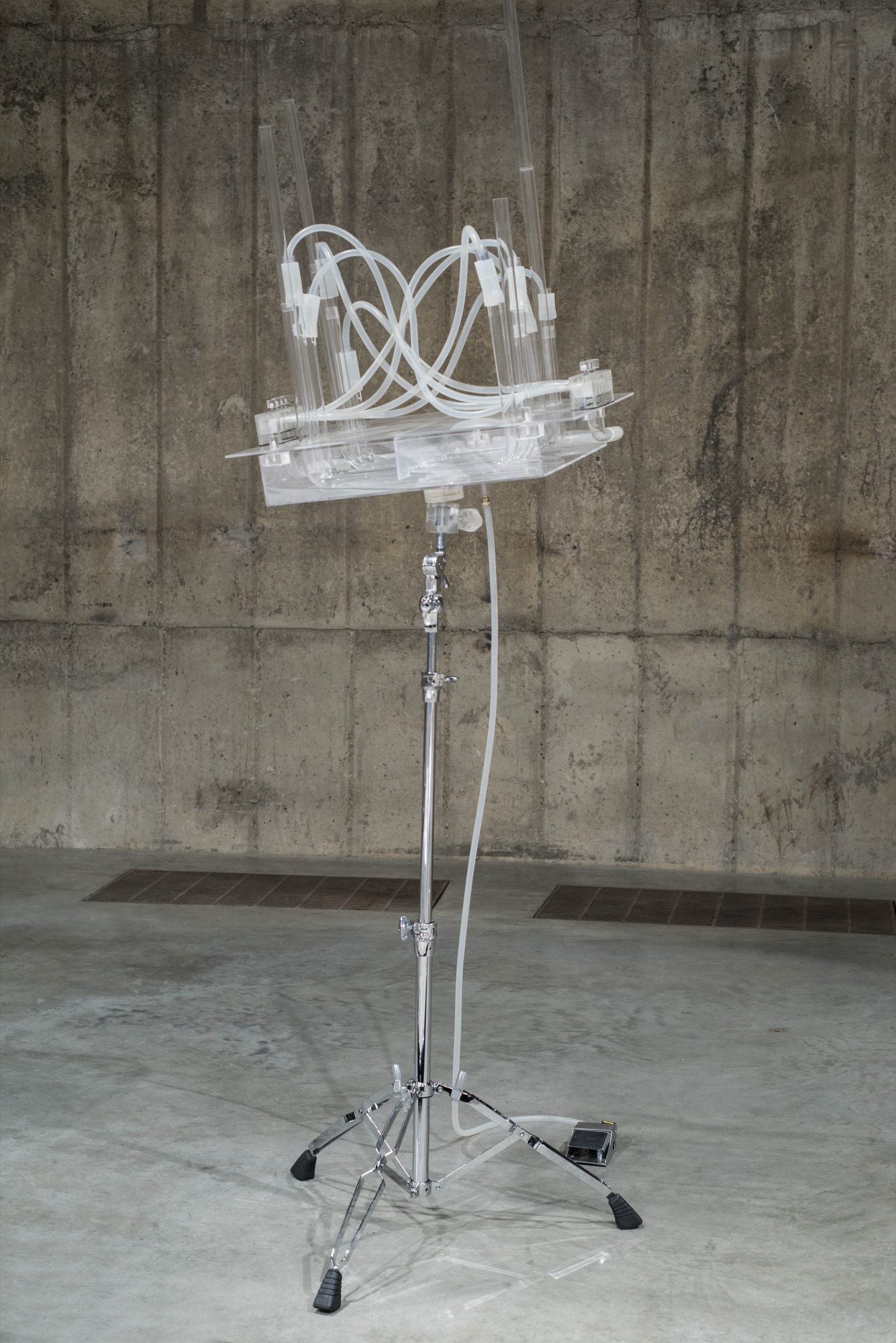
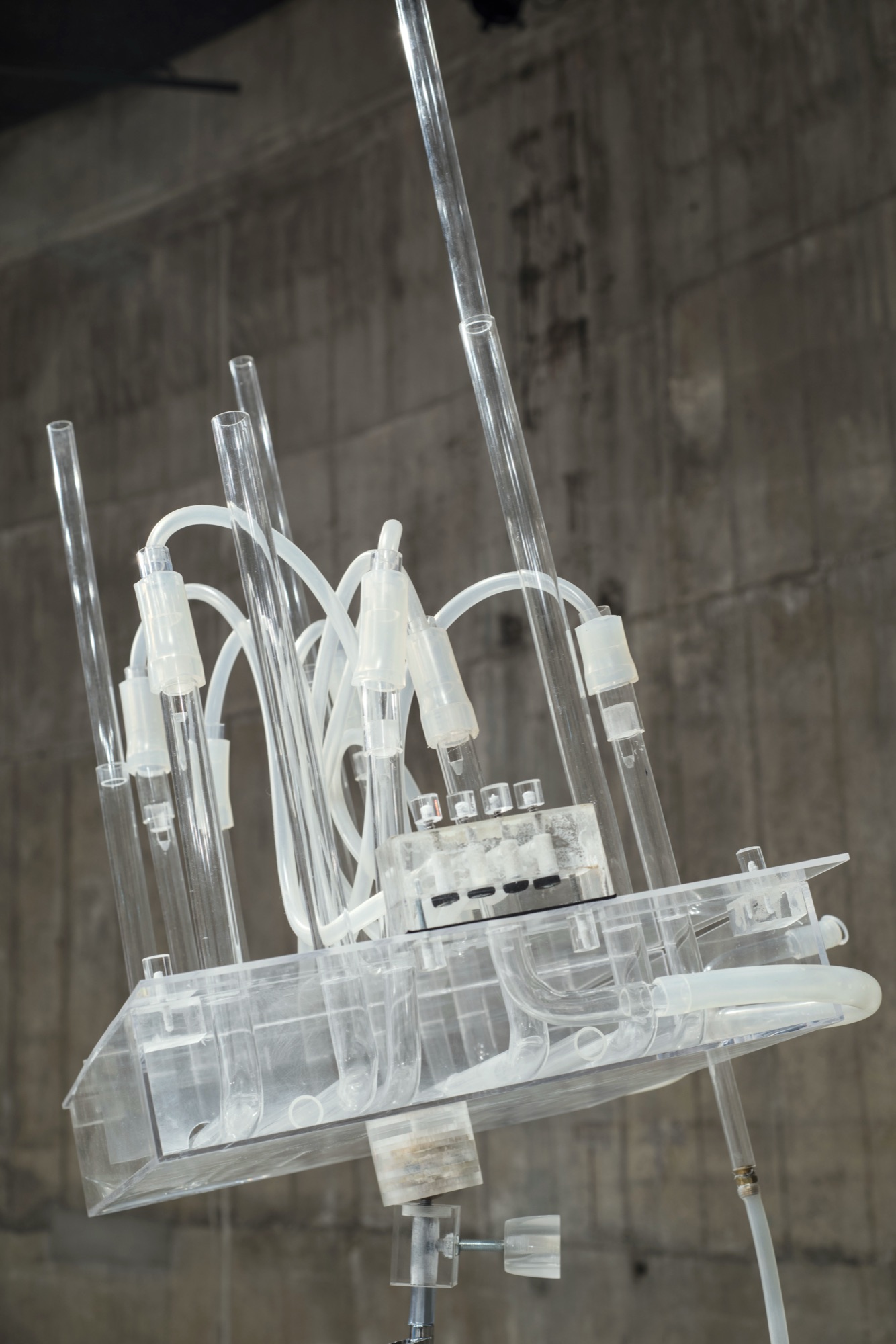
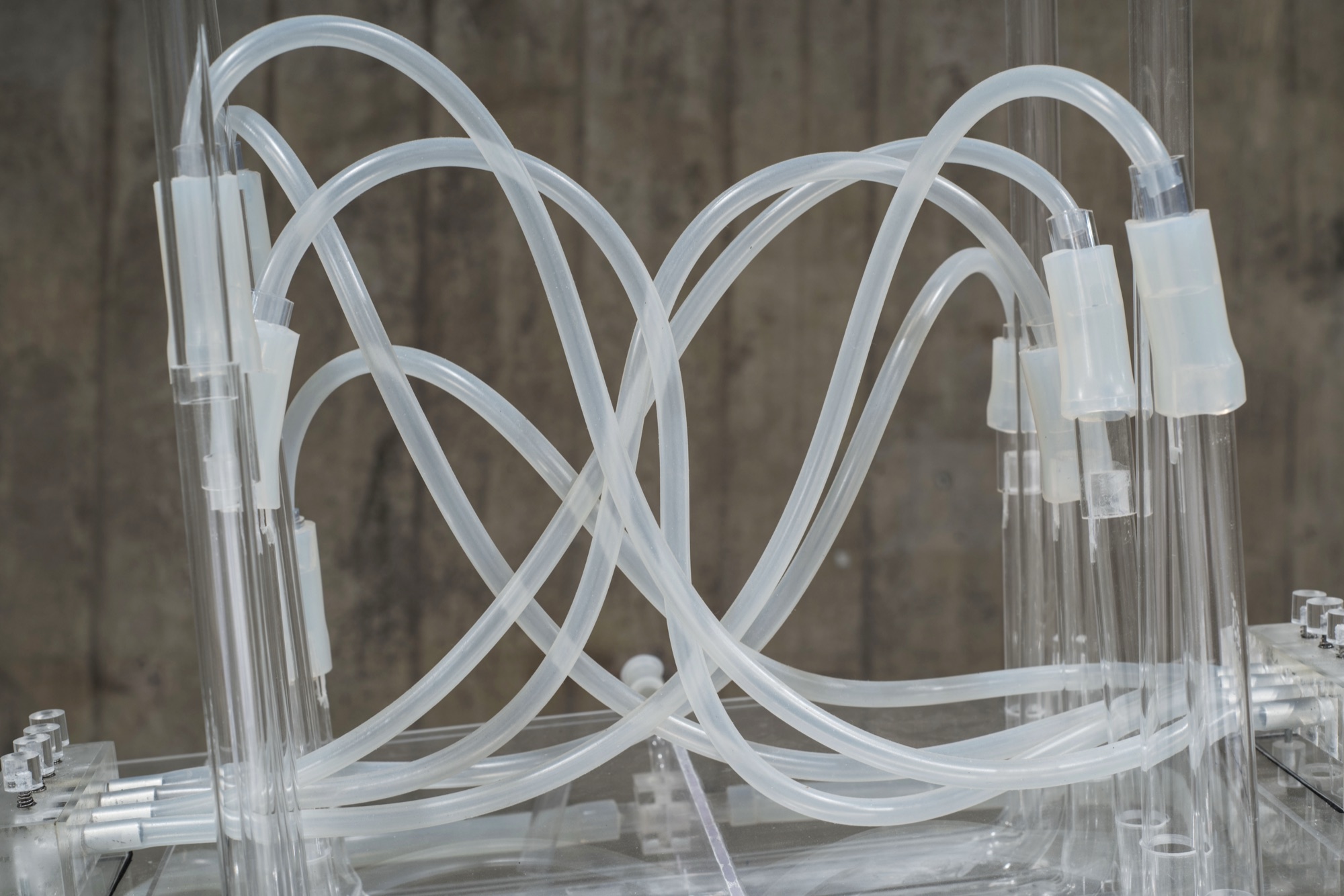
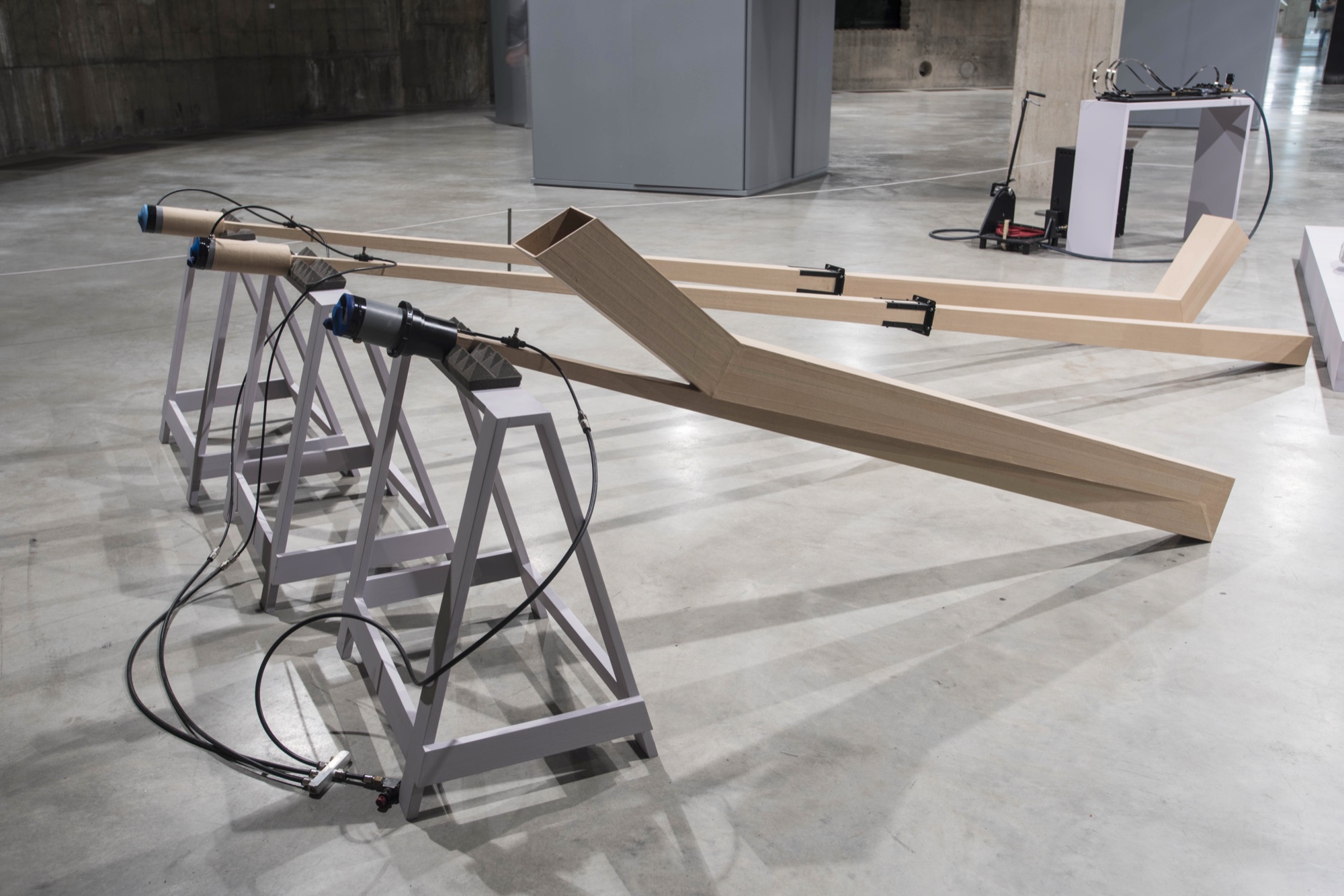
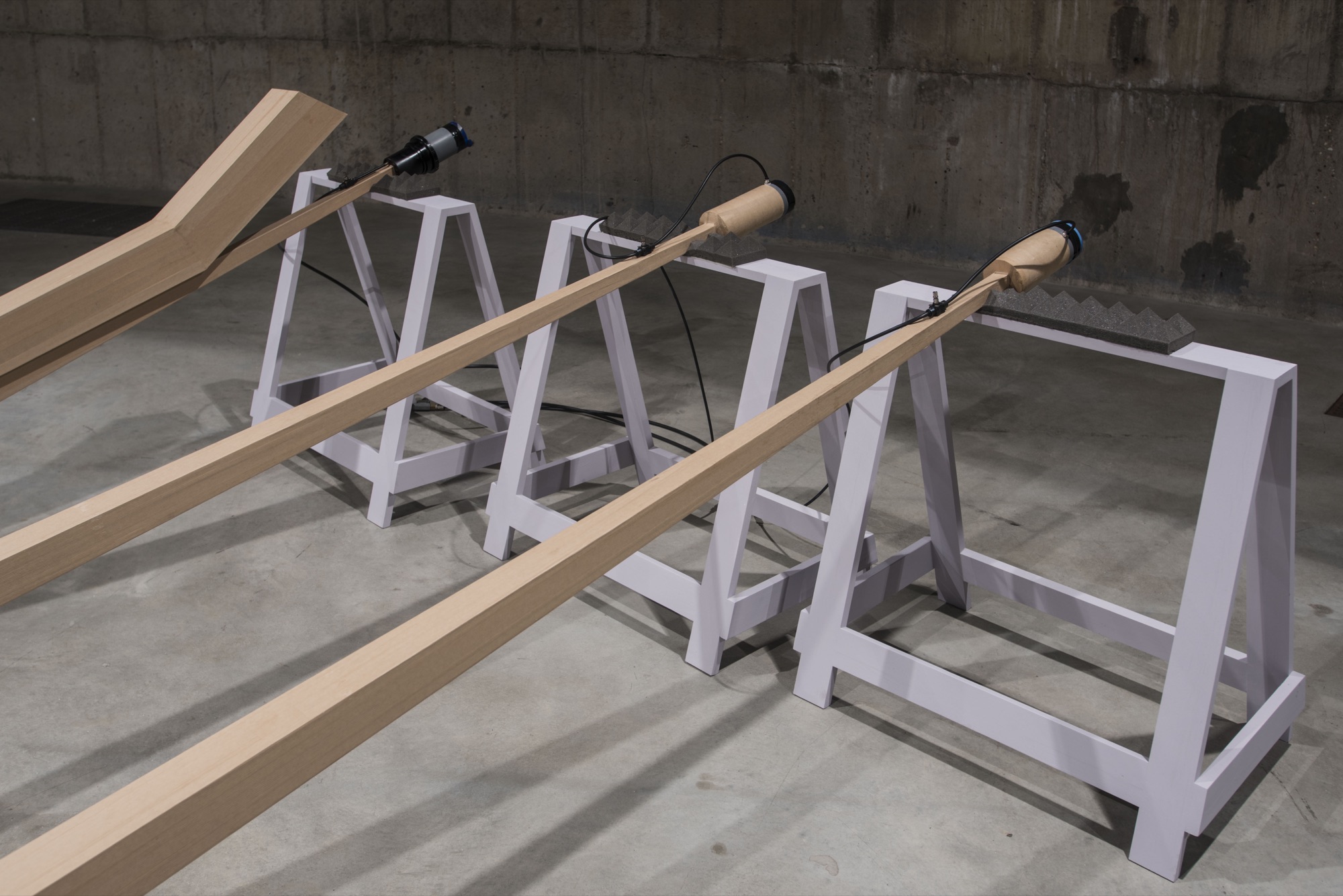
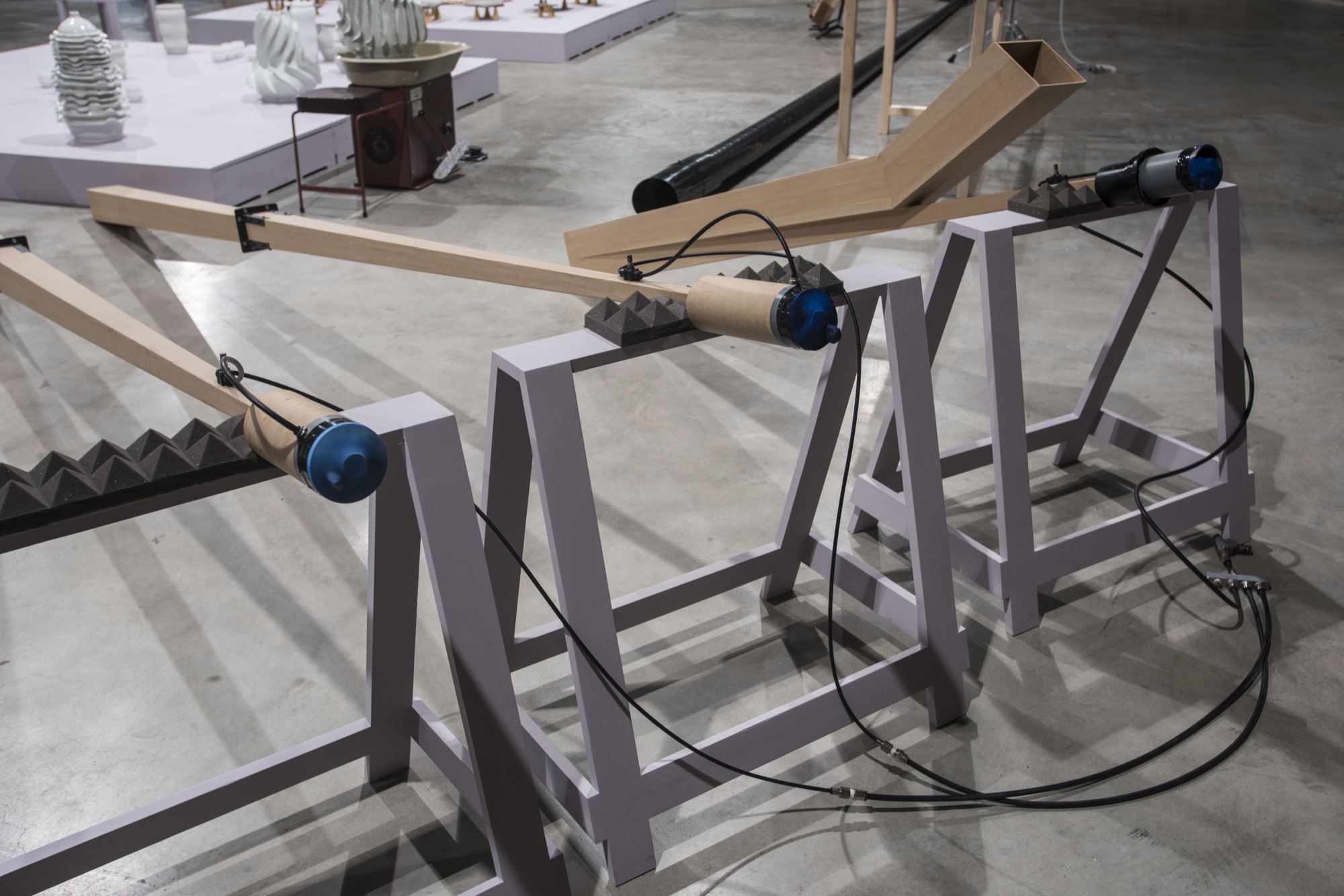
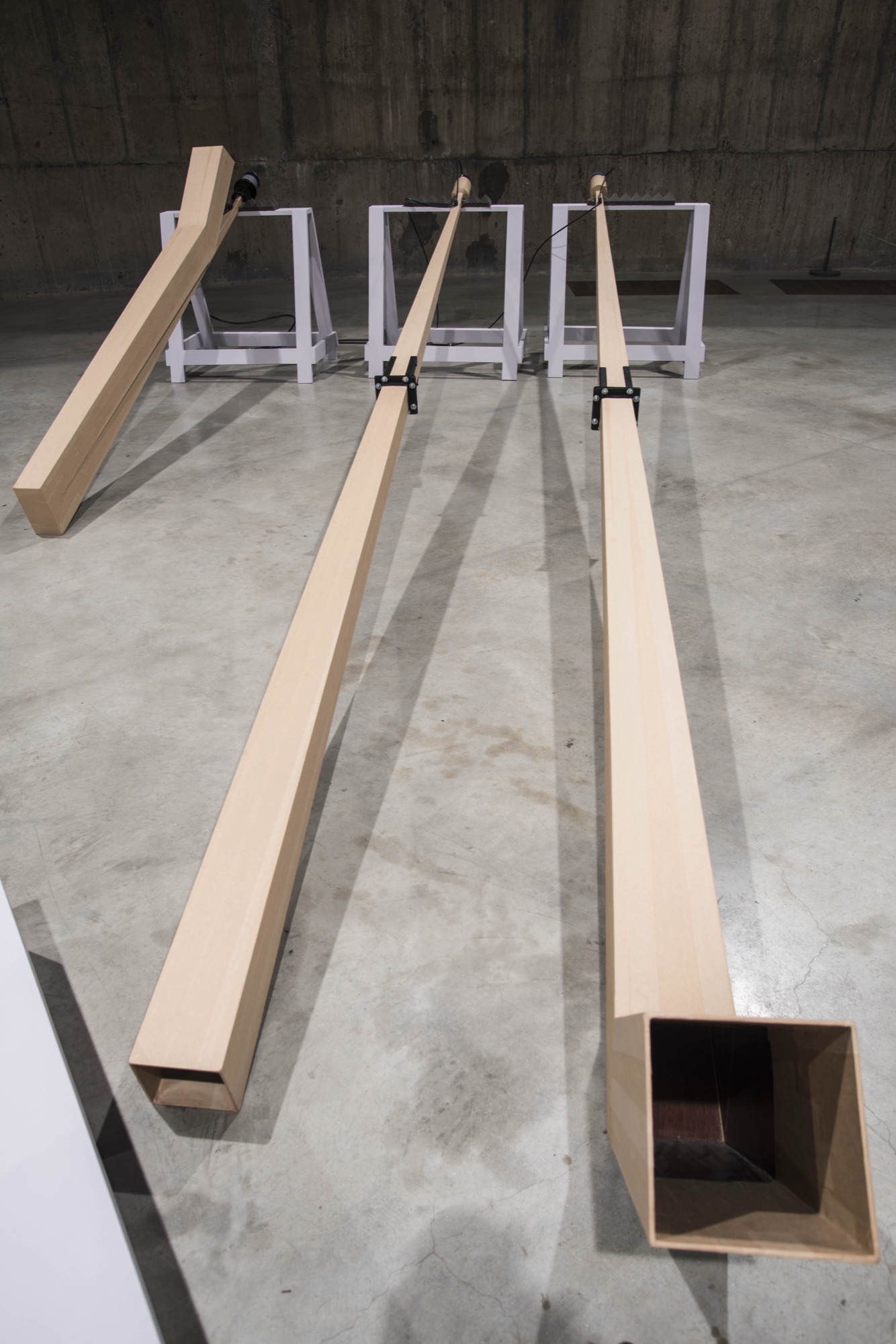
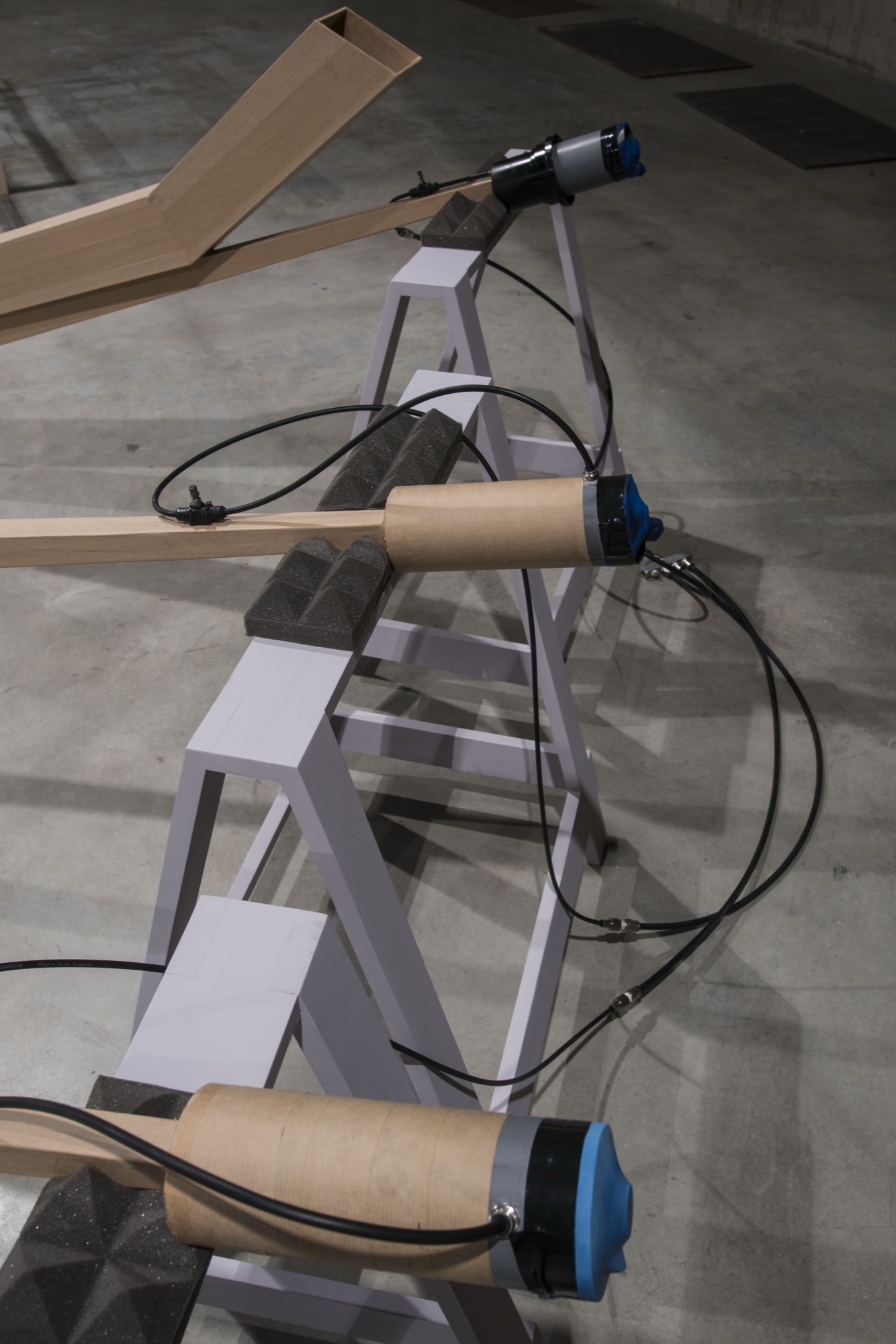
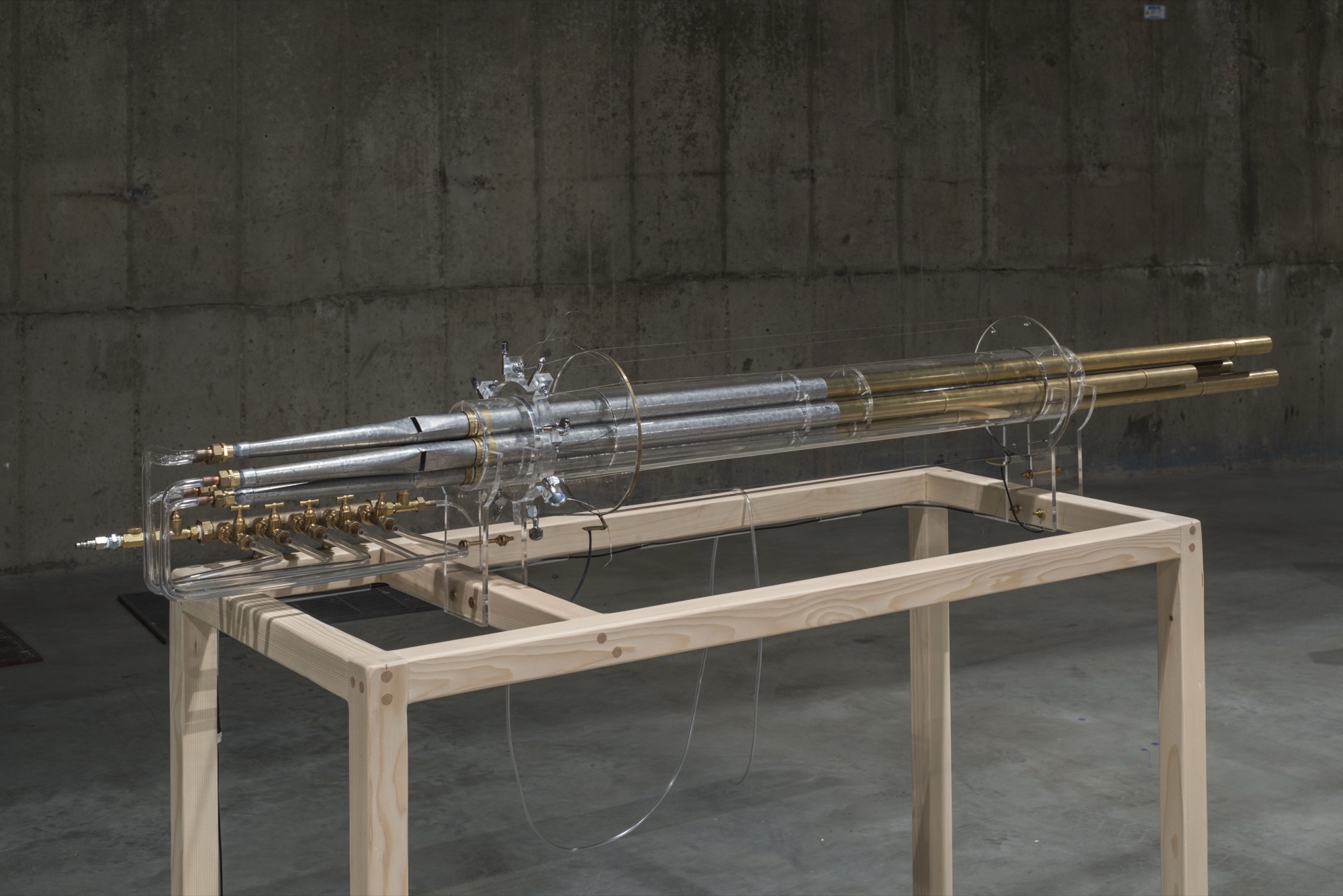
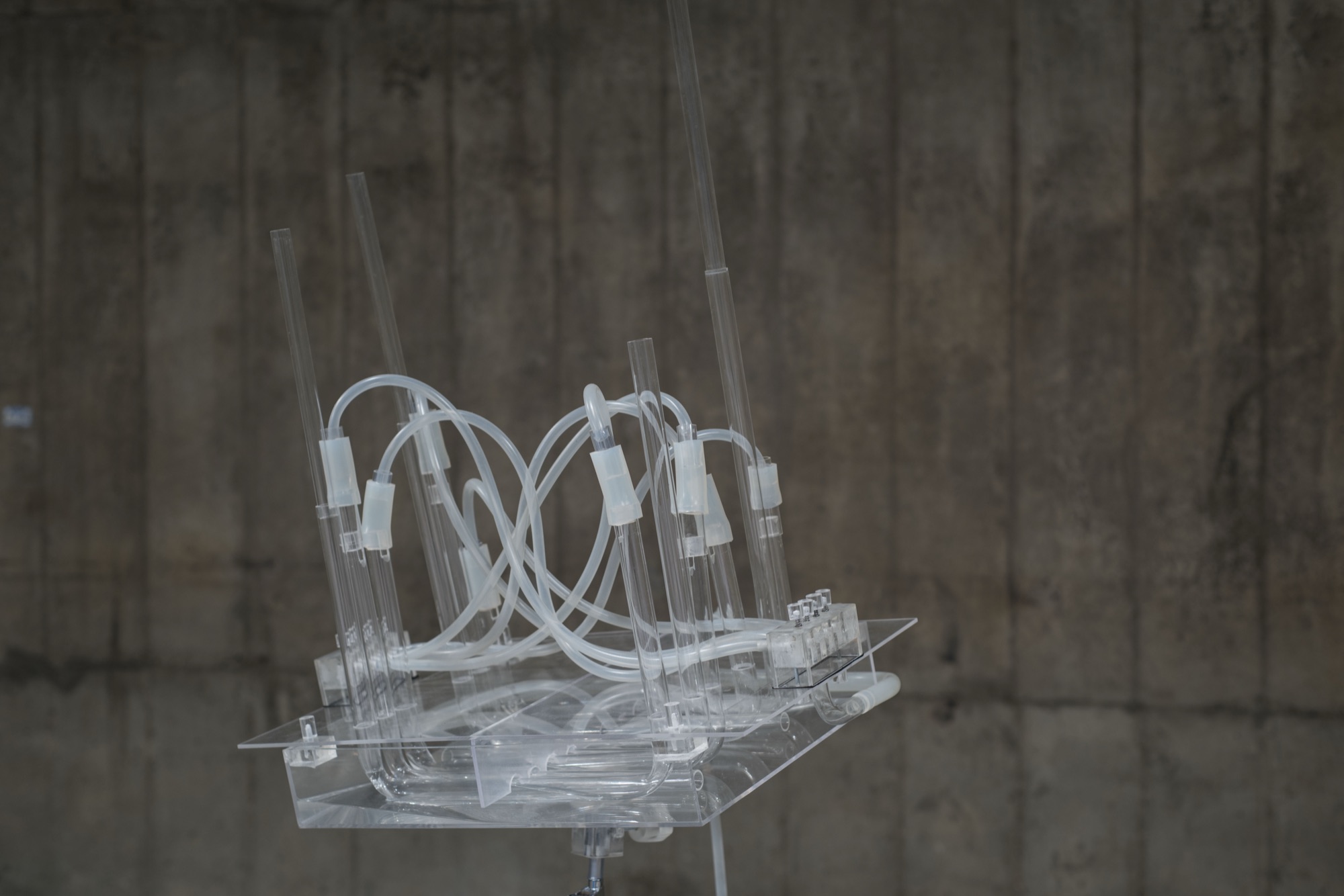
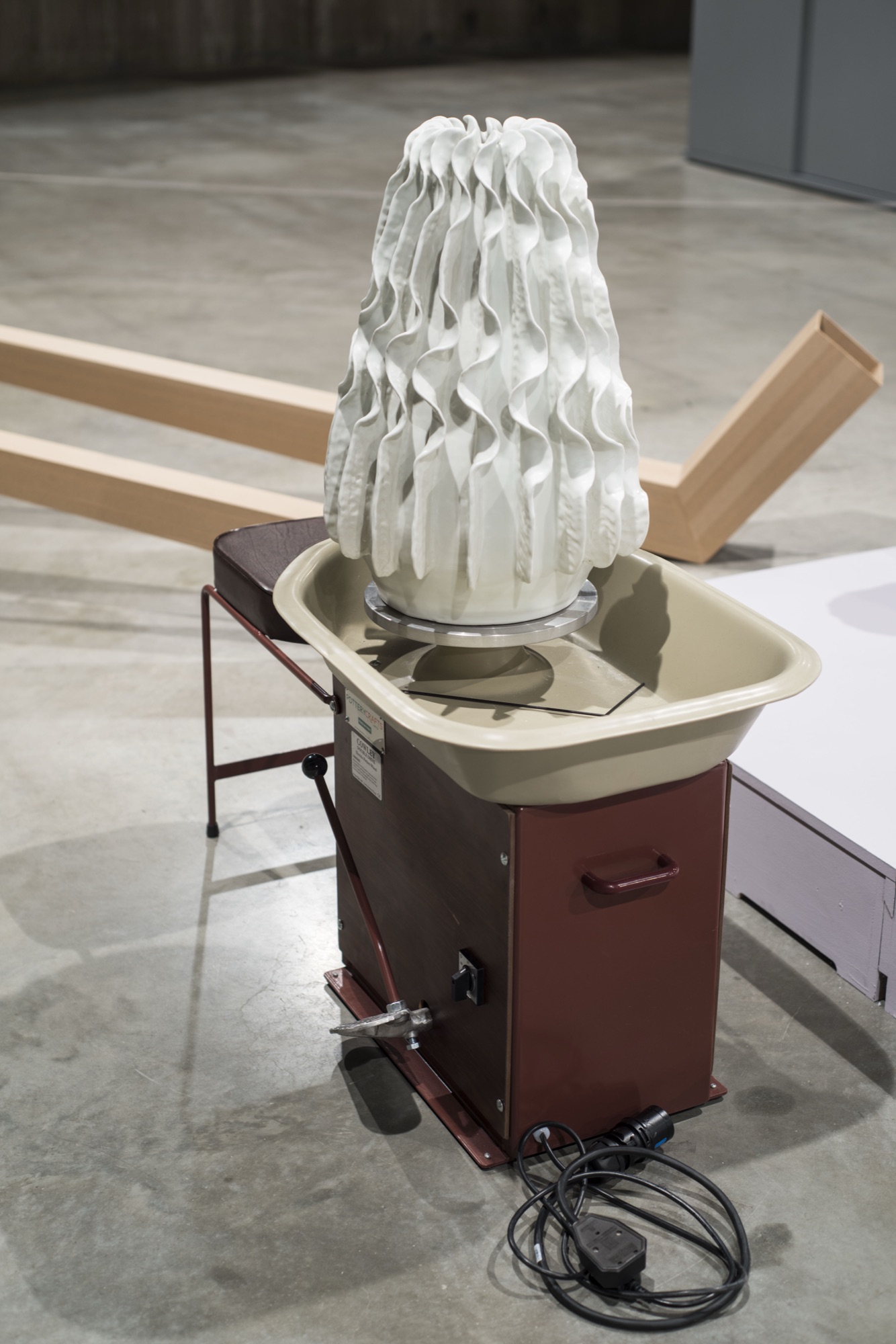
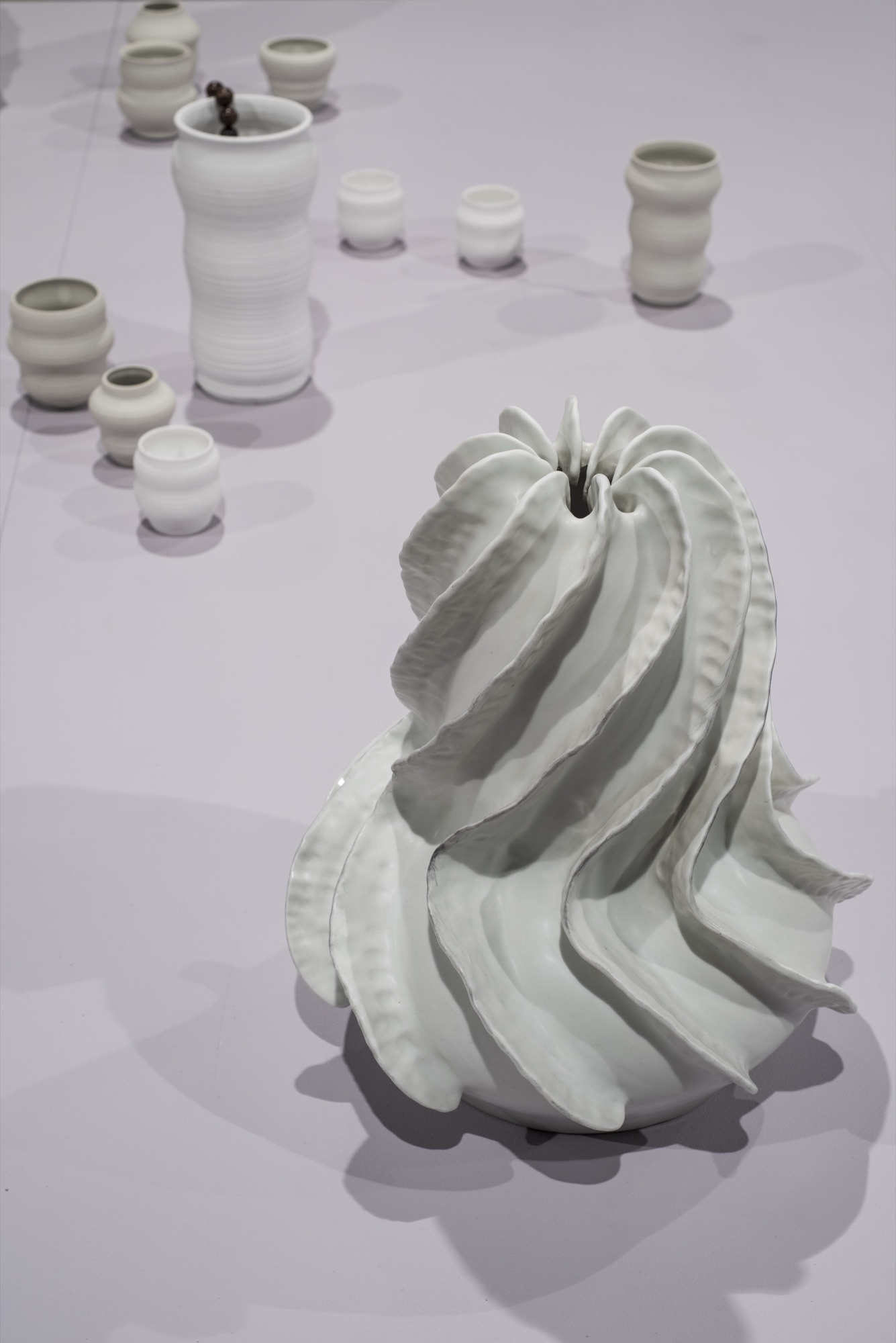
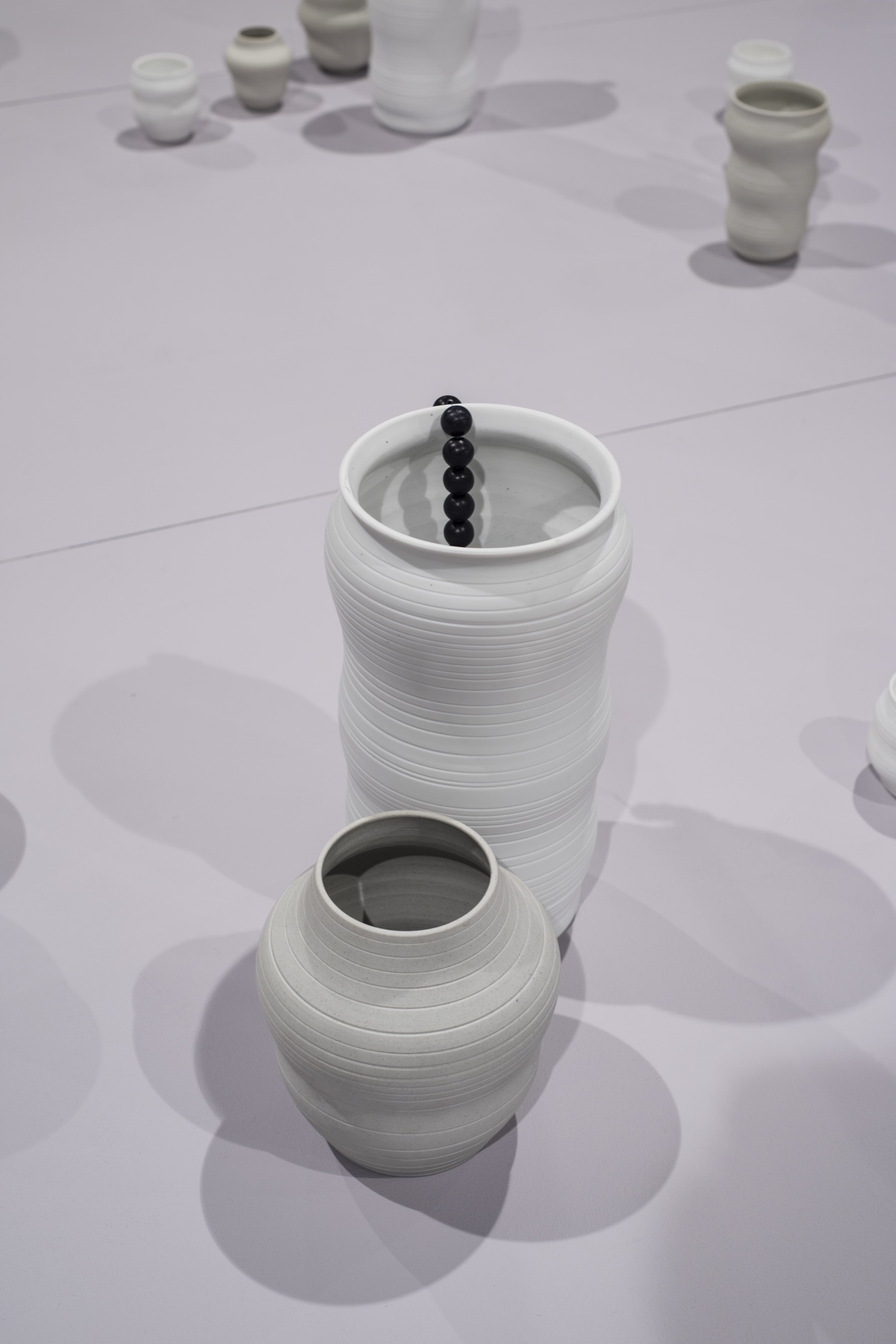
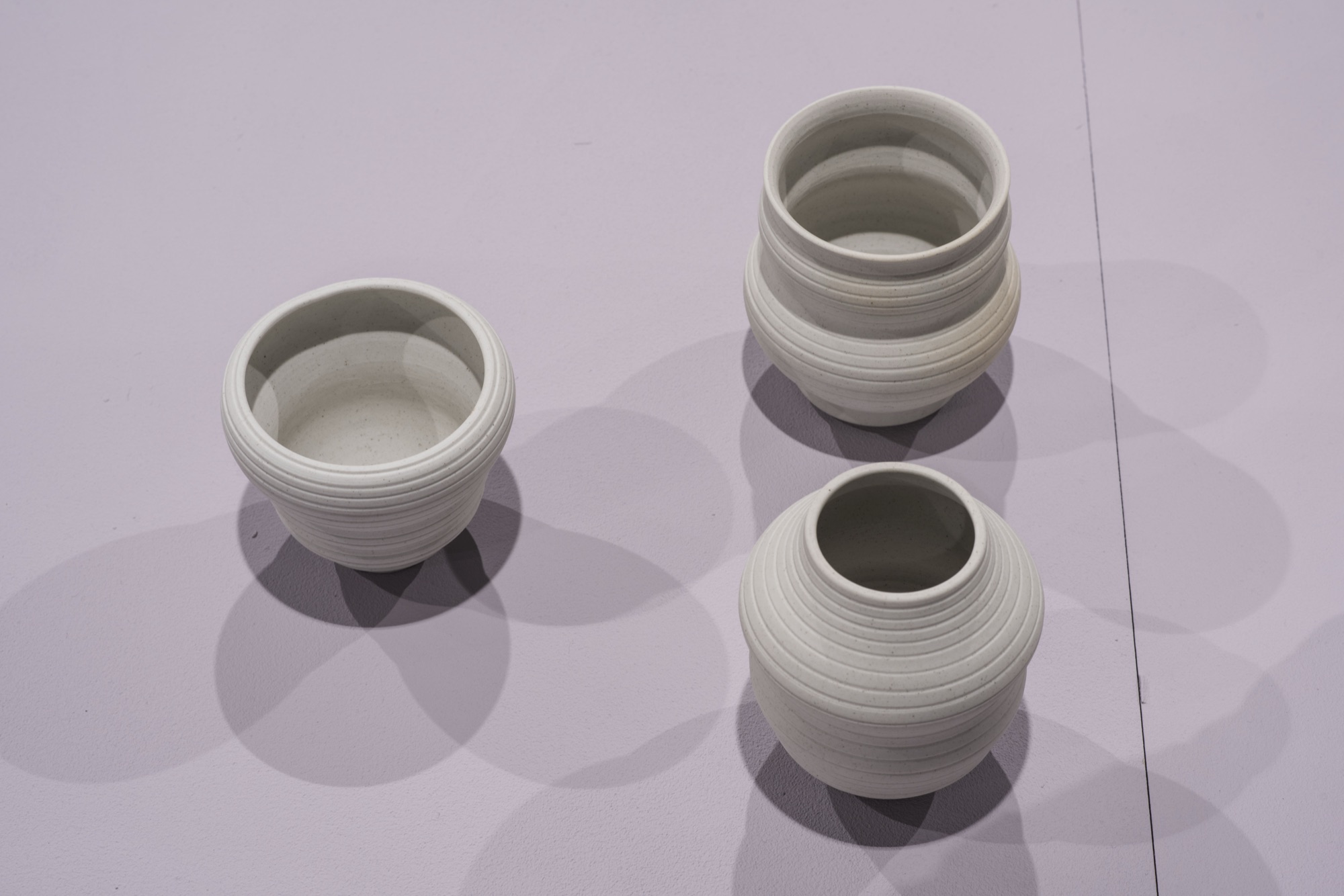
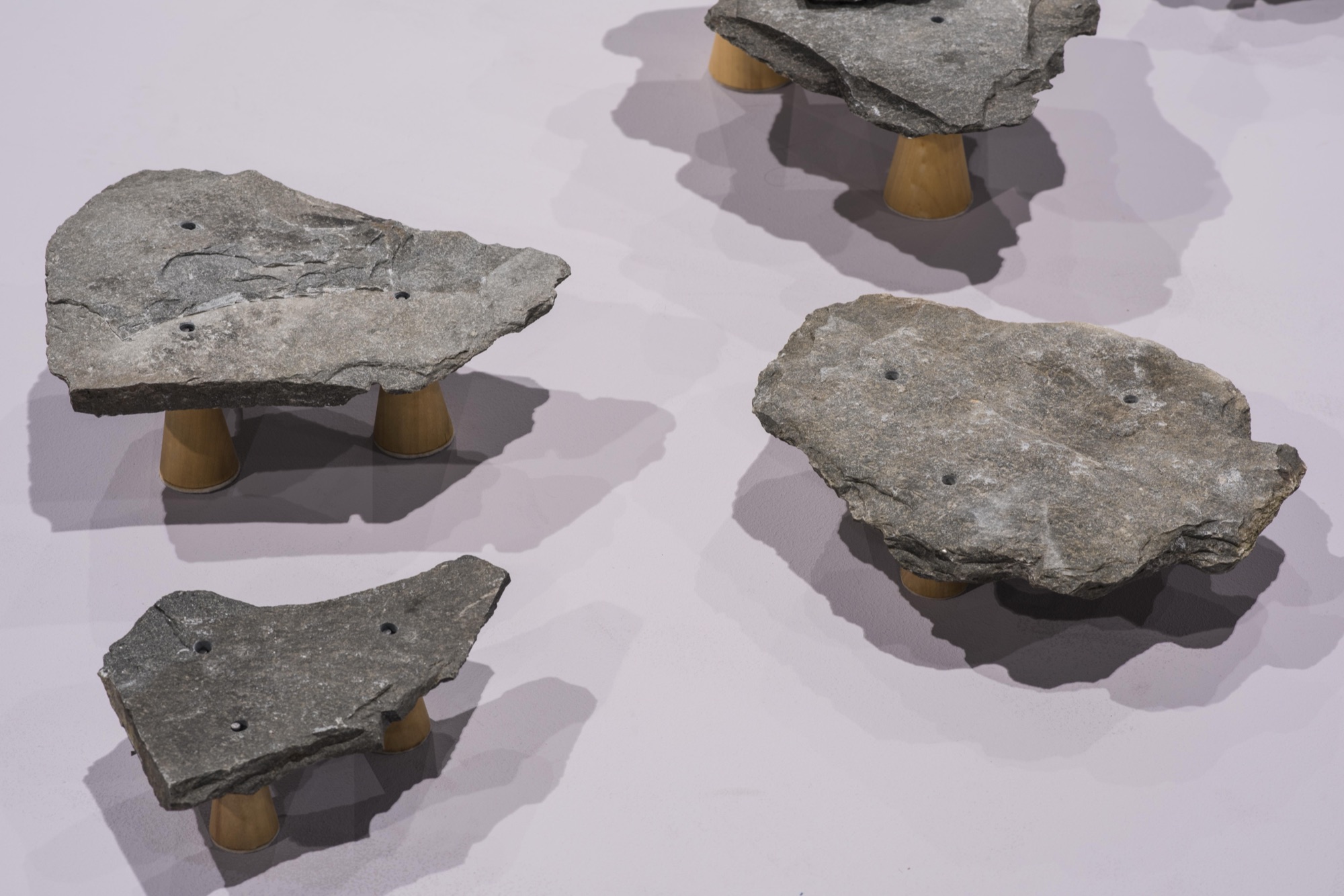
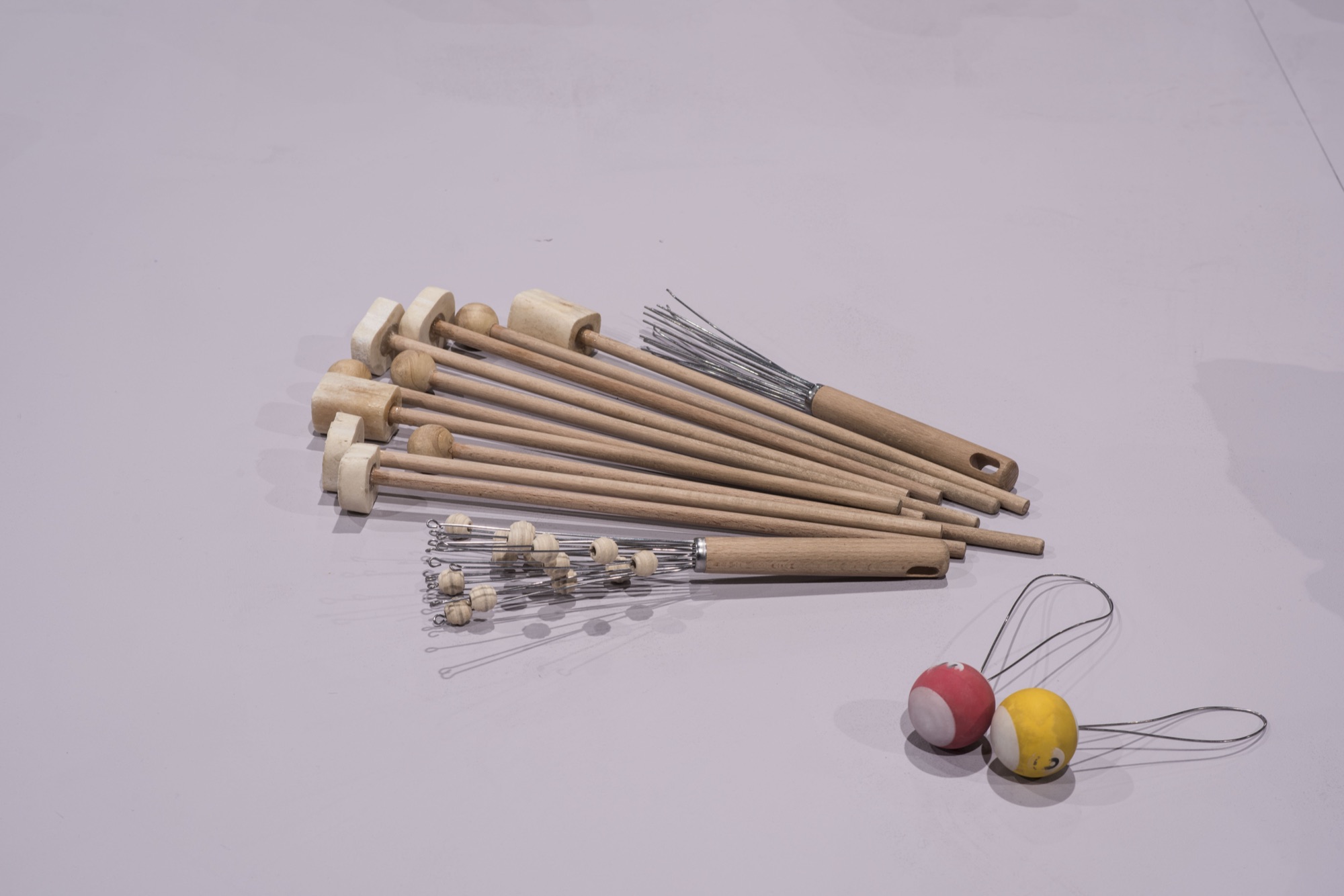
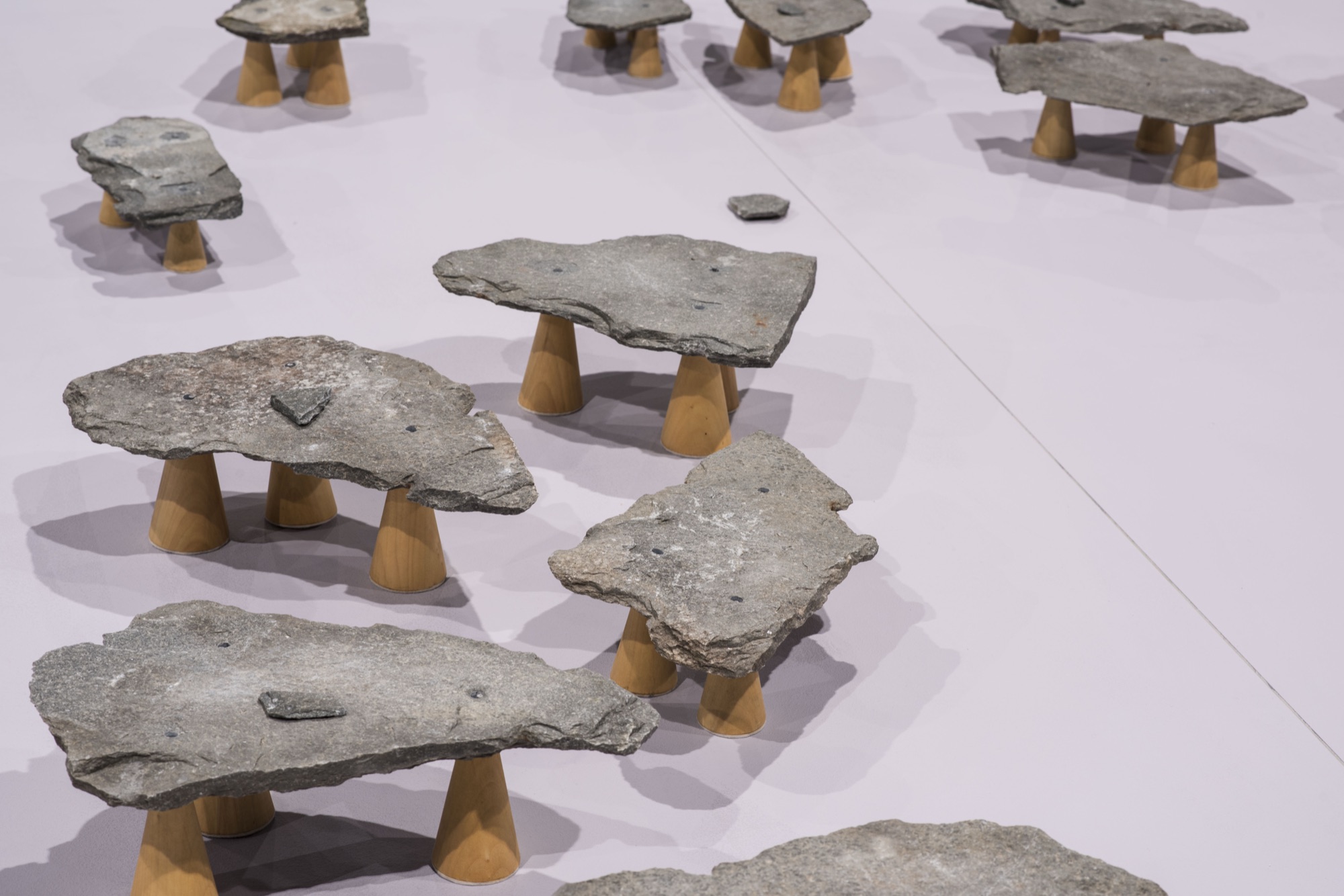
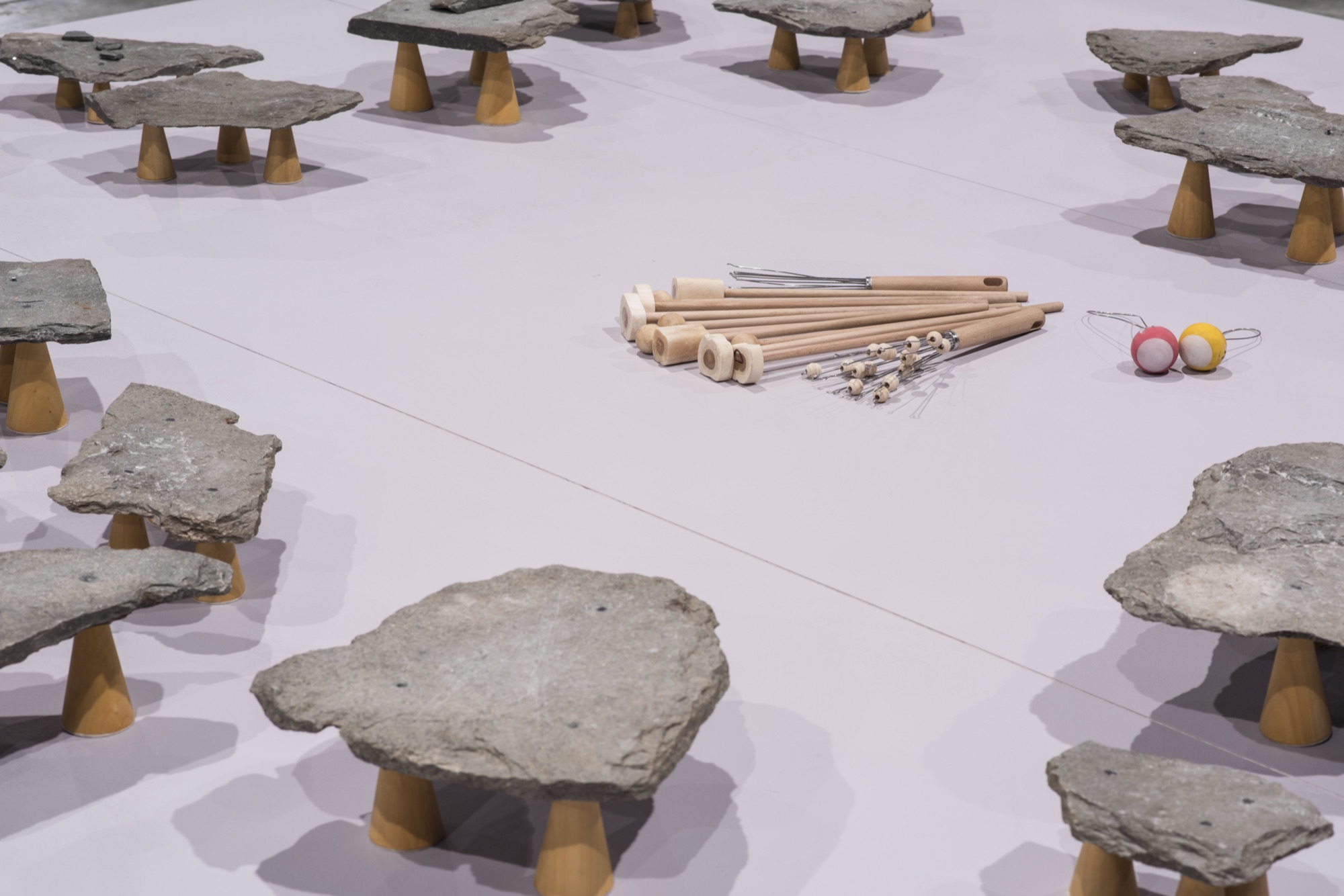
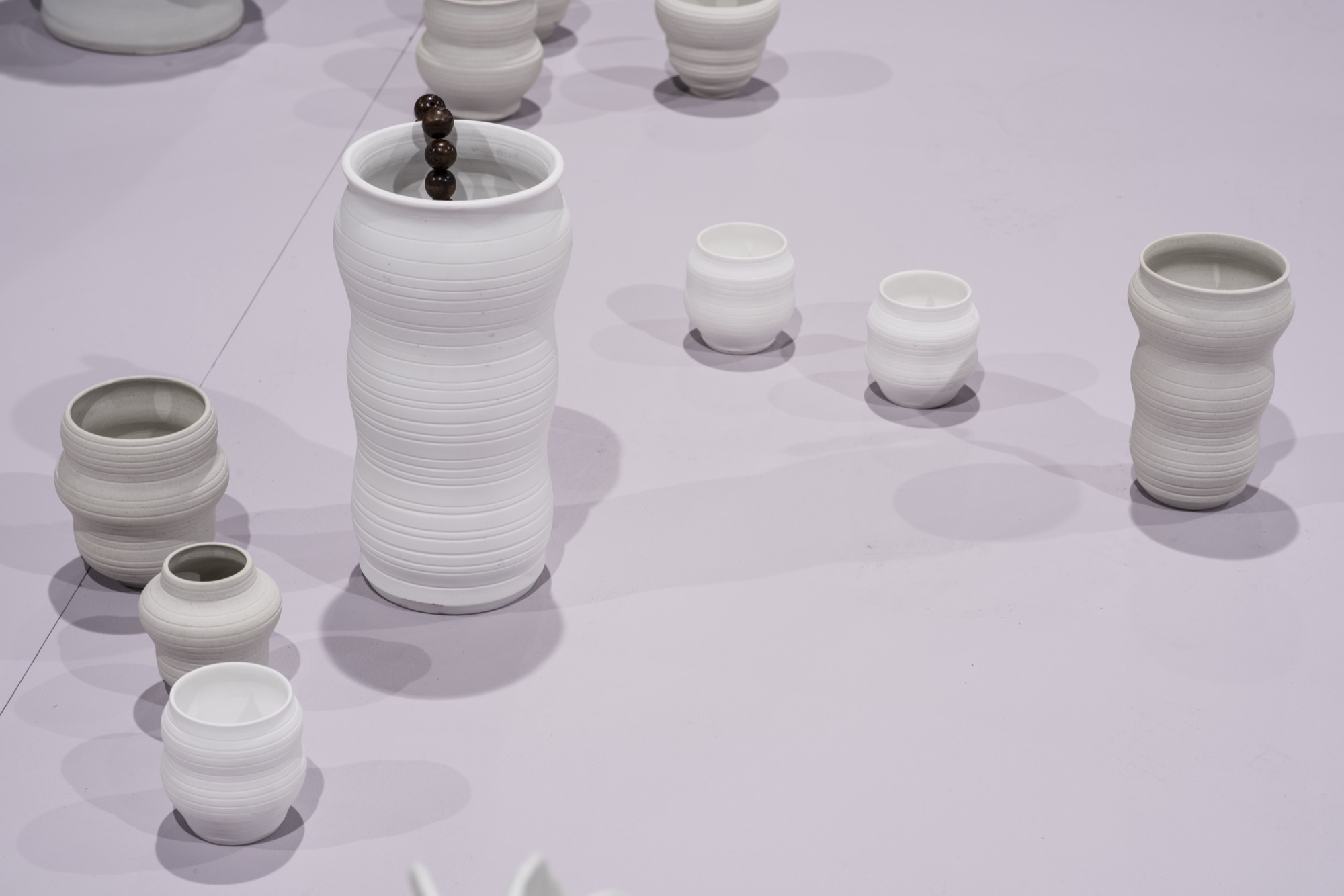
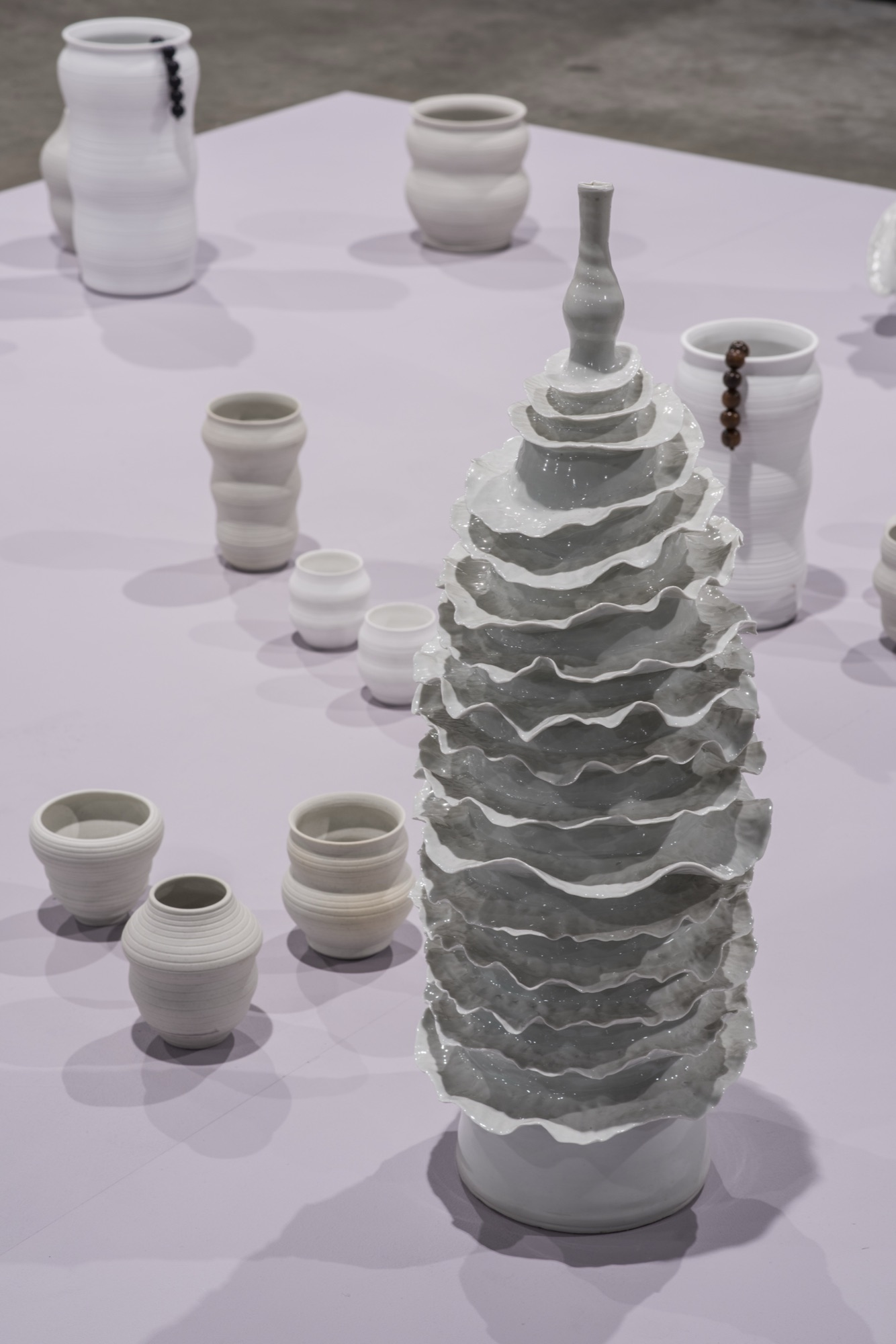
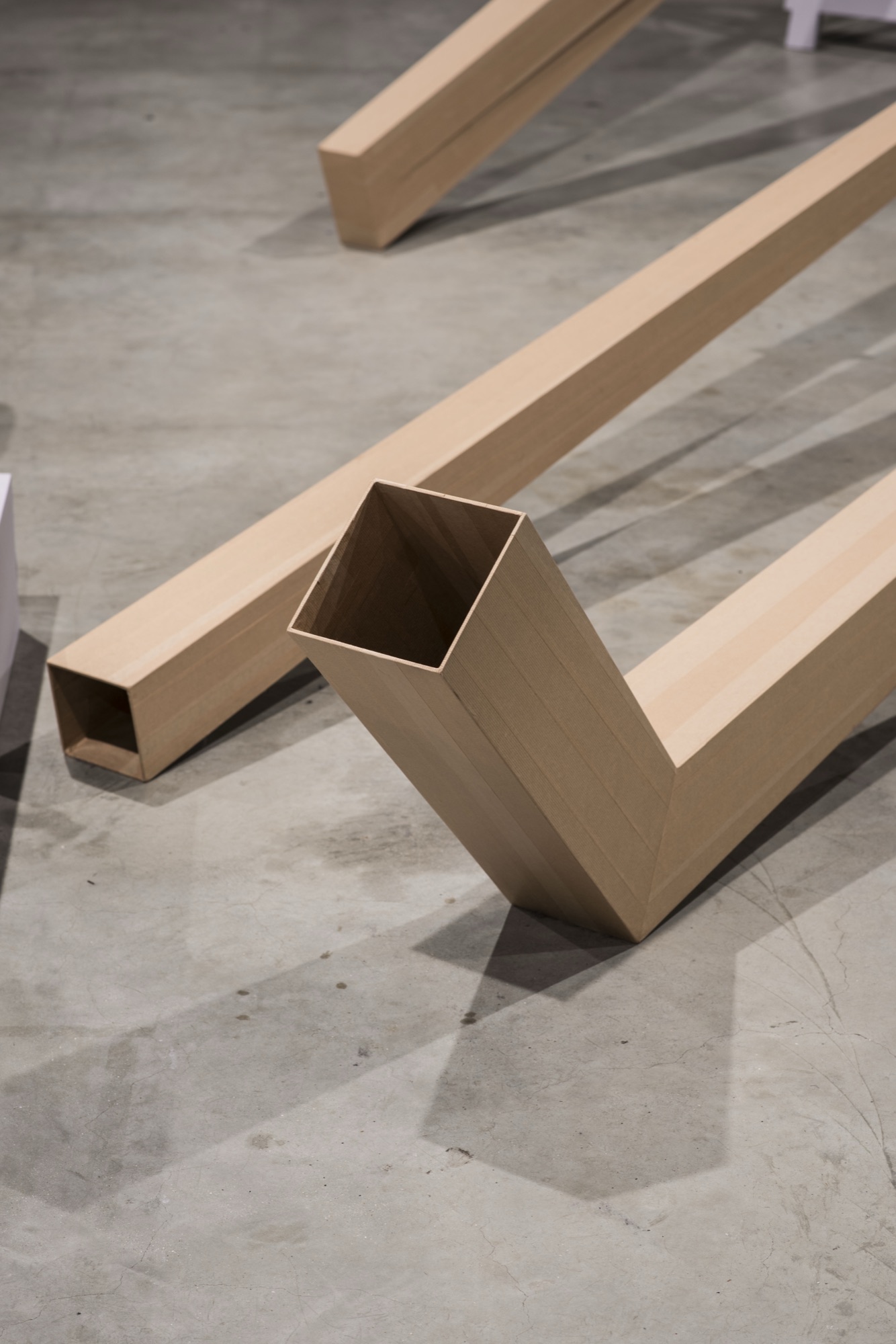
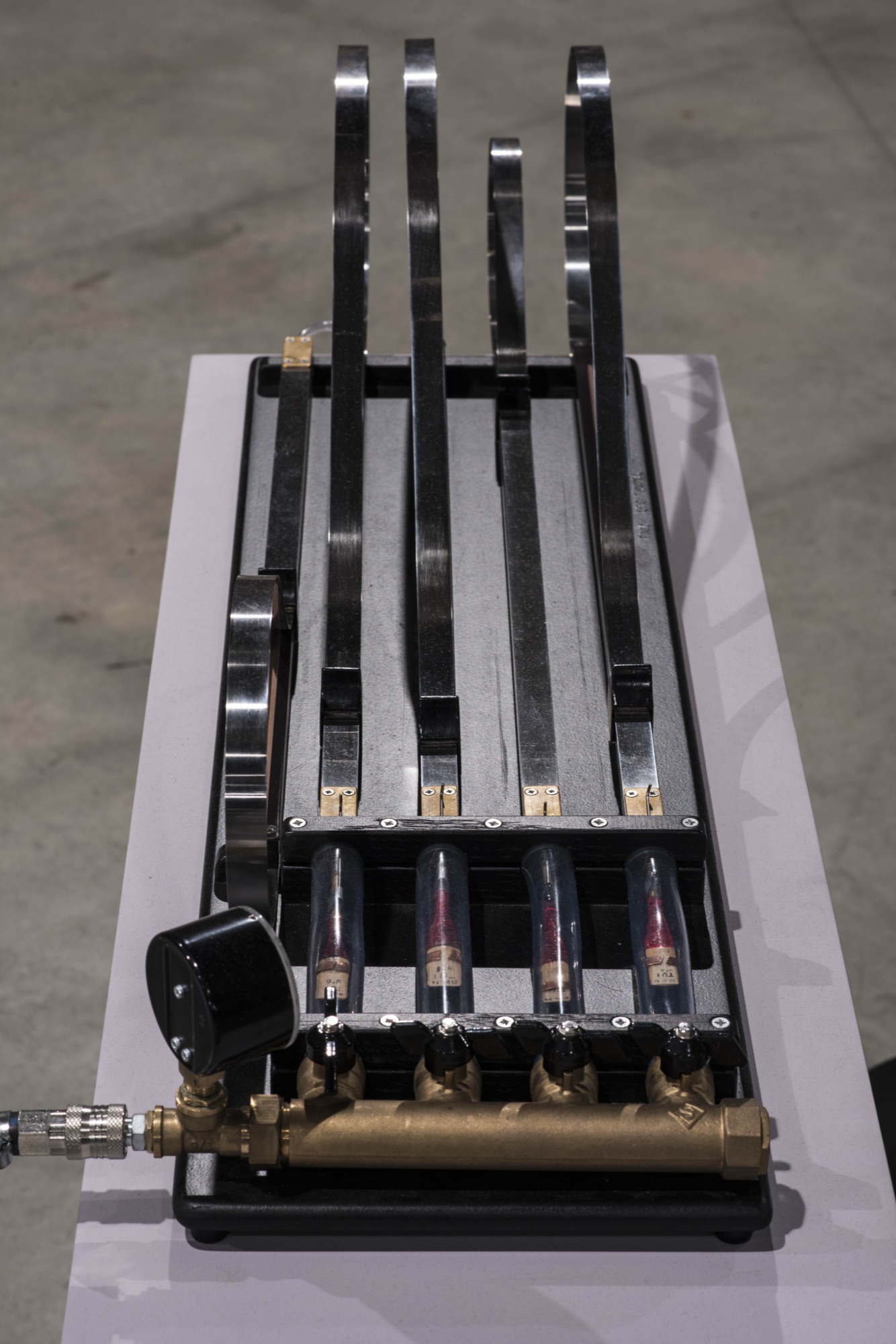
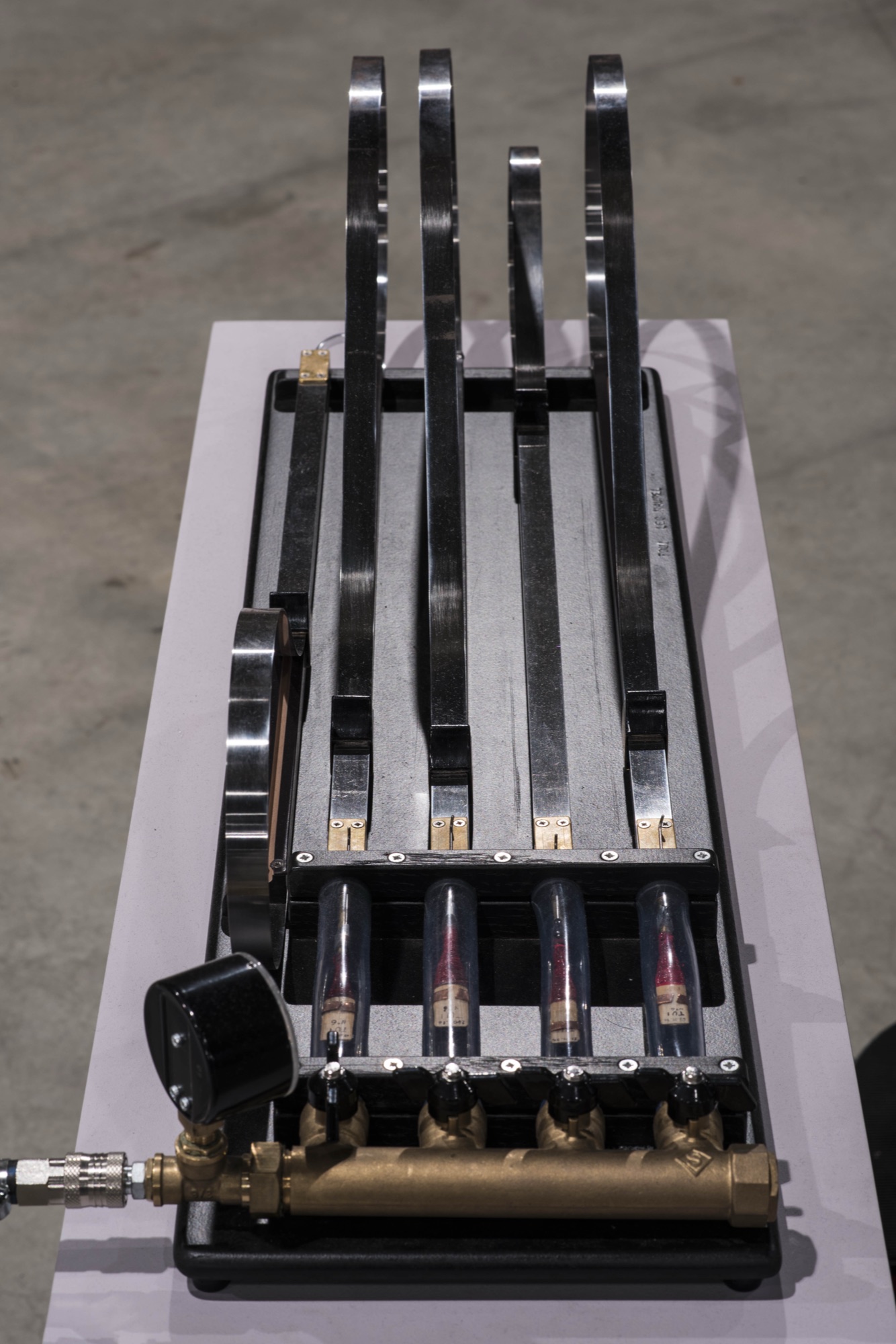
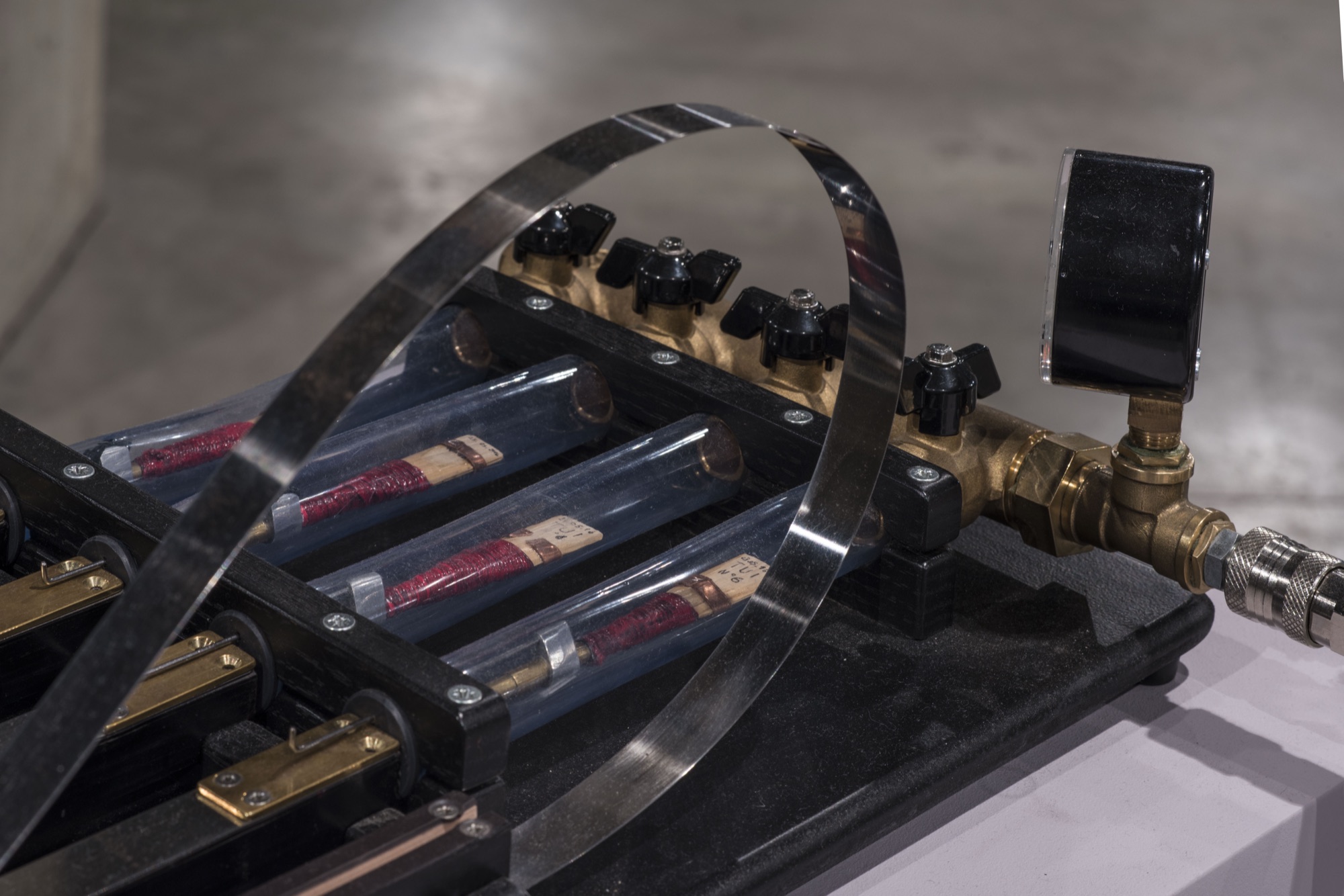
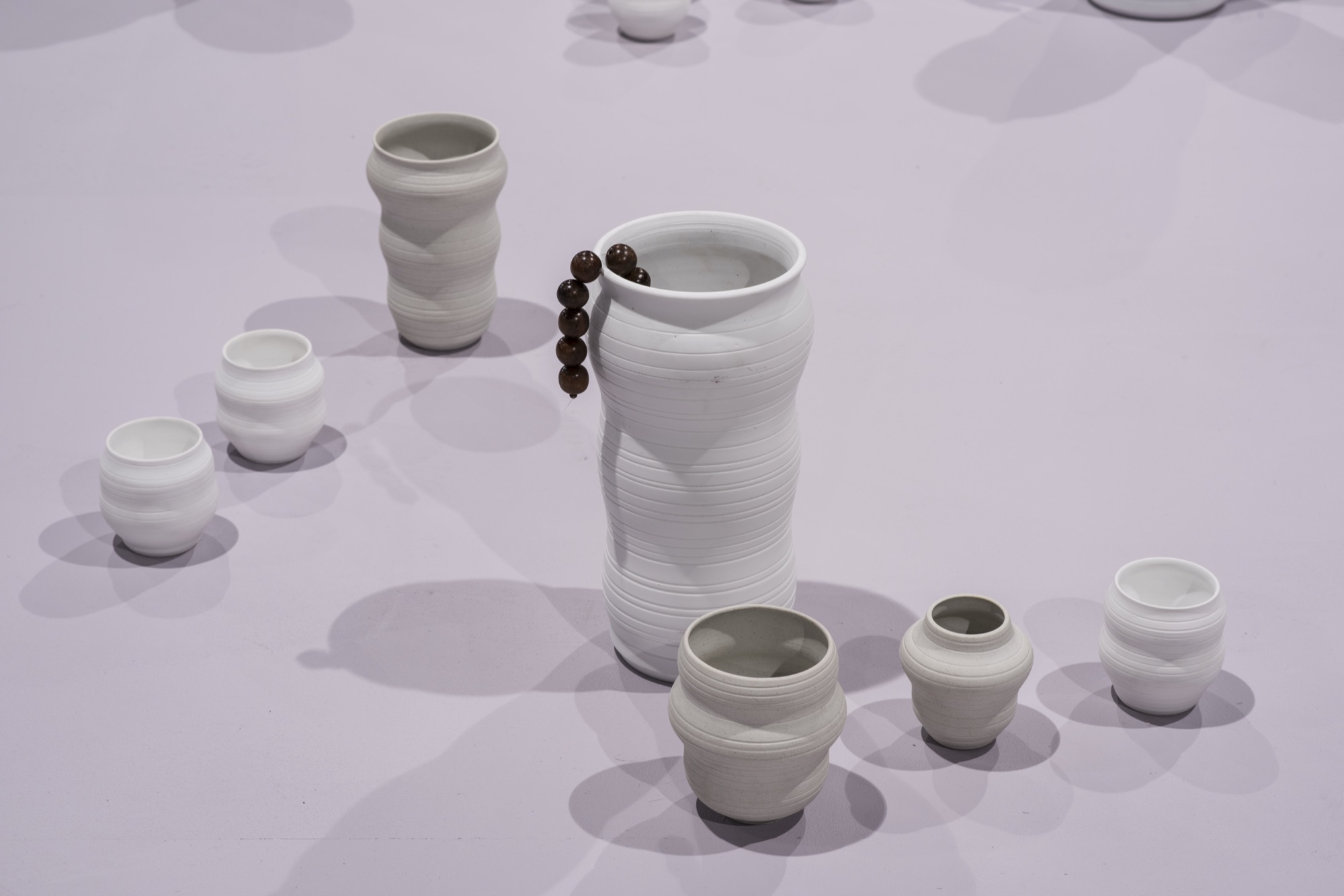
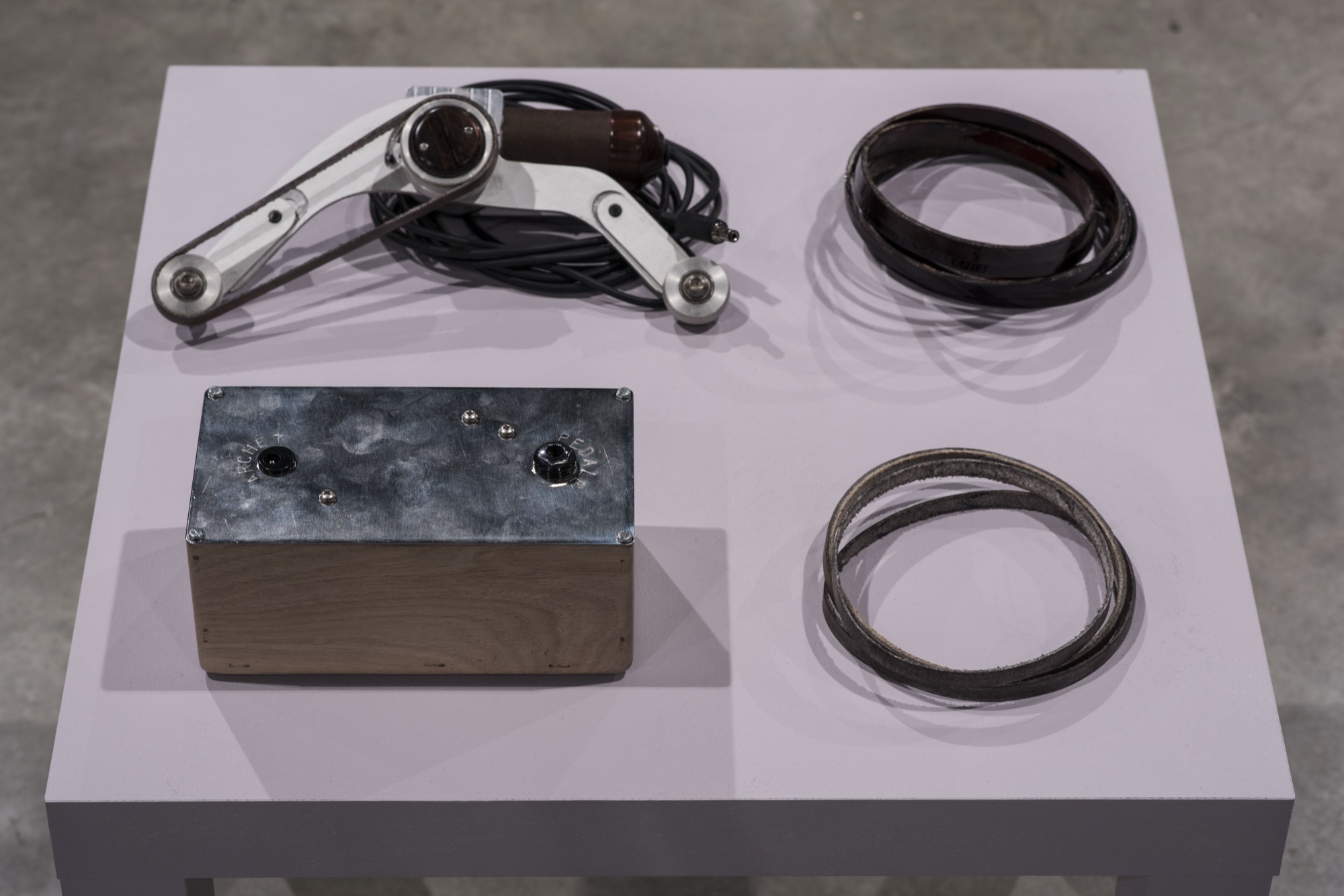
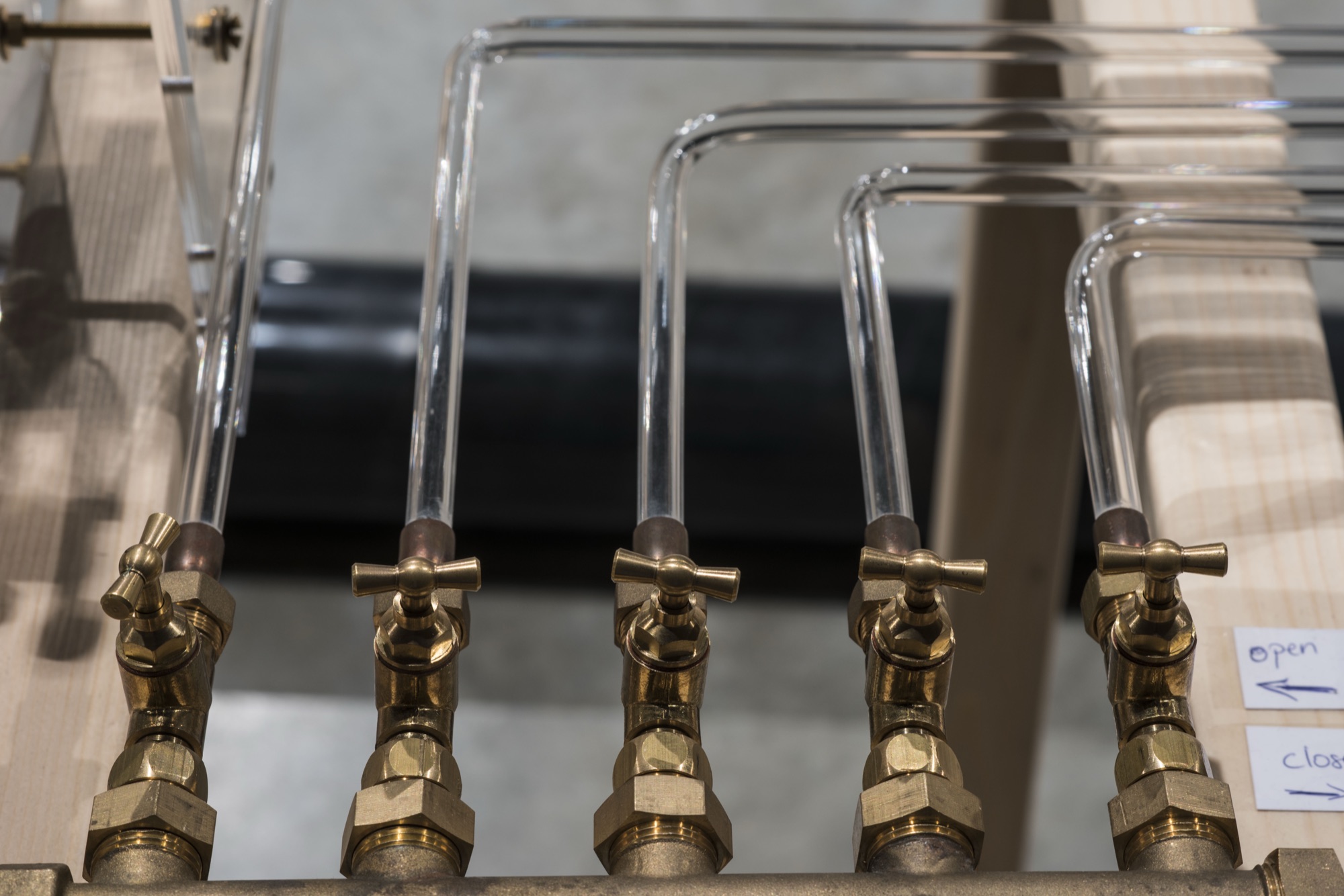
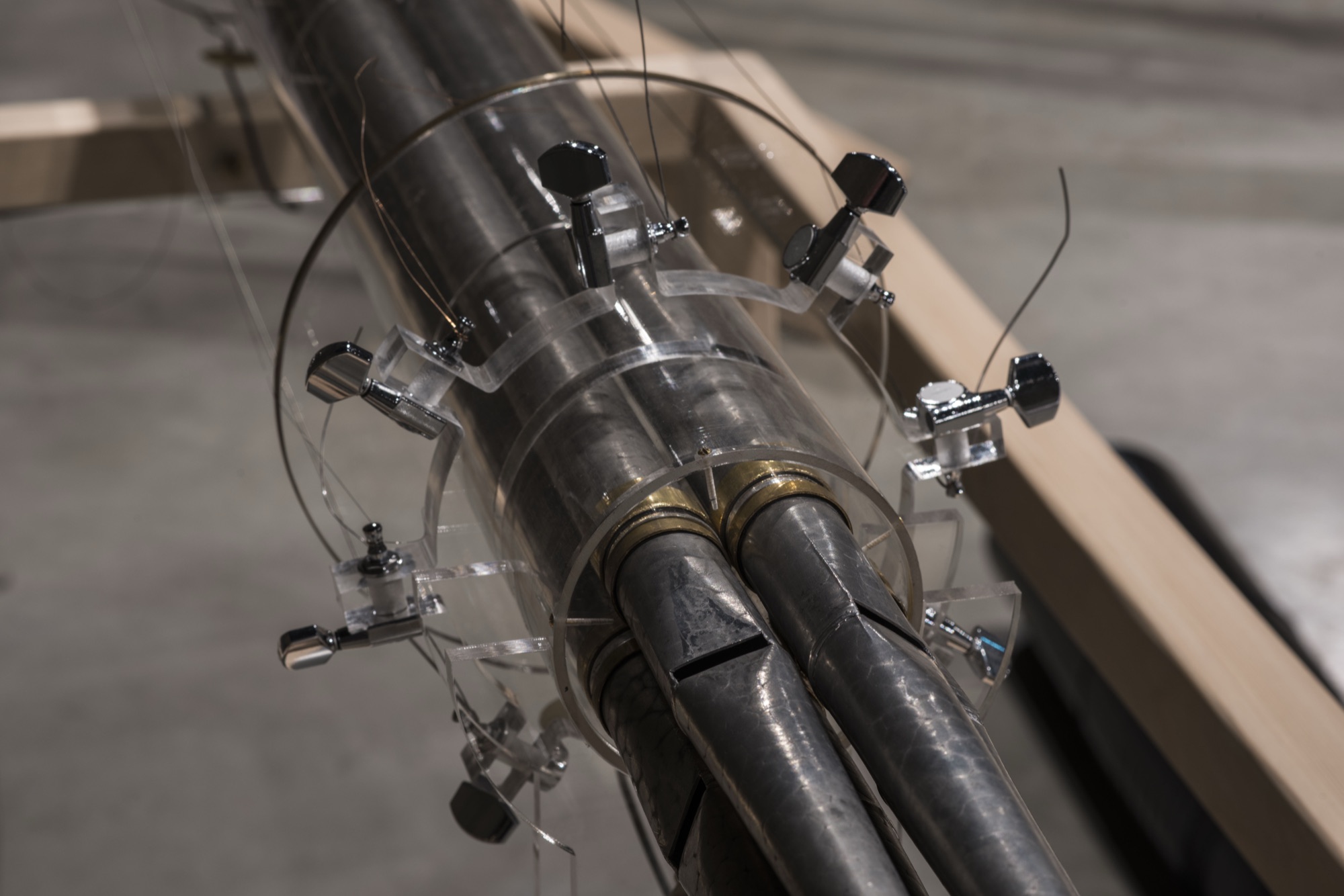
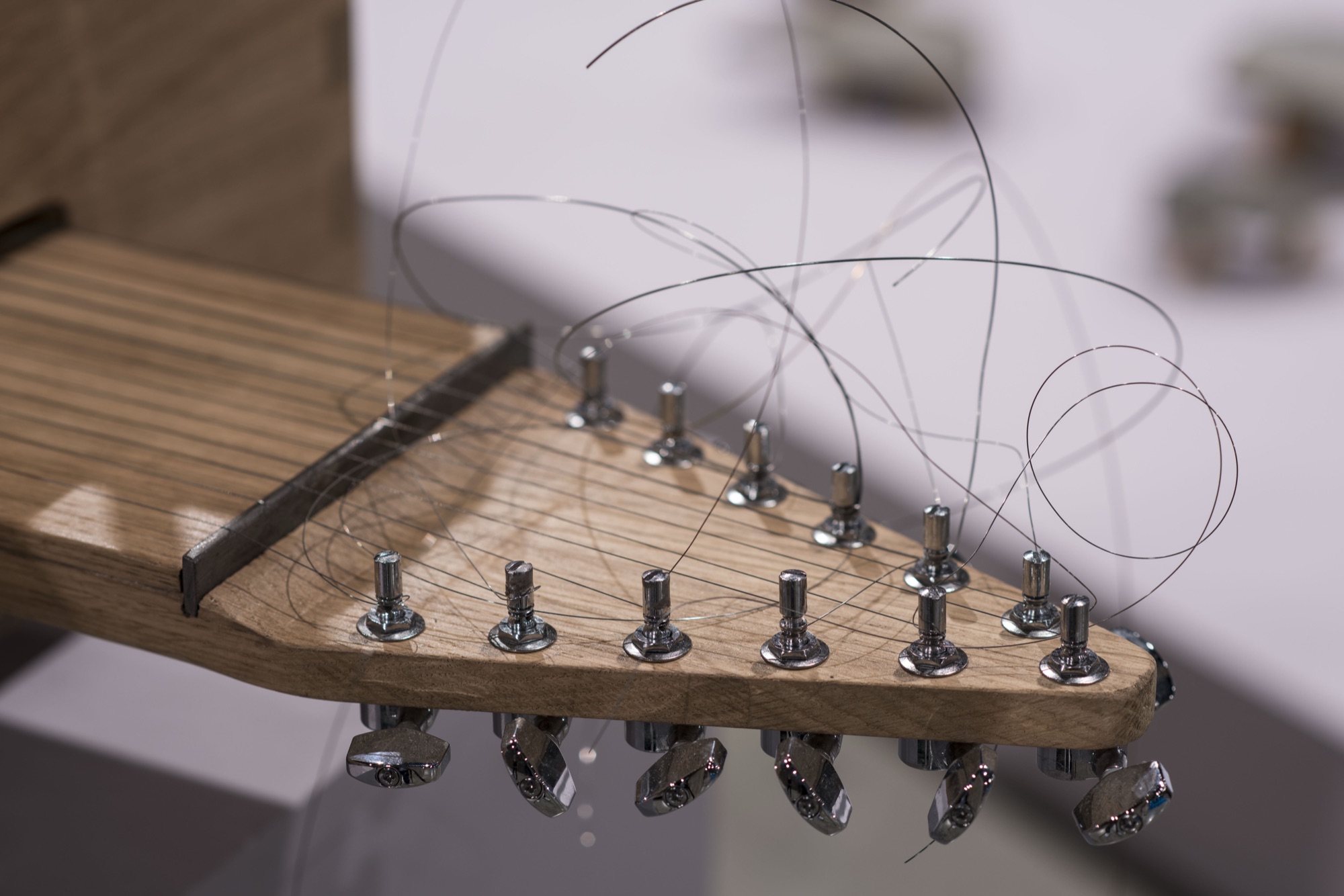
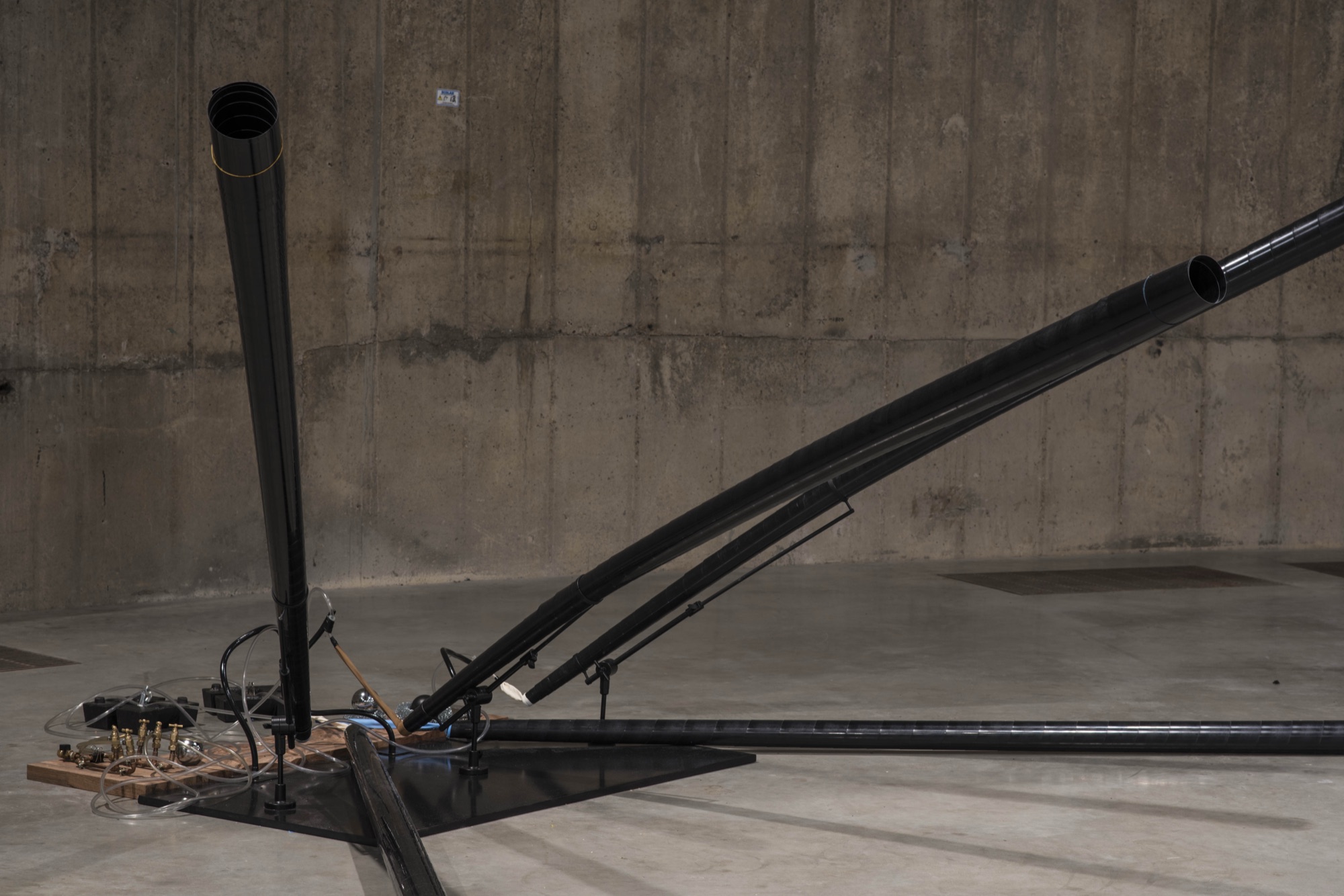
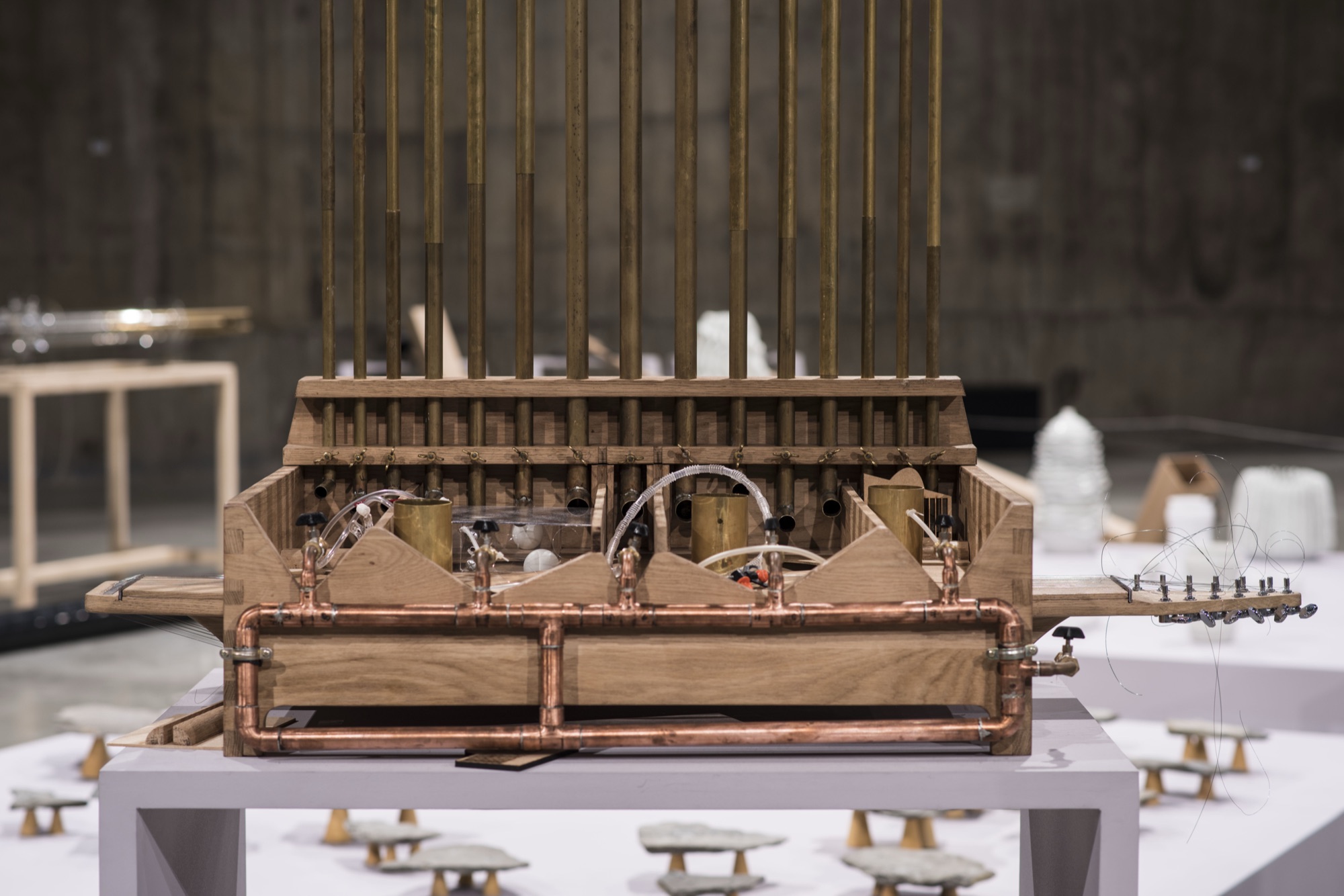
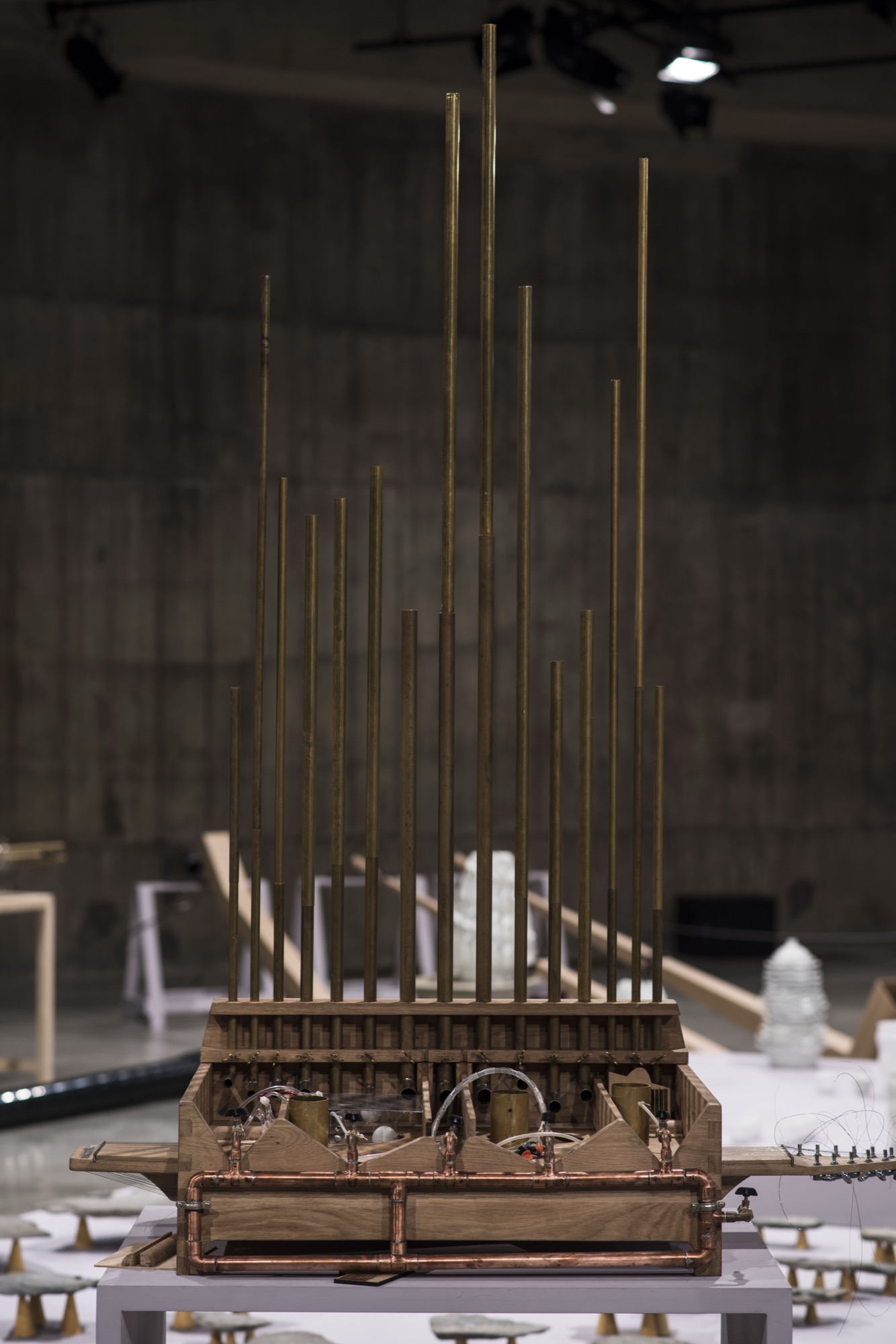
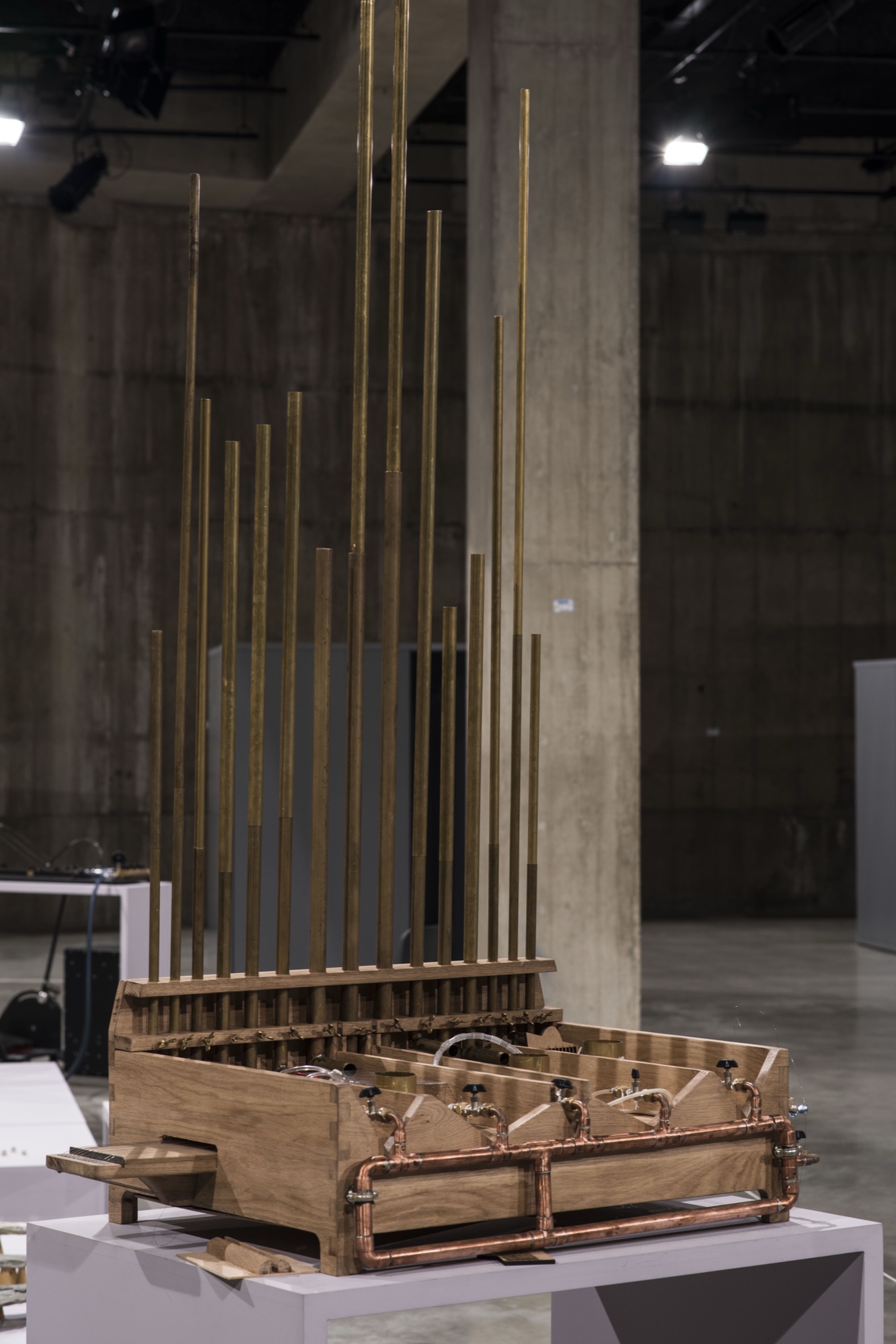
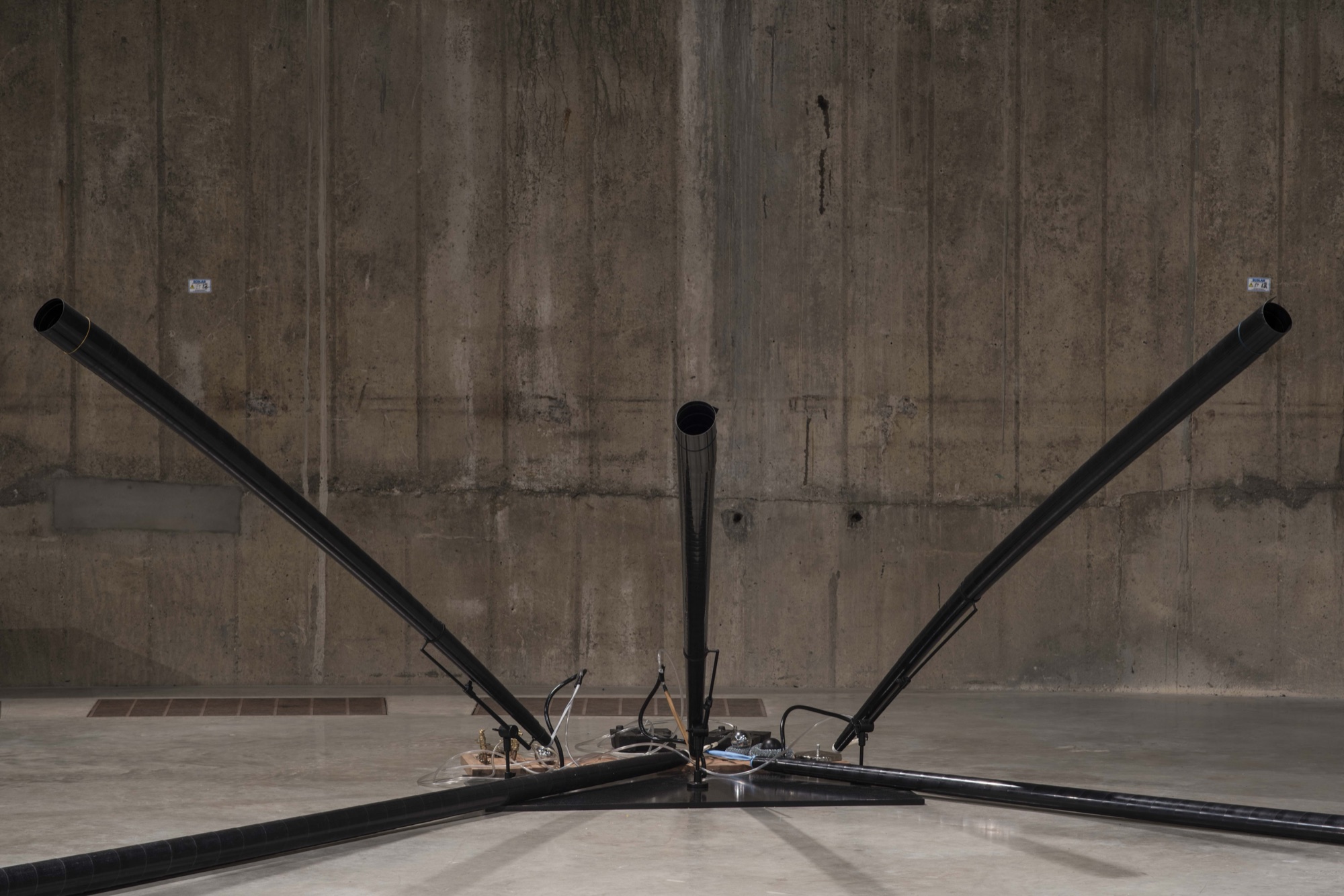
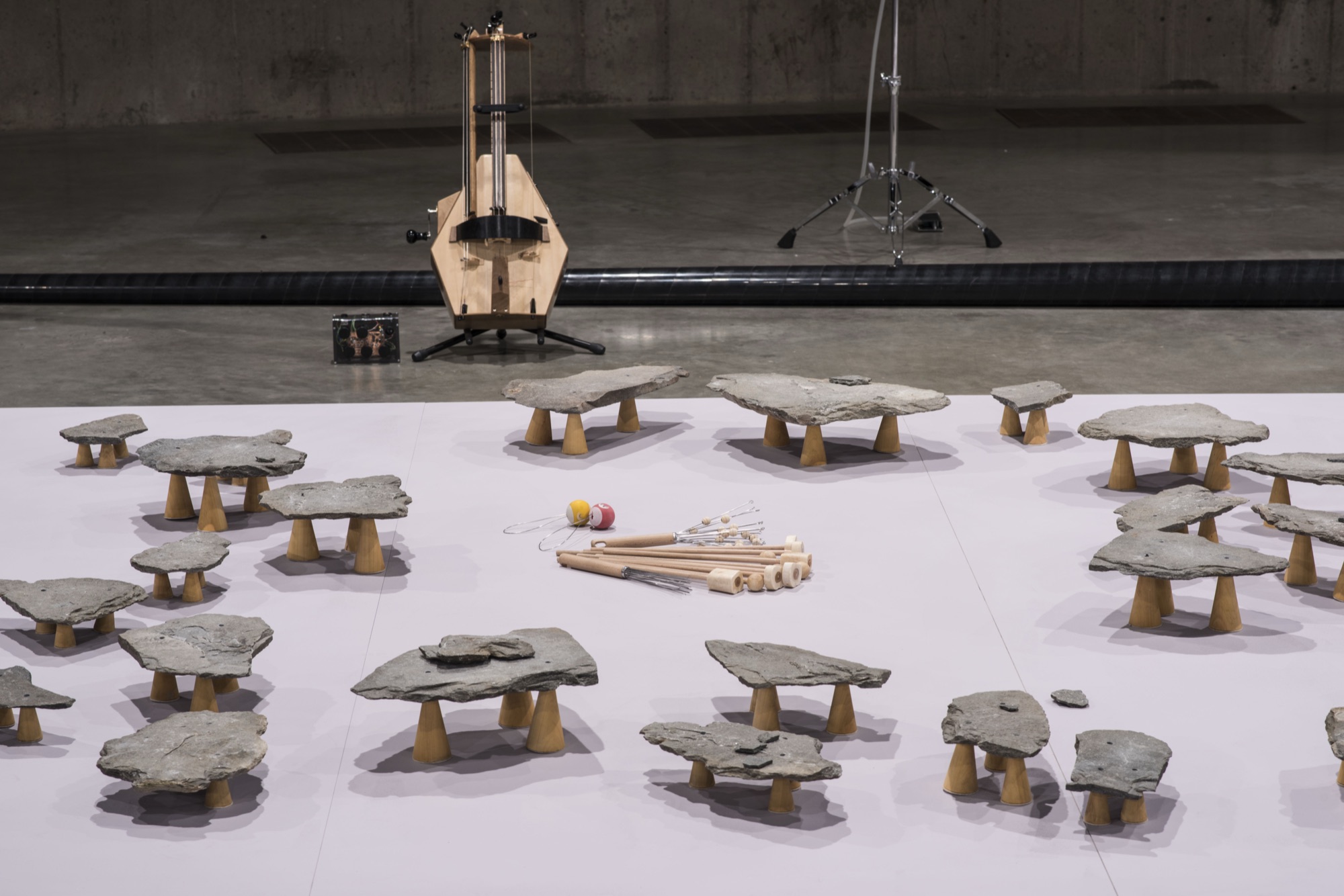
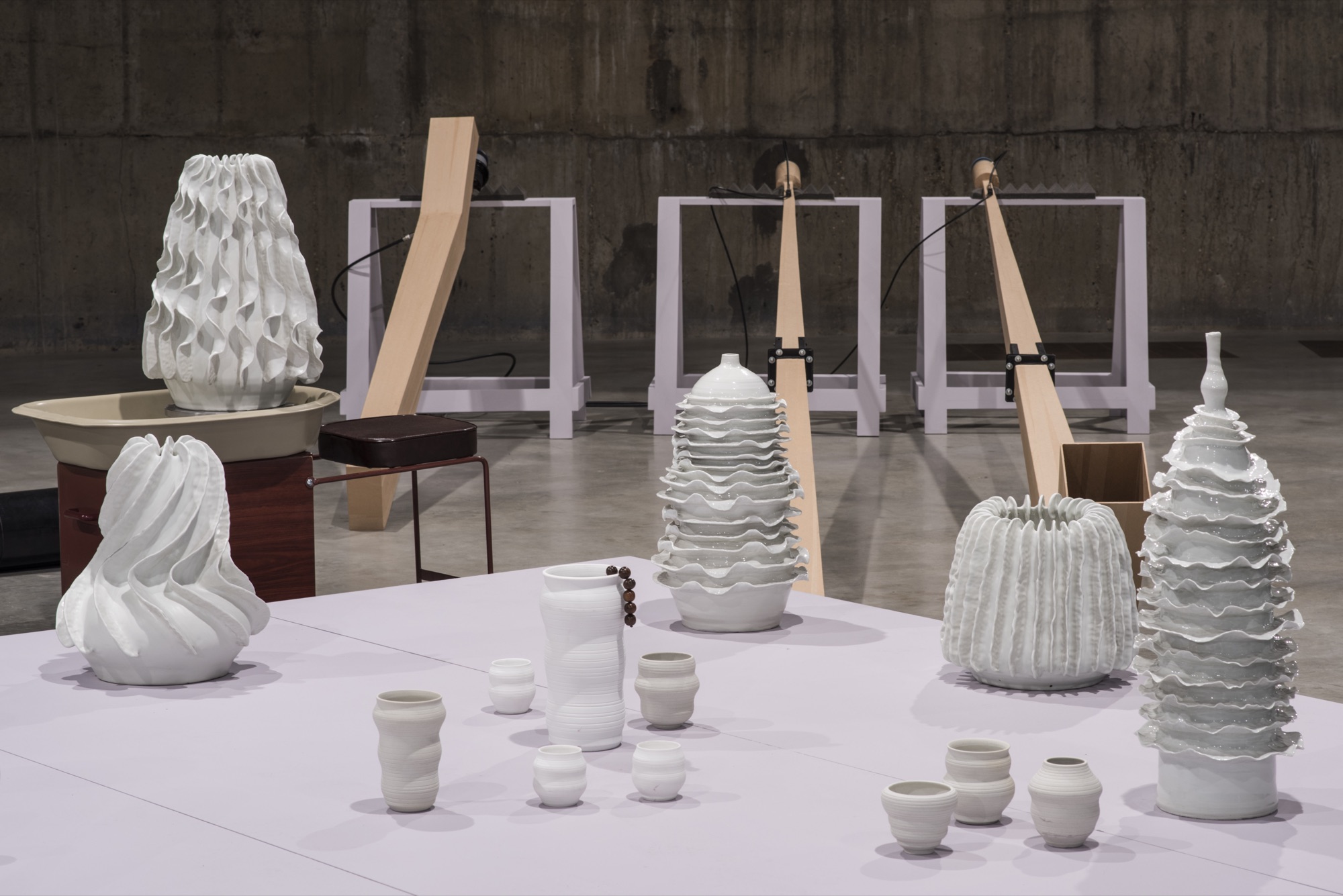
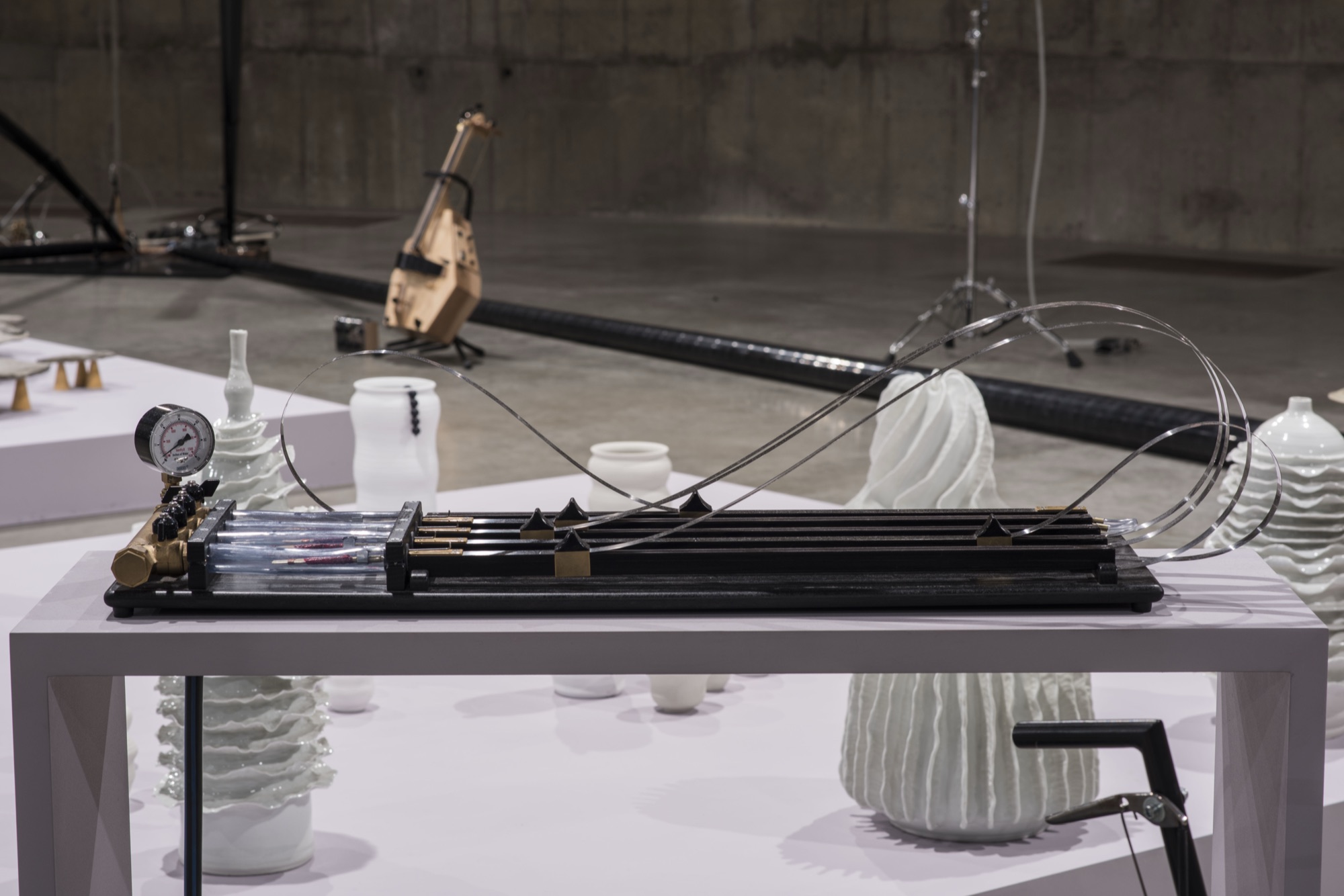
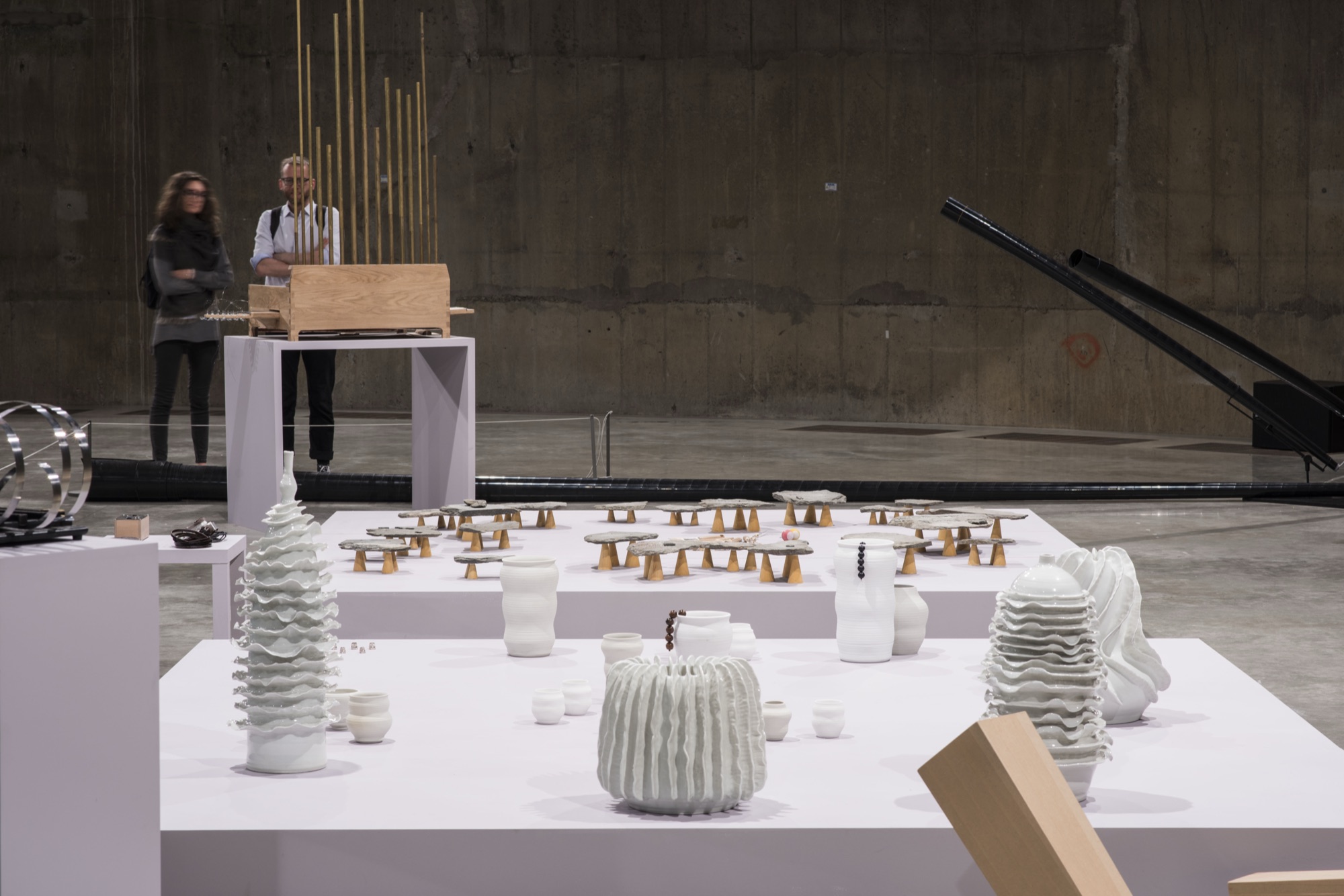
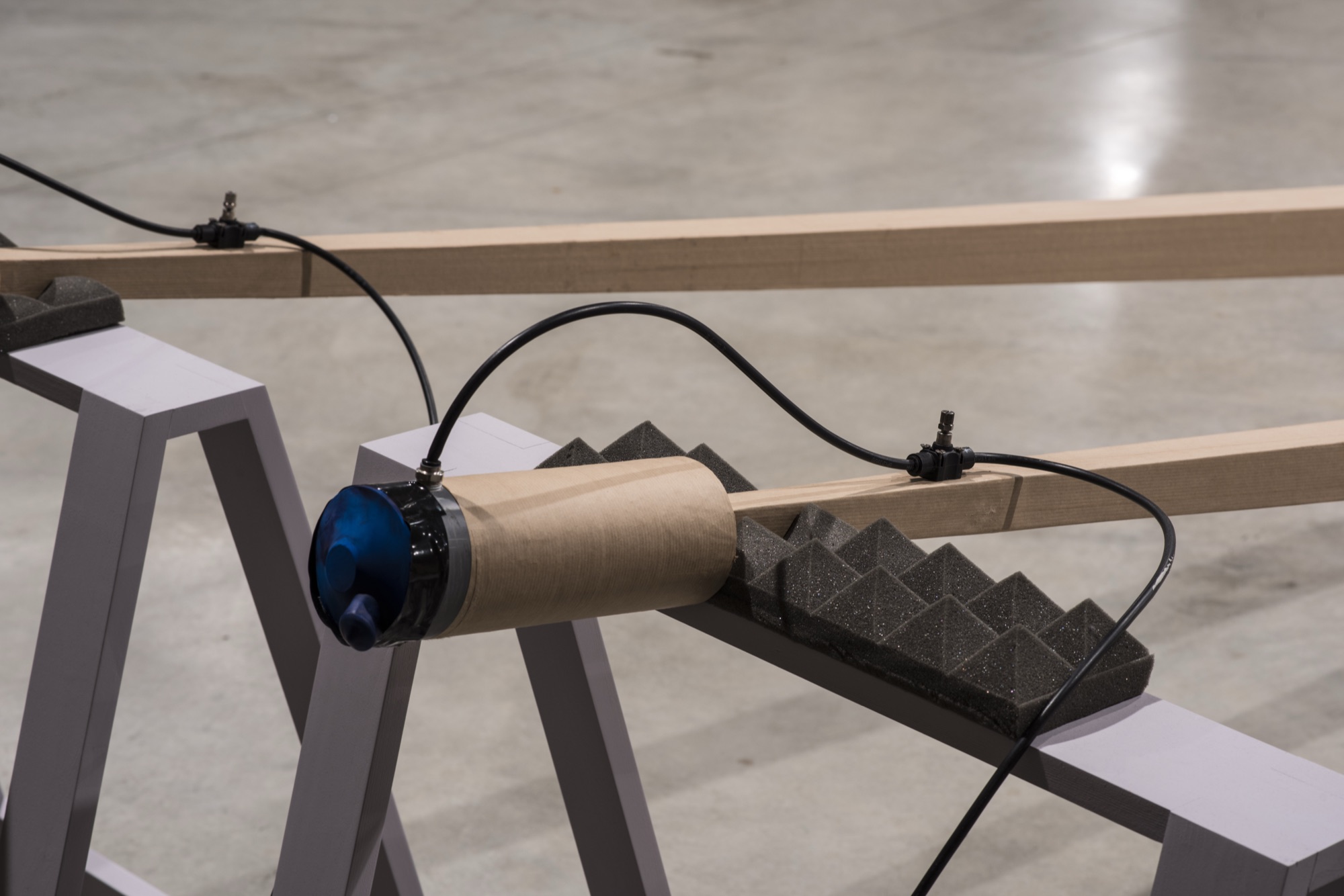
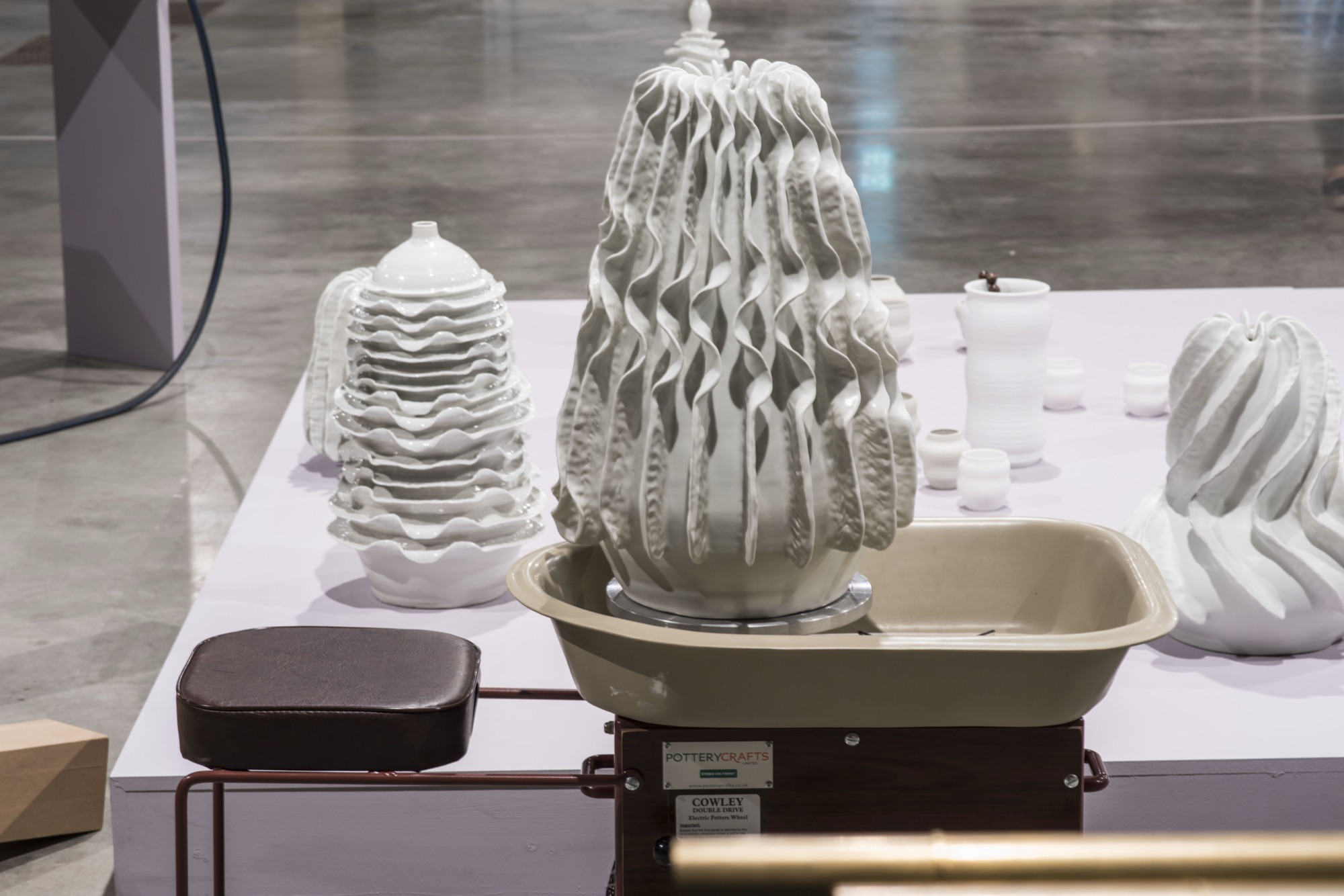
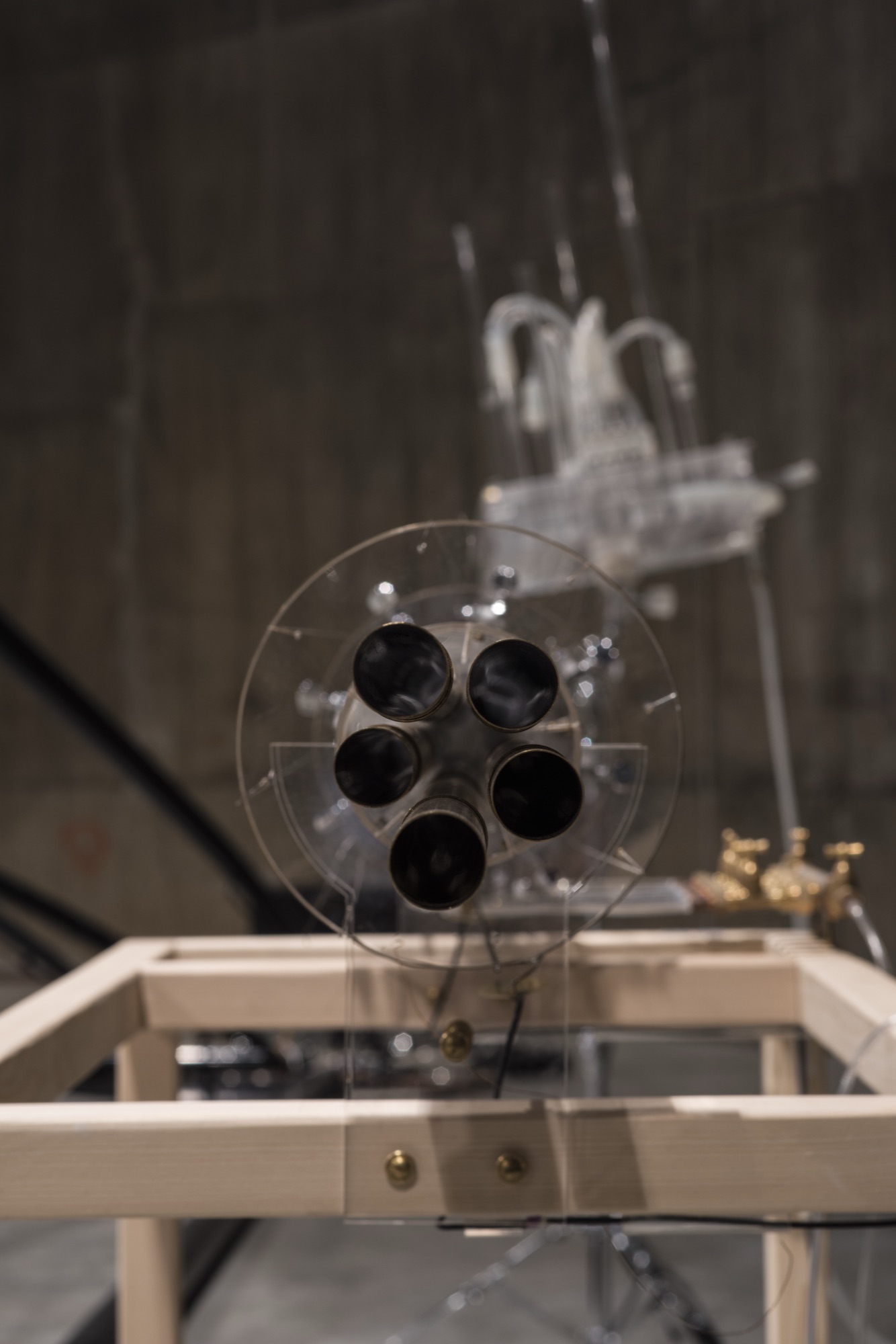
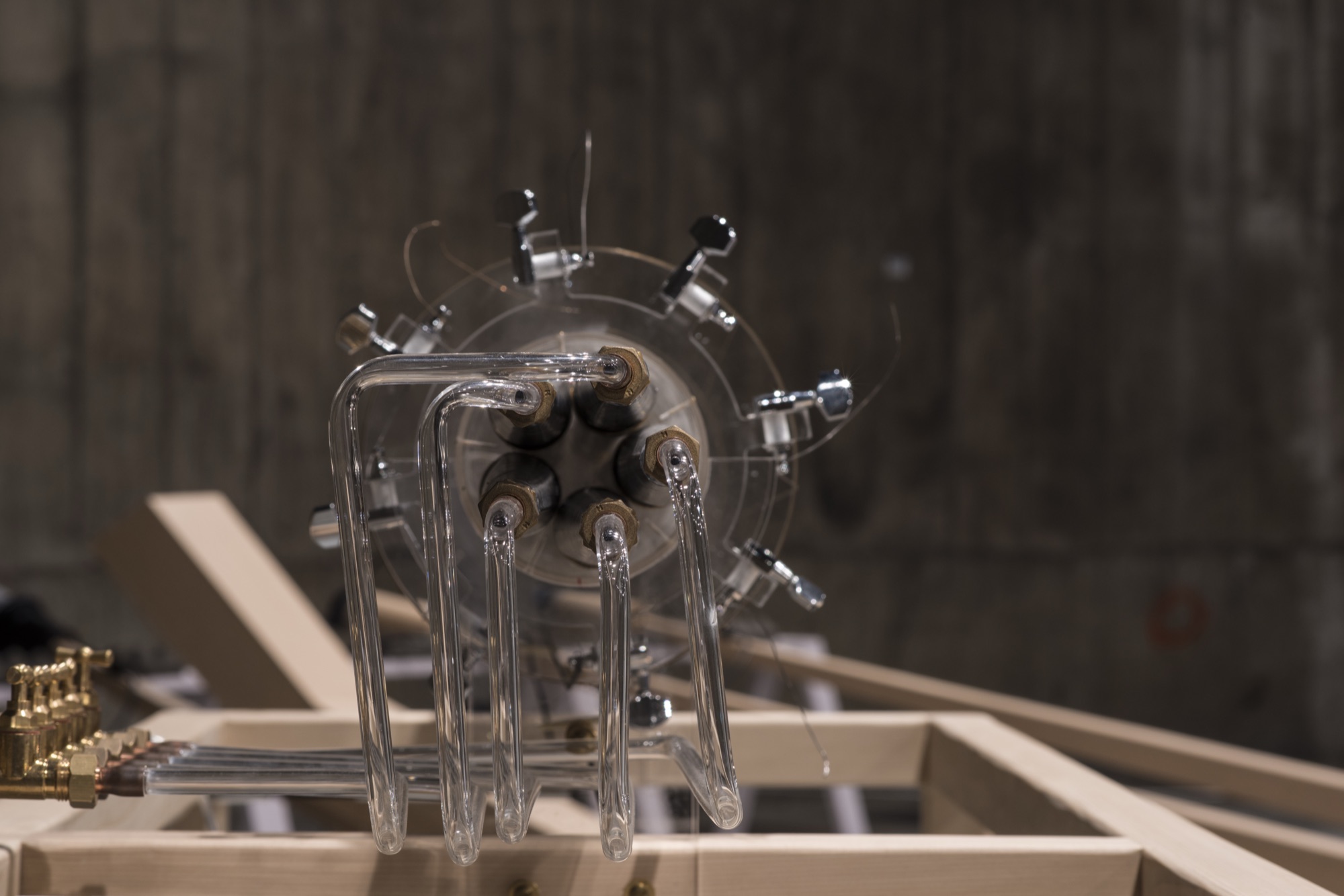
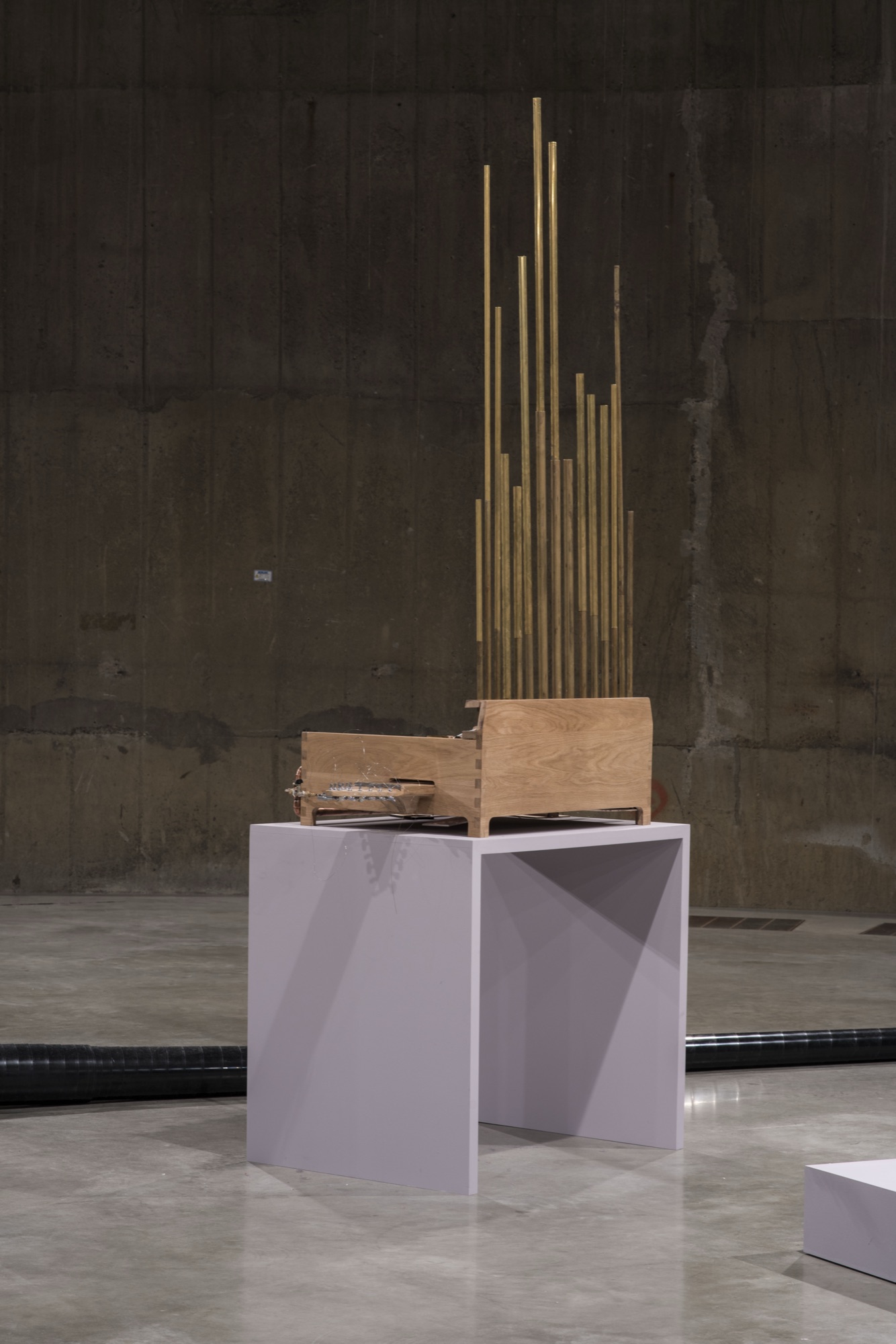
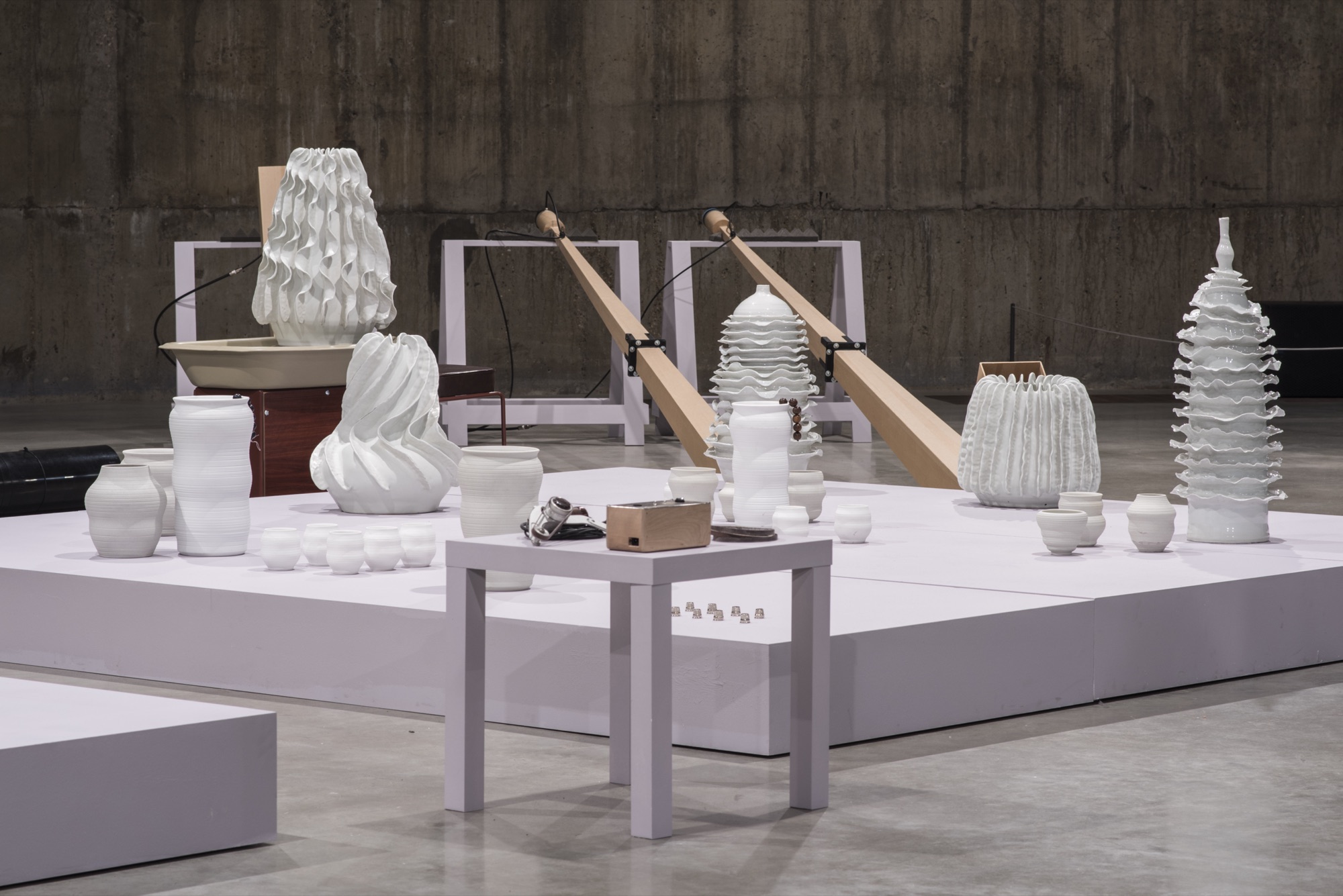
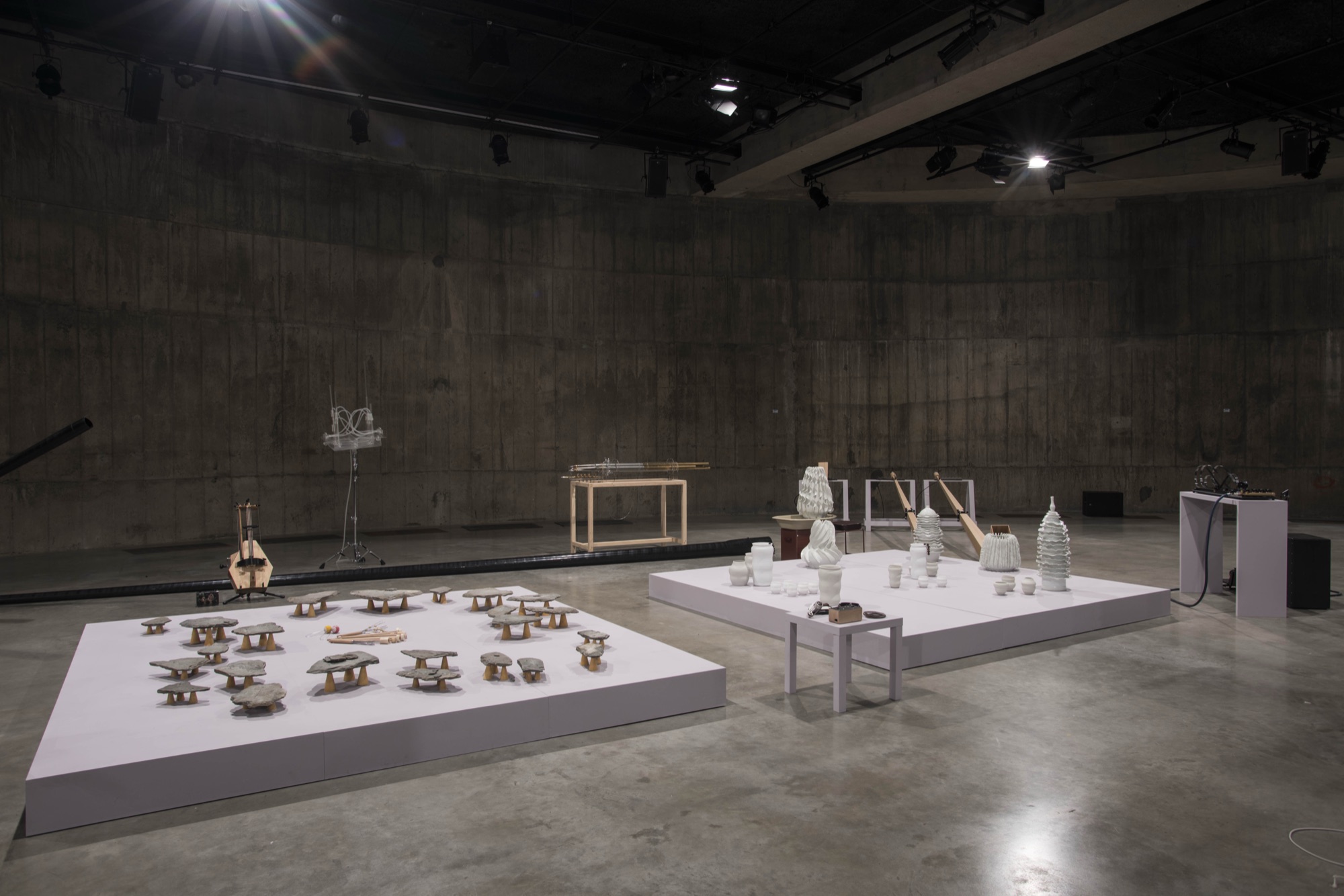
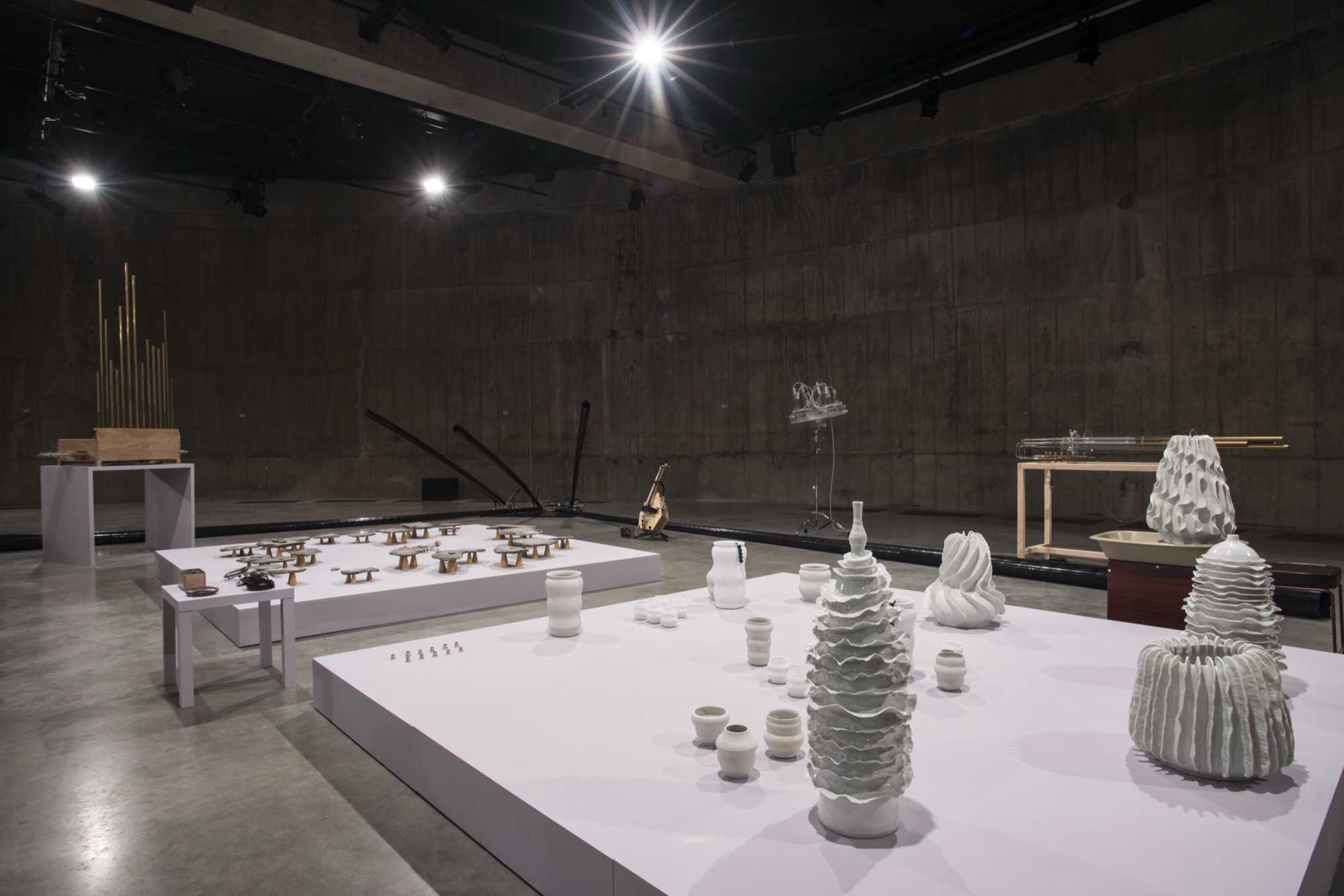
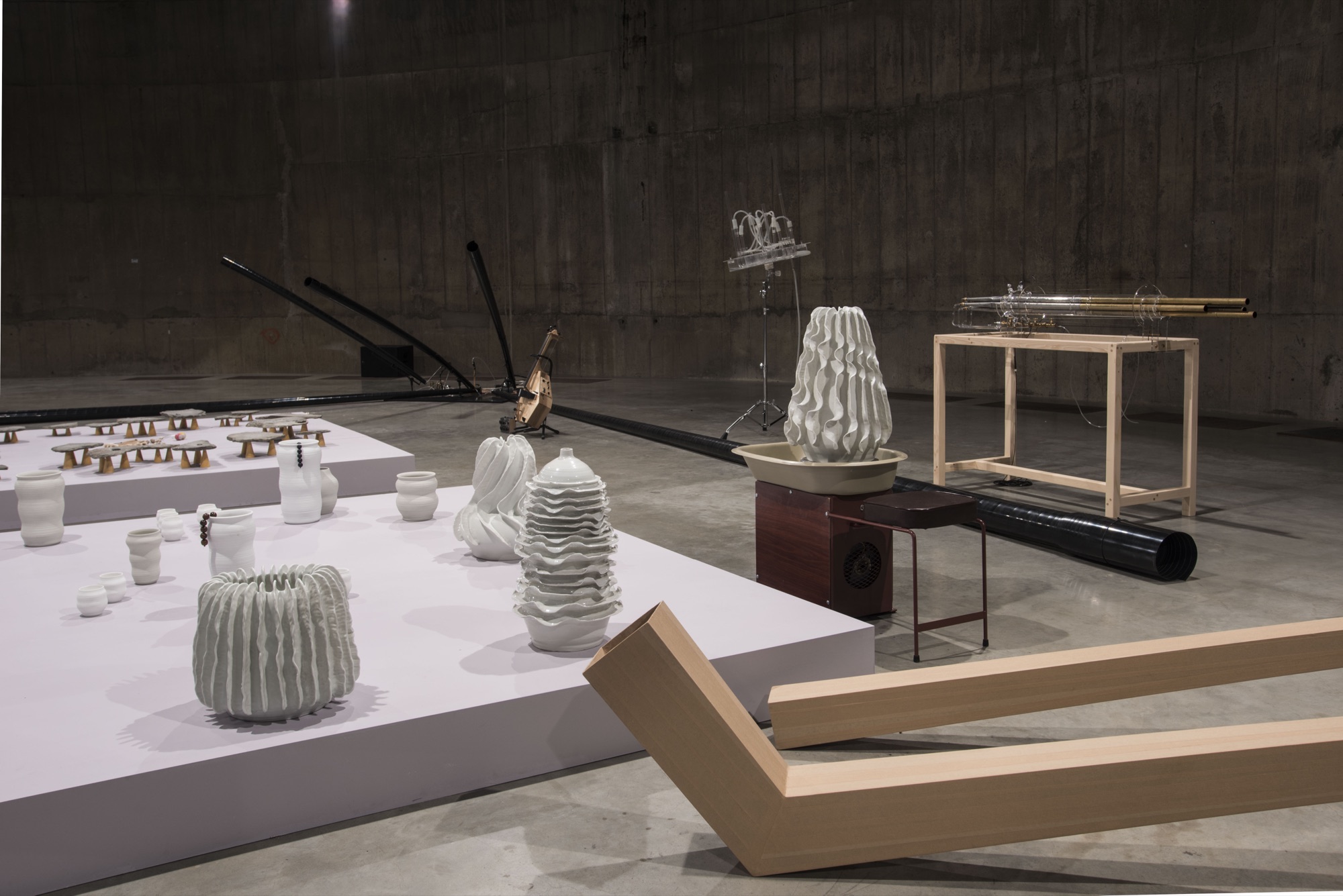
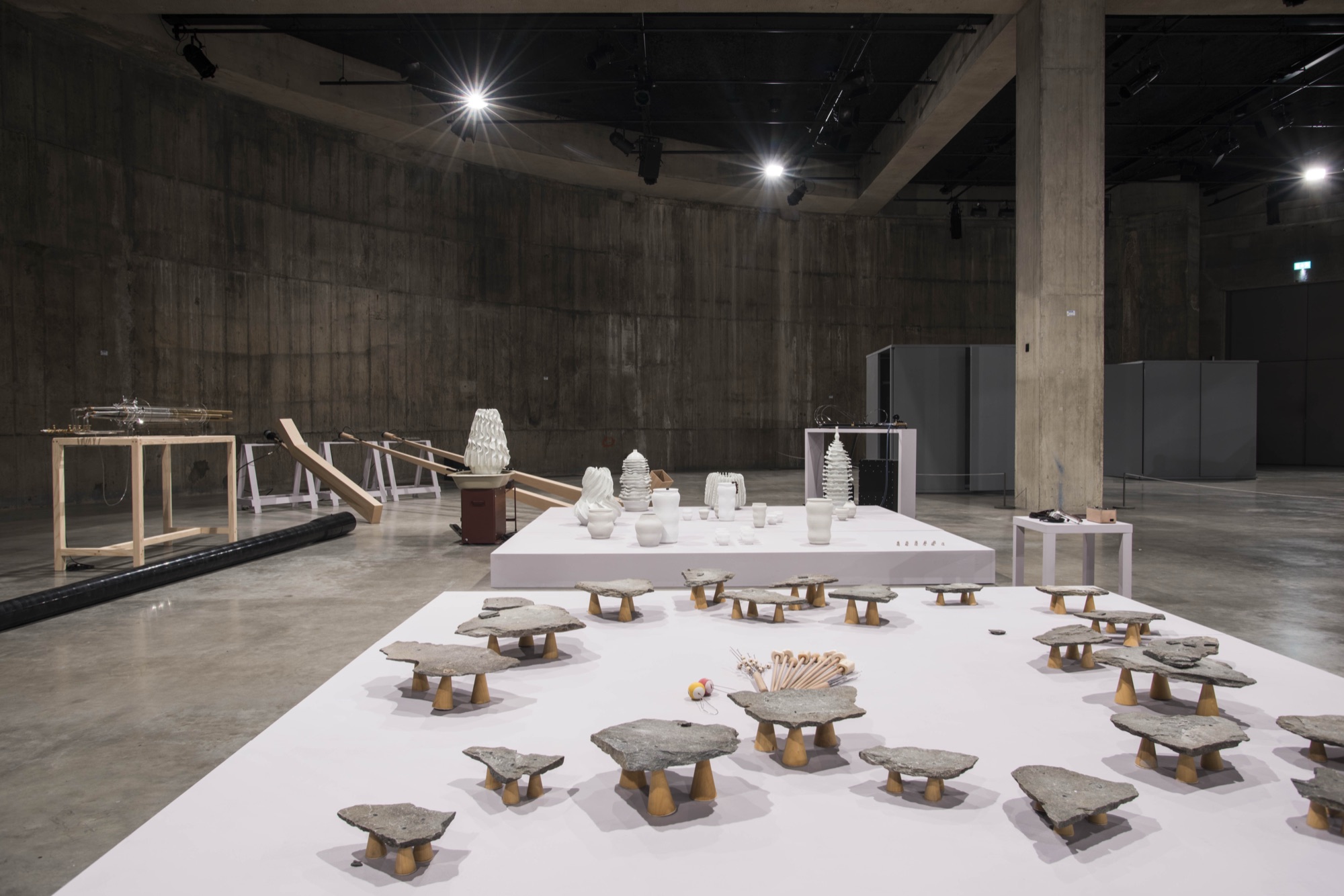
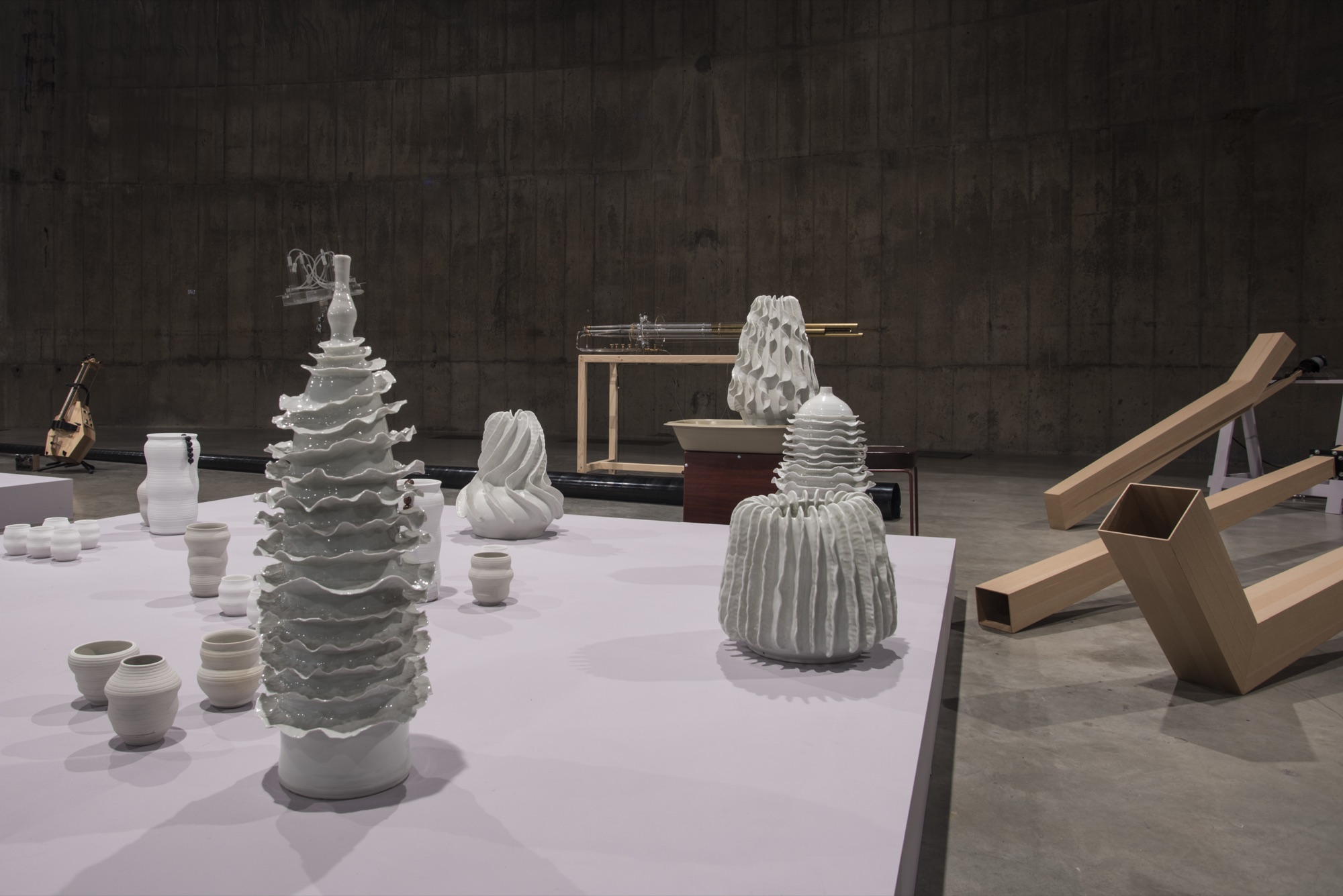
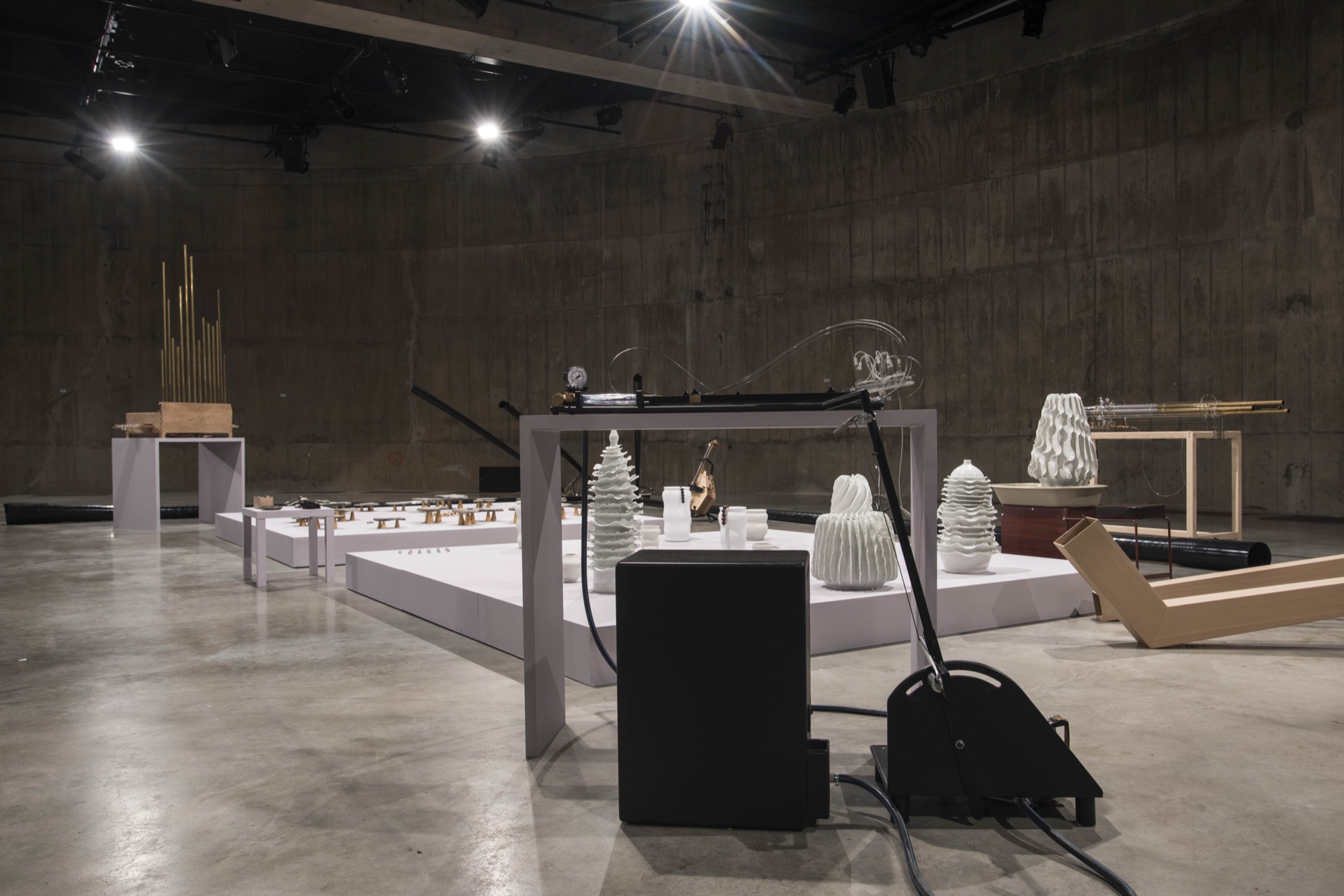
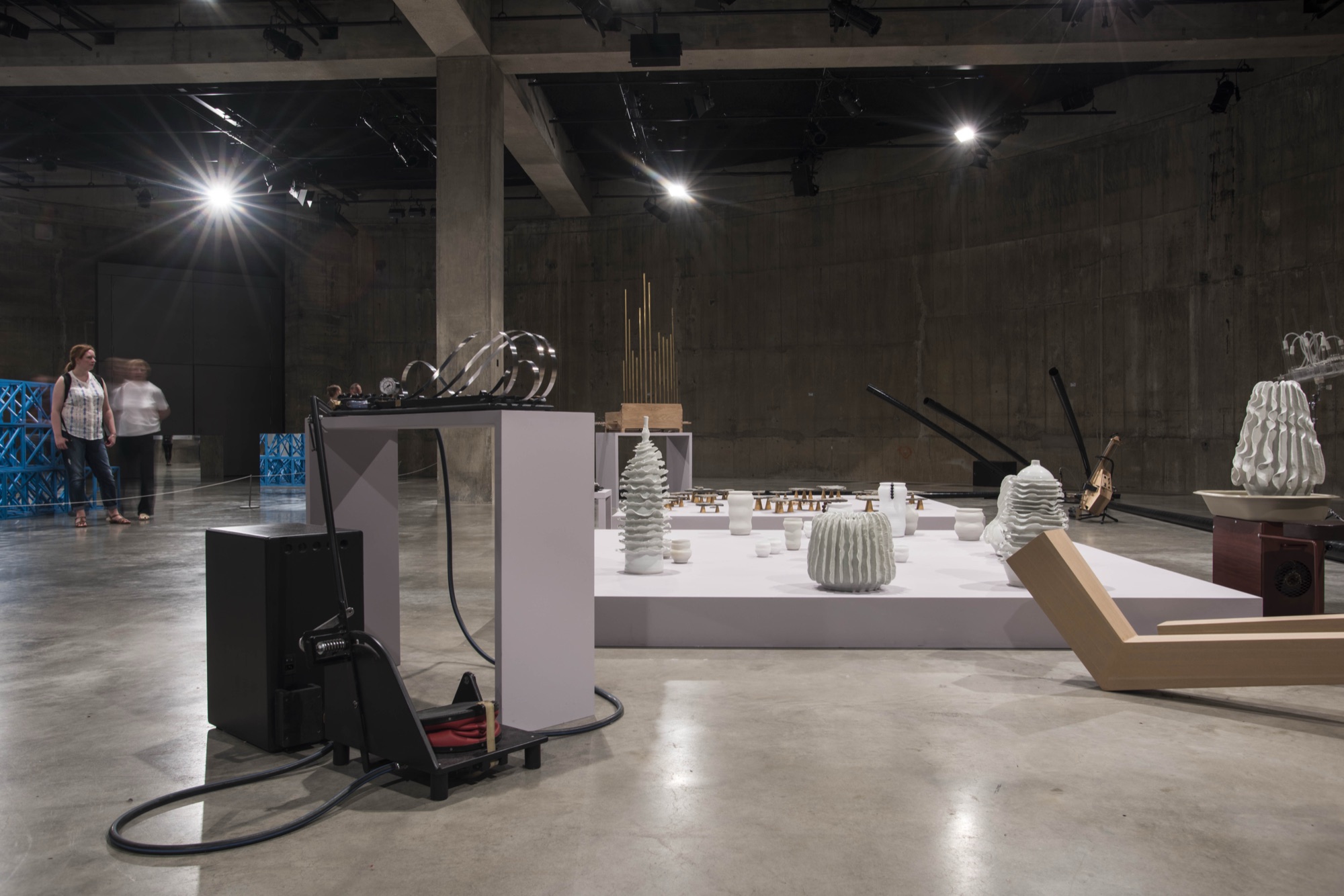
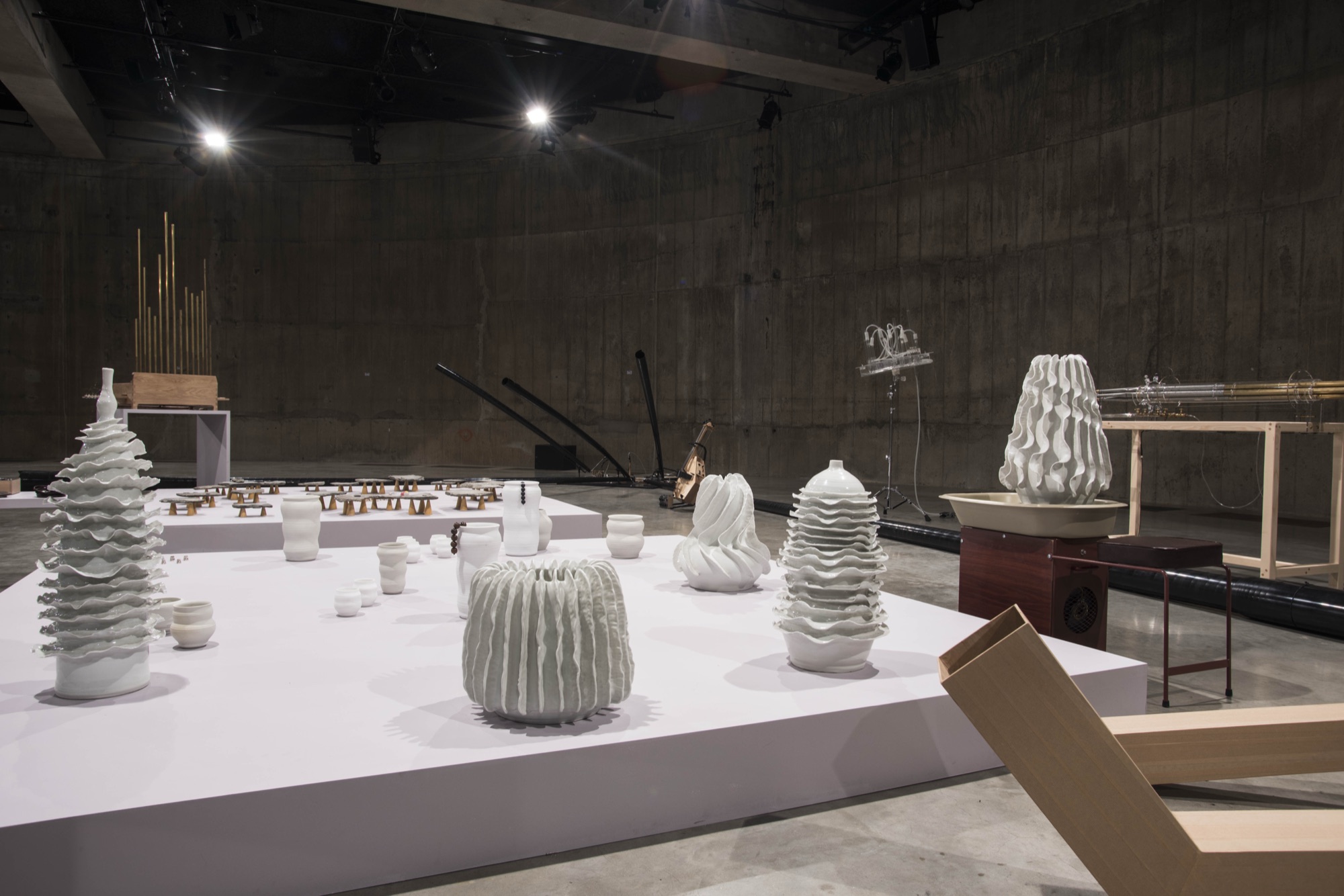
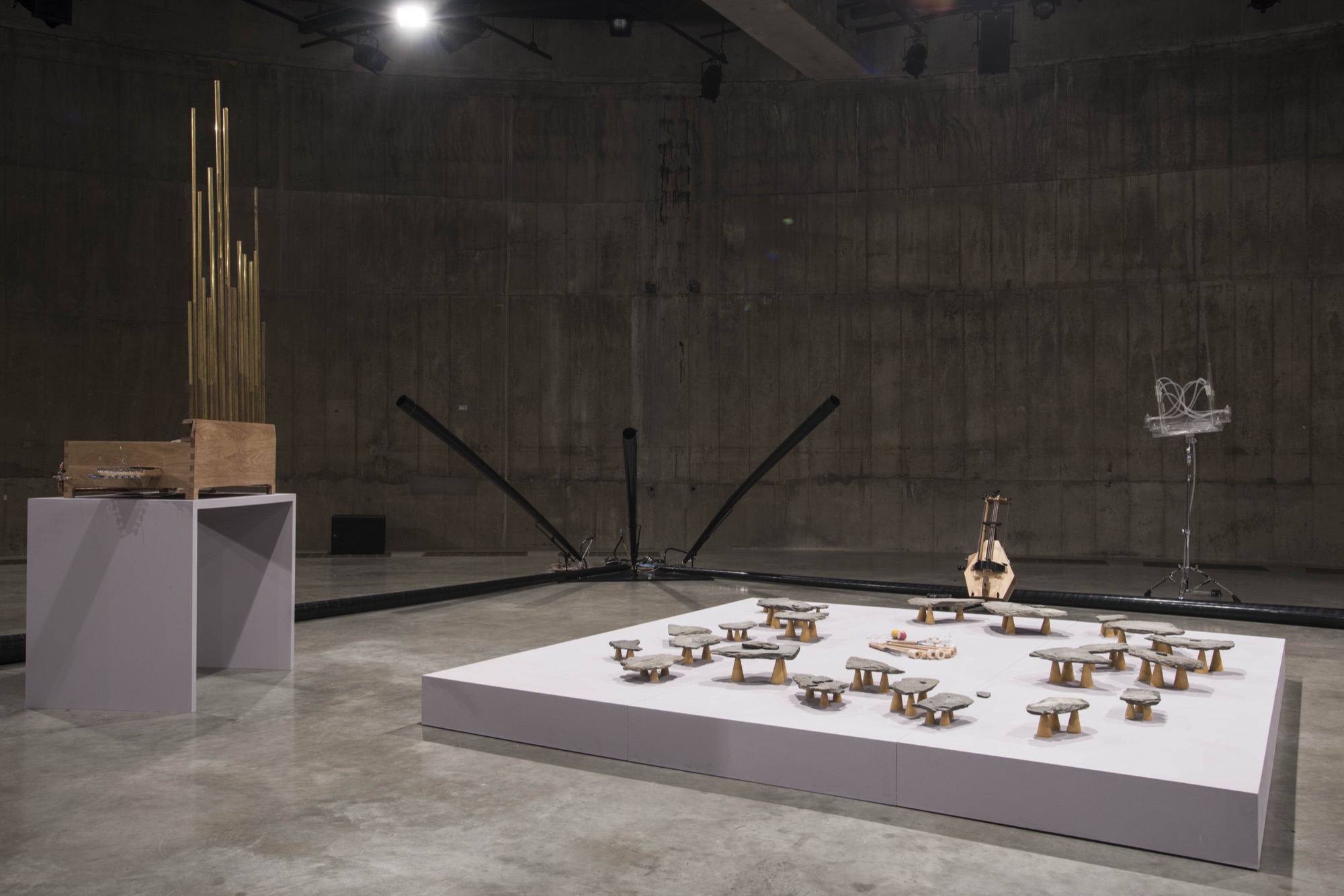
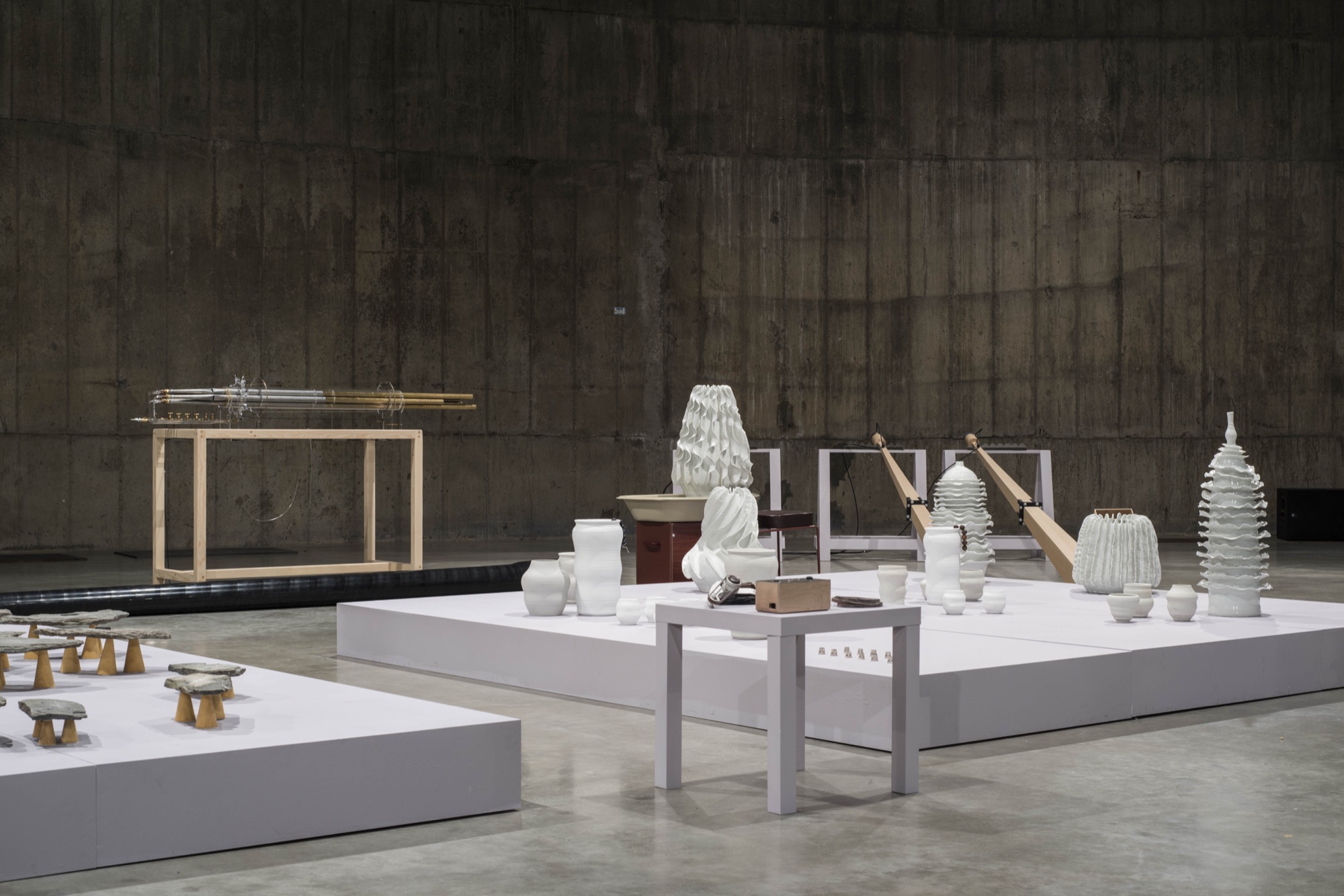
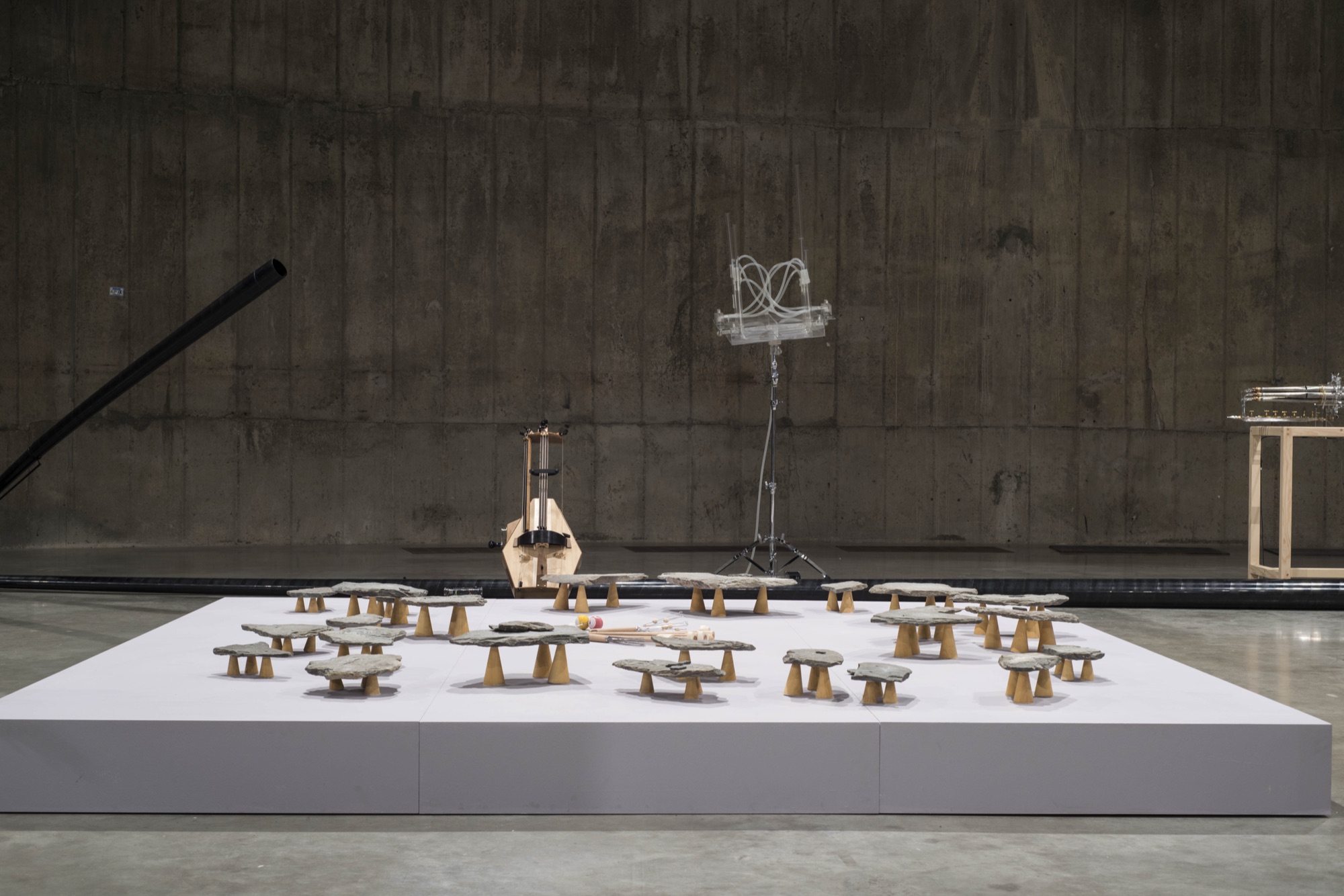
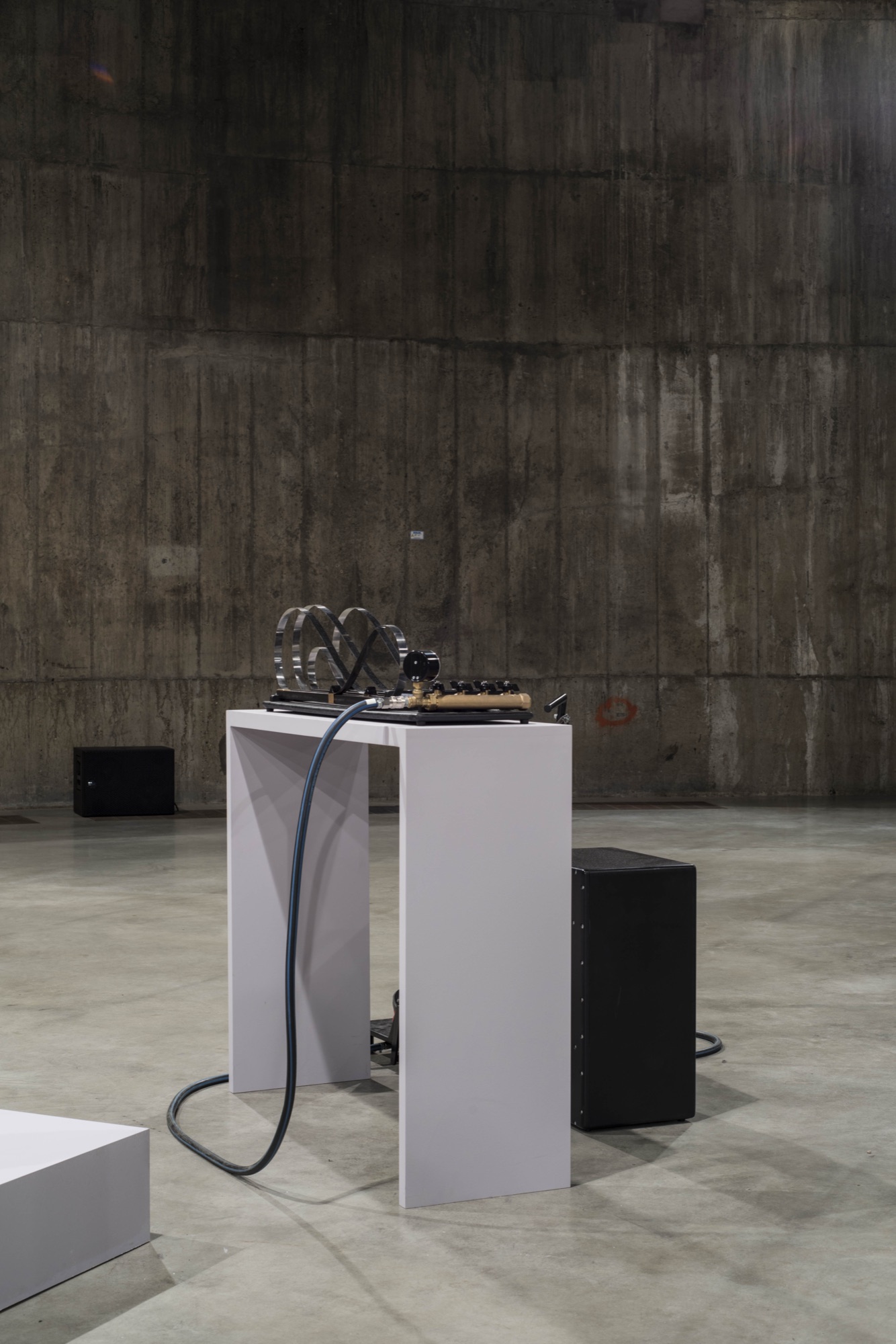
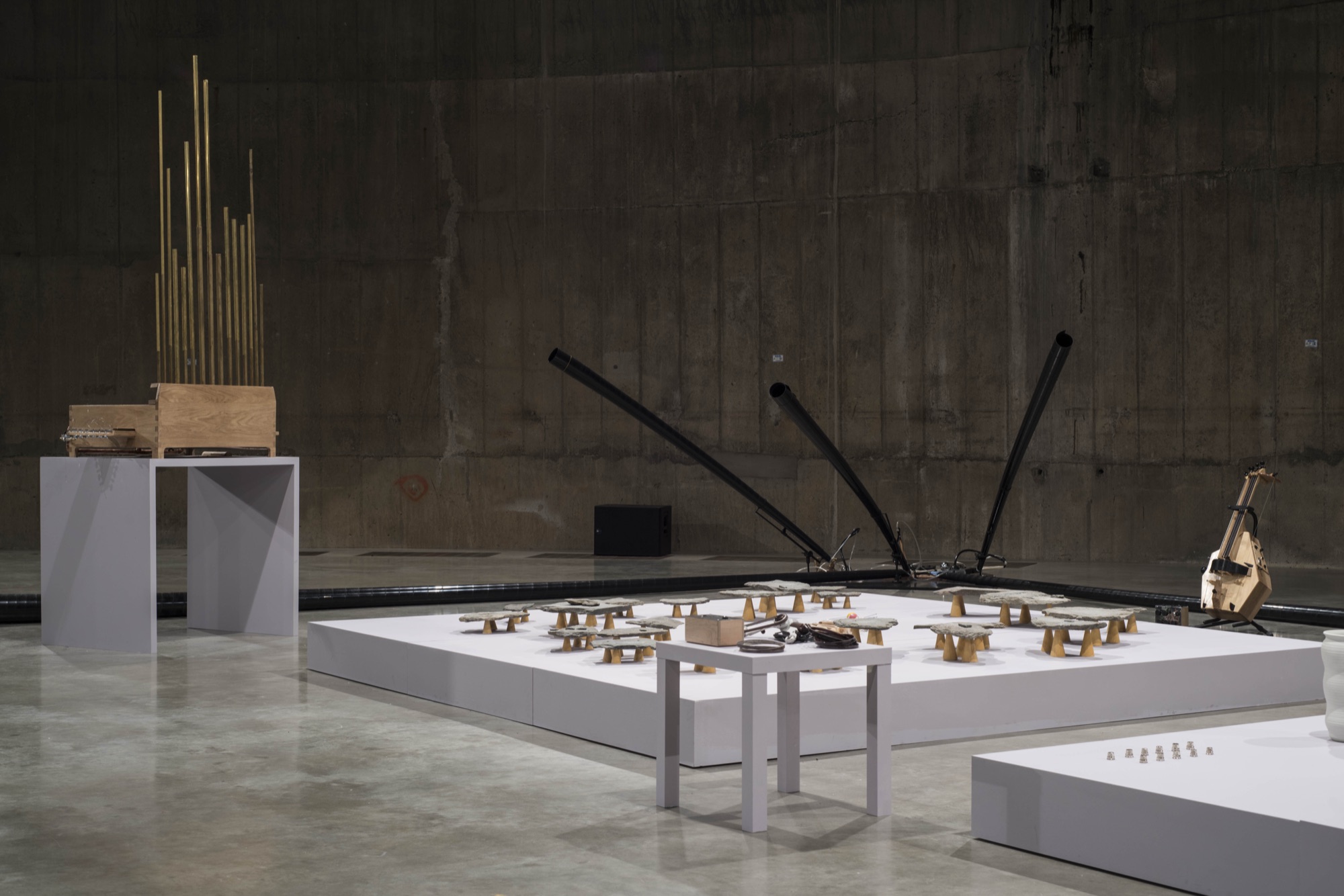
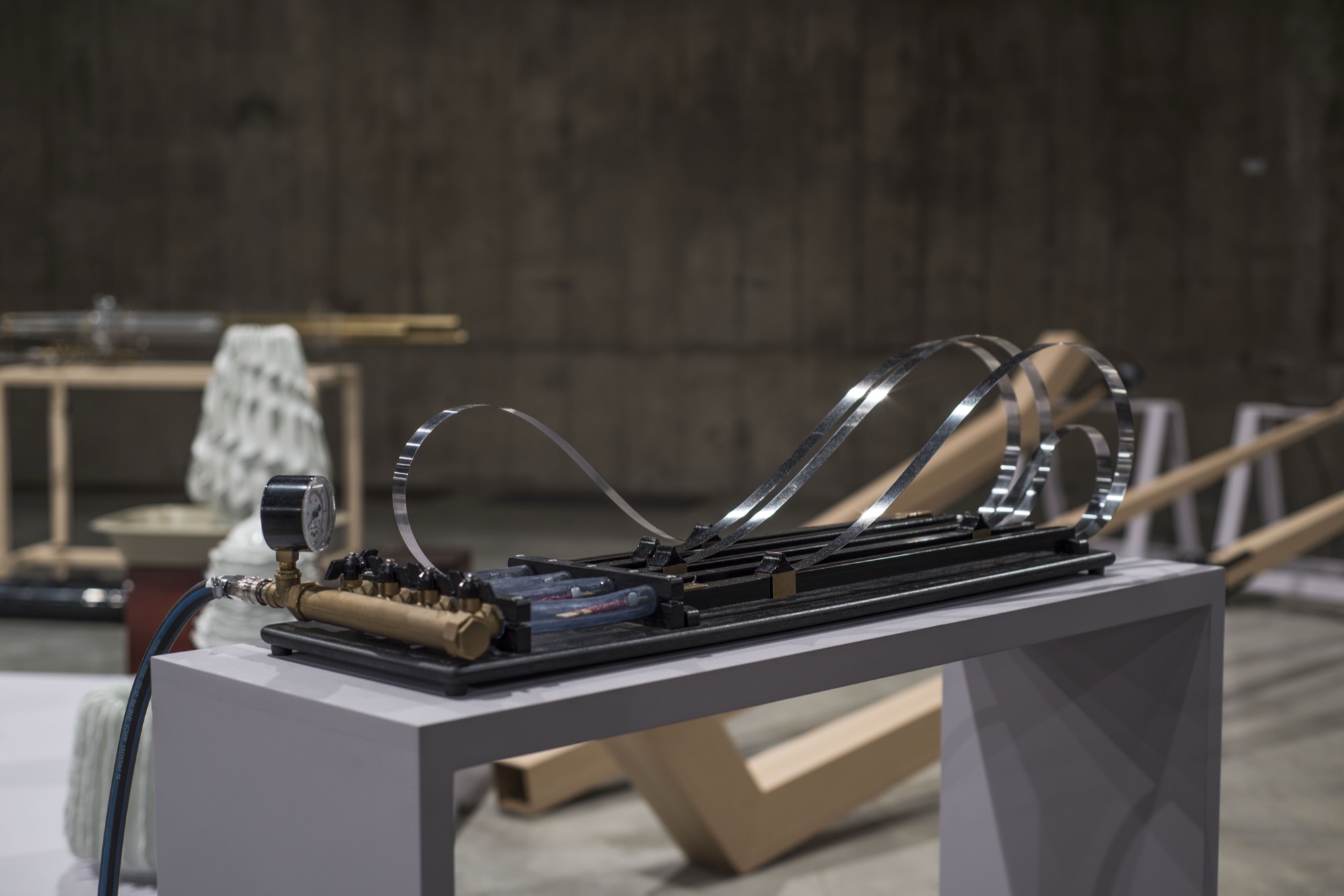
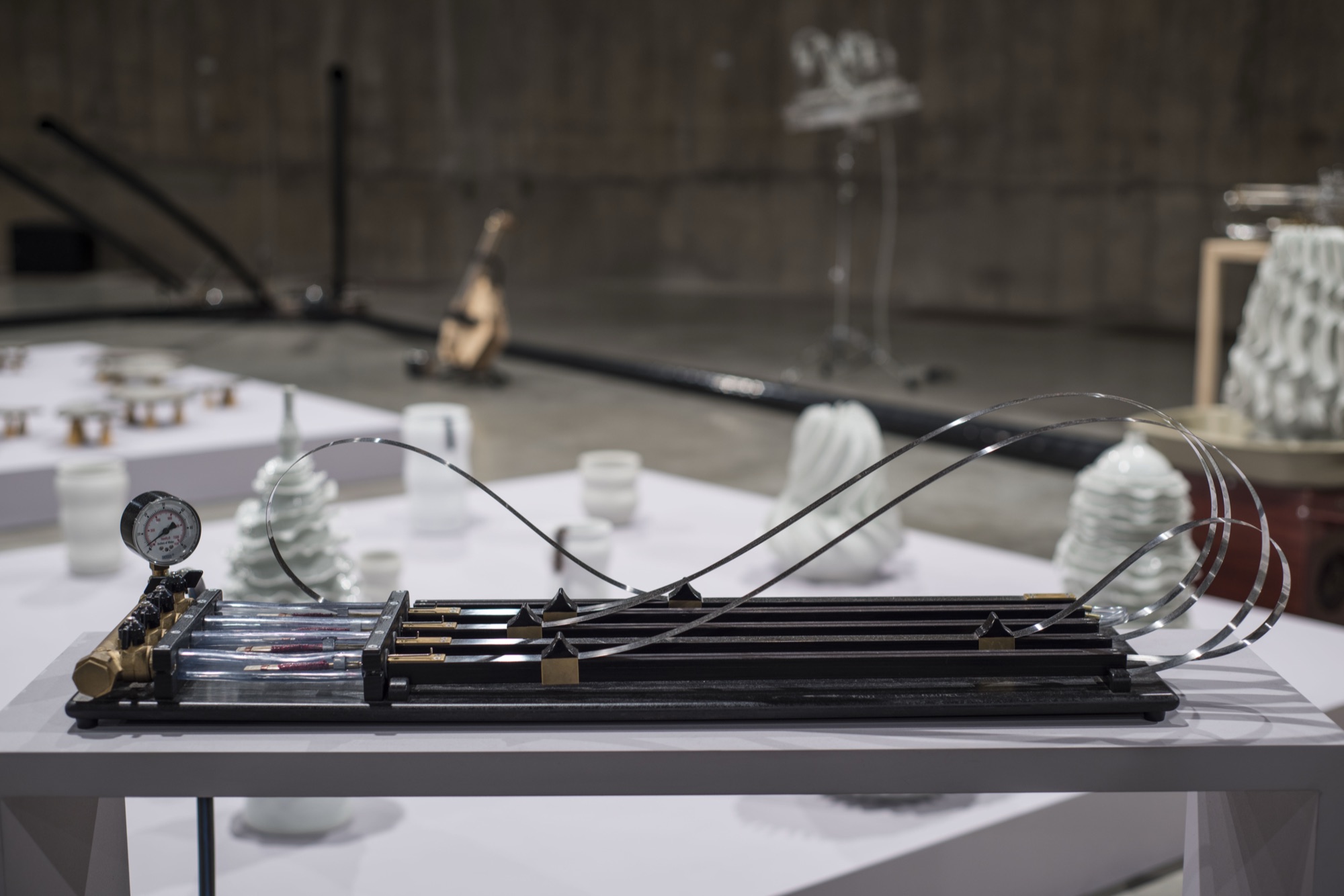
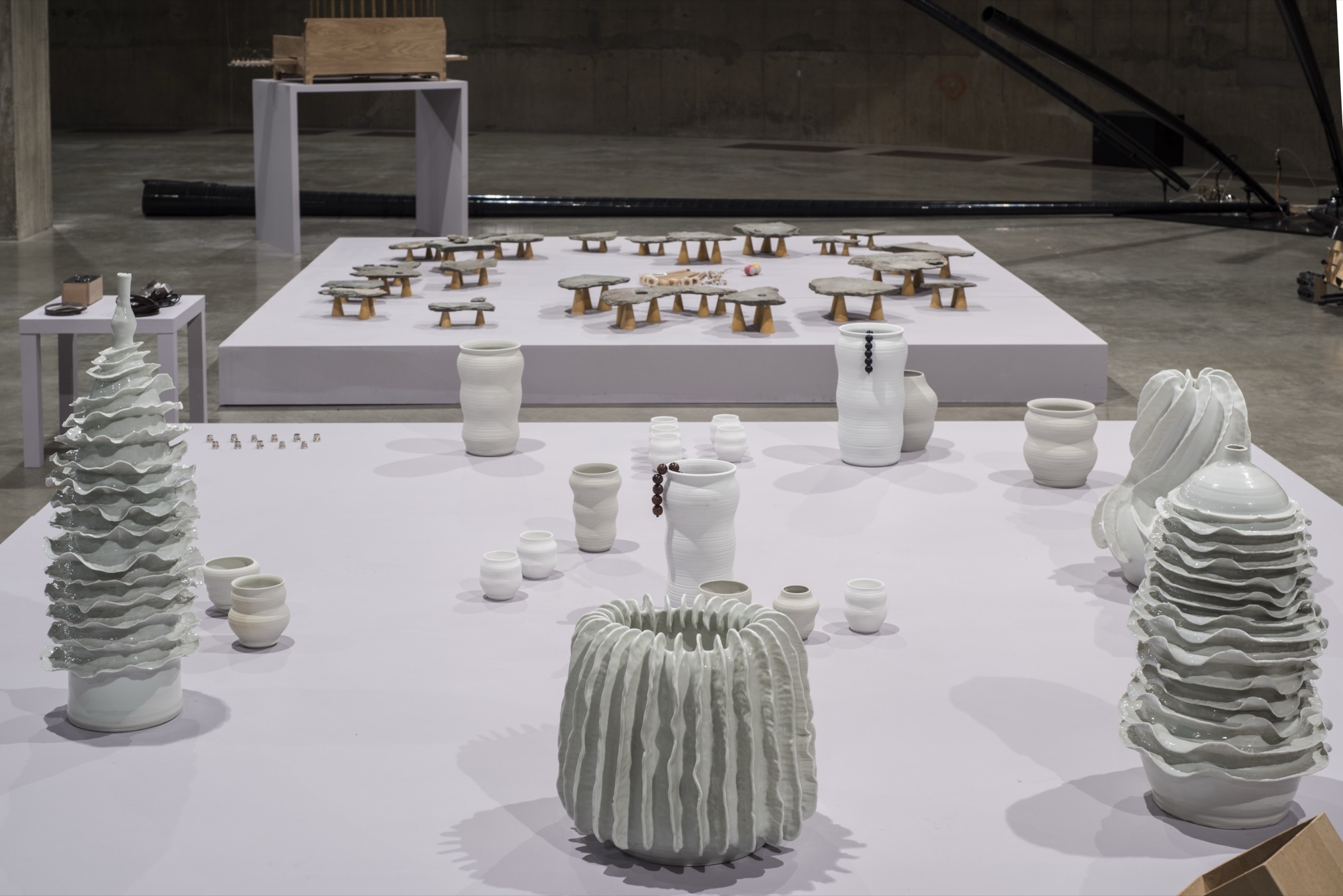
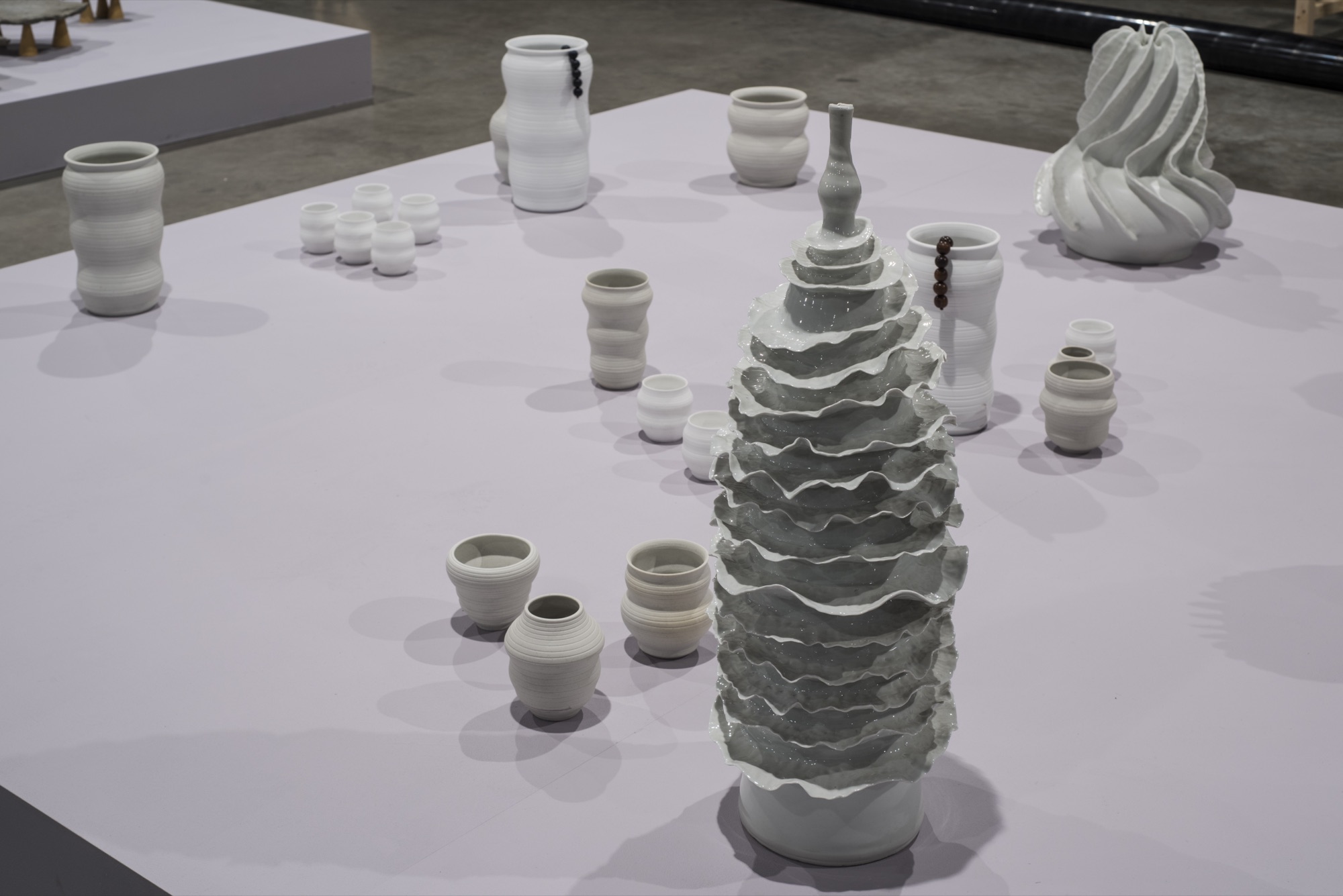
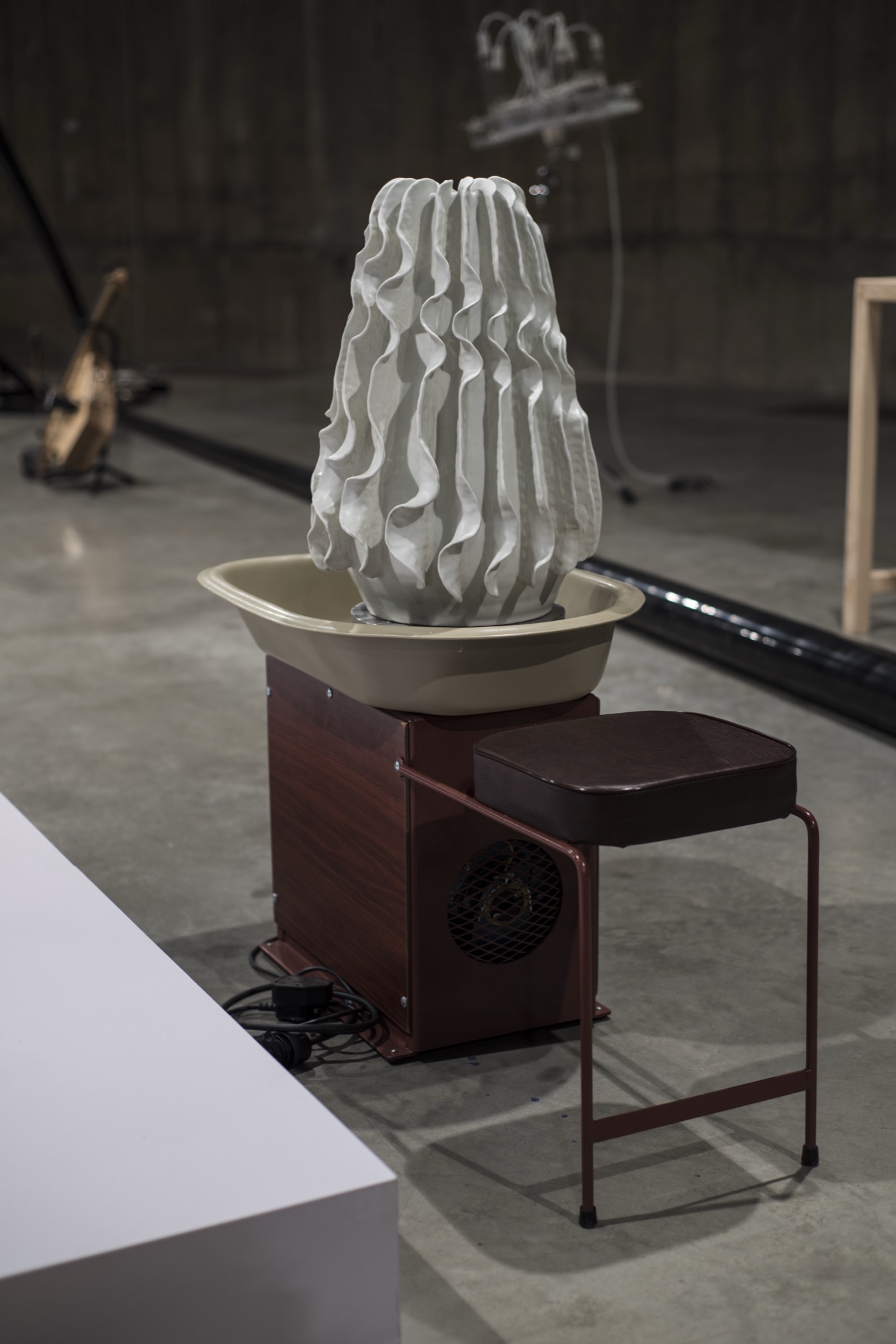
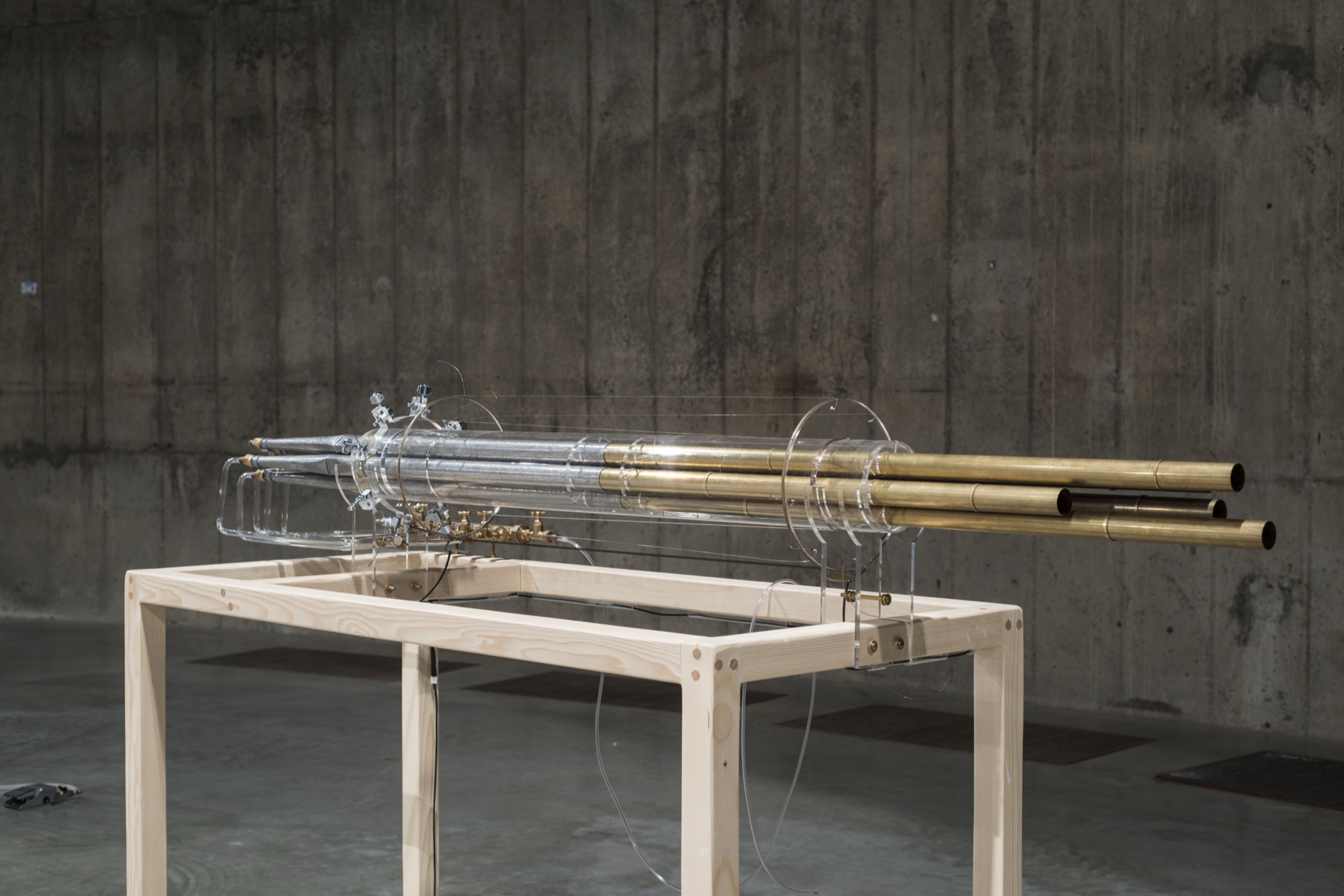
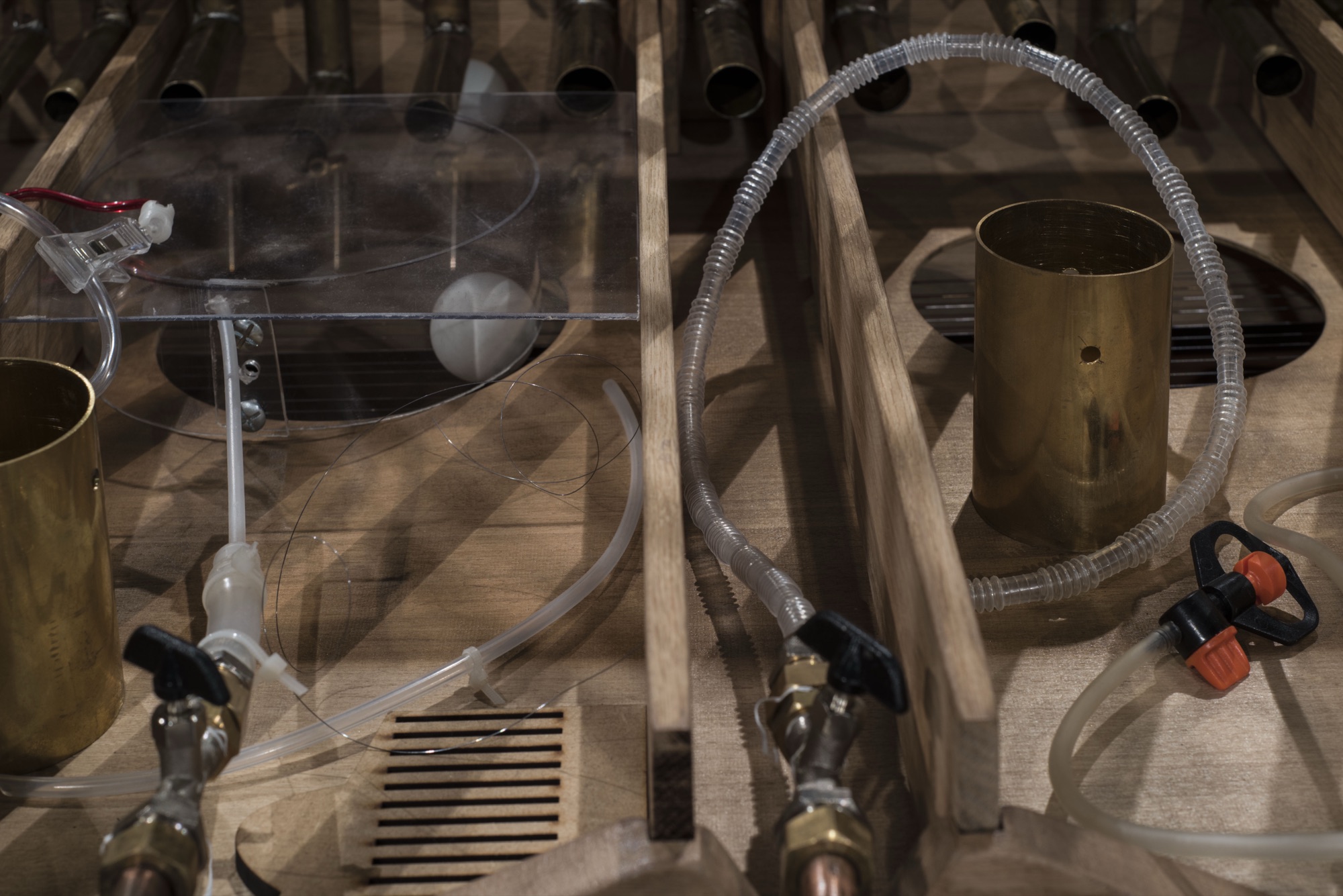
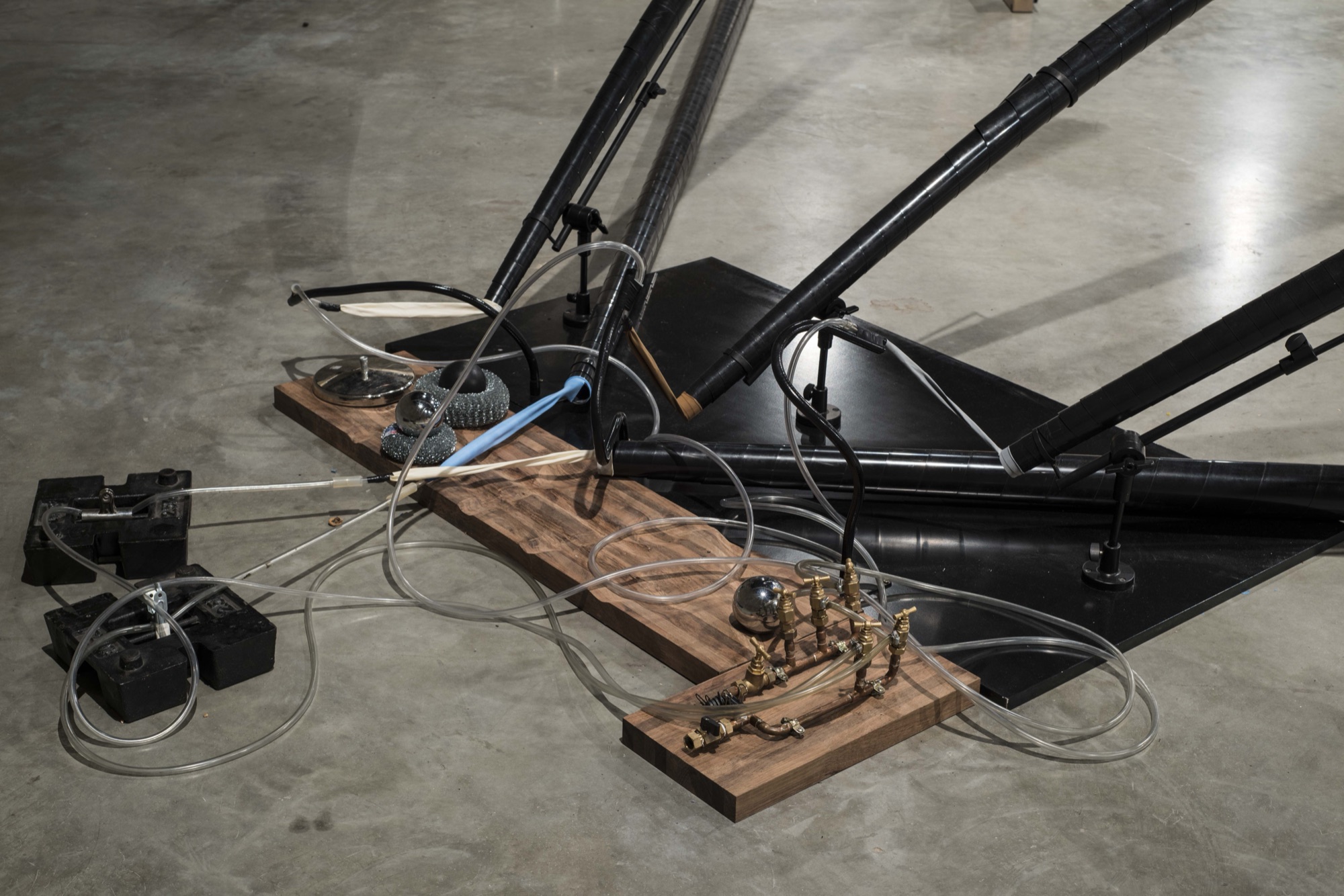
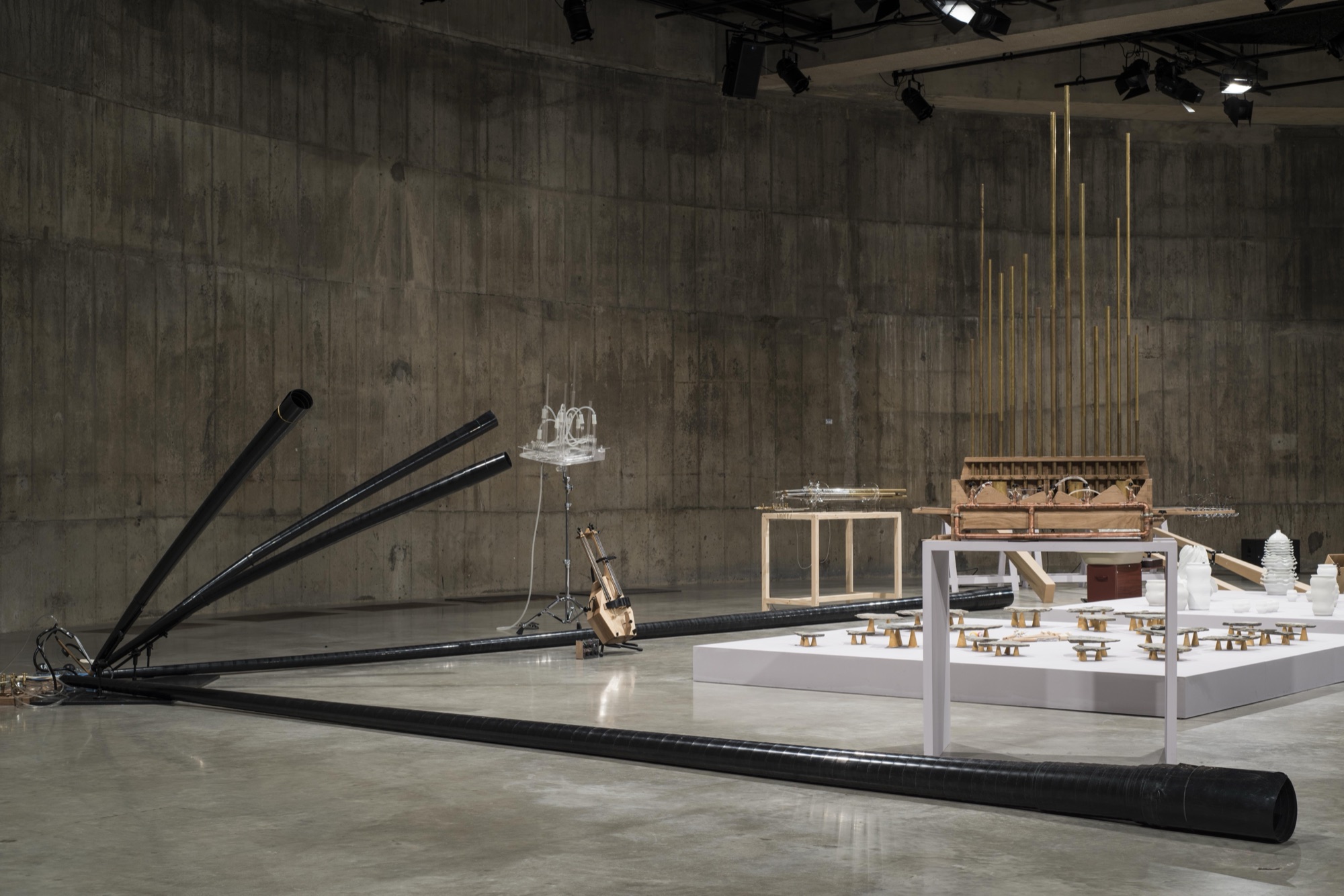
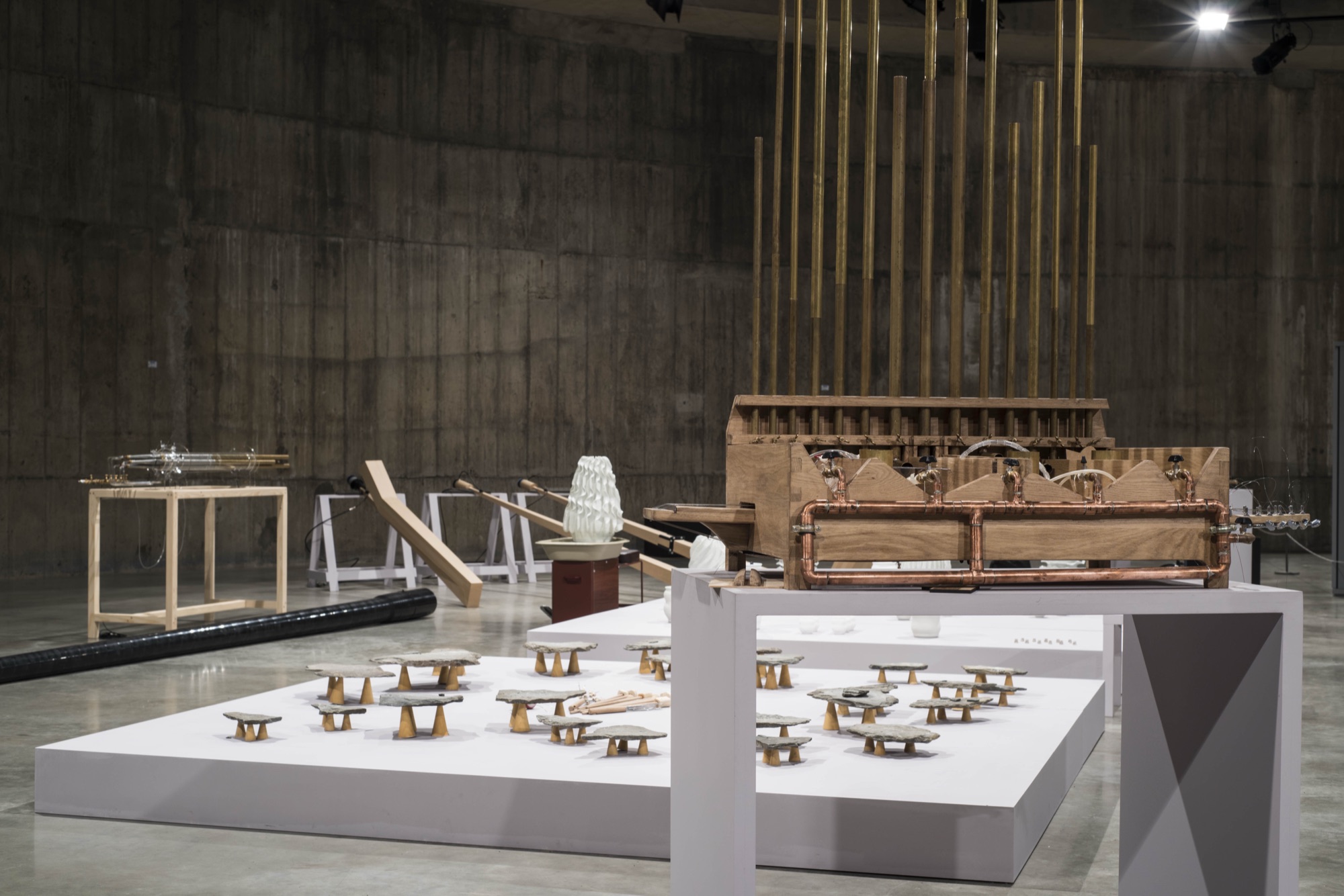
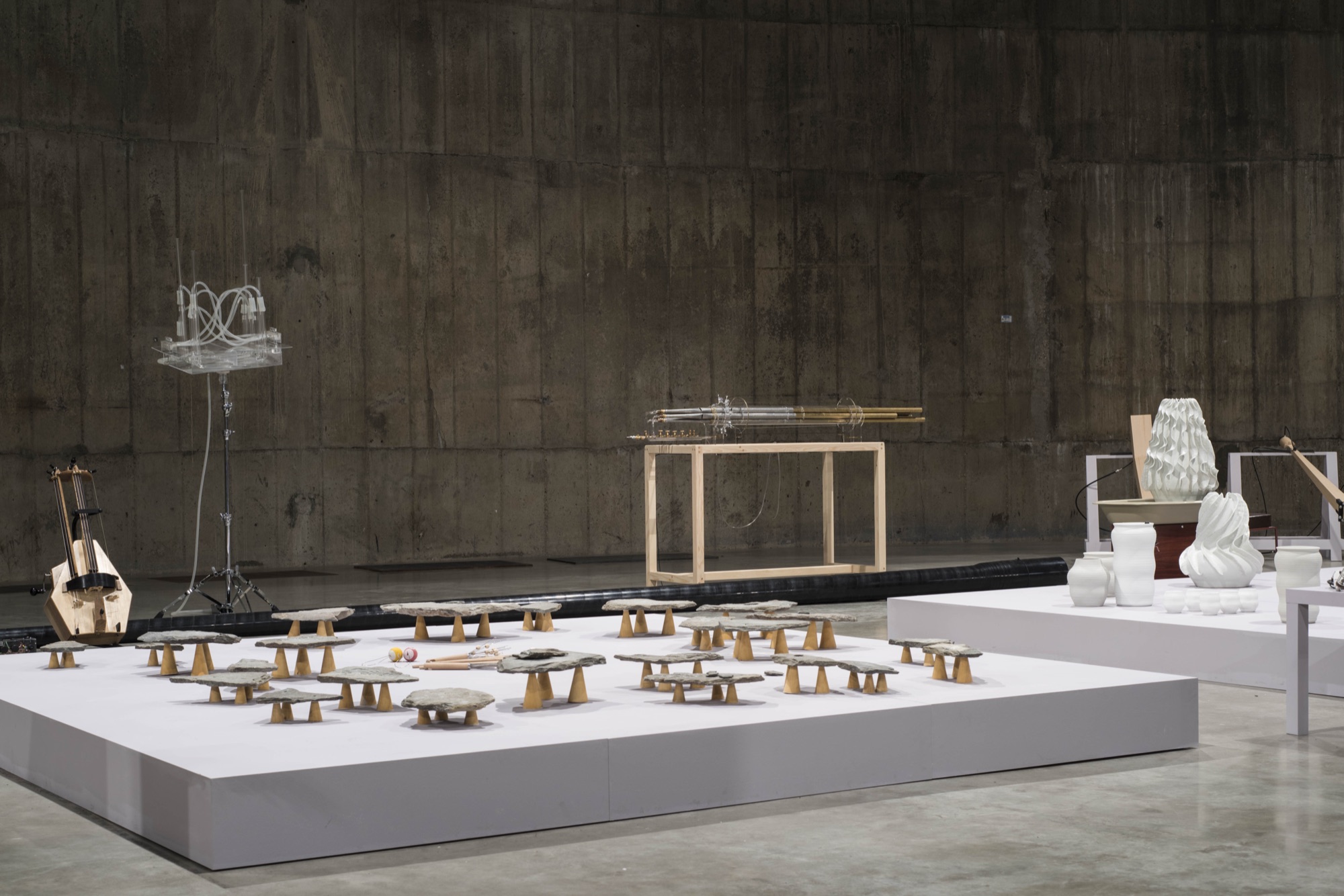
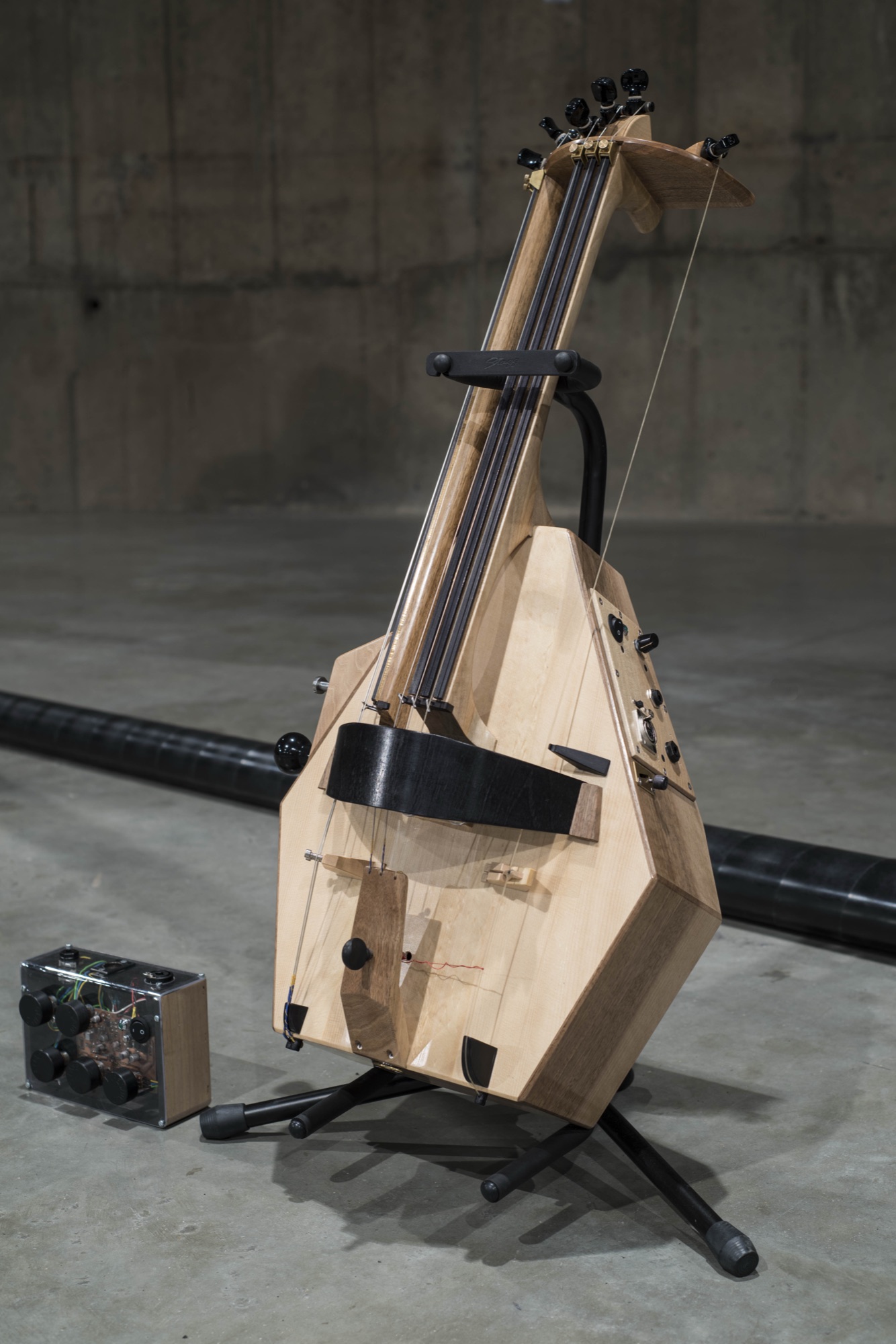
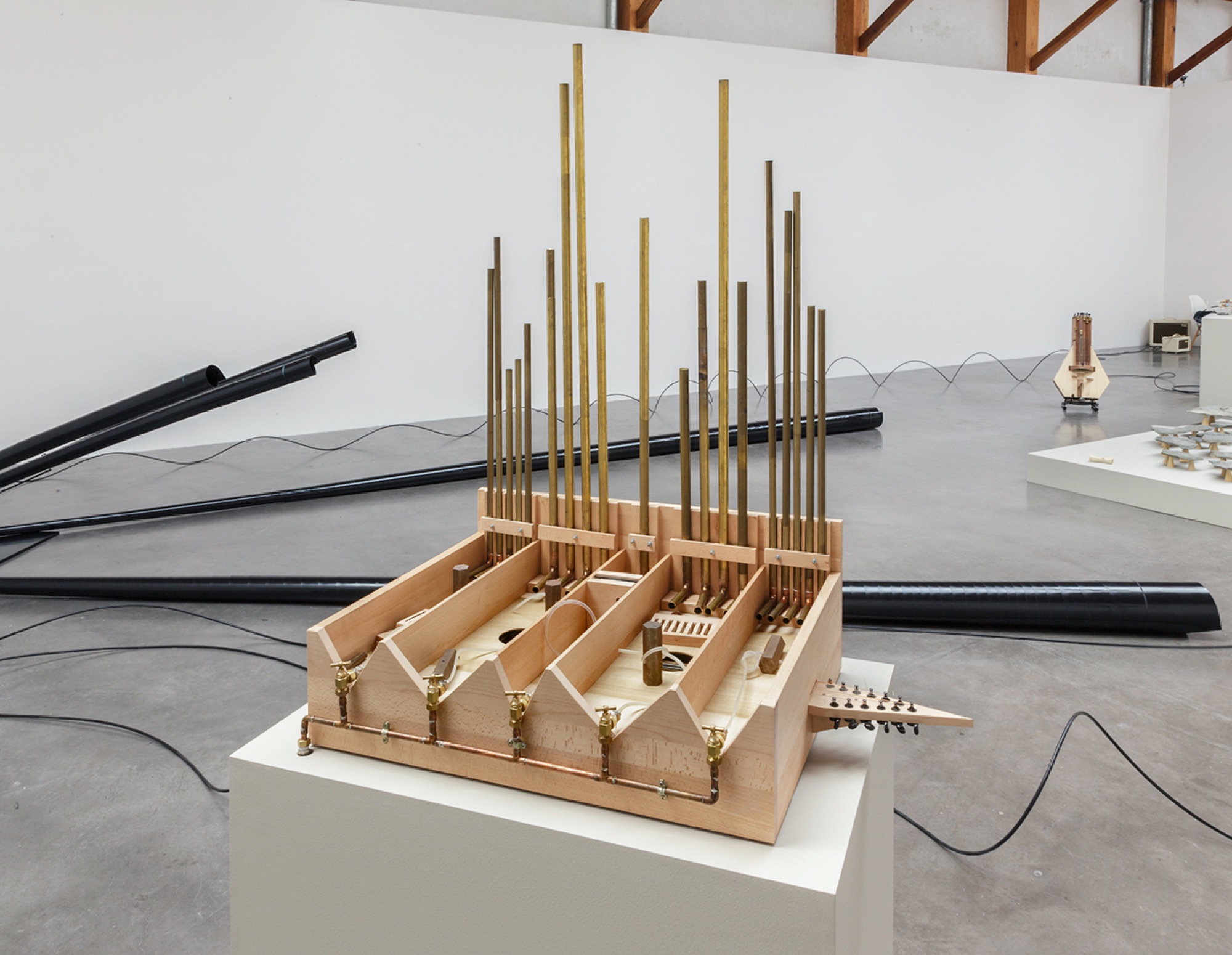
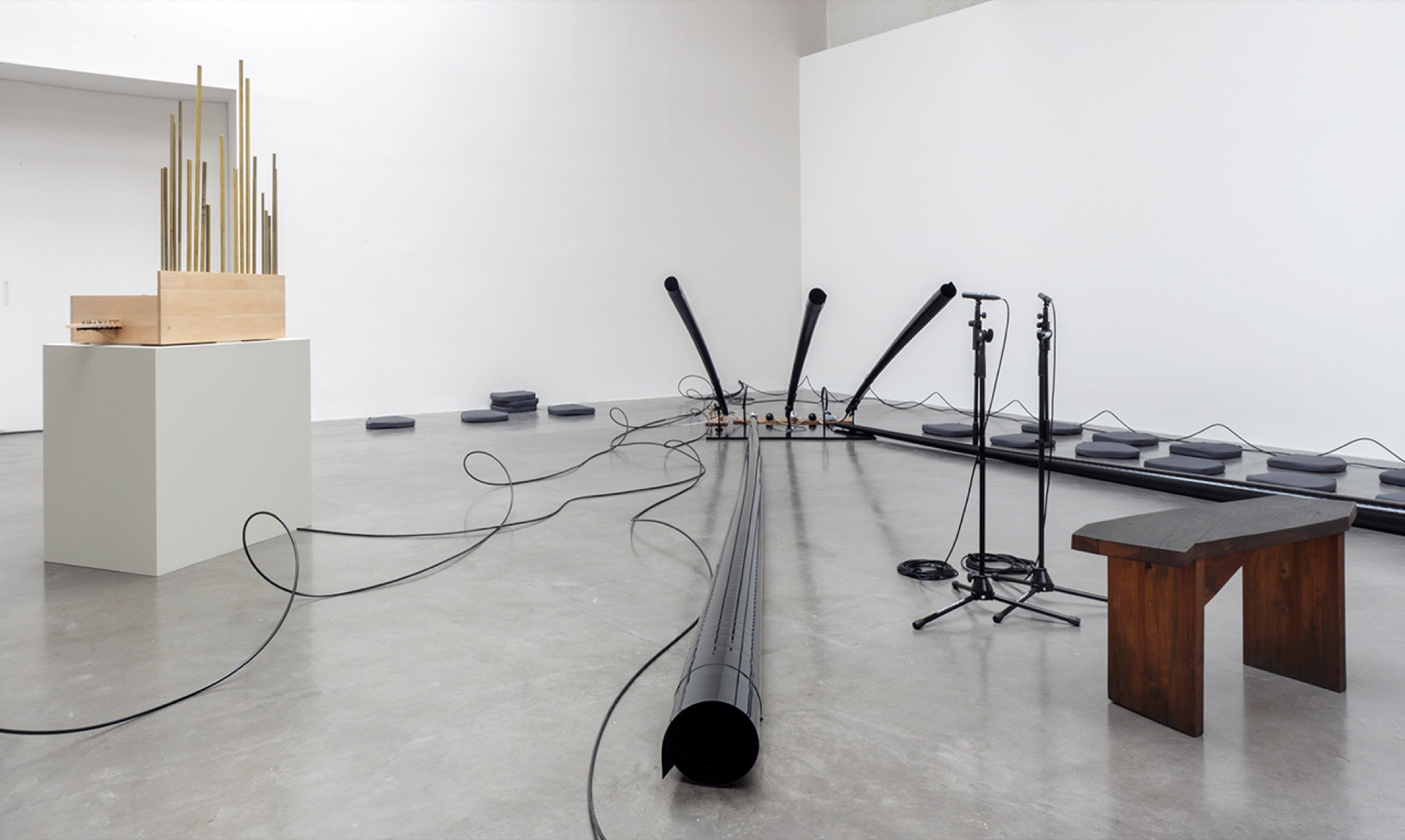
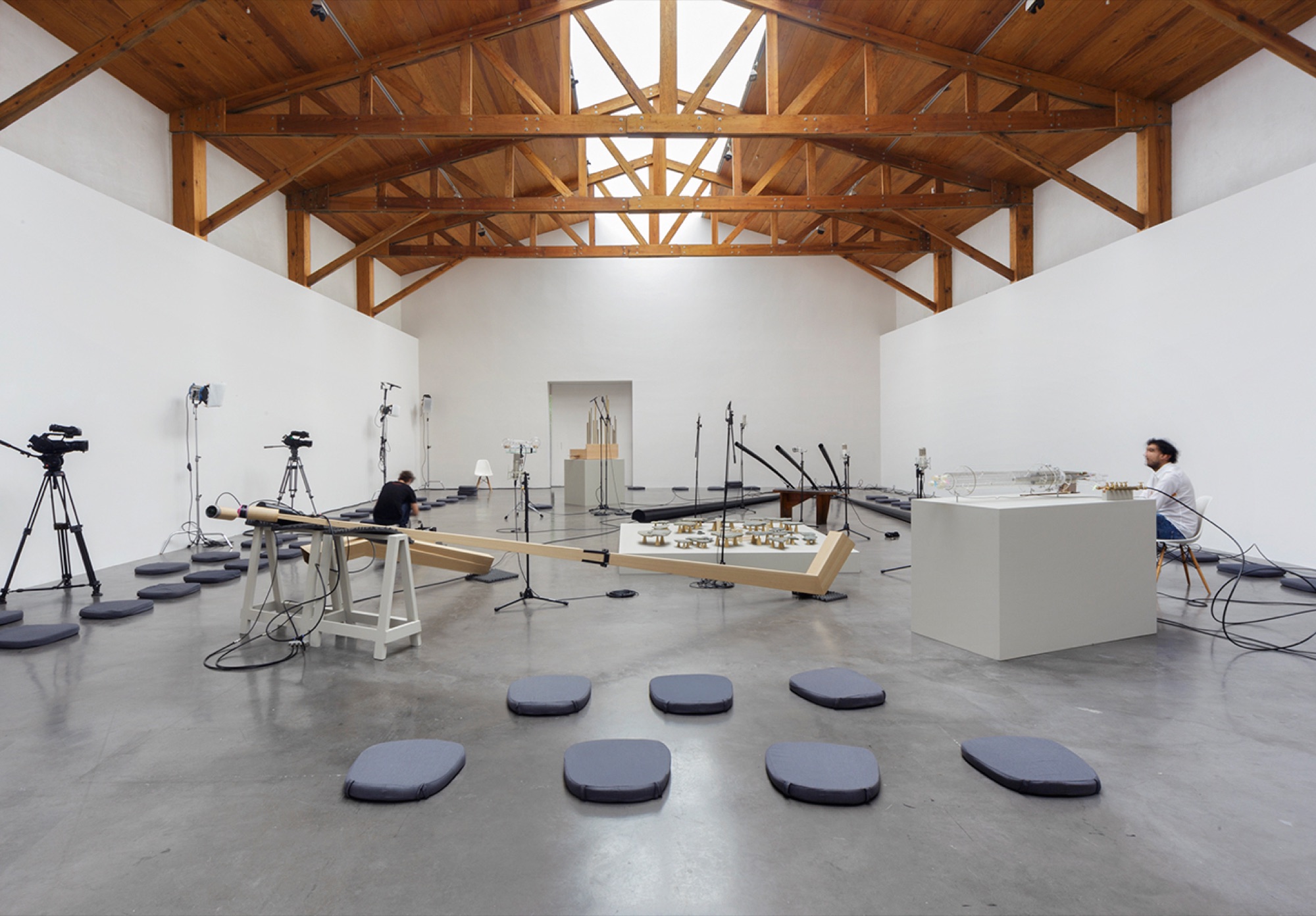
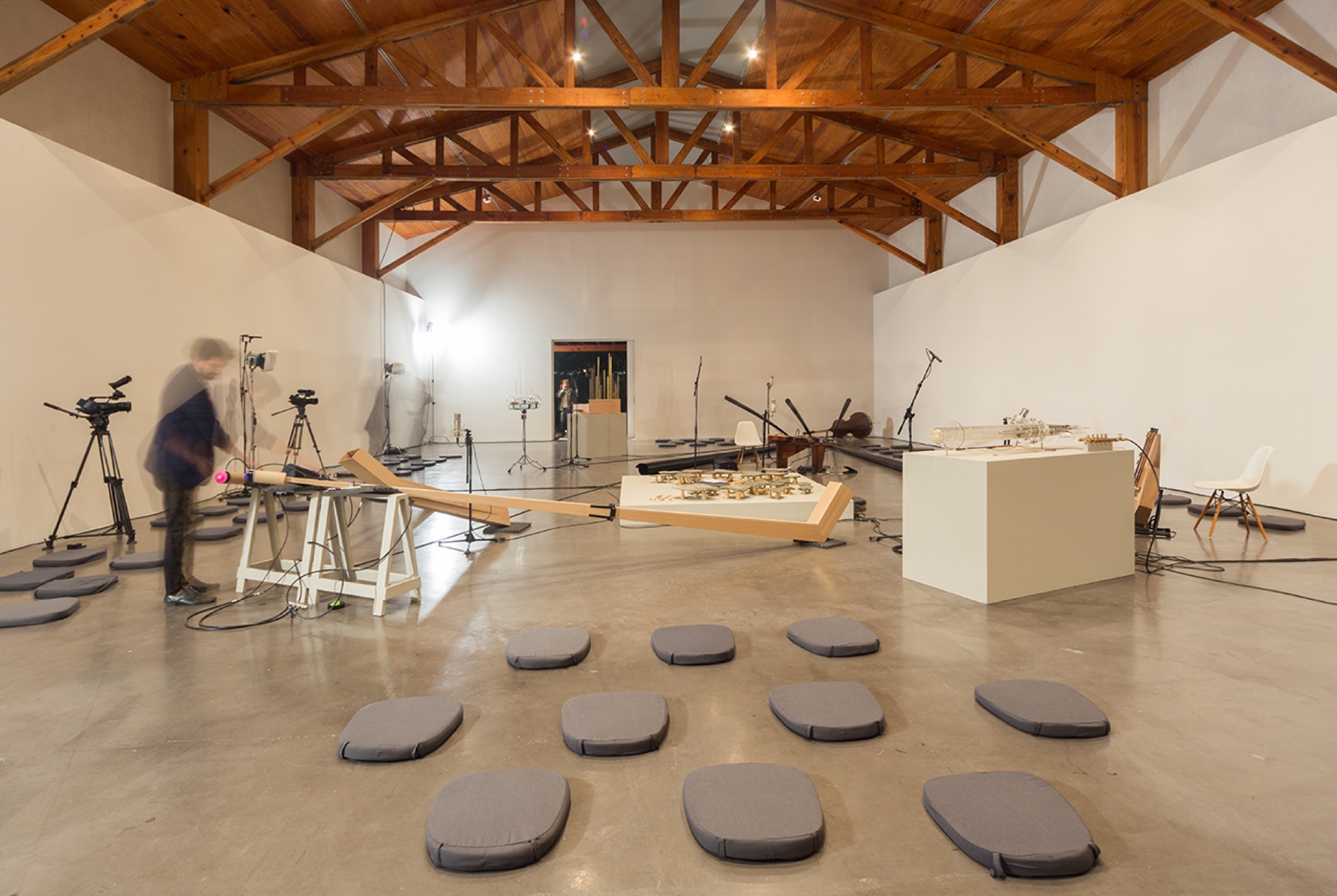
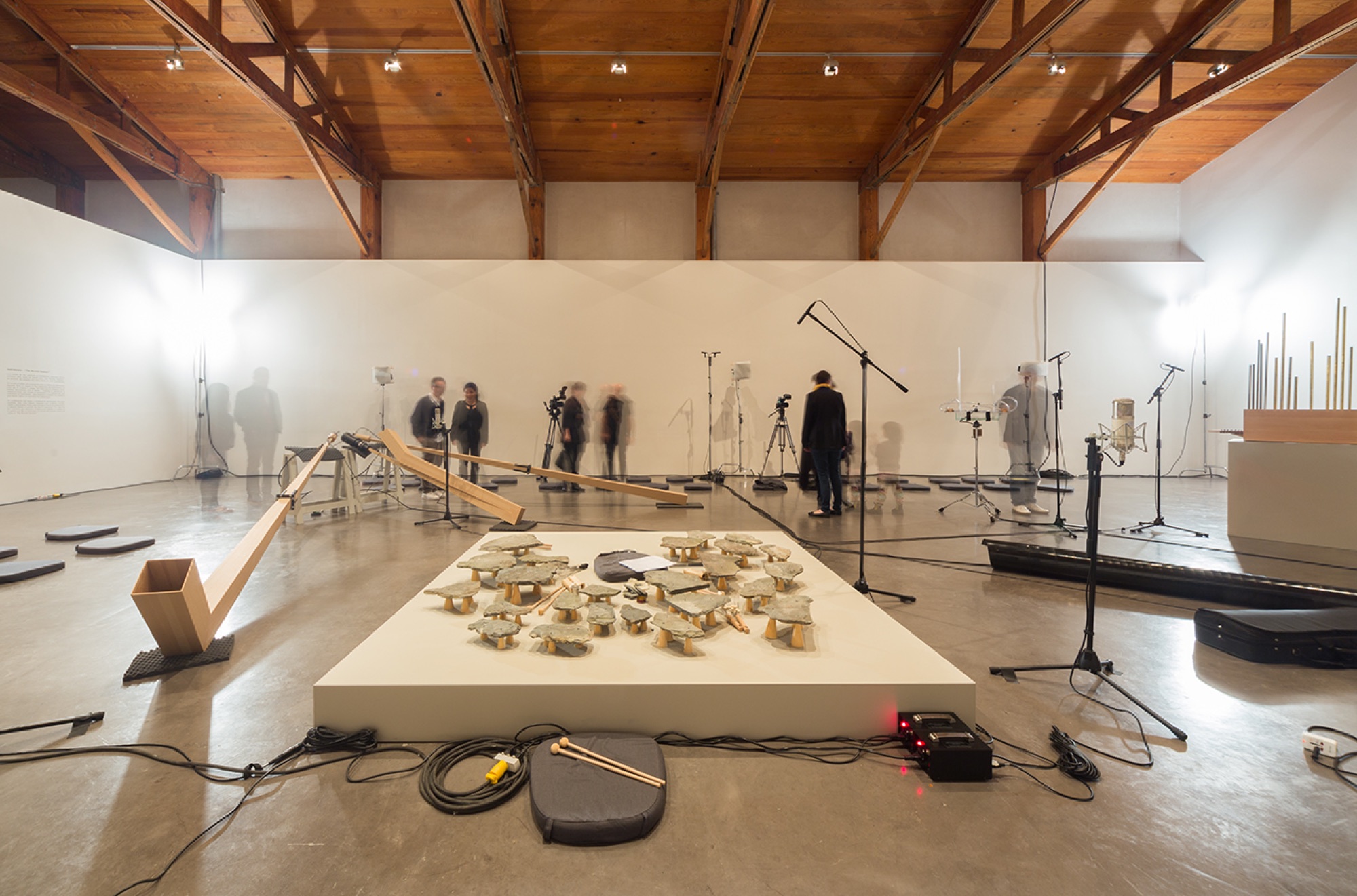
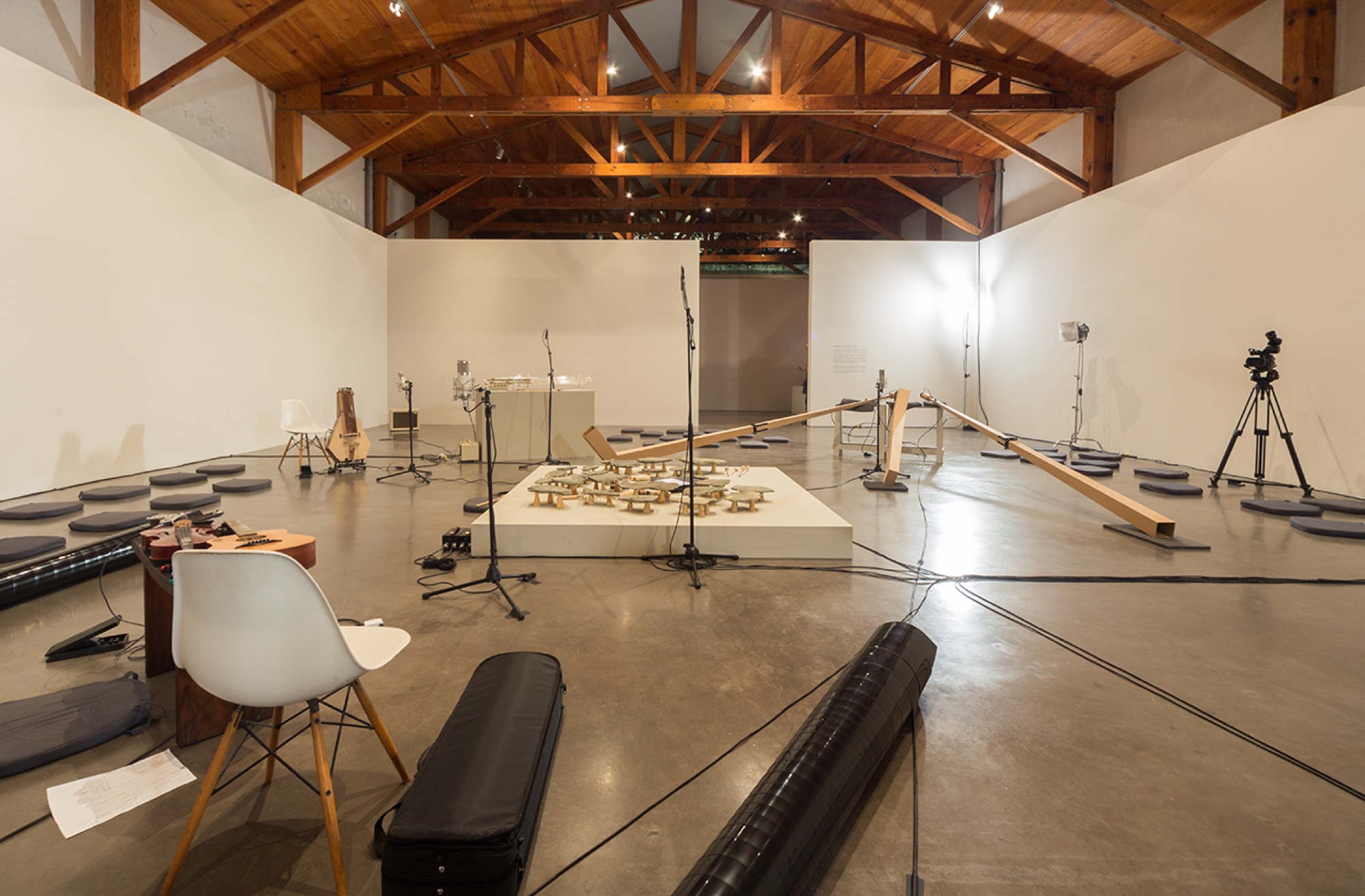
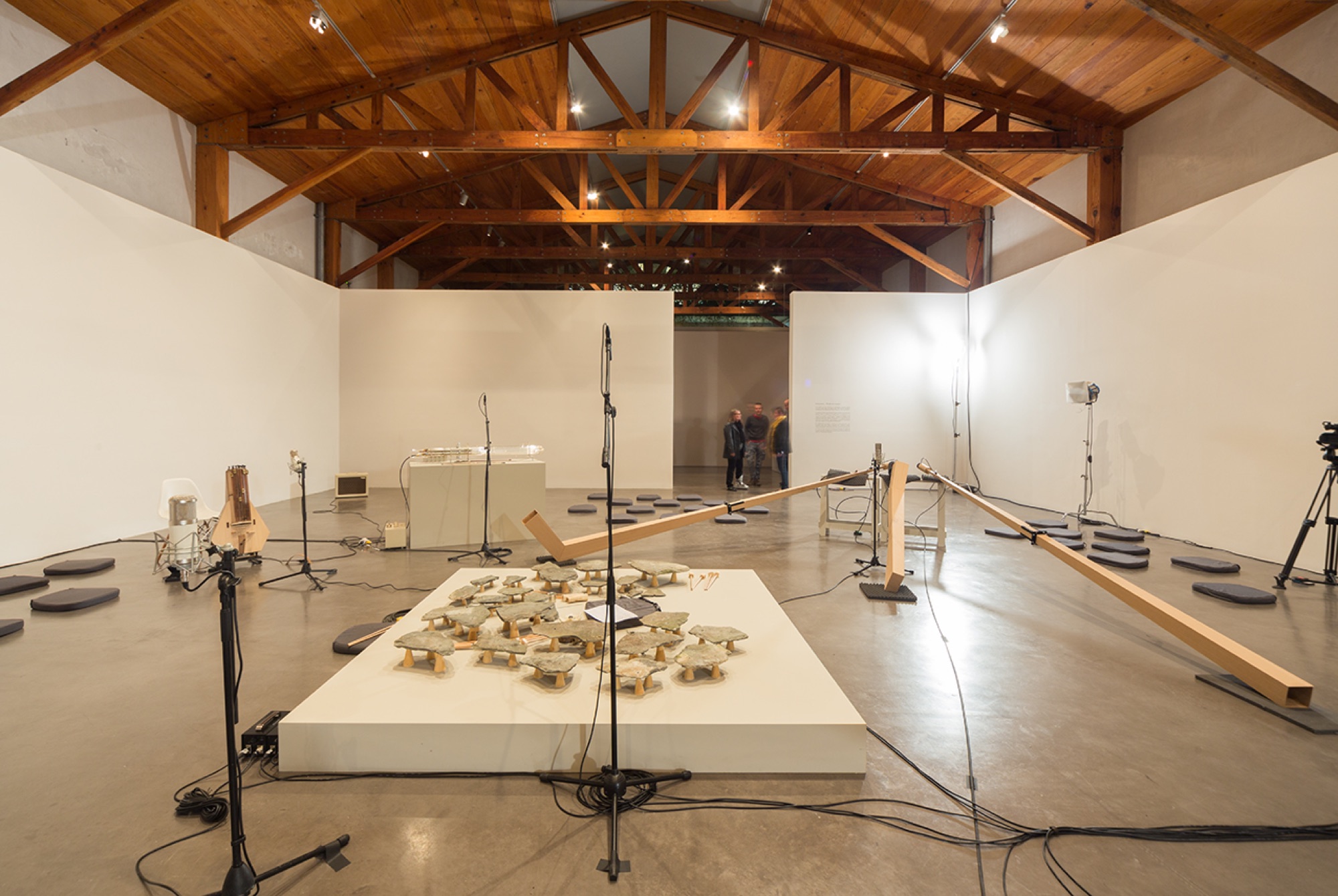
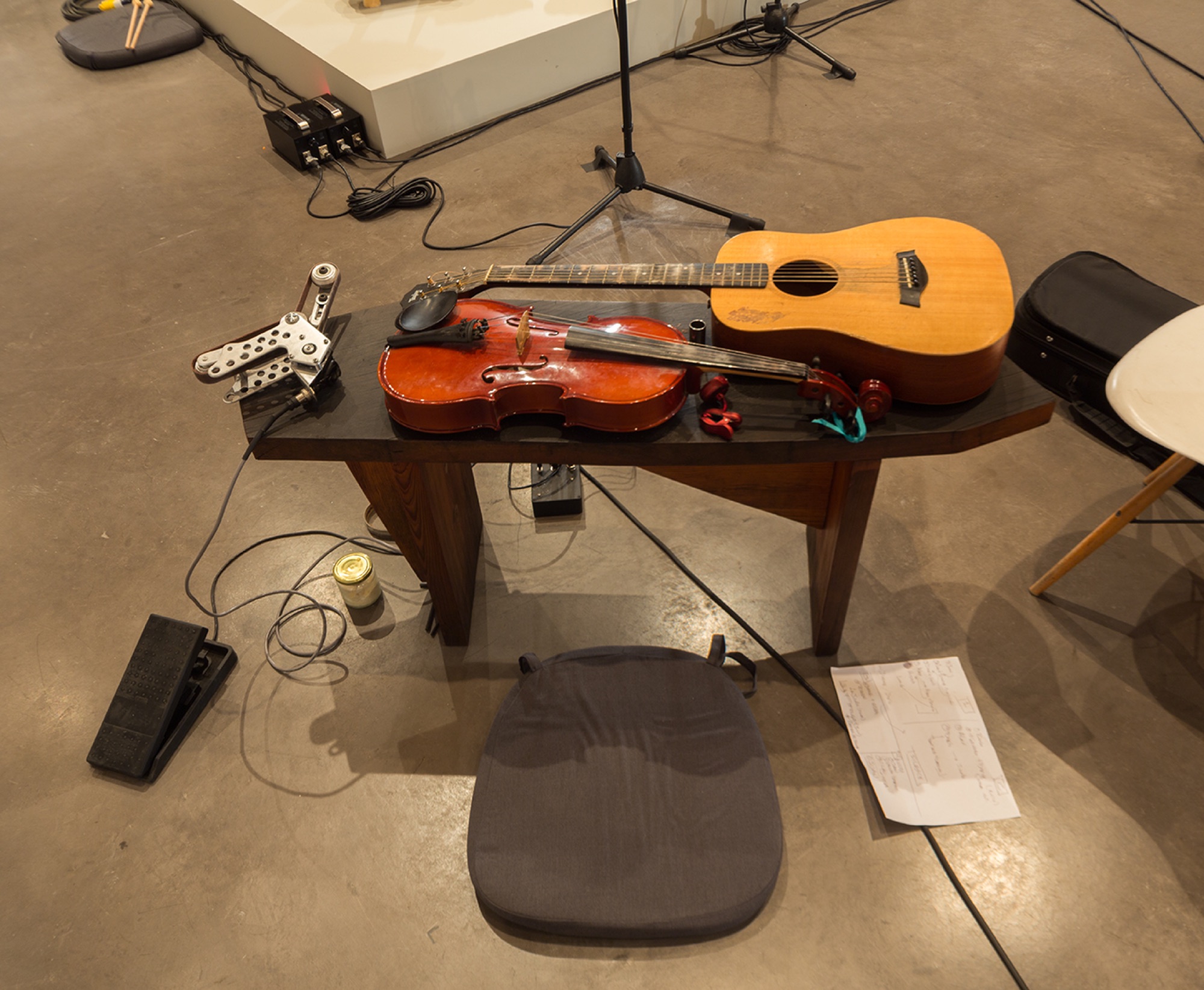
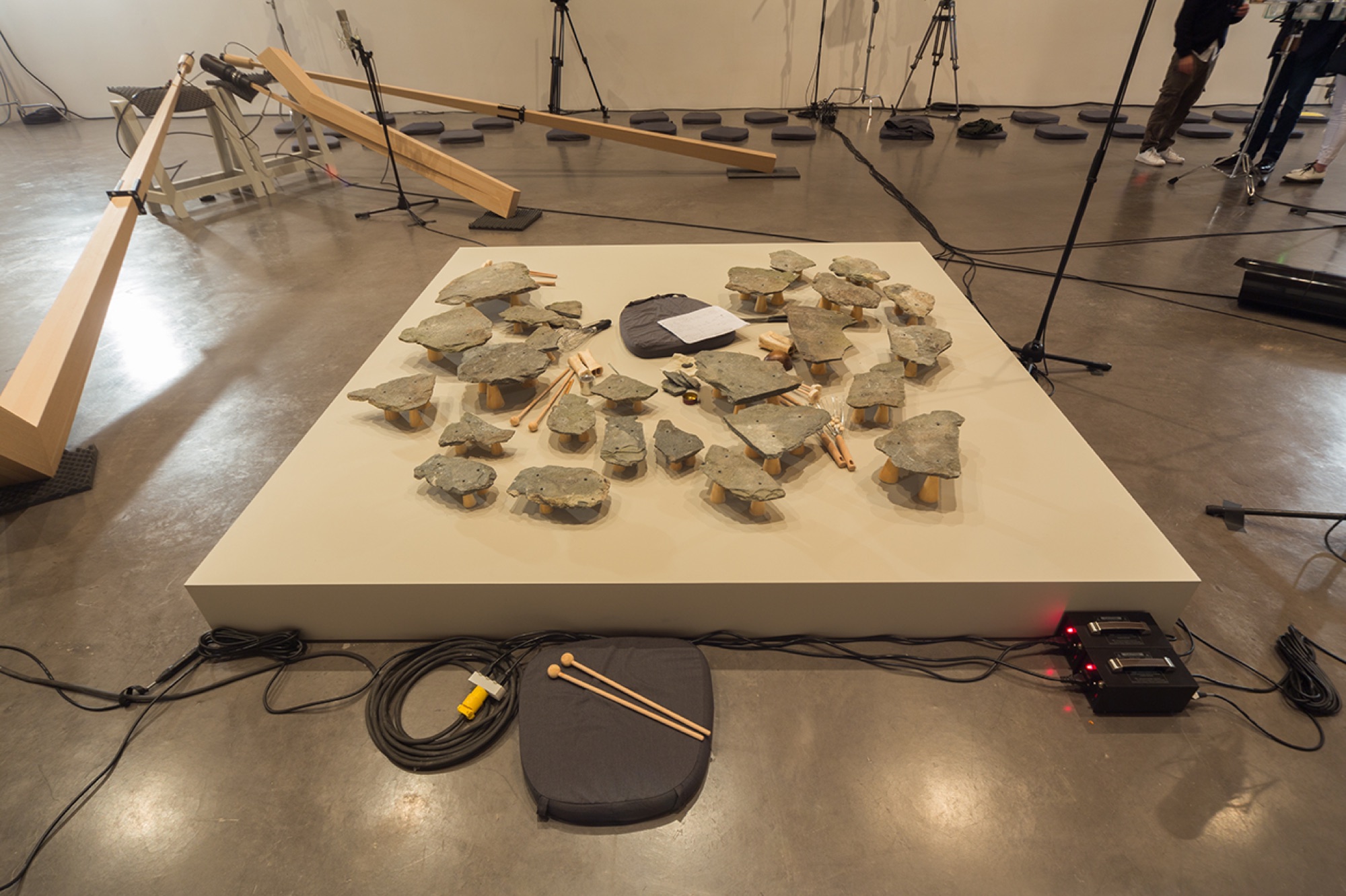
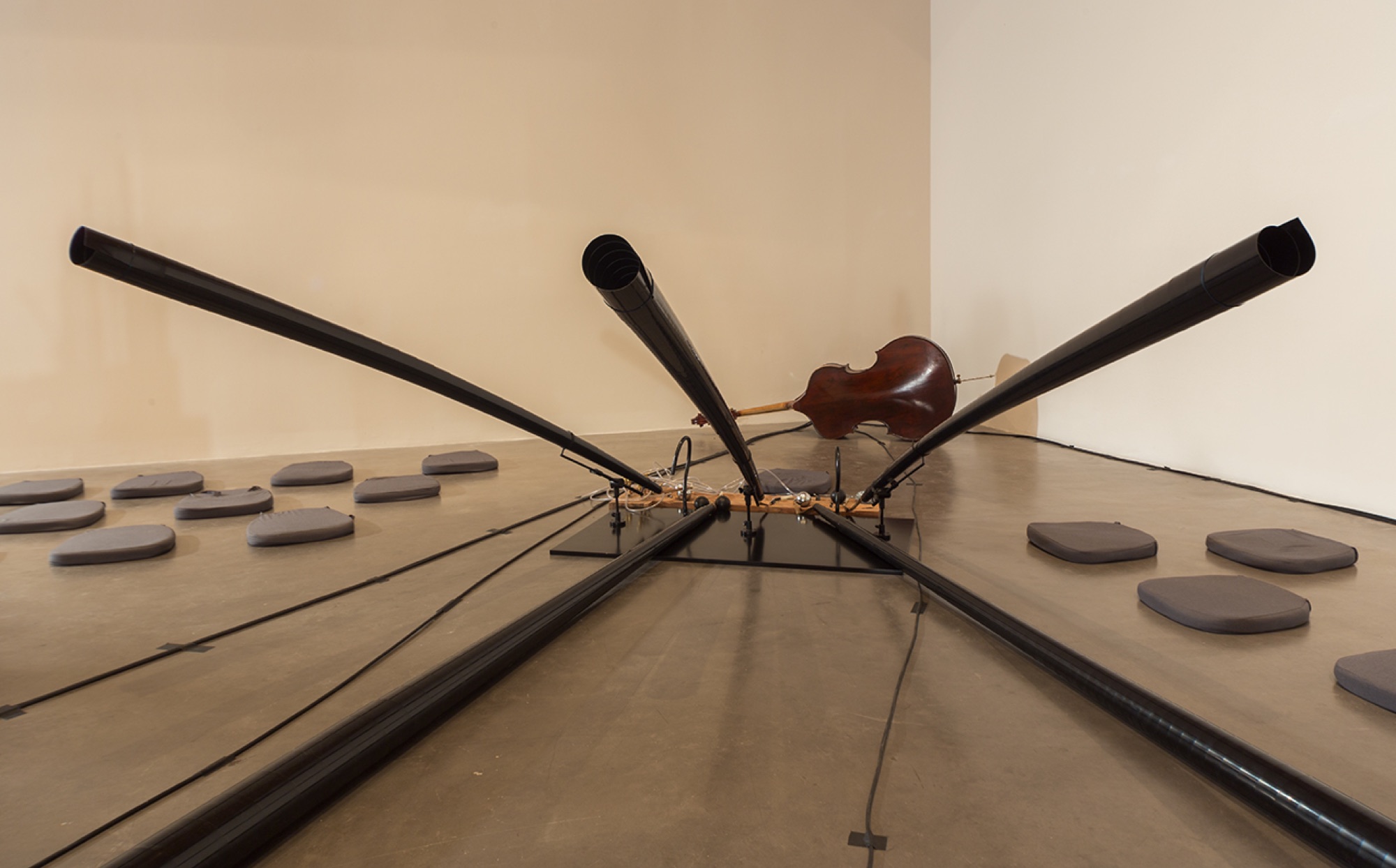
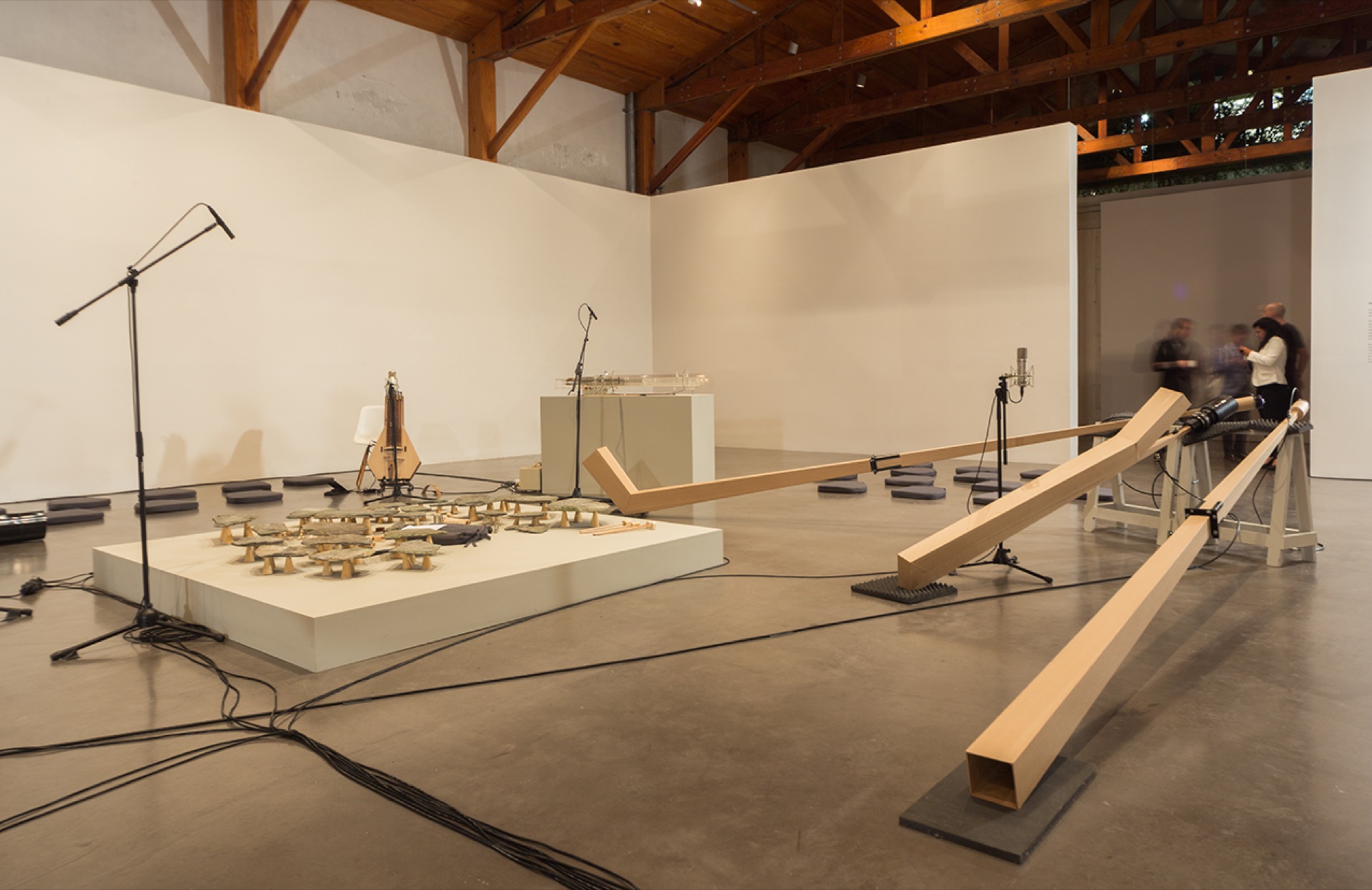
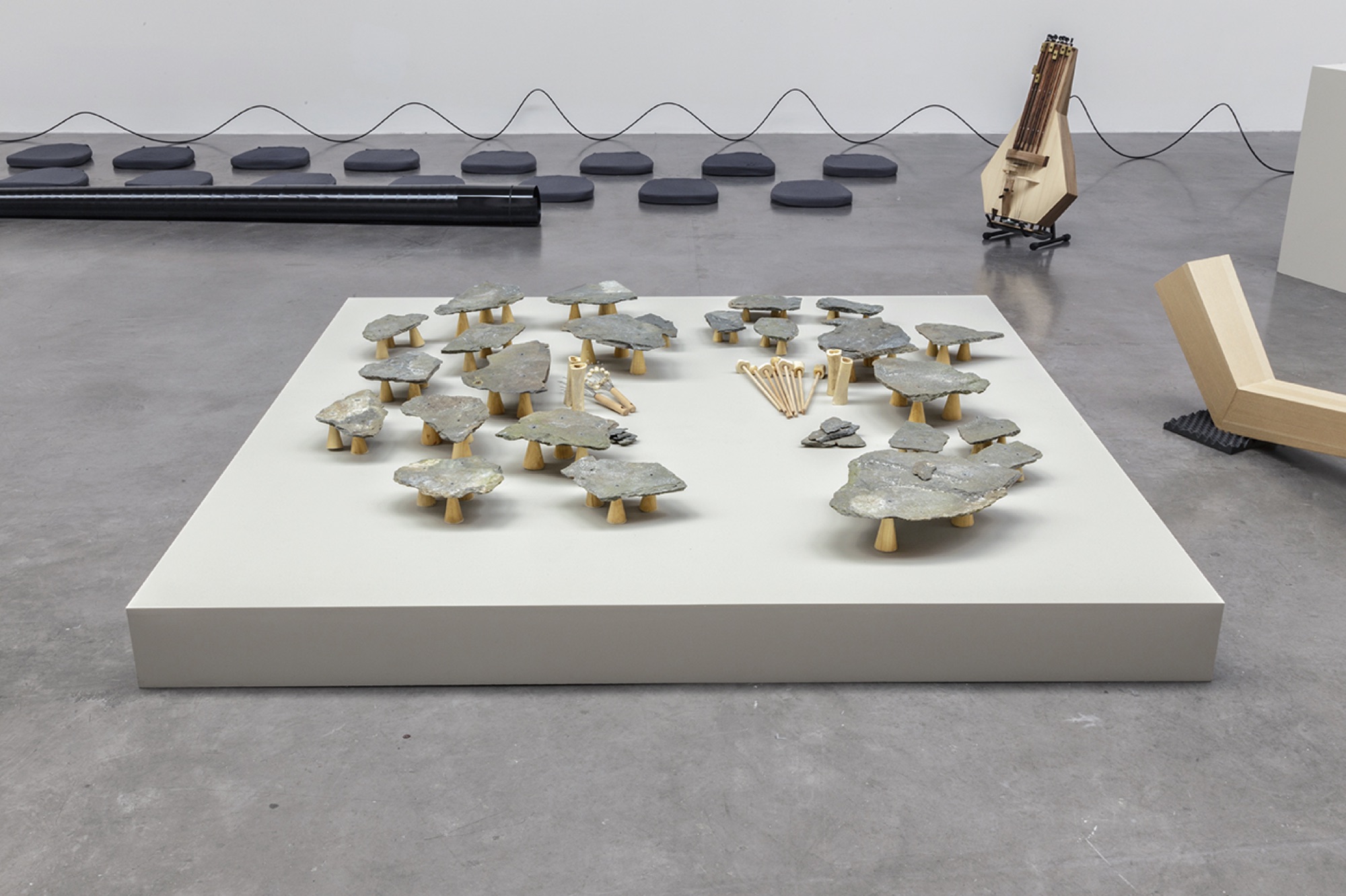
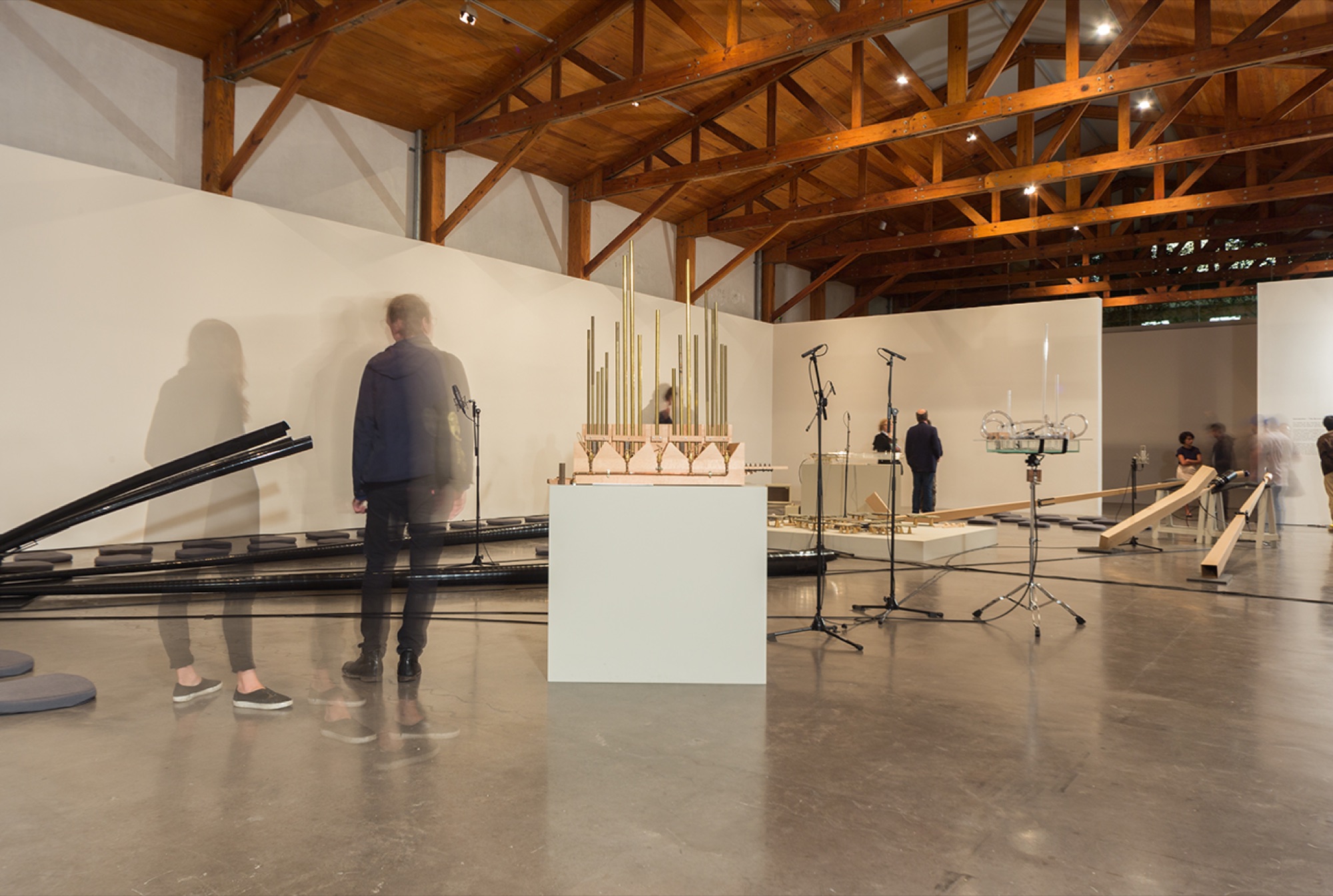
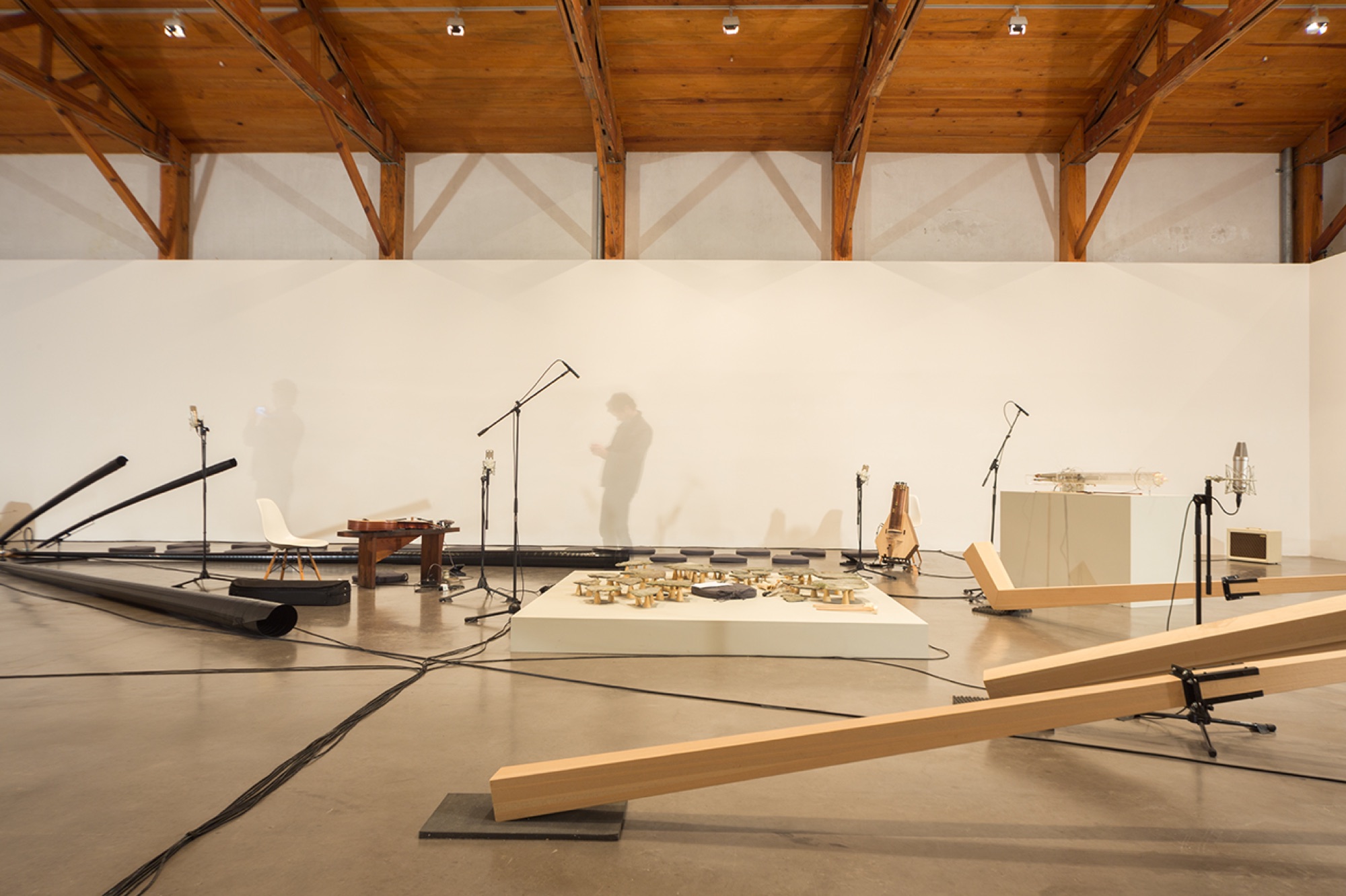
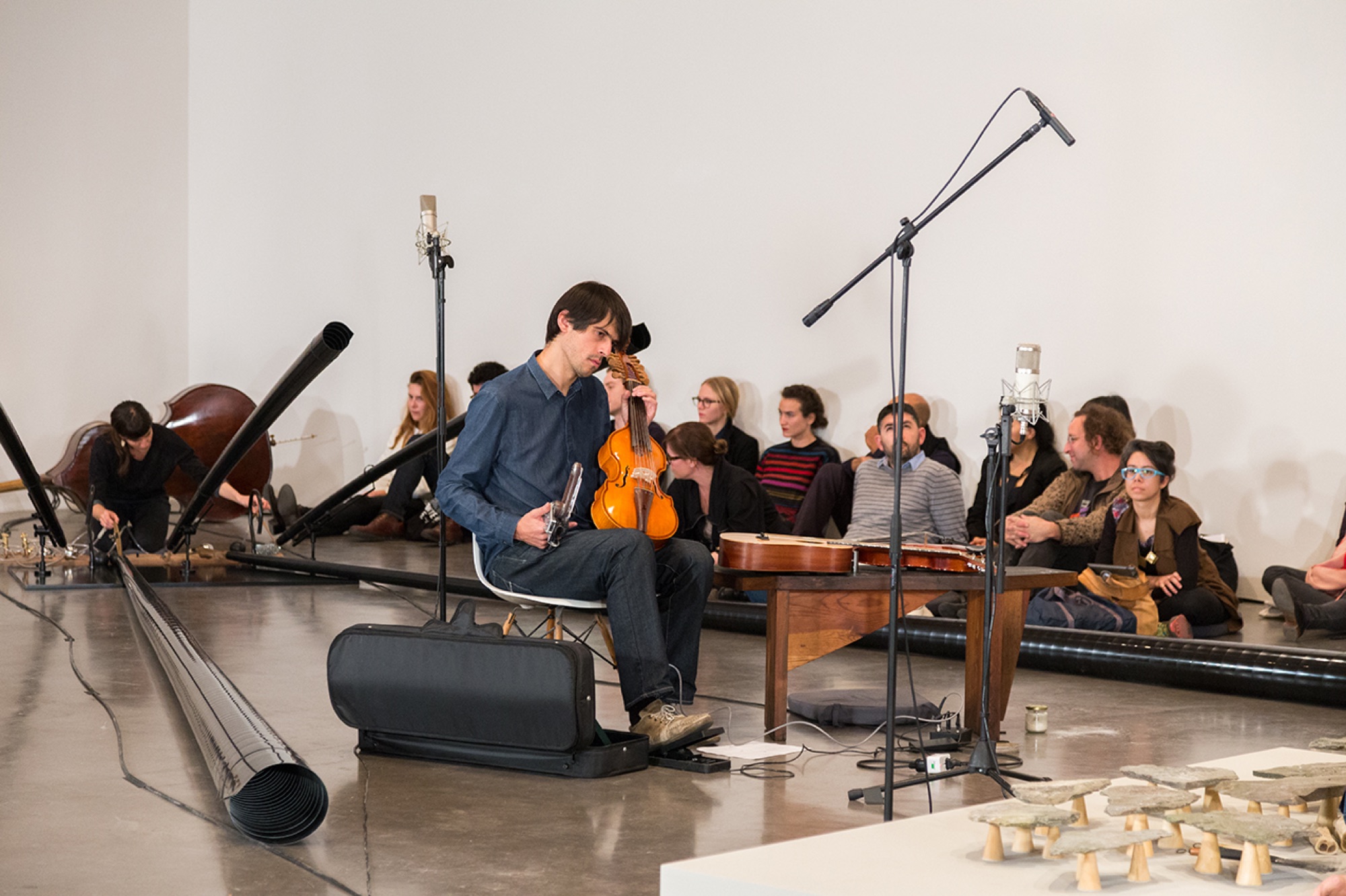
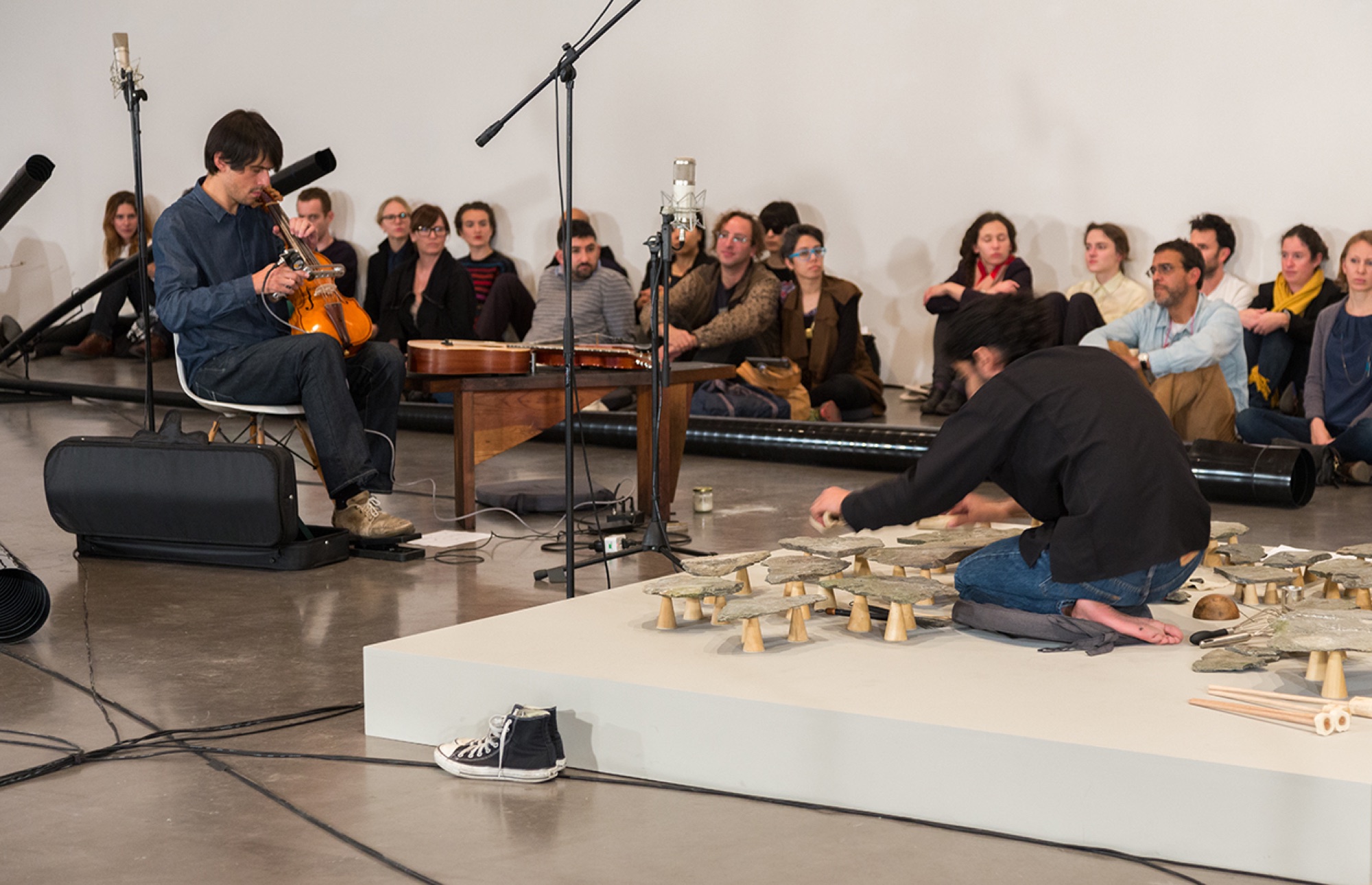
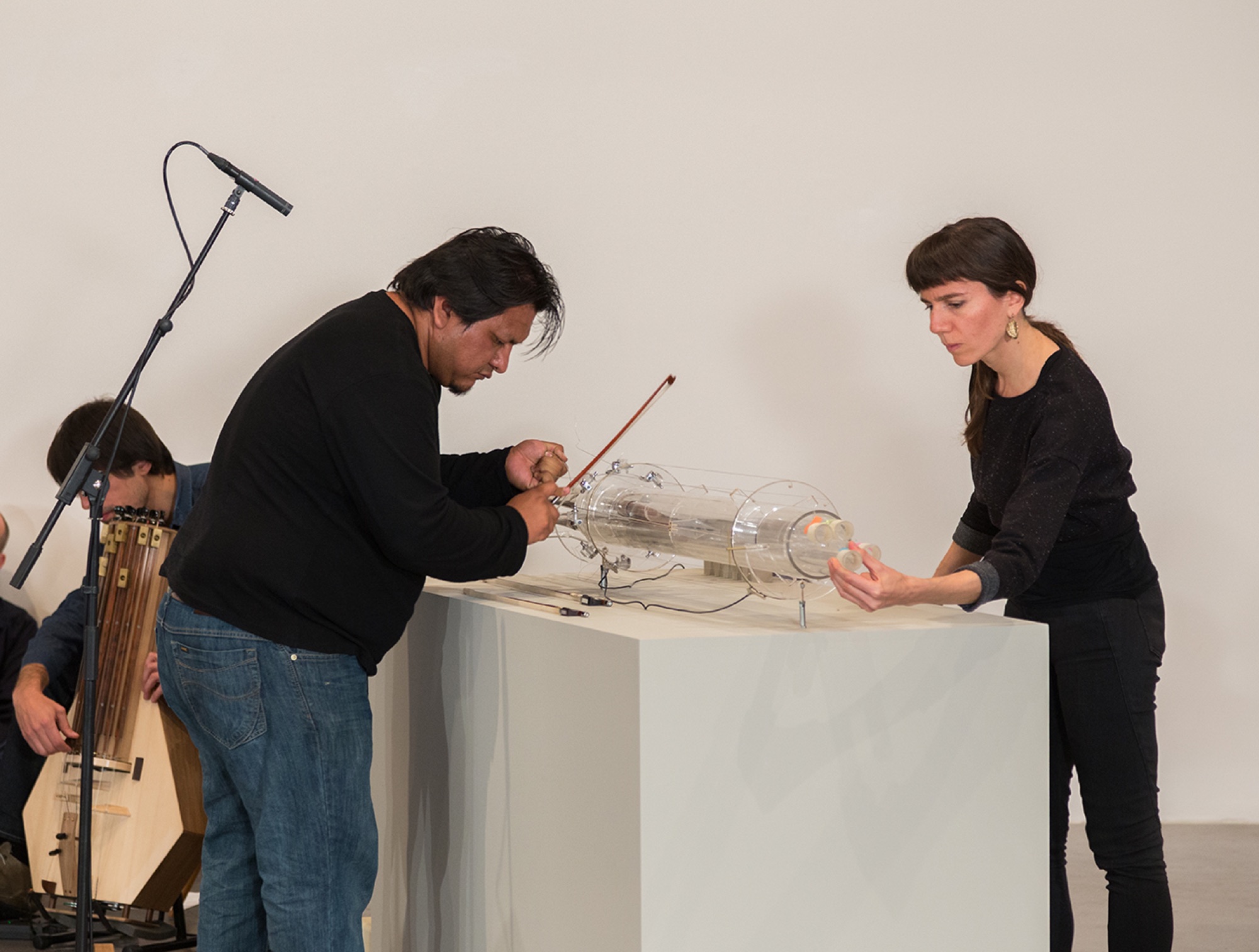
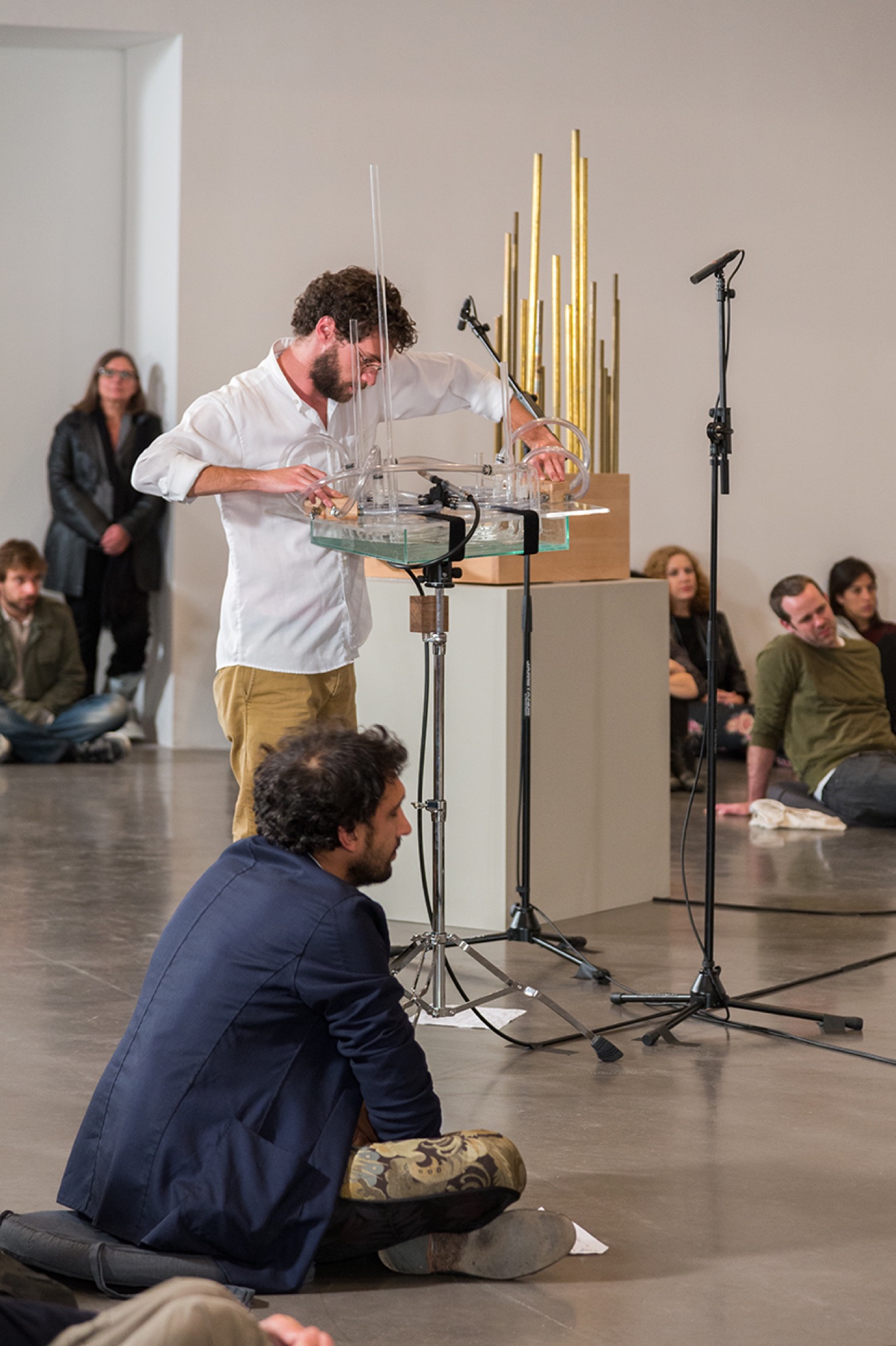
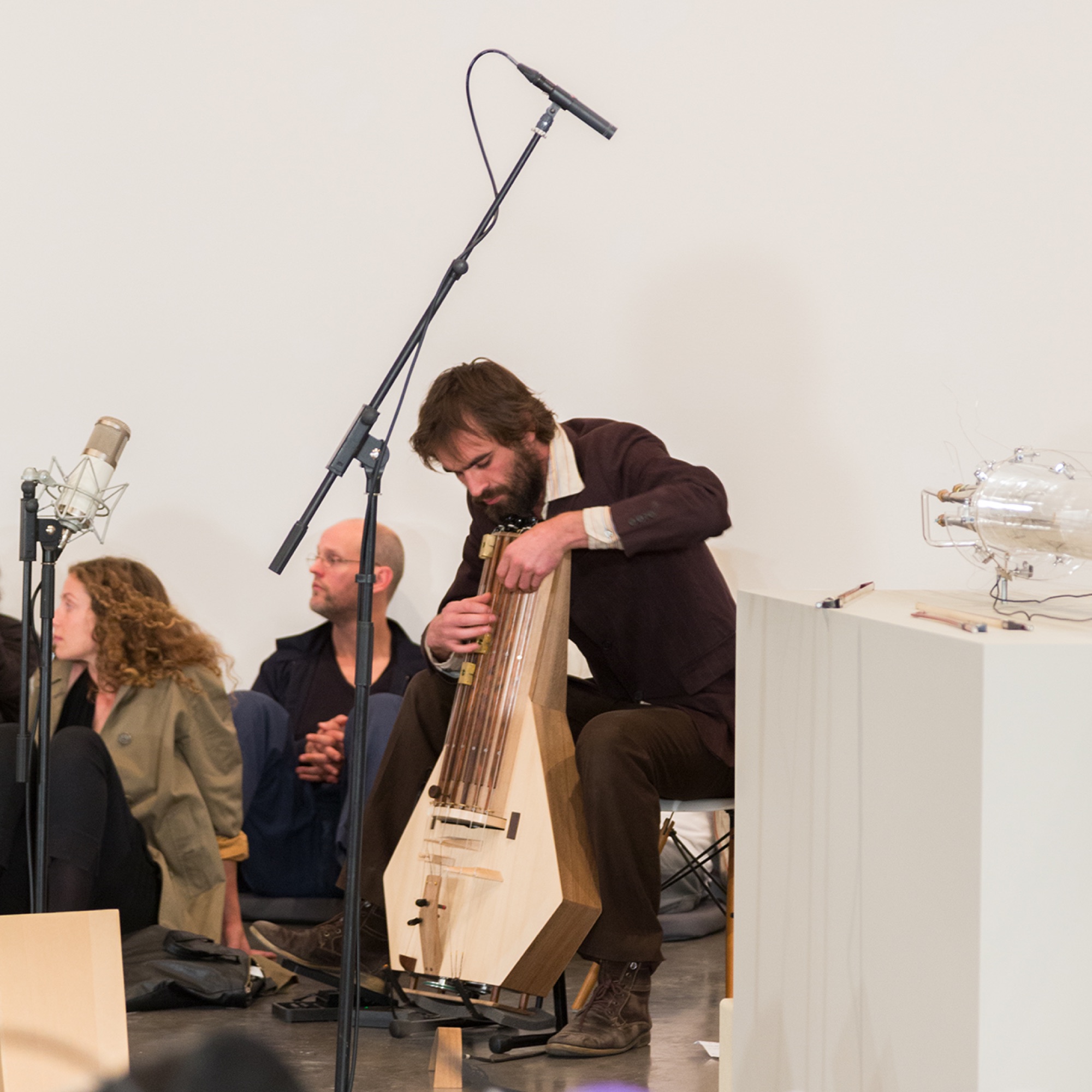
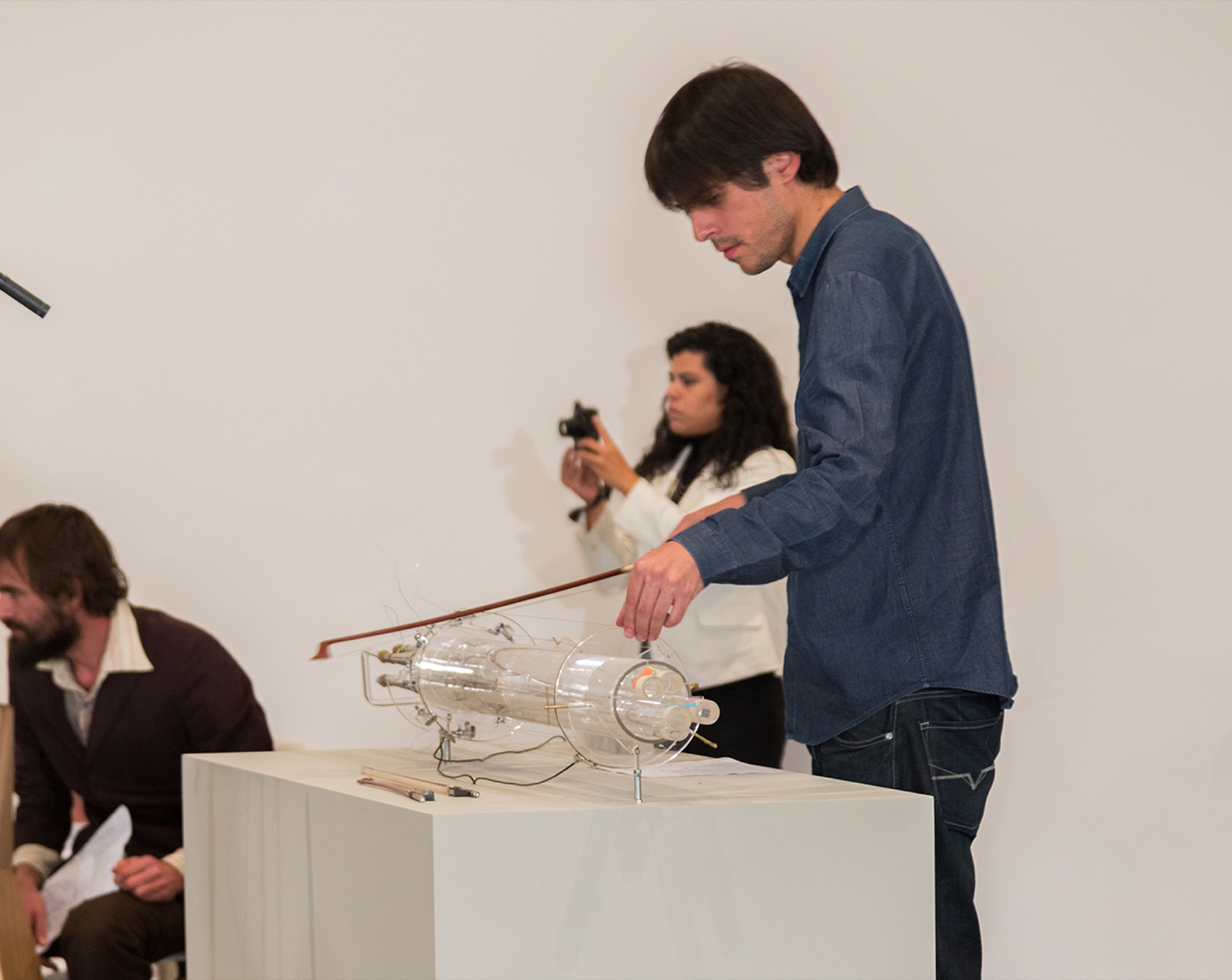
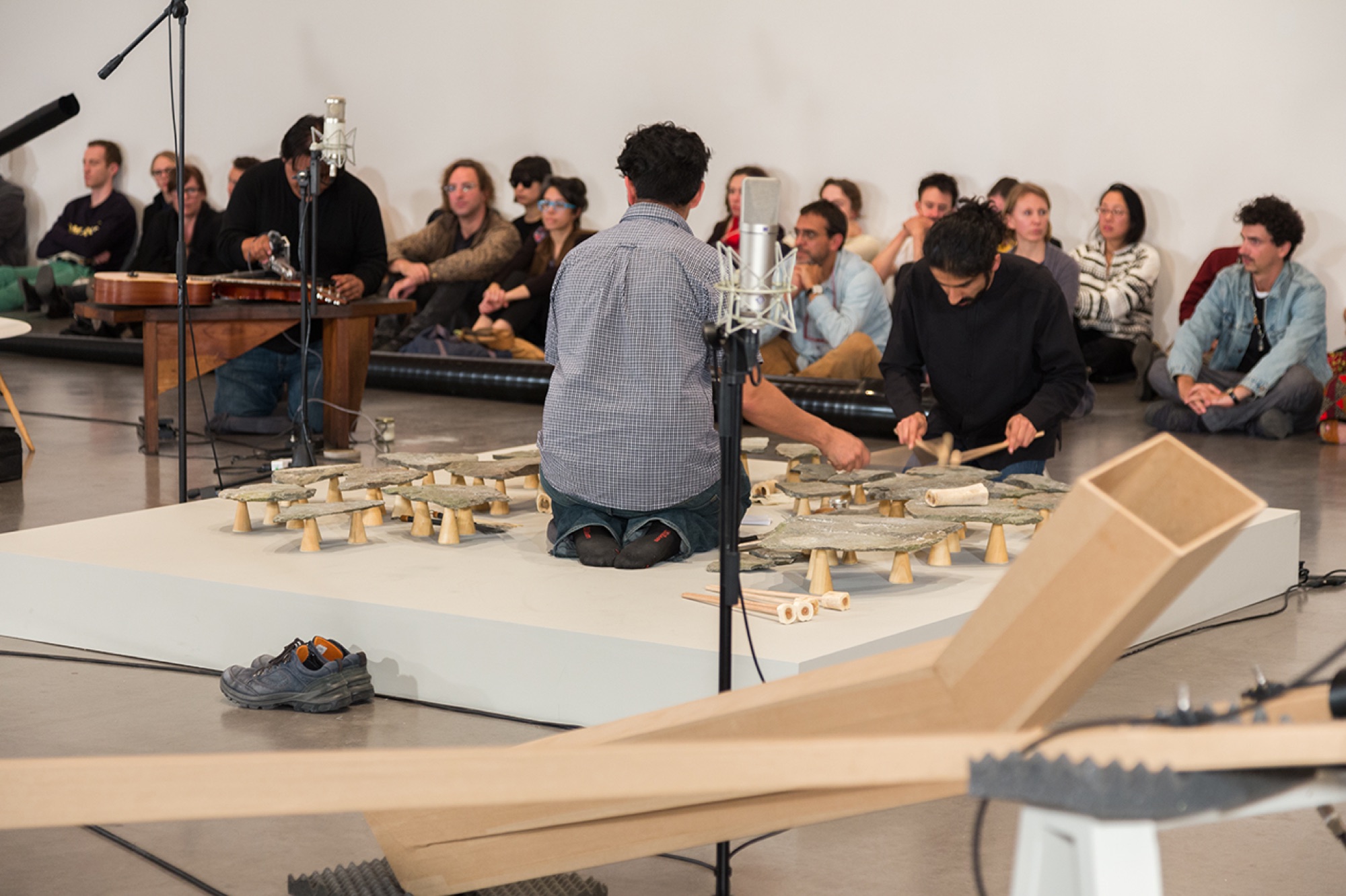
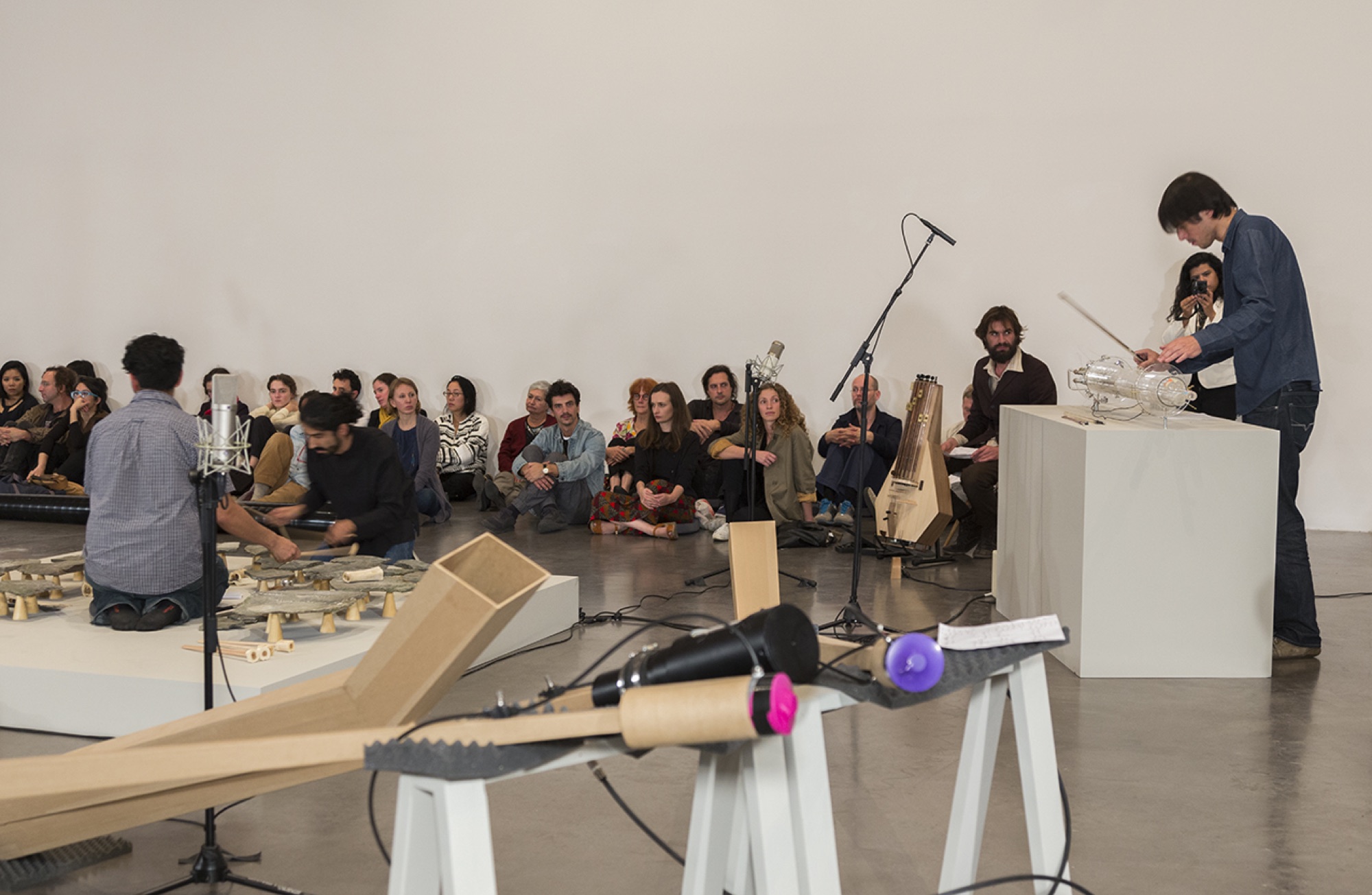
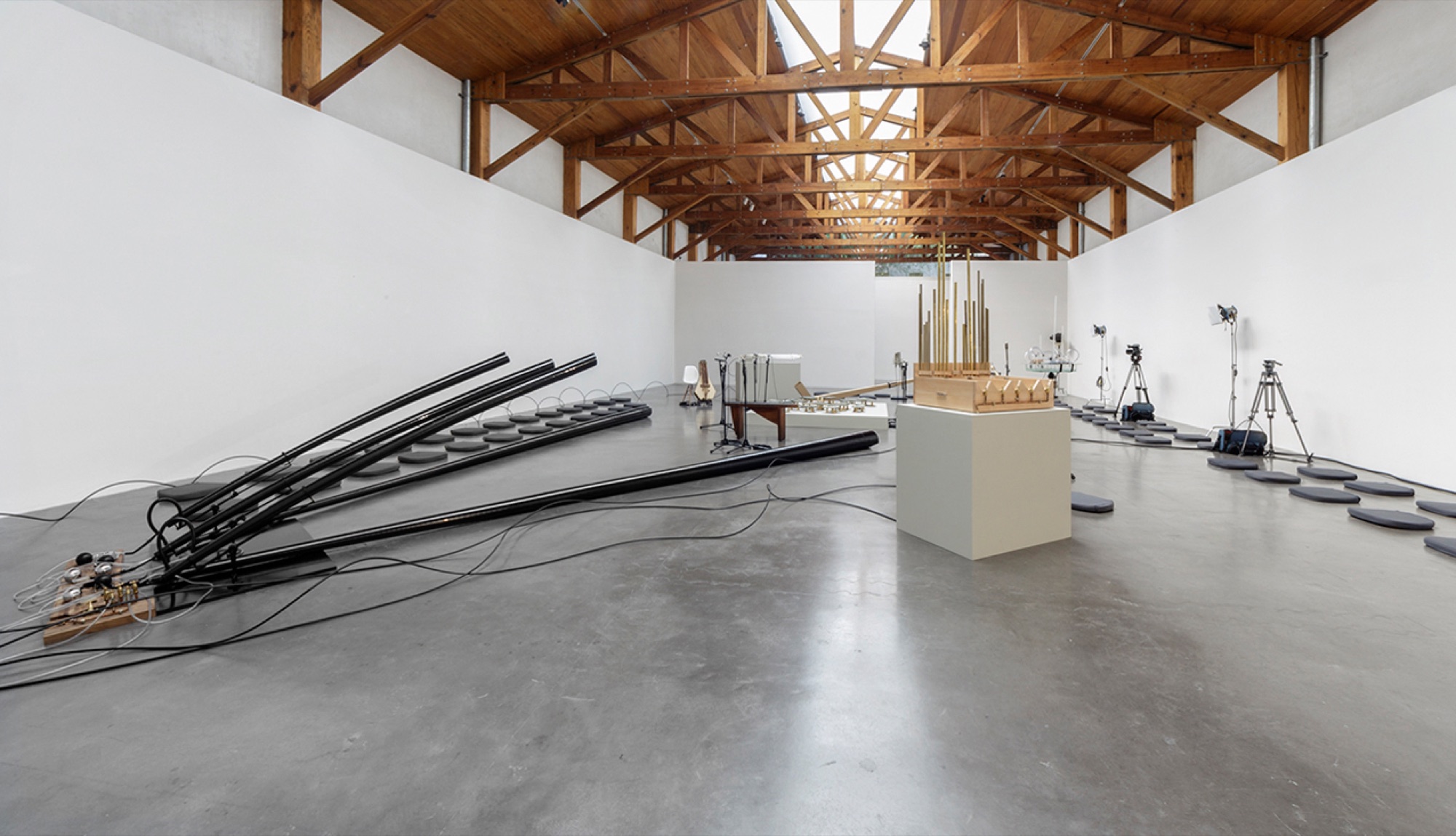
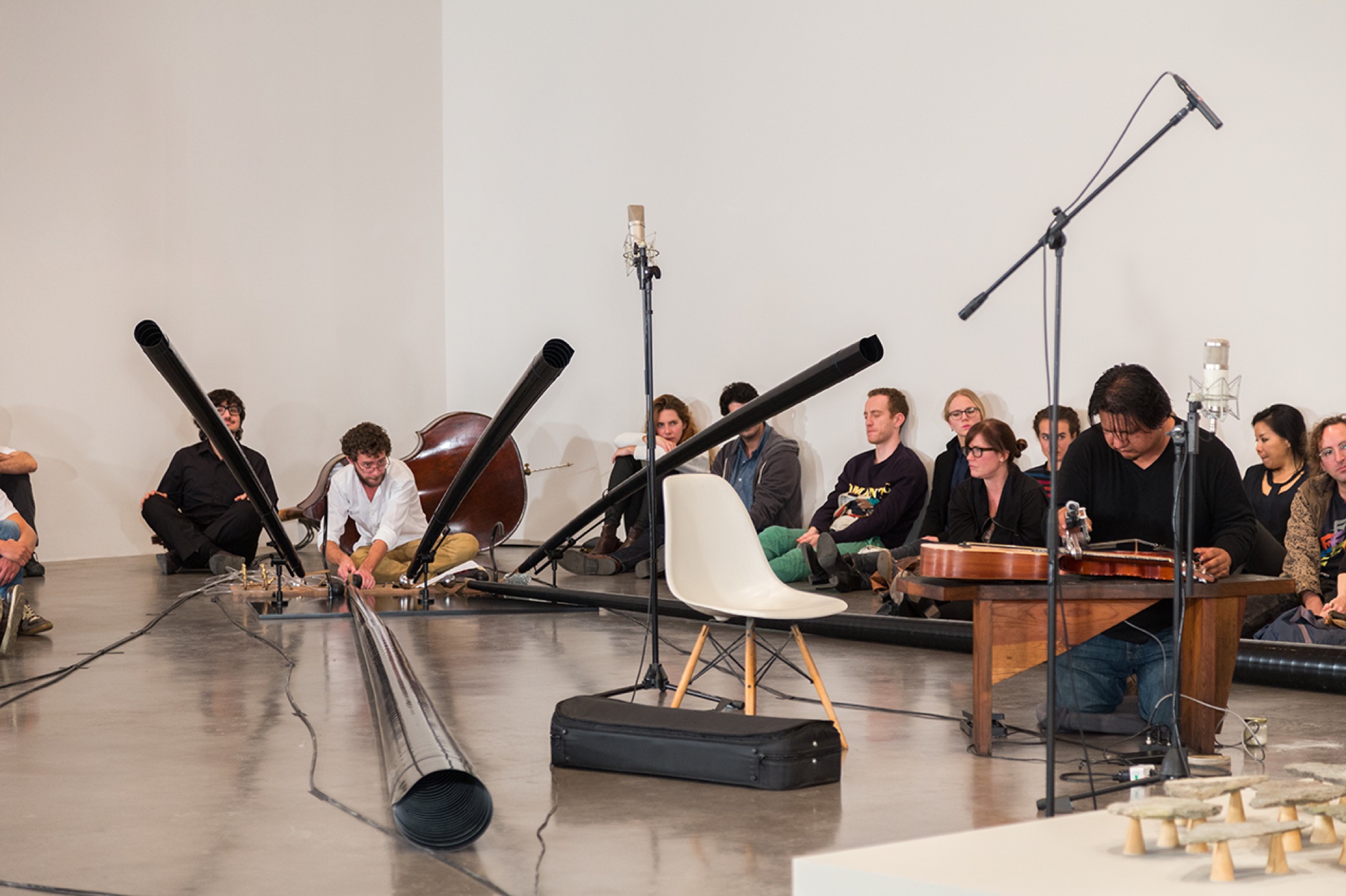
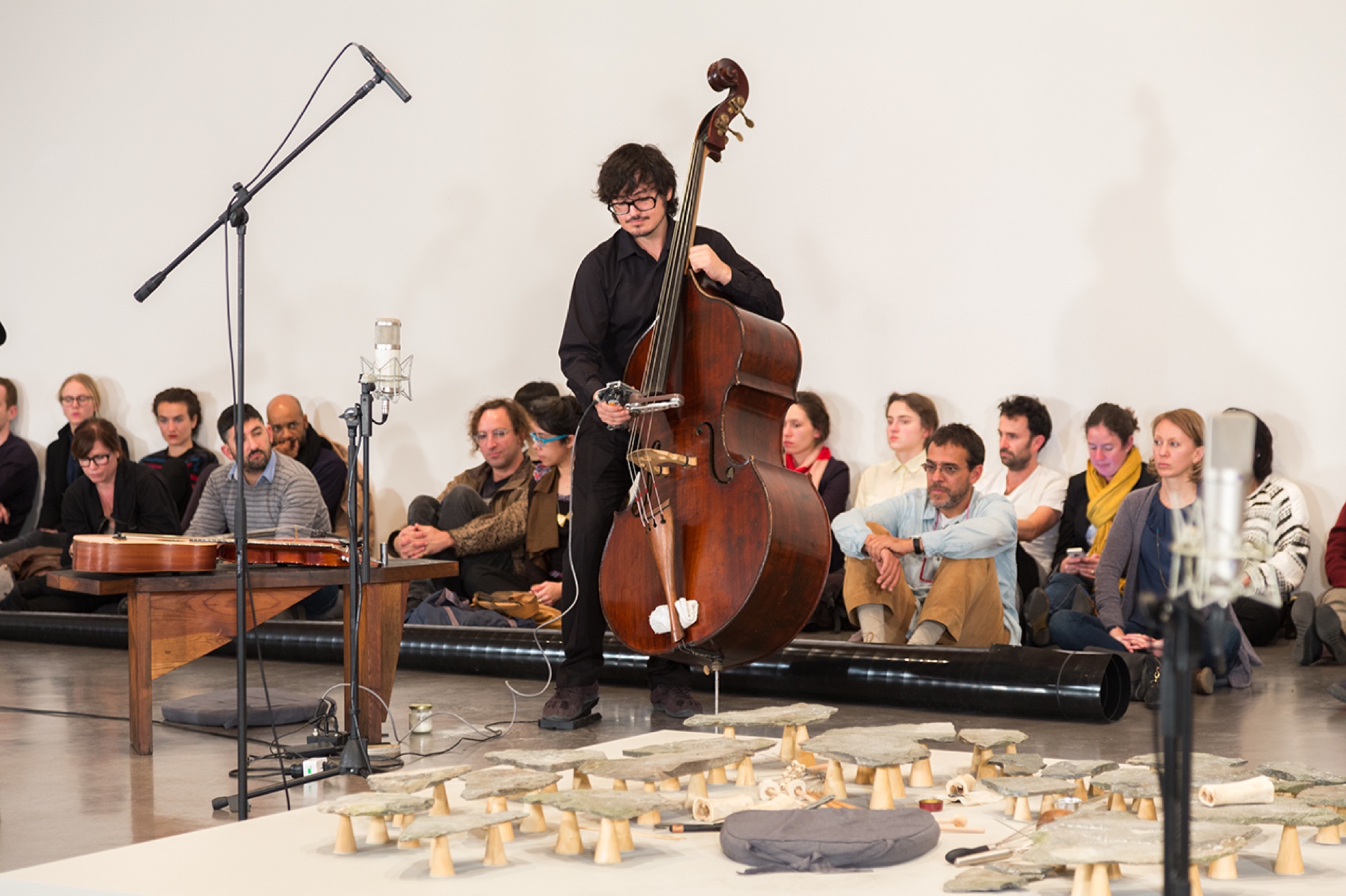
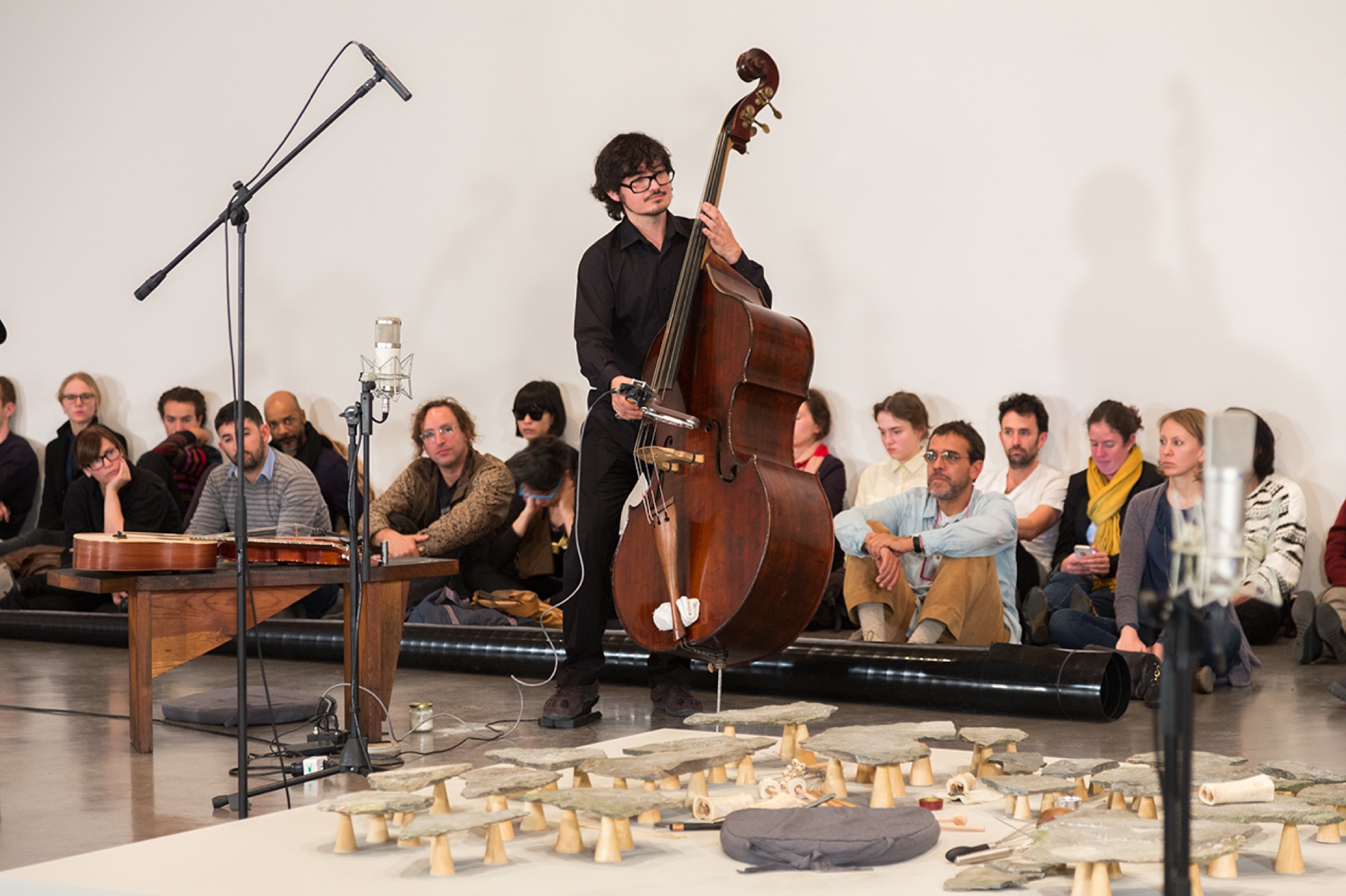
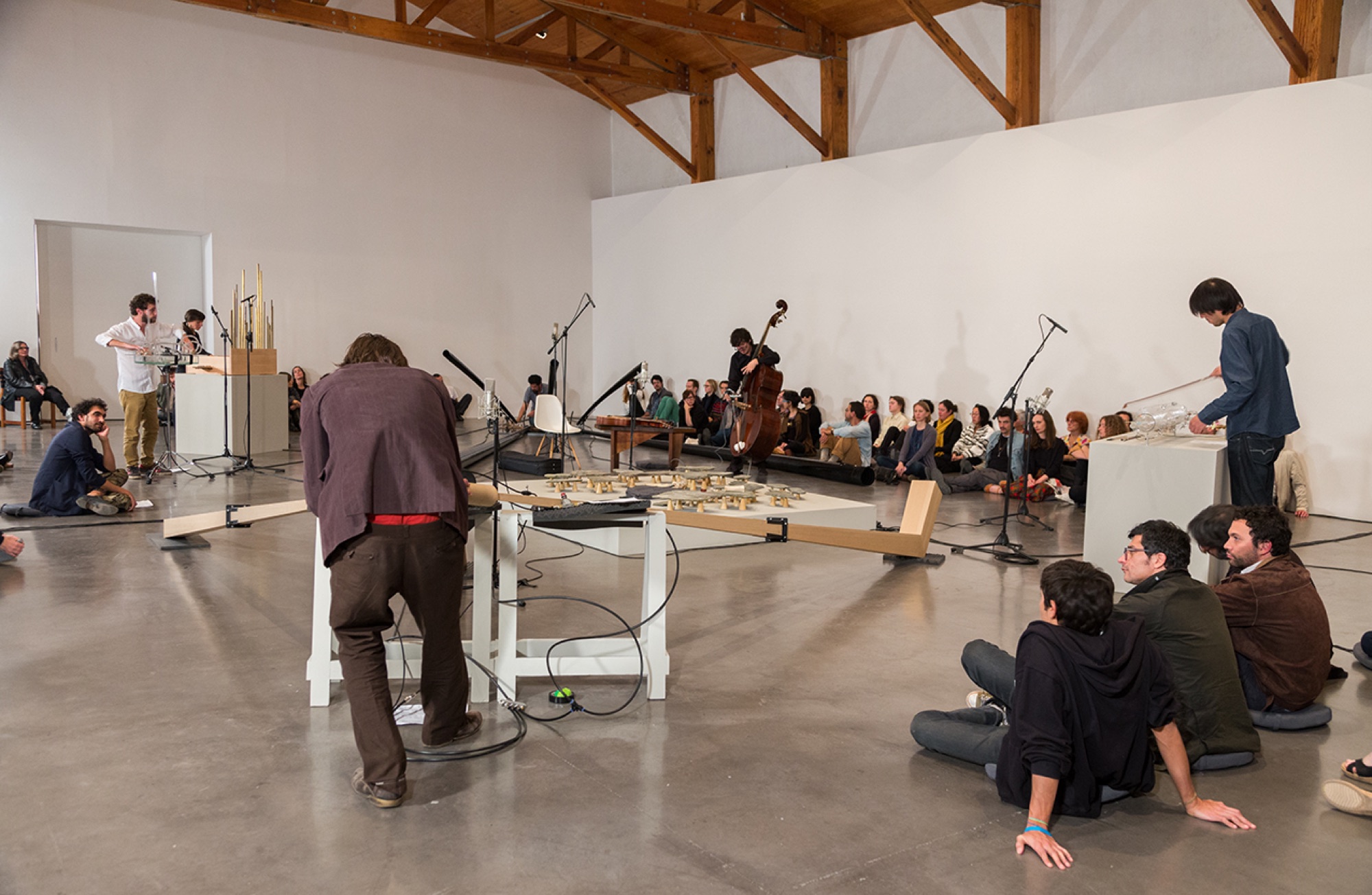
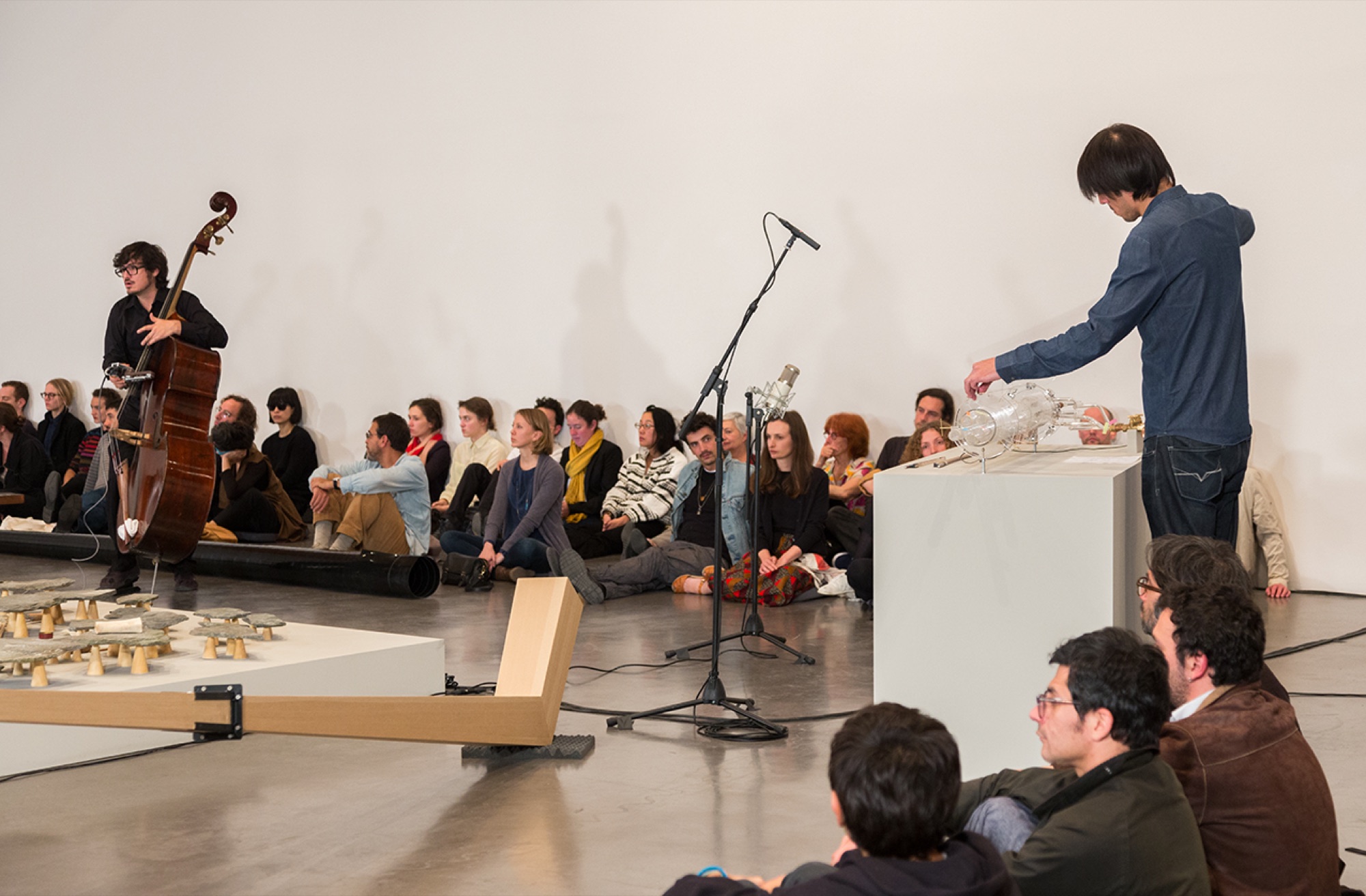
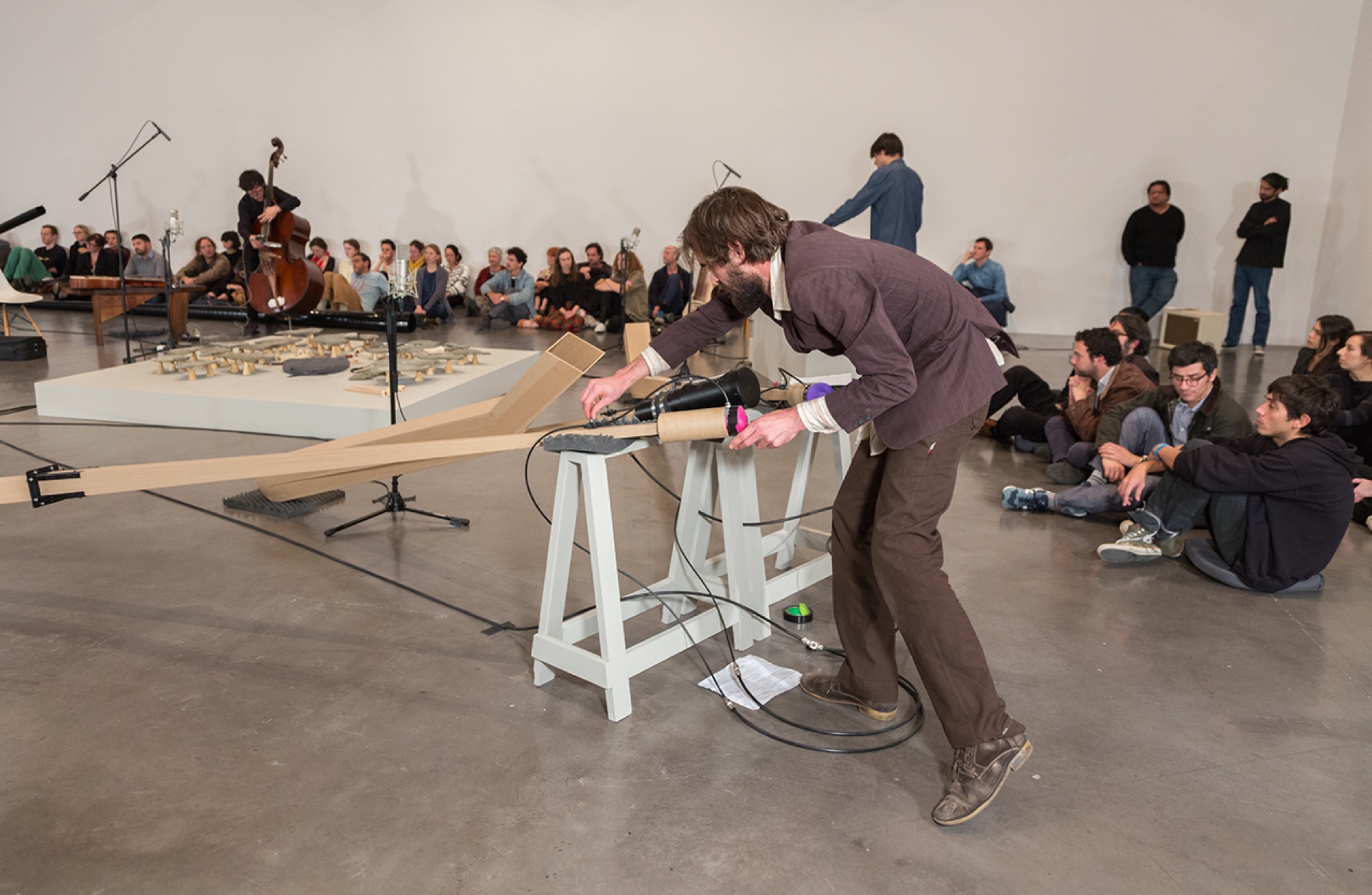
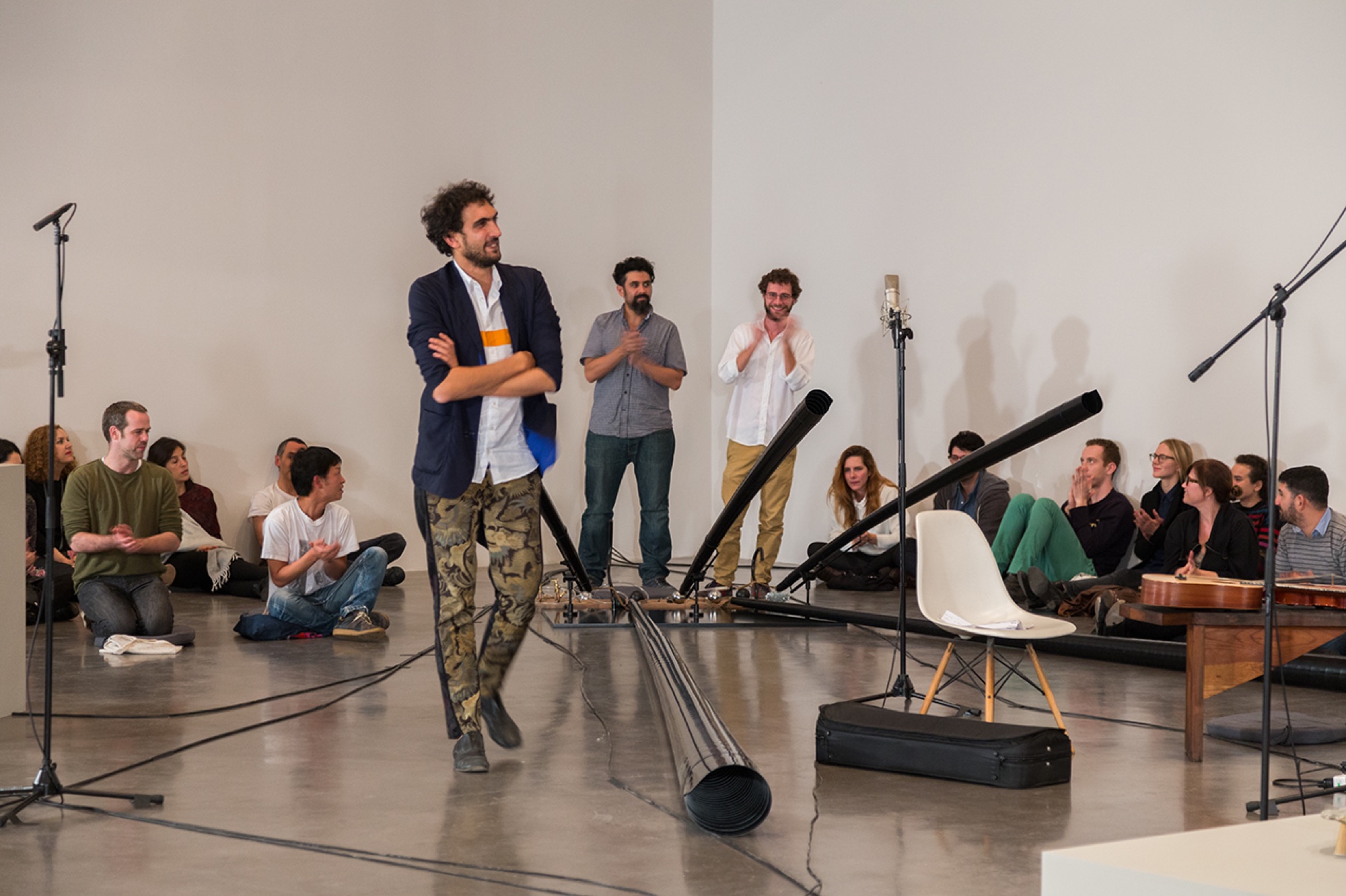
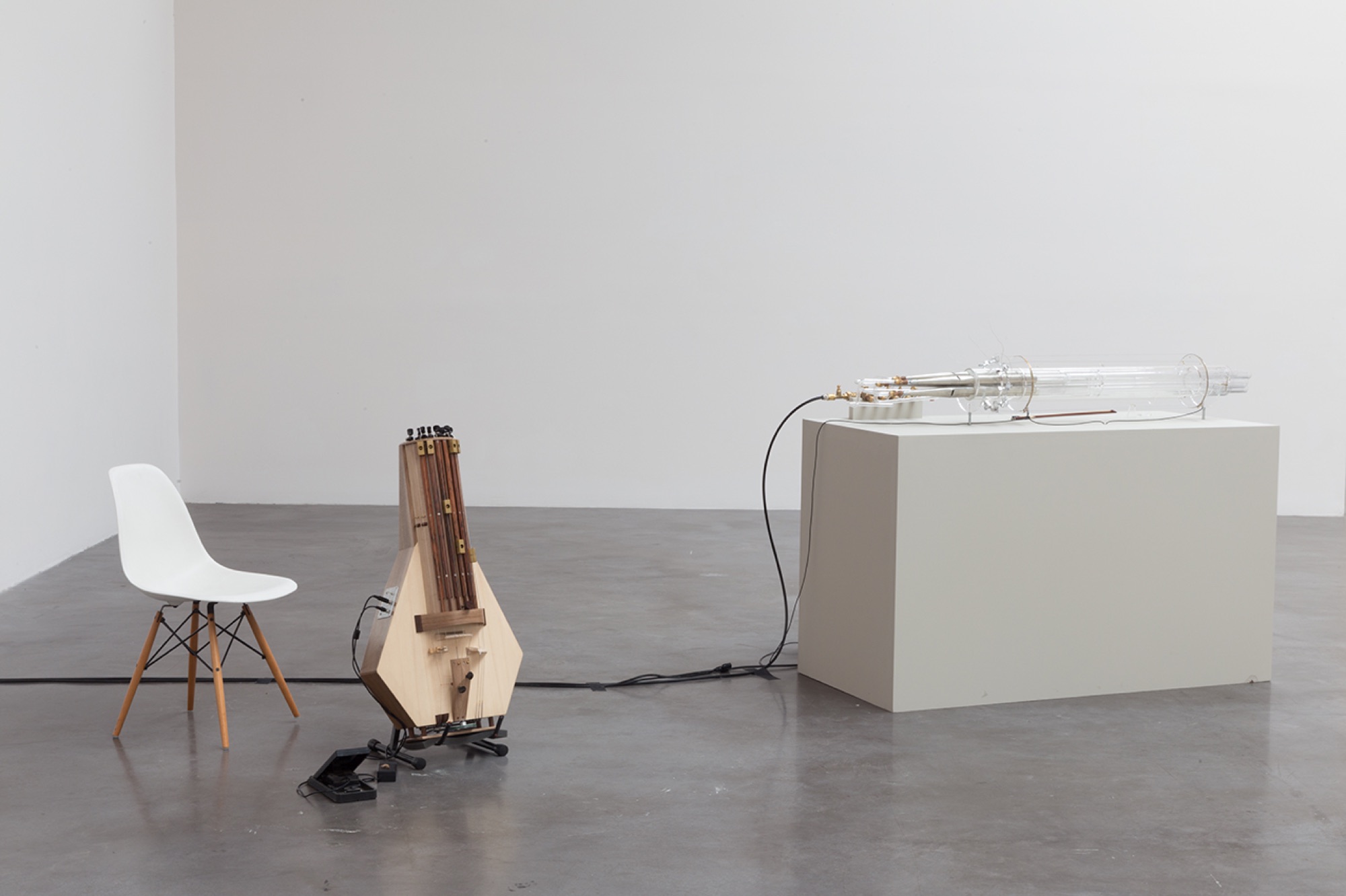
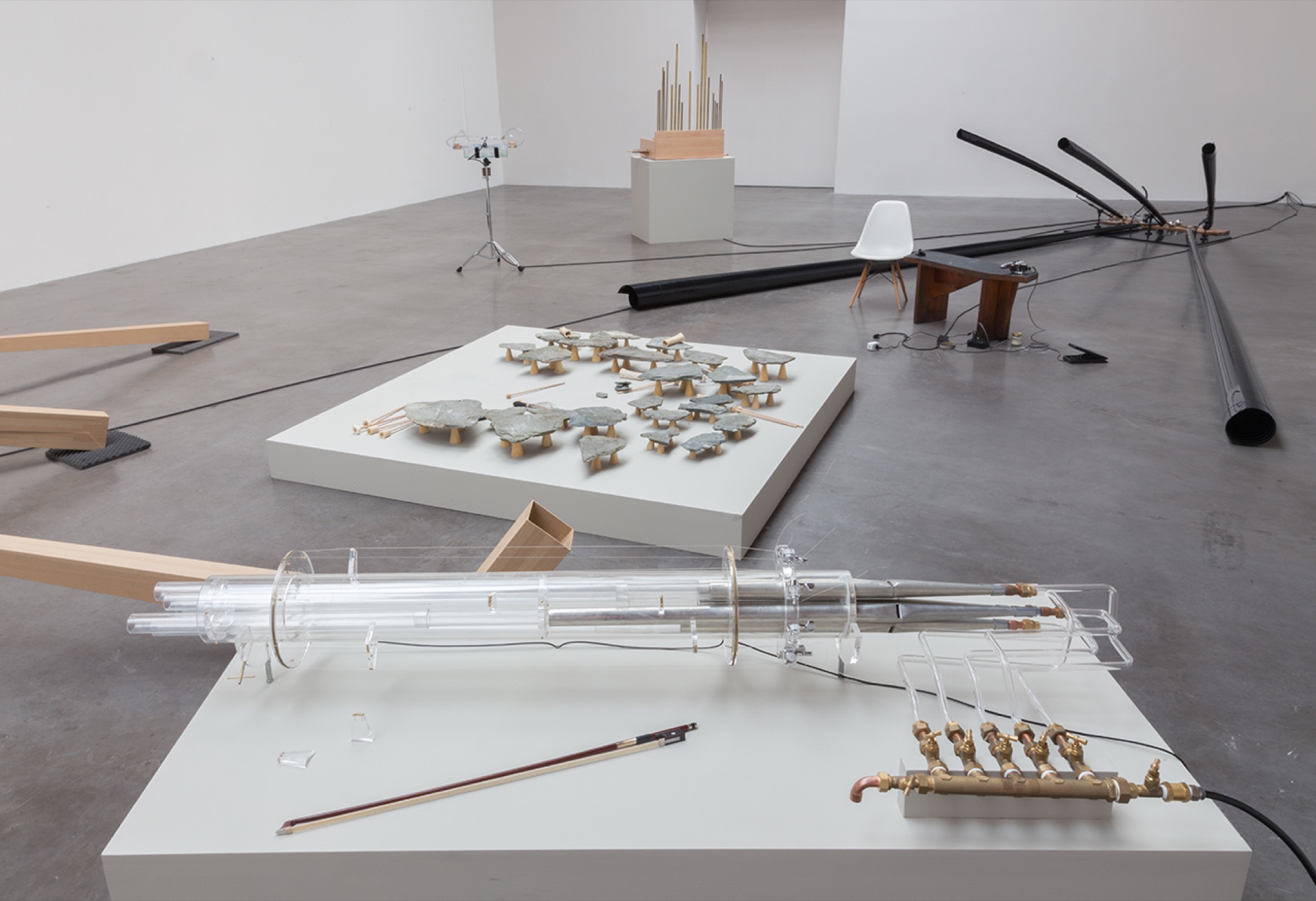
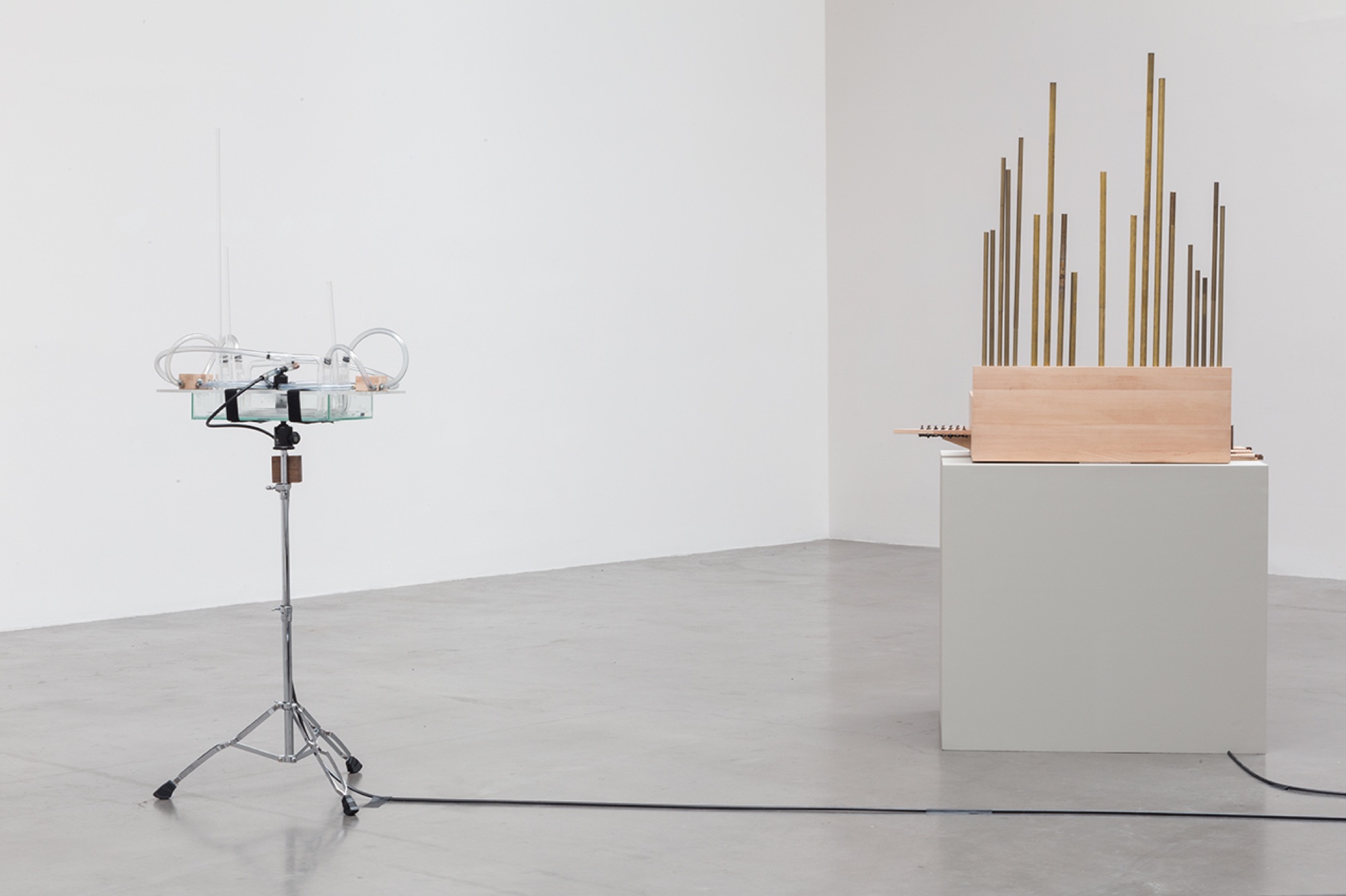
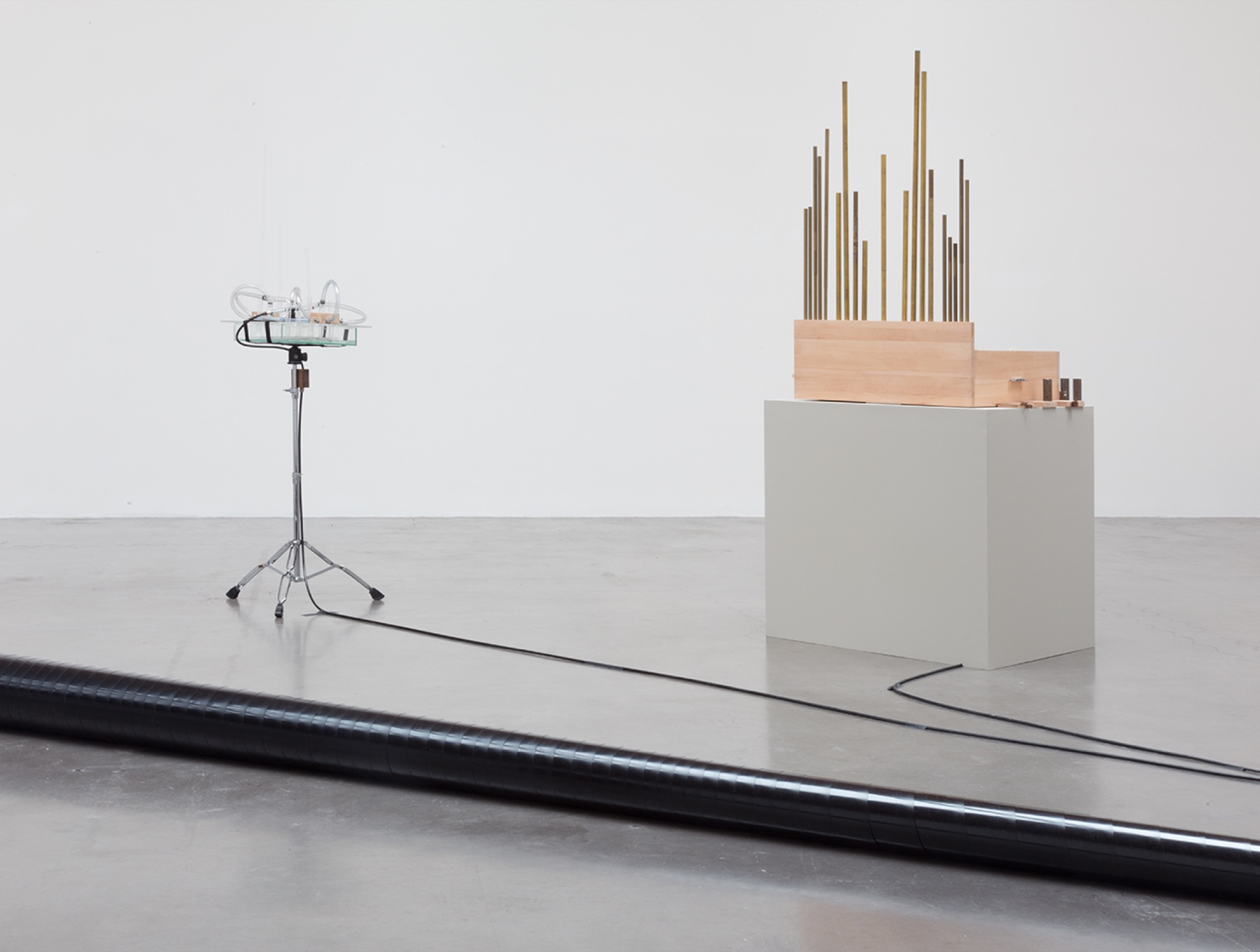
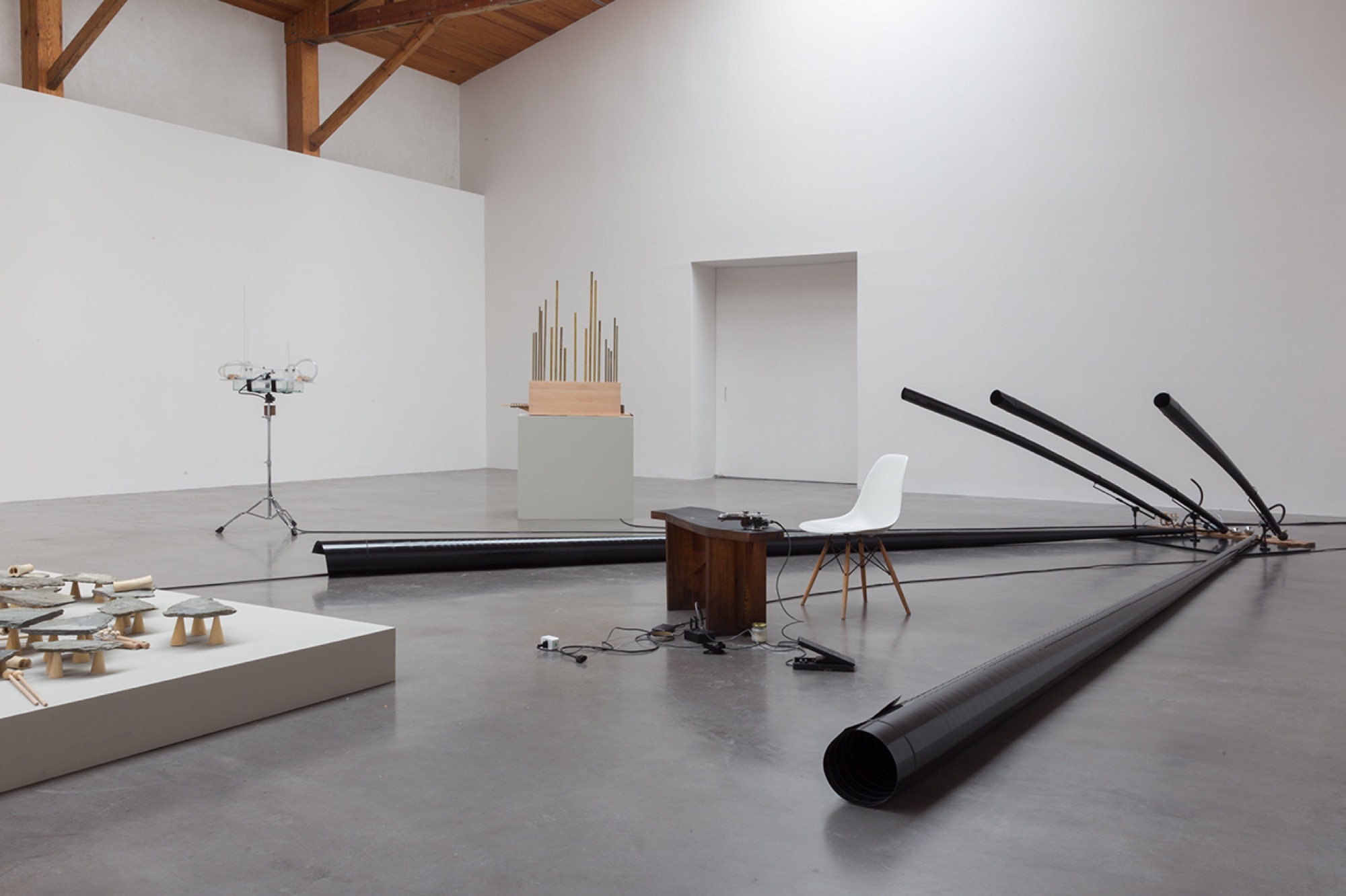
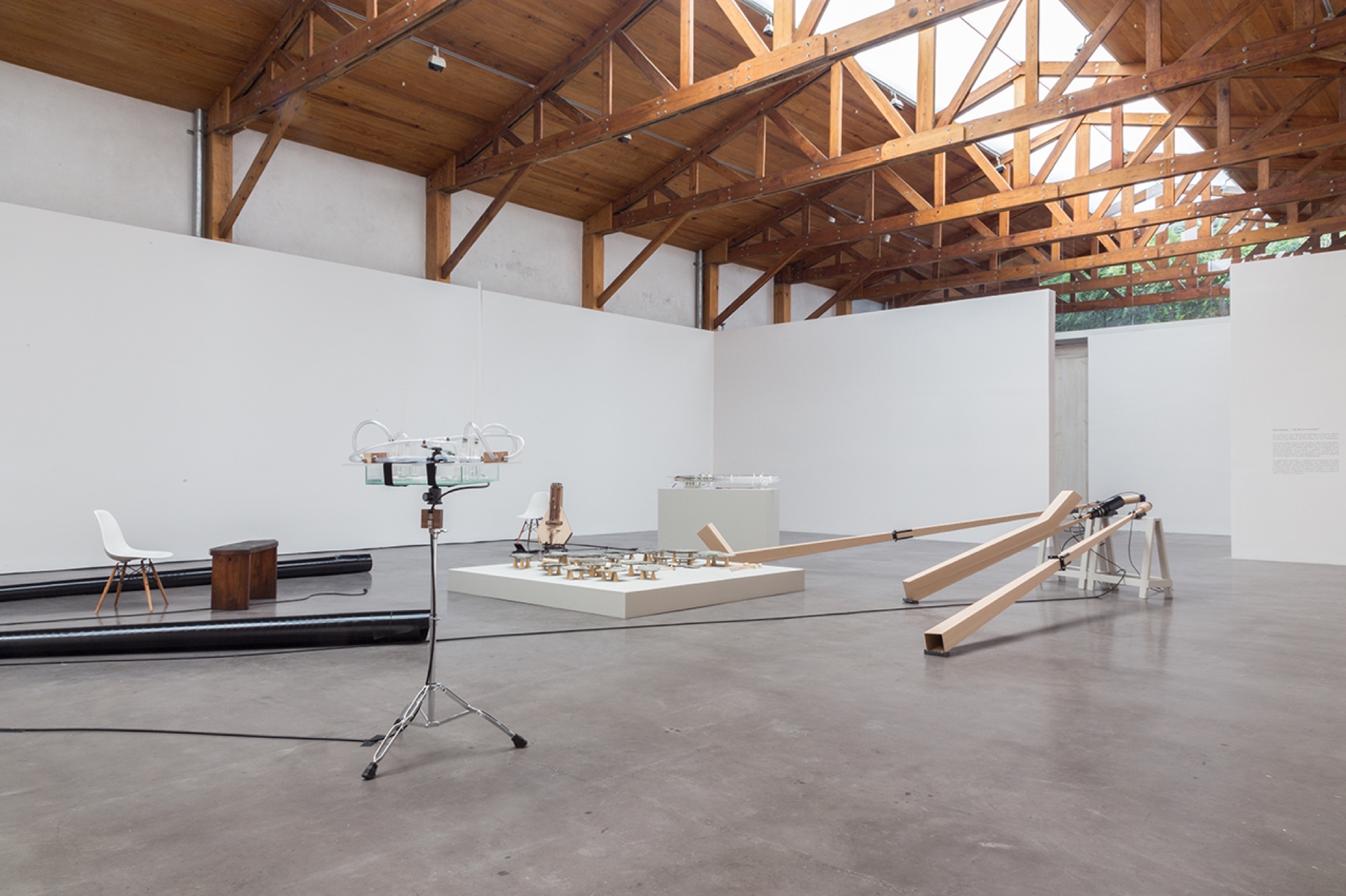
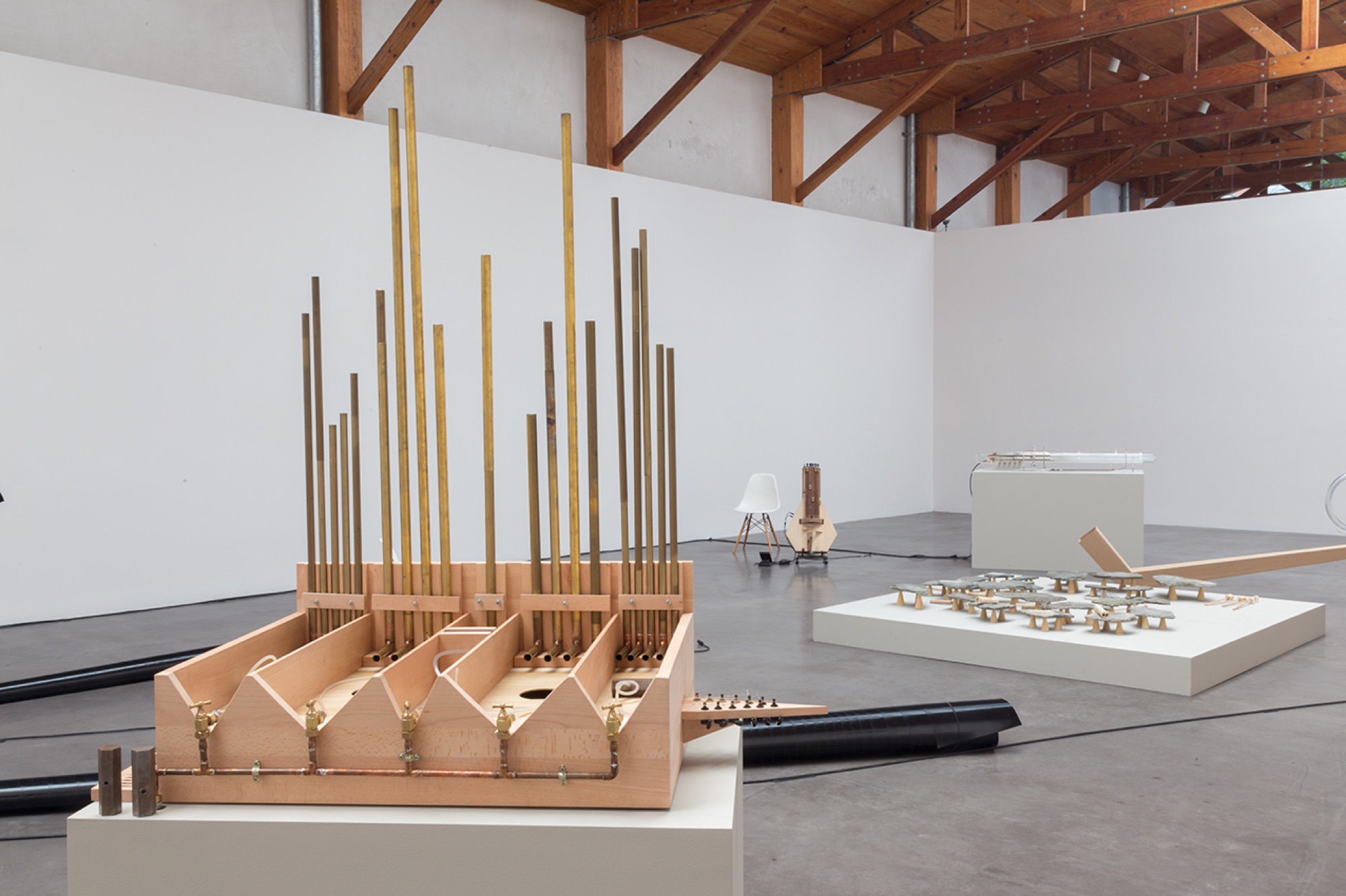
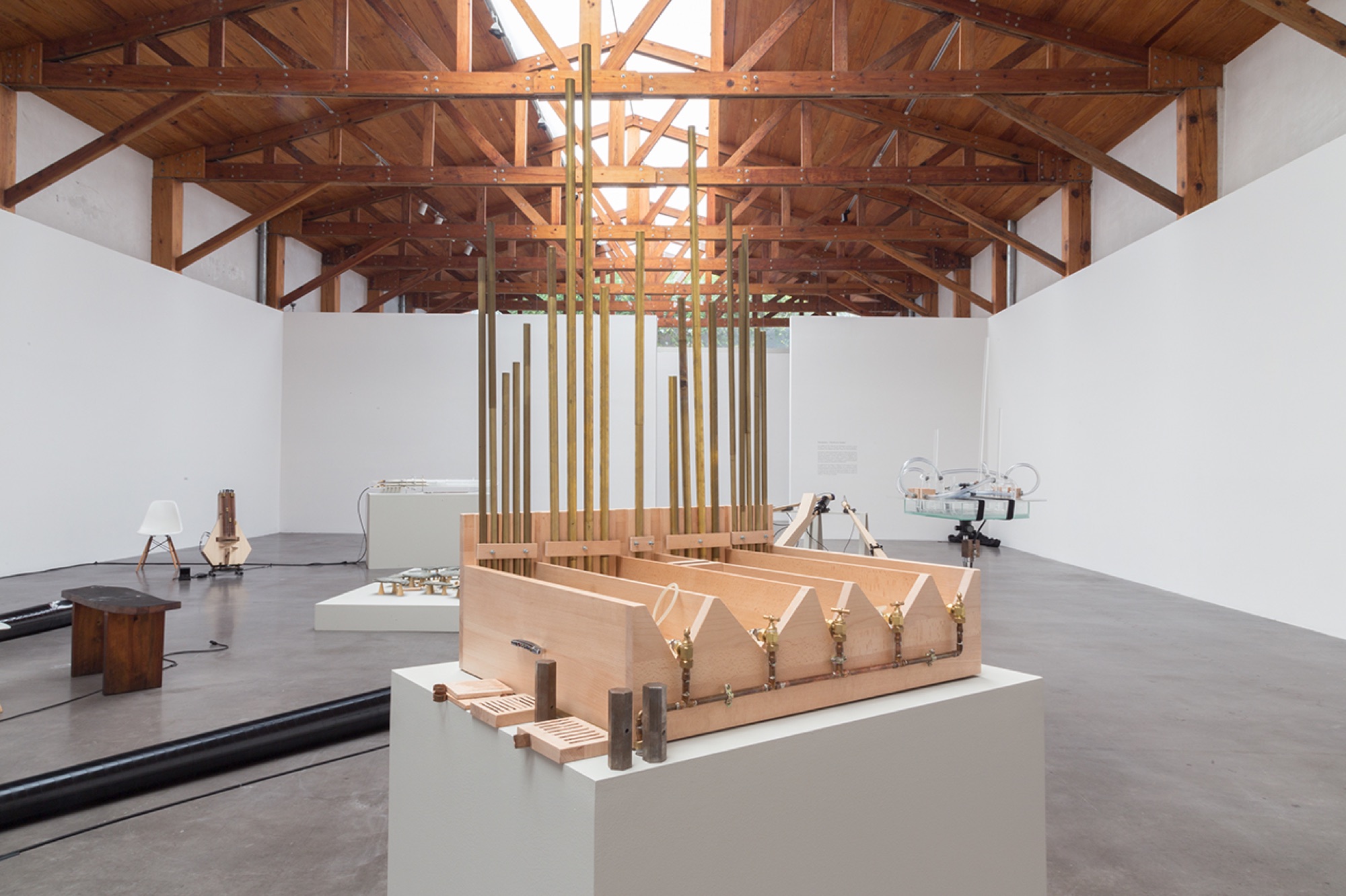
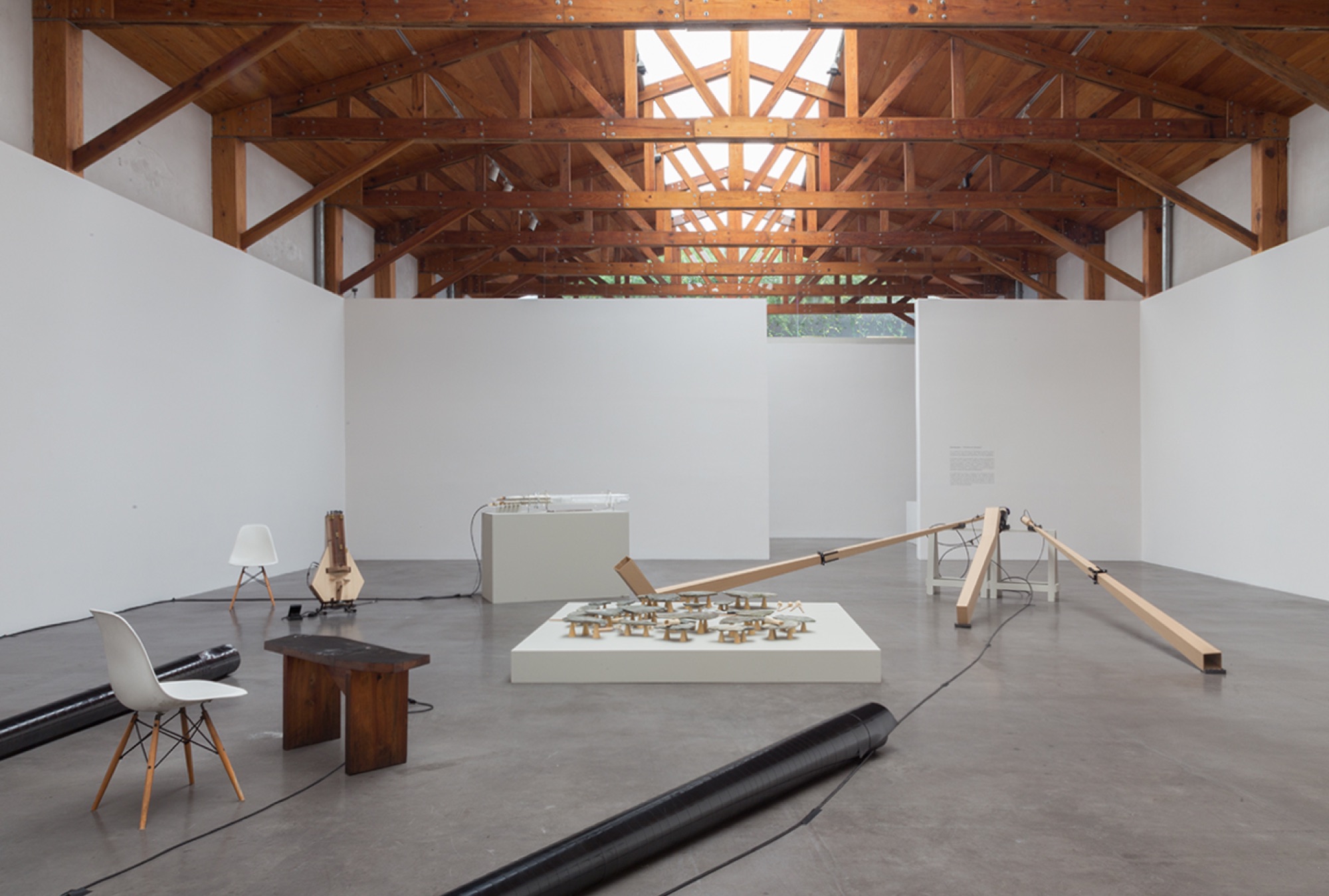
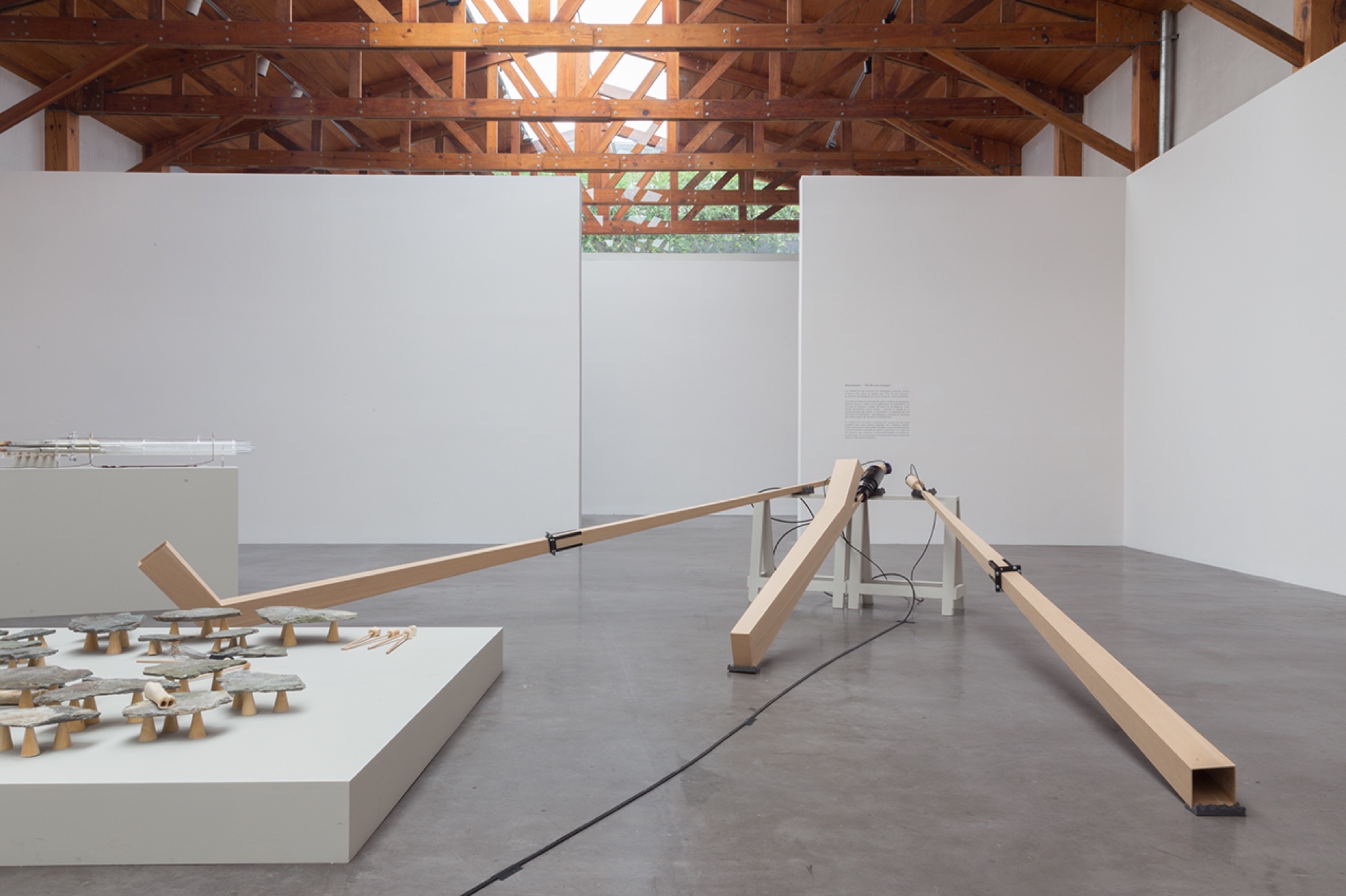
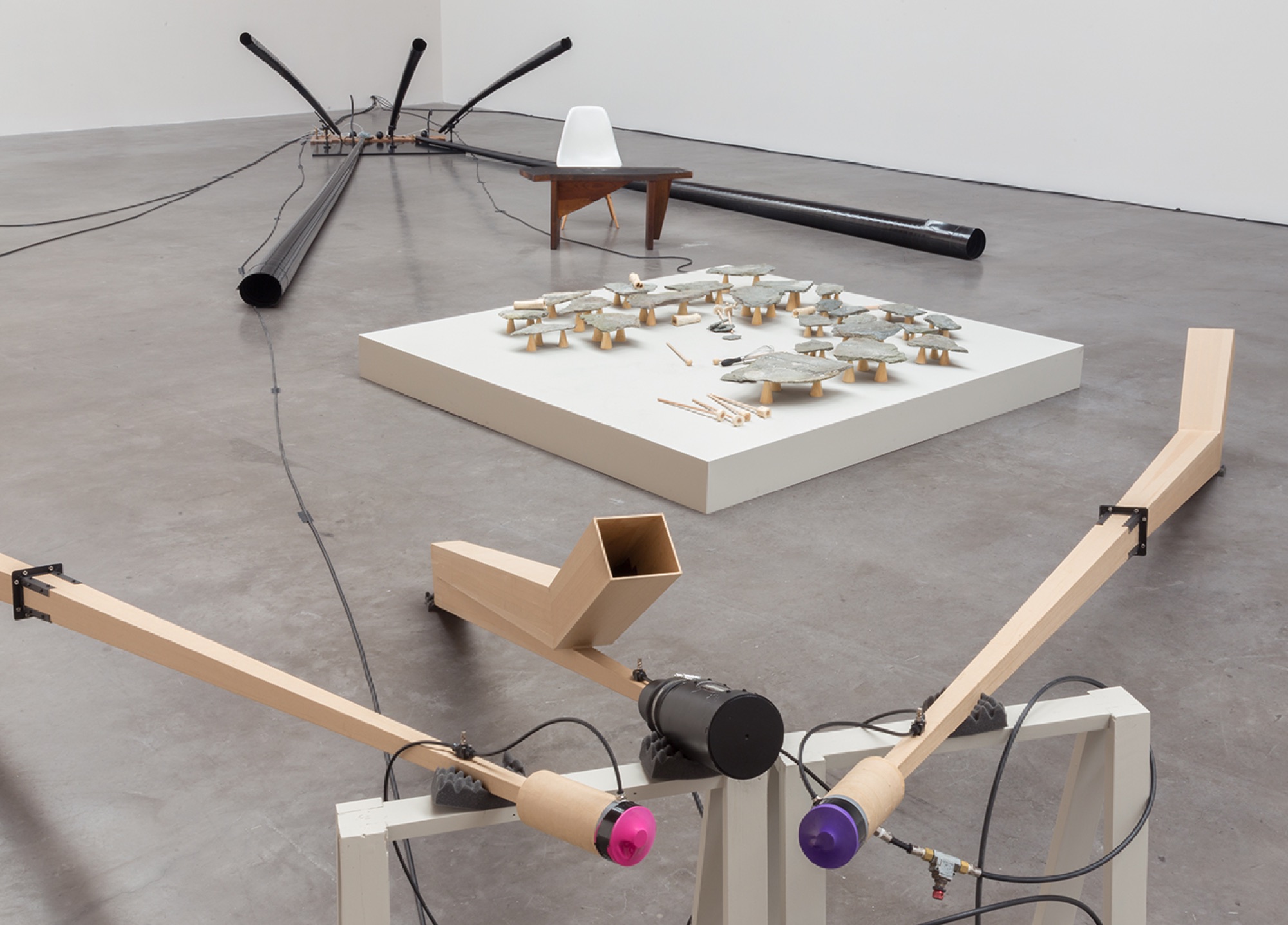
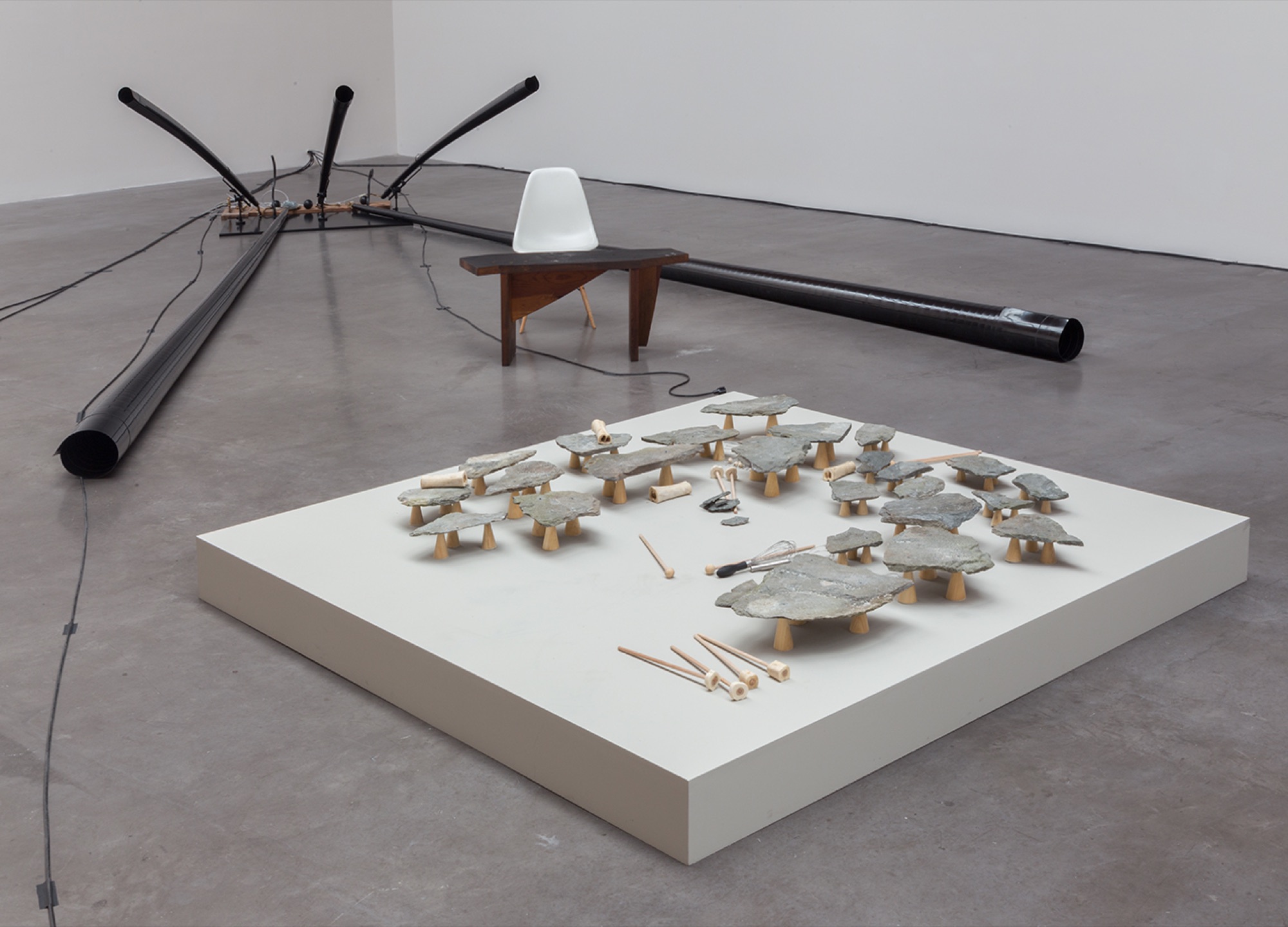
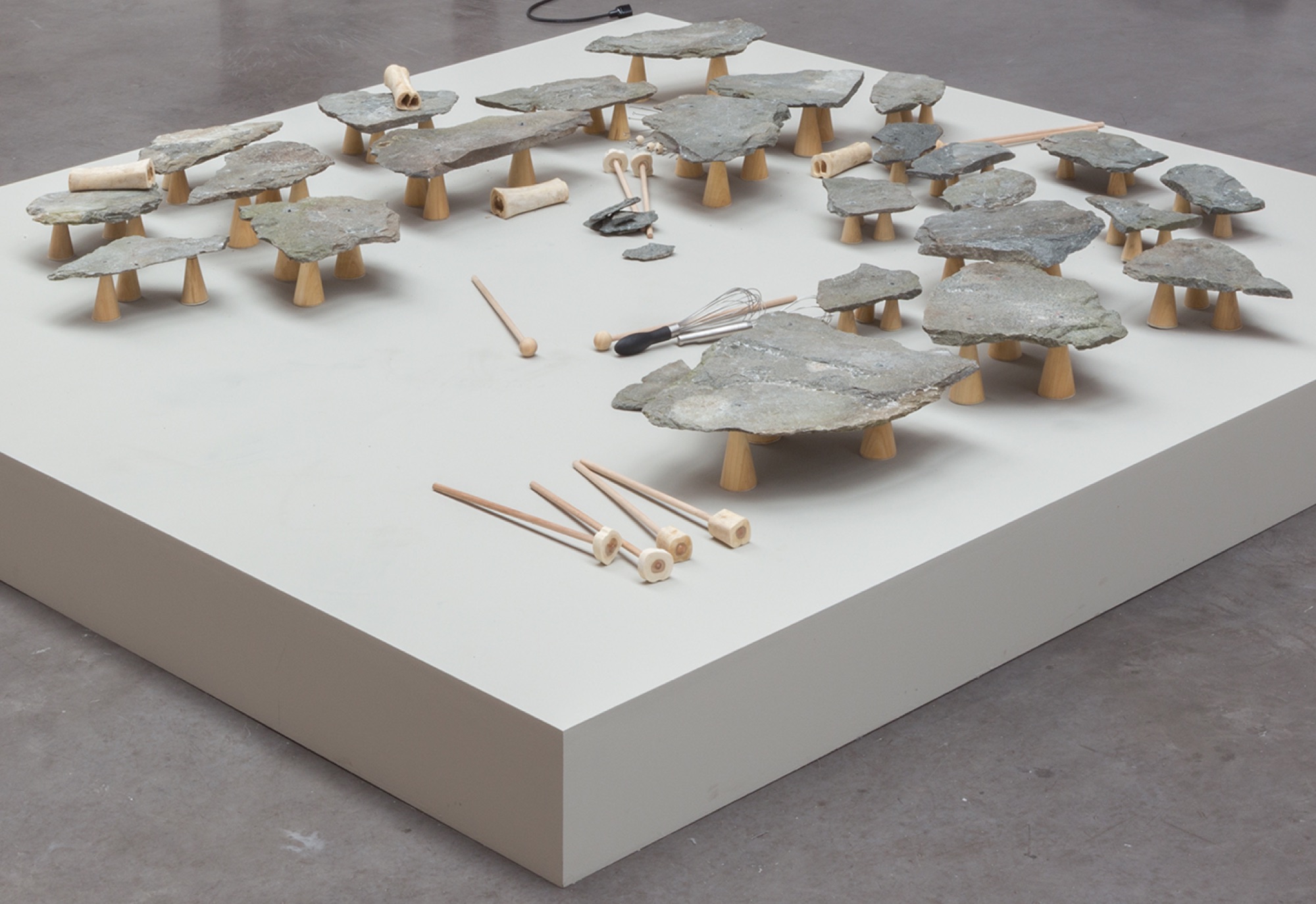
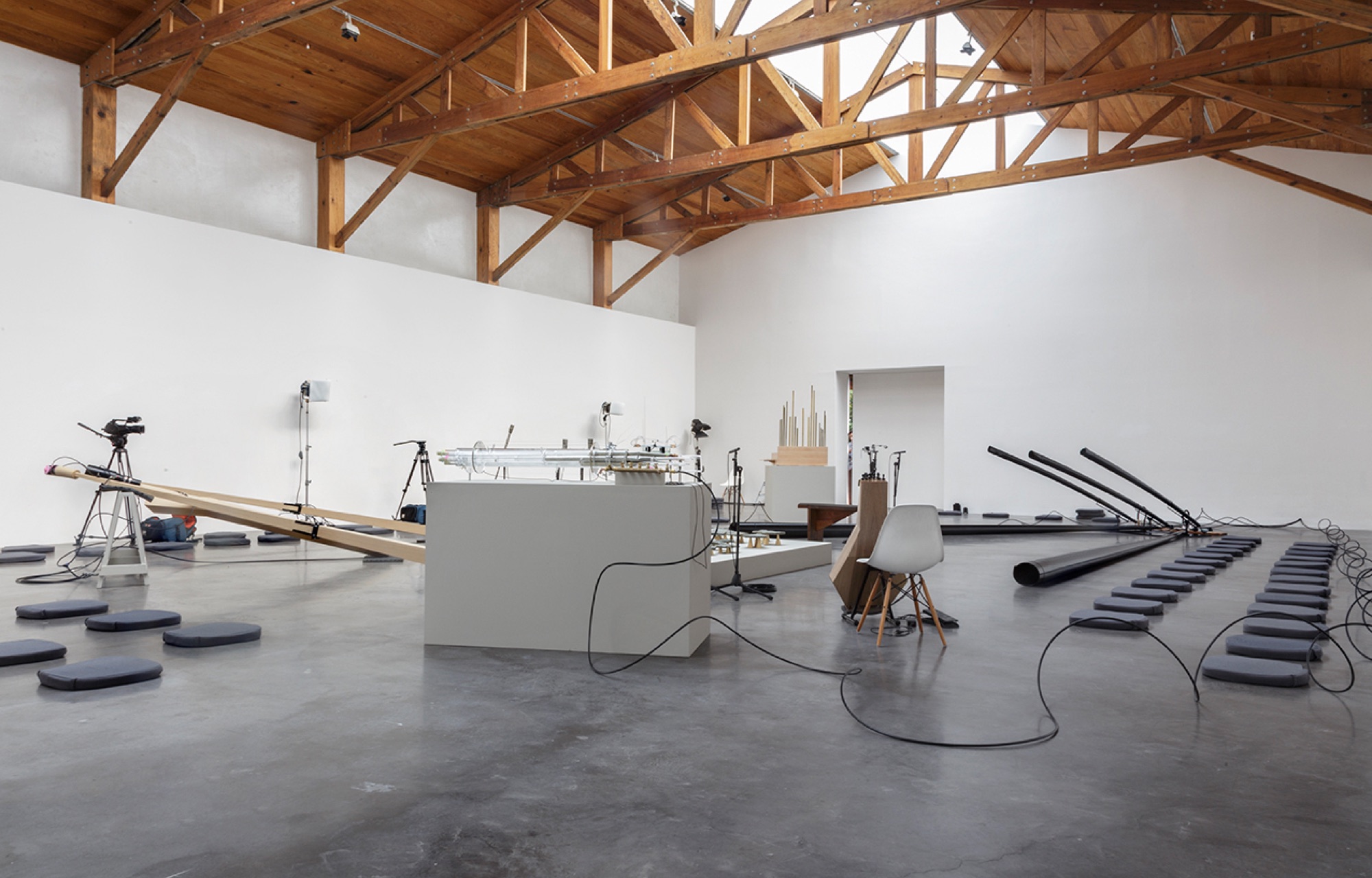
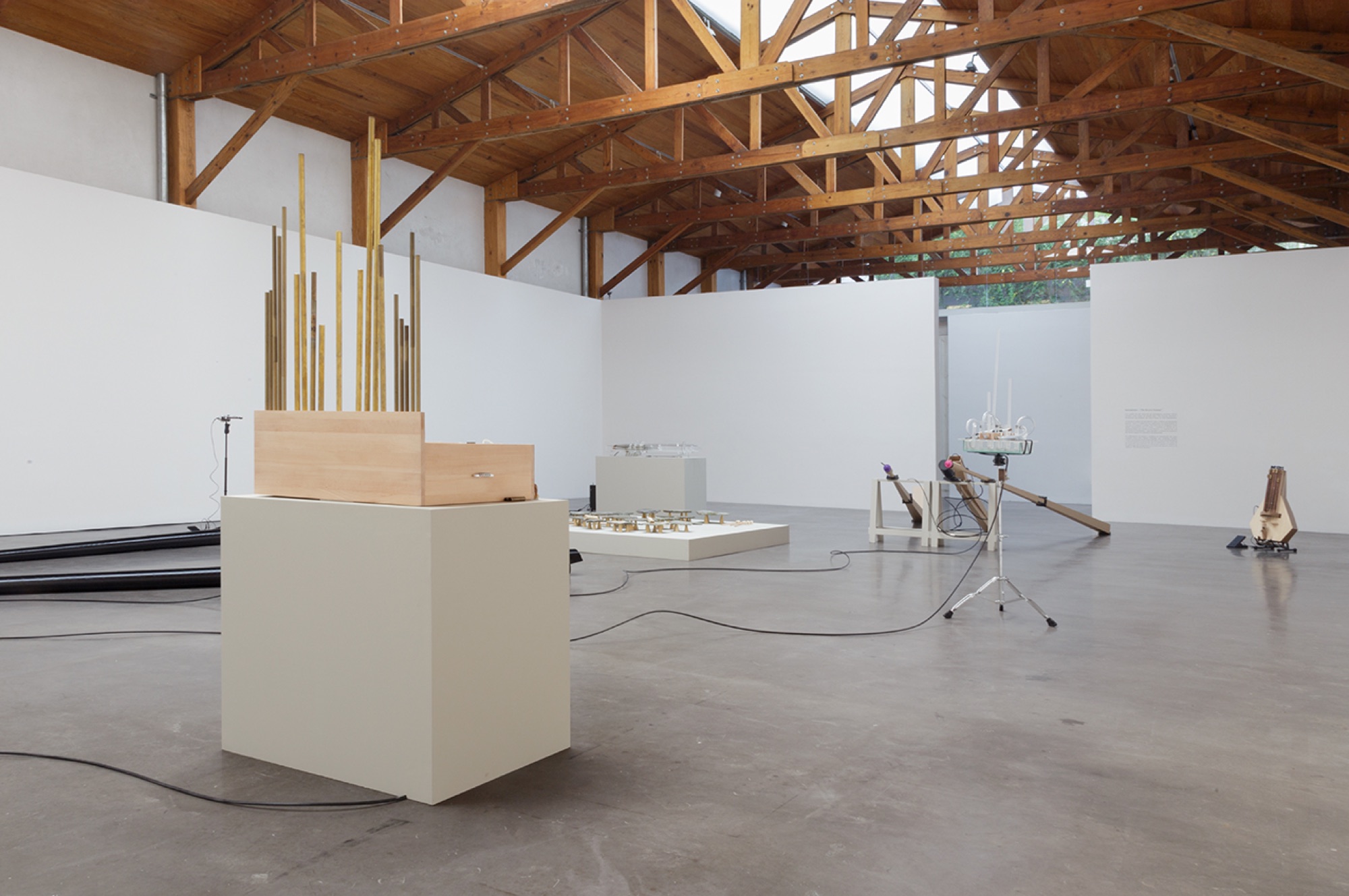
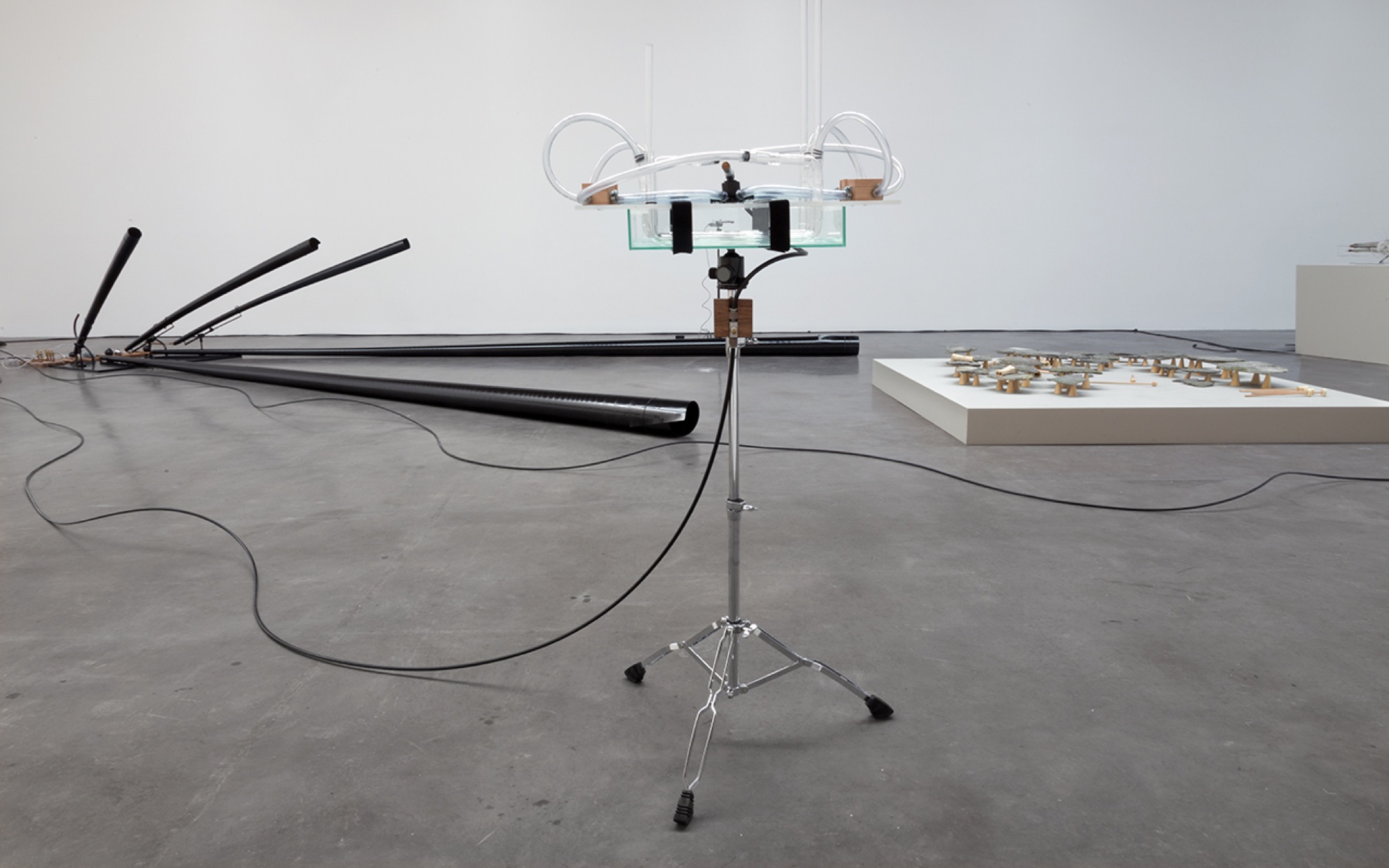
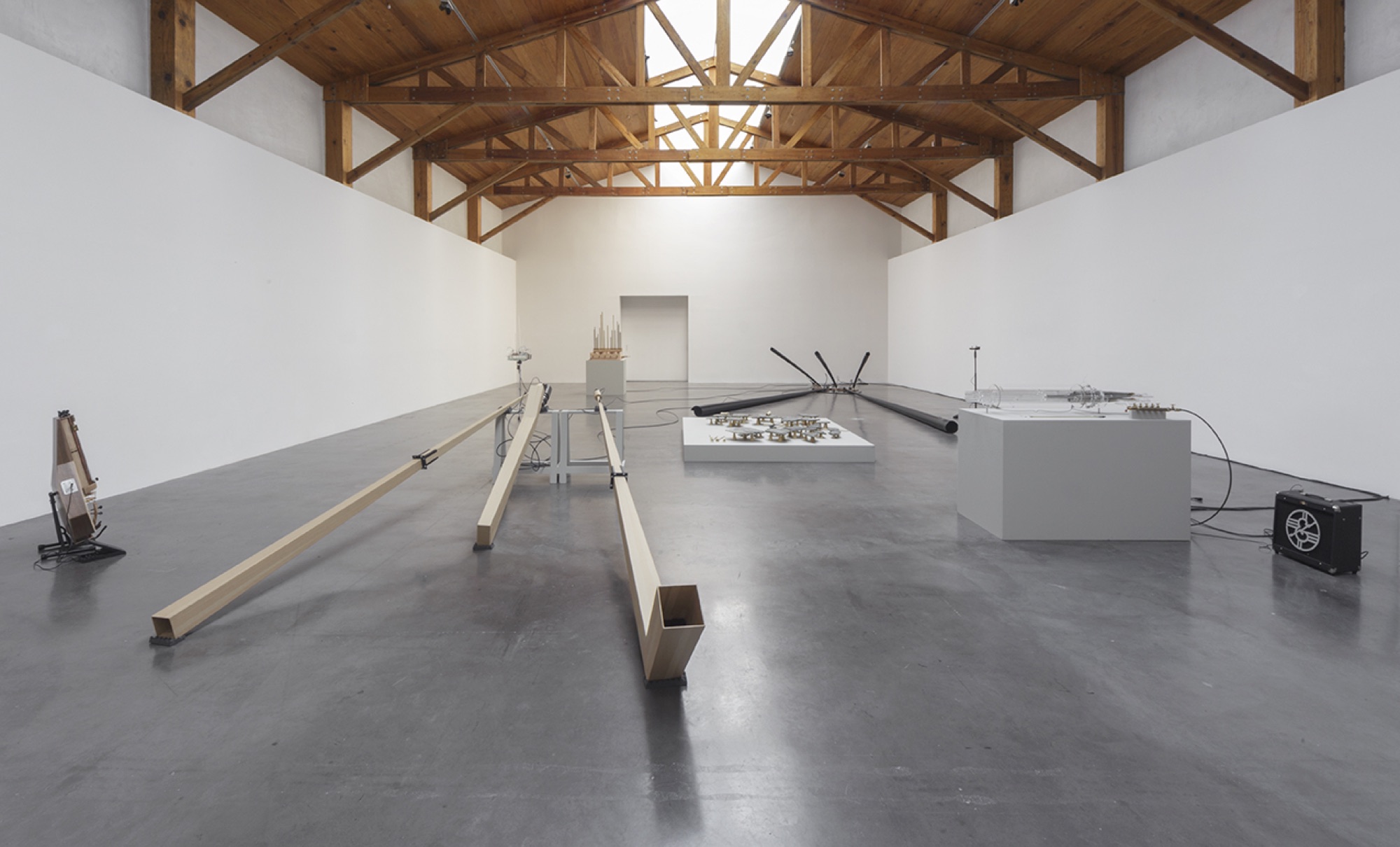
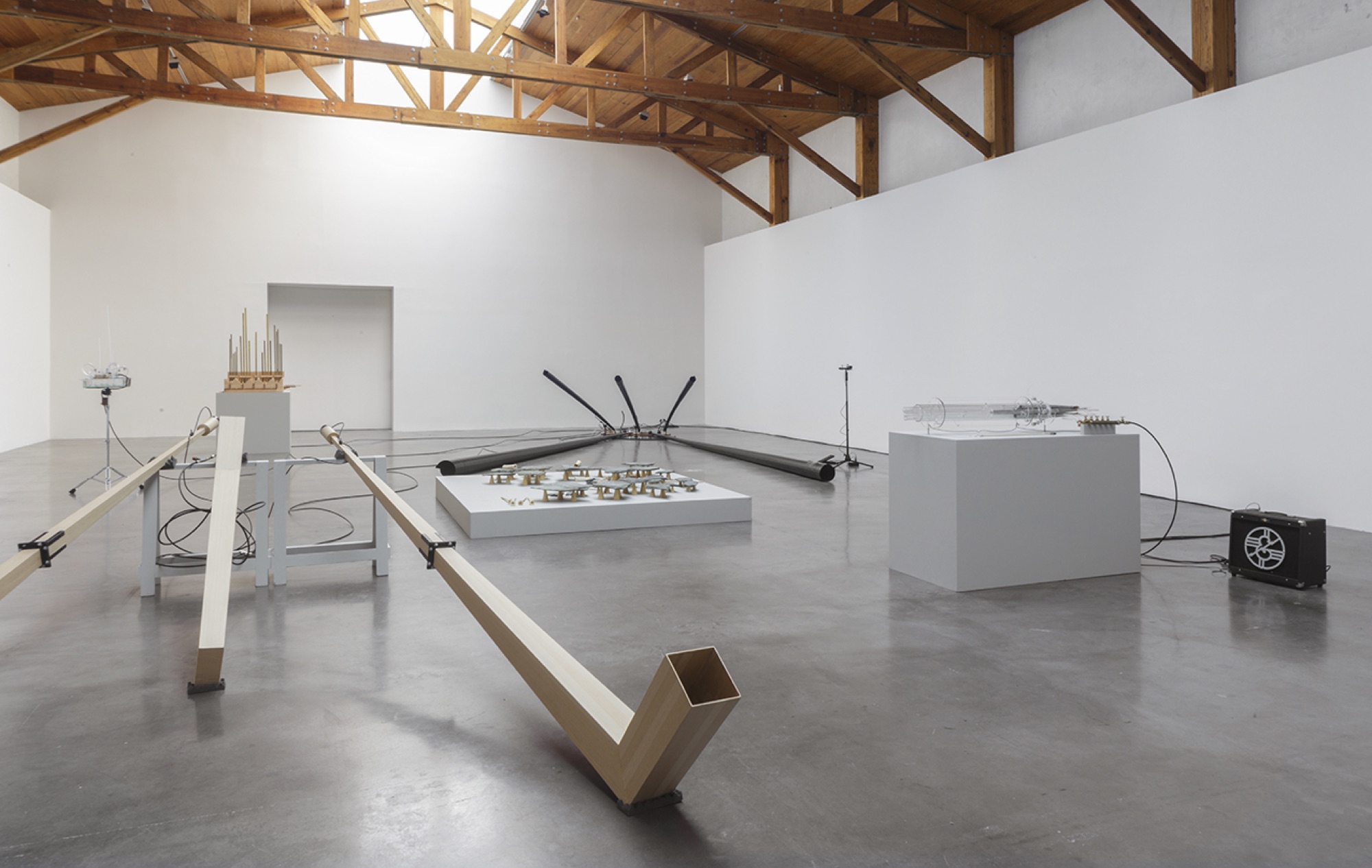
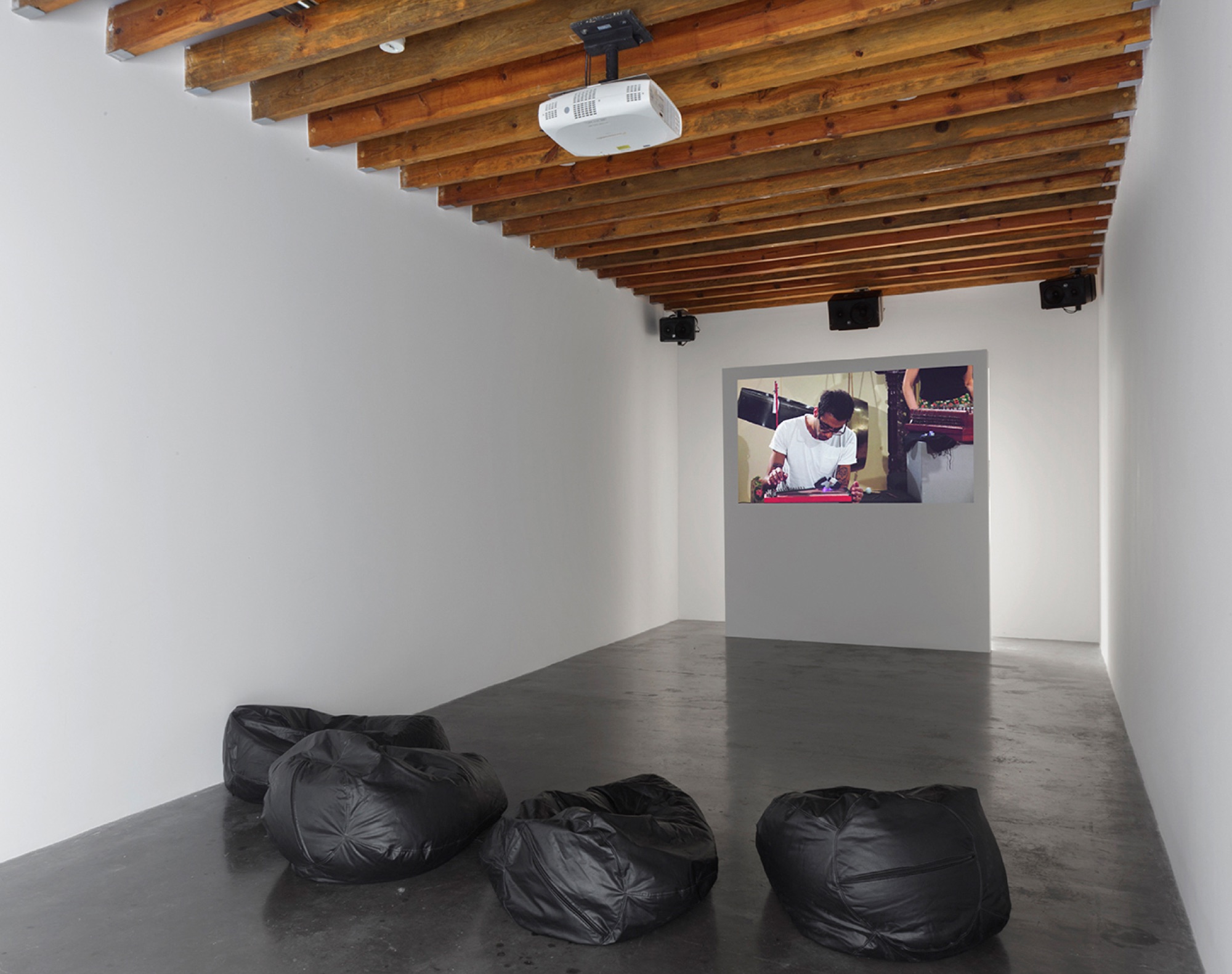
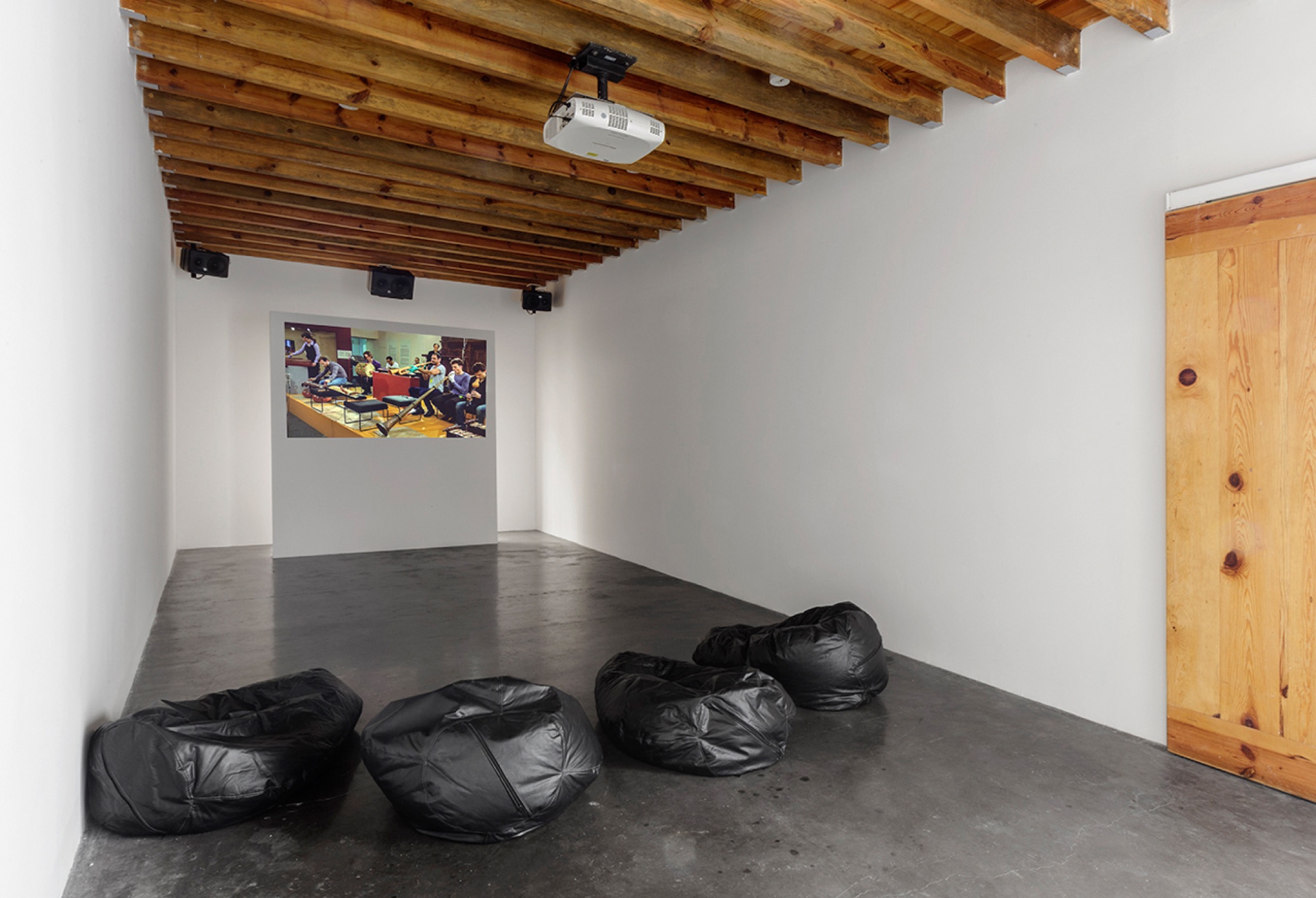
For The Reverse Sessions, realized a few months later at kurimanzutto in Mexico City, seven extracts from these recordings were transmitted to contemporary instrument makers with the sole instruction to imagine the instrument that might have generated these recorded sounds. Without involving any images, Atoui proposed to engage with sound directly. The resulting instruments were exhibited like an imaginary ethnomusicological collection, and then activated in a series of concerts.
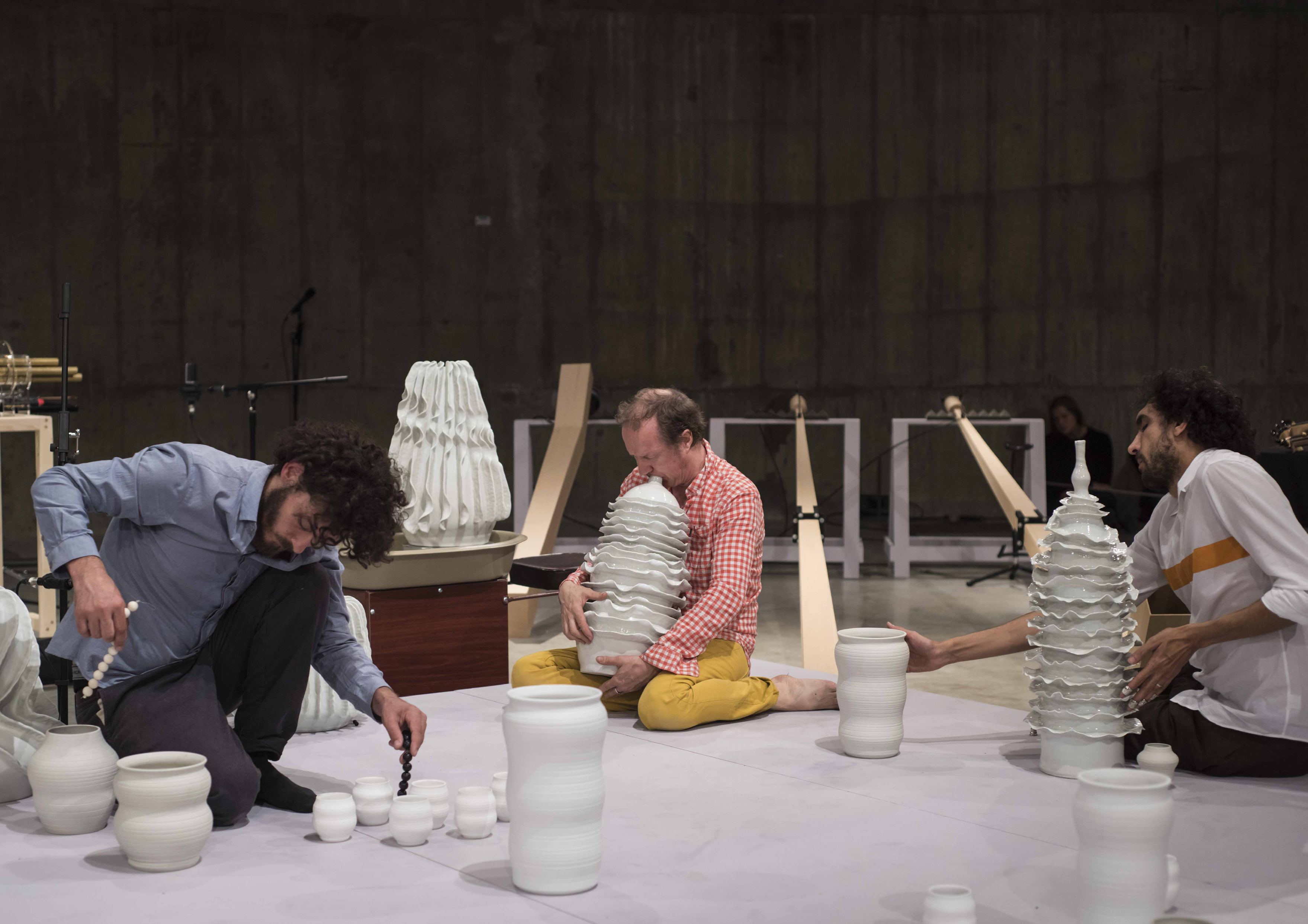
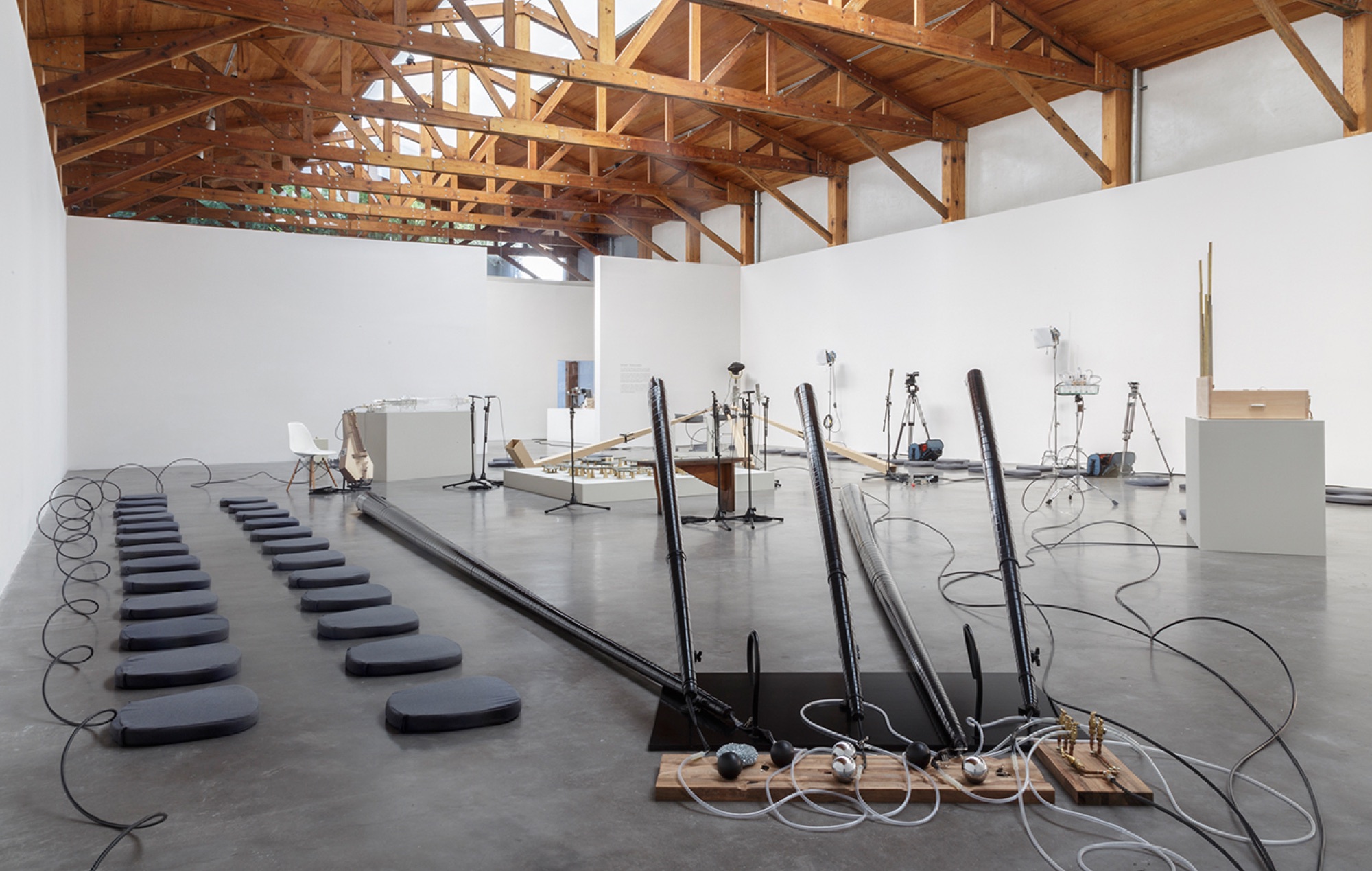
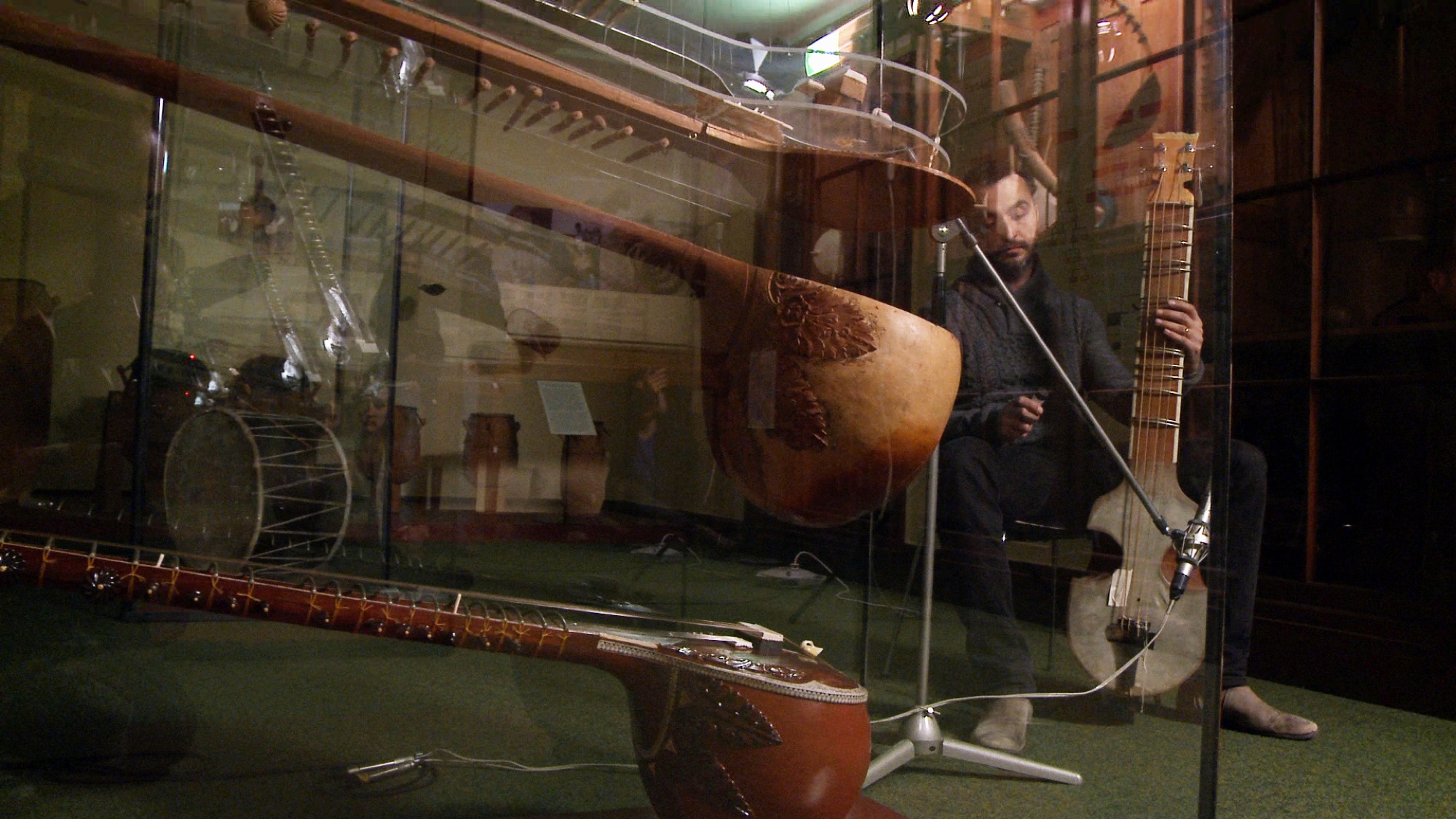
Finally, at Tate Modern, London in 2016, the instruments of The Reverse Sessions were reactivated on the occasion of a series of musical performances. These performances were then themselves recorded and used to produce a new multichannel composition, which was gradually added to the exhibition space, producing a soundscape that increased in complexity over the duration of the exhibition. Conceived as an improvised structure rather than as a series of finished compositions, The Reverse Collection offered an immersion into multiple scales of sound memory and the levels of instrumentality produced over the course of the project.
The disappearance of history and sociocultural parameters around the instruments in the Dahlem Museum allowed for a new world of instruments, sounds, images, and sensations to emerge. Atoui says: "The composition of The Reverse Collection is the whole process that took place: recording the solos at Dahlem, staging the performances there, working with the instrument makers, creating new pieces and performances on the new instruments, and finally creating the soundtrack that plays along with the instruments on display."
- Organizations
- AlWarsha · Bukhara Biennial · Musée d'Ethnographie de Genève (MEG) · Tate Modern · kurimanzutto · 8th Berlin Biennale
- Places
- AlUla · Geneva · Ljubljana · Villeurbanne · London · Mexico City · Berlin
Where & when
7 presentations
- 2026Phonolitessolo · Royal Commission of AlUla — AlUla, Saudi Arabia · 2026
- 2025Afrosonica – Soundscapesgroup · past · Musée d'Ethnographie de Genève (MEG) — Geneva, Switzerland · 2025
- 2024Standing Wavessolo · Cukrarna gallery — Ljubljana, Slovenia · 2024
- 2023the driftsolo · IAC - Villeurbanne — Villeurbanne, France · 2023
- 2016The Reverse Collectionsolo · Tate Modern — London, UK · 2016
- 2014The Reverse Sessions ↗solo · kurimanzutto — Mexico City, Mexico · 2014
- 2014Dahlem Sessionsperformance · 8th Berlin Biennale — Berlin, Germany · 2014
Gallery
1 / 171
Press
- The Guardian · ArticleWhy Tate Modern’s new collection of musical instruments is striking an unfamiliar chord
- The Independent · ArticleThe Reverse Collection at Tate Modern — review
- Les presses du réel · ReferenceThe Reverse Collection / The Reverse Sessions — publication
- Kurimanzutto · ReferenceThe Reverse Sessions — Kurimanzutto, 2014
- berlinbiennale.de · ReferenceBerlin Biennale page — 8th Berlin Biennale, 2014